Acacia vs Birch Wood: Hardness, Cost & Durability Compared
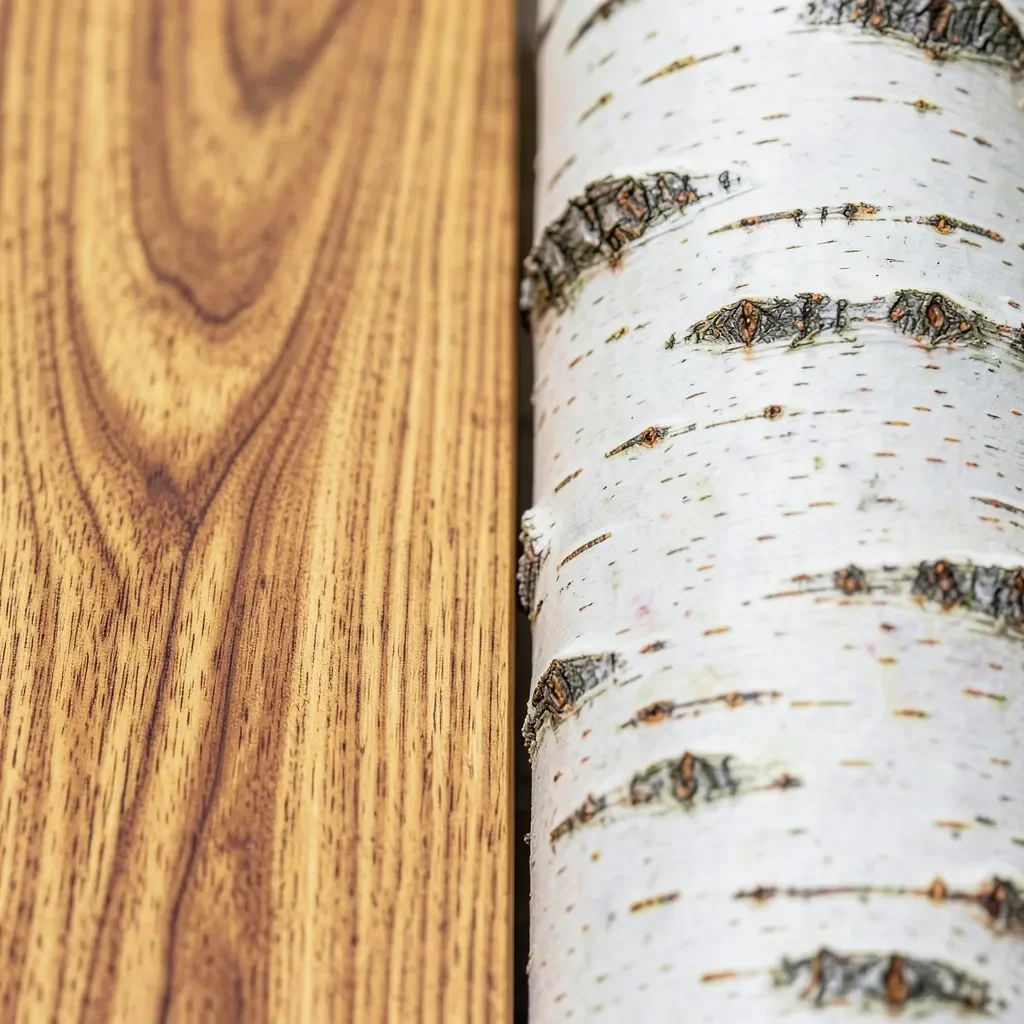
Acacia wood is harder and more rot-resistant than birch — Janka hardness up to 2,345 lbf versus birch’s 1,260 lbf — but birch costs less and cuts easier for detailed work. Choosing wrong means either overpaying for durability you don’t need, or a butcher block that warps in a humid kitchen within a few years. This guide compares real hardness, lifespan, cost, and the specific projects each wood actually wins at.
Acacia vs Birch: Hardness and Durability Compared
Best for Outdoor Acacia Furniture

Nordicare Teak Oil for Outdoor Furniture
A UV-resistant oil formulated for teak, acacia, and oak outdoor furniture.
- Best for: restoring weathered outdoor acacia furniture
- Why we picked it: explicitly formulated for acacia, not just teak
- Main drawback: needs reapplication every 6-12 months outdoors
Compare more wood care options
 Option 1 Kate Naturals Food-Grade Mineral Oil
|
 Option 2 Thirteen Chefs Mineral Oil (12oz)
|
 Option 3 Howard Butcher Block Conditioner
|
As an Amazon Associate we earn from qualifying purchases.
Acacia’s Janka hardness ranges from roughly 1,170 to 2,345 lbf depending on species, while birch measures a consistent 1,260 lbf. That range means some acacia species are softer than birch, but the acacia typically sold for furniture and butcher block sits above it. The table below lines up the numbers that actually decide which wood survives daily use.
| Property | Acacia | Birch |
|---|---|---|
| Janka hardness | 1,170–2,345 lbf | 1,260 lbf |
| Typical lifespan | 25+ years | 10–15 years |
| Cost per board foot | $6–$10 | $3–$8 |
| Moisture/rot resistance | High — natural oils repel water | Low — needs a sealed finish |
| Workability | Harder on tools, slower to cut | Easier to cut, carve, and sand |
Acacia is a hardwood that resists moisture, insects, and rot thanks to its naturally high oil content, which is why it typically outlasts birch by a decade or more in daily-use furniture. Birch is a hardwood that is softer and easier to work than acacia, but needs a proper finish to resist the same moisture and insect damage that acacia shrugs off untreated.

Which Wood Is Better for Butcher Blocks and Cutting Boards?
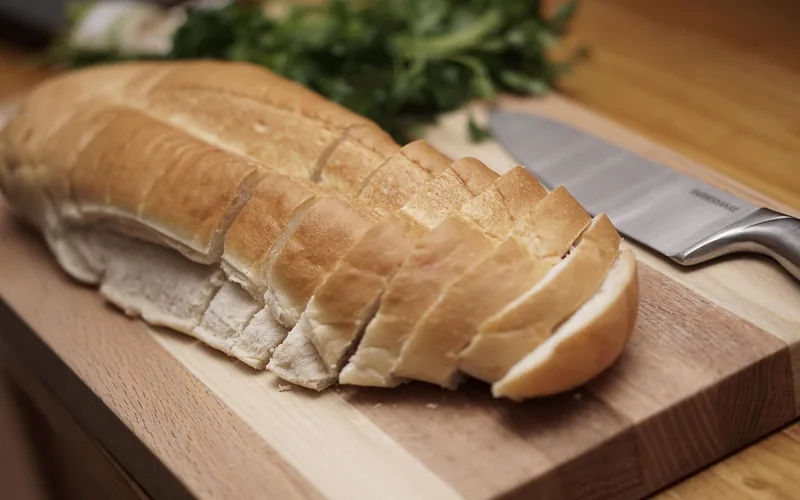
Acacia is the better default for a butcher block or cutting board that sees daily knife work, because its higher hardness and natural moisture resistance mean fewer knife-mark gouges and less warping near the sink. Birch is a workable second choice for lighter kitchen use, but it needs food-grade mineral oil more often — every 2-4 weeks versus acacia’s monthly upkeep — to avoid drying and cracking.
Never use olive, corn, or sunflower oil on either wood: these oils go rancid on a food-contact surface. Food-grade mineral oil is the standard for both woods, and a combined mineral-oil-and-beeswax conditioner adds a light water-resistant layer on top.
Best Uses for Acacia Wood vs Birch Wood
- Acacia wins at: outdoor furniture, high-traffic flooring, butcher blocks, and dining tables that need to survive decades with minimal upkeep.
- Birch wins at: interior cabinetry, millwork, toys, and carved or turned projects where the wood needs to be easy to shape and holds fine detail.
- Cost-sensitive projects: birch’s lower per-board-foot price makes it the practical pick when a project doesn’t need acacia’s extra durability.
Both woods are common choices for kitchen and bathroom countertops, though acacia’s water resistance gives it the edge near a sink. If your project leans toward cabinetry specifically, our birch vs. maple plywood comparison covers the sheet-good side of that decision, and our acacia vs. teak guide is the next comparison if you’re weighing acacia against another premium hardwood.
How to Maintain and Finish Acacia and Birch Wood
Outdoor acacia furniture needs a UV-resistant oil finish (like teak oil) reapplied every 6-12 months to keep its natural water resistance from fading in the sun. Indoor birch and acacia butcher blocks only need food-grade mineral oil, never a furniture-grade oil or varnish that isn’t rated food-safe.
📊 Acacia’s Janka hardness averages roughly 85% higher than birch’s 1,260 lbf — Source: Precise Bits Relative Wood Hardness Table
“In the shop, the difference shows up fastest at the router table — acacia dulls a carbide bit noticeably faster than birch over the same number of passes, which is the practical tradeoff for its extra durability once the piece is finished.”
Frequently Asked Questions
Is Acacia Wood Good for Butcher Block?
Yes, acacia is a good choice for butcher block because of its hardness, natural moisture resistance, and low tendency to warp. It’s a popular kitchen material precisely because it resists knife scarring better than most alternatives at a similar price point.
What Wood Is Similar to Acacia Wood?
Teak is the closest match — both are dense, naturally oily hardwoods with strong moisture resistance, which is why they’re often compared for the same outdoor-furniture and butcher-block uses.
Is Birch a Good Countertop Material?
Yes, birch works as a countertop for lighter-duty kitchens, holding up well to daily wear at a lower cost than acacia — but it needs more frequent oiling to match acacia’s water resistance near a sink.
Which Wood Costs More, Acacia or Birch?
Acacia costs more, typically $6-$10 per board foot versus birch’s $3-$8, reflecting acacia’s higher density and longer service life.
Both woods have real strengths — the right choice depends on whether your project needs acacia’s extra decades of durability or birch’s lower cost and easier workability.
Sponsored / affiliate links. As an Amazon Associate I earn from qualifying purchases. I may earn additional commission from eligible campaigns.