Acacia vs Birch Butcher Block: Durability, Heat & Style Compared
Acacia butcher block is the more heat- and water-resistant choice — birch costs less and cuts easier under the knife. Acacia’s Janka hardness of 1,750–2,200 lbf outlasts birch’s roughly 1,260 lbf, but both still need a trivet under hot pans and a food-grade oil every 3–4 weeks. This guide compares durability, heat tolerance, color options, style, and maintenance so you can pick the right butcher block for your kitchen.
Quick Answer
Acacia butcher block outperforms birch in hardness, water resistance, and heat tolerance, making it the better pick for heavy daily use or humid kitchens. Birch costs less and is easier to shape for DIY builds. Neither wood should sit directly under hot cookware — use a trivet and re-oil every 3–4 weeks.
Durability Comparison
Best Acacia Butcher Block Pick
AllForWood Acacia Solid Wood Butcher Block Countertop (36x25x1.5in) – $119.99
- Best for: replacing a full countertop section in acacia
- Why we picked it: solid acacia slab with the hardness and water resistance this guide recommends for heavy kitchen use
- Main drawback: ships unfinished — needs oiling before first use
Compare more acacia butcher block options
 Option 1 Ziruma End Grain Acacia Butcher Block Cutting Board (16x11in) – $49.95
|
 Option 2 Acacia Wood Cutting Board with Juice Groove (17x13in) – $29.99
|
 Option 3 Howard Butcher Block Conditioner & Food-Grade Mineral Oil – $9.98
|
As an Amazon Associate we earn from qualifying purchases.
Acacia and birch butcher blocks offer comparable durability, making them excellent choices for kitchen countertops and cutting boards. Both woods are known for their strength and resistance to wear and tear, ensuring long-lasting performance and reliability.
When it comes to selecting the perfect butcher block for your kitchen, durability is one of the key factors to consider. Acacia and birch are two popular choices known for their durability and strength. In this section, we compare the durability of acacia and birch butcher blocks, including their characteristics, strengths, and weaknesses.
Characteristics Of Acacia Butcher Blocks
Acacia butcher blocks are renowned for their exceptional durability and natural resistance to wear and tear. Here are some characteristics that make acacia butcher blocks stand out:
- Hardwood: Acacia wood is a dense hardwood, making it extremely durable.
- High Janka Hardness: The Janka hardness rating of acacia falls between 1,750 and 2,200 pounds-force, indicating its impressive resistance to scratches and dents.
- Distinctive Grain Patterns: Acacia wood boasts unique grain patterns, ranging from rich dark browns to lighter golden hues, adding a touch of elegance to your kitchen.
- Natural Oils: Acacia wood contains natural oils that help resist water damage, making it suitable for both dry and humid environments.
Strengths And Weaknesses Of Acacia Butcher Blocks
Acacia butcher blocks come with their own set of strengths and weaknesses, which are essential to consider before making your final decision:
Strengths:
- Exceptional Durability: Acacia wood is highly resistant to scratches, dents, and general wear and tear, ensuring longevity.
- Natural Resistance: The natural oils present in acacia wood help protect it against water damage and stains.
- Stunning Aesthetics: The unique grain patterns and various color options of acacia wood make for visually appealing butcher block countertops.
Weaknesses:
- Potential Shrinkage: Acacia wood may experience some shrinkage or expansion with changes in temperature and humidity, requiring proper maintenance.
- Prone to Scratches: While acacia is highly durable, it is not entirely scratch-resistant, and caution must be exercised to prevent scratches and marks.
Characteristics Of Birch Butcher Blocks
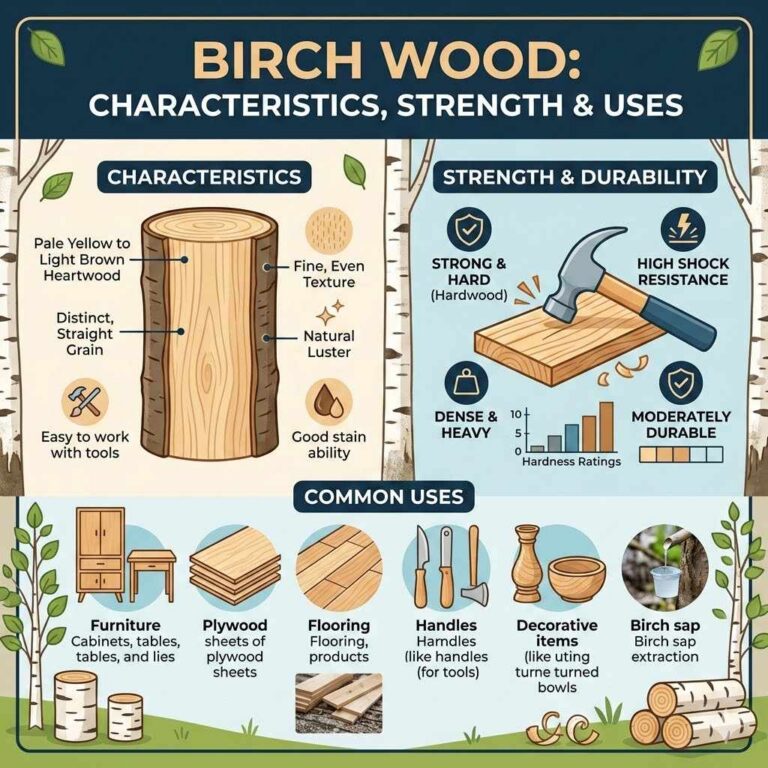
Birch butcher blocks are known for their durability and affordability, making them a popular choice for many homeowners. Here are the distinguishing characteristics of birch butcher blocks:
- Hardwood: Birchwood is a dense hardwood renowned for its durability and strength.
- Natural Light Color: Birch is naturally light in color, with variations ranging from creamy white to light yellow.
- Smooth and Fine Grain: Birchwood possesses a smooth and fine grain pattern, ensuring a sleek appearance for your butcher block countertops.
- Resistant to Scratches: Birch wood has a natural resistance to scratches, providing increased durability.
Strengths And Weaknesses Of Birch Butcher Blocks
Consider the strengths and weaknesses of birch butcher blocks before making your final decision:
Strengths:
- Affordability: Birch butcher blocks are comparatively more affordable than other hardwood options, making them an attractive choice for budget-conscious homeowners.
- Durability: Birchwood is highly durable and resistant to scratches, ensuring long-lasting performance.
Weaknesses:
- Moisture Sensitivity: Birchwood is more sensitive to moisture compared to acacia, and prolonged exposure to water may lead to warping or damage.
- Prone to Dents: While birch is durable, it is more susceptible to dents and marks compared to some other hardwoods.
Comparative Analysis Of Durability
When it comes to the durability of acacia and birch butcher blocks, both offer impressive strength and longevity. Acacia, with its high Janka hardness rating, natural resistance to water, and exceptional durability, is an excellent choice for kitchens prone to heavy use. On the other hand, birch, with its affordability and natural resistance to scratches, provides solid durability for kitchens with moderate use.
In conclusion, both acacia and birch butcher blocks have their unique characteristics, strengths, and weaknesses. Your choice ultimately depends on your specific needs, budget, and aesthetic preferences. With proper care and maintenance, either option can offer a durable and beautiful addition to your kitchen.
Style Comparison
When it comes to choosing a butcher block countertop, two popular options to consider are acacia and birch. Each of these wood types carries its own unique style, adding a distinctive touch to your kitchen. In this style comparison, we explore the appearance, pros, and cons of both acacia and birch butcher blocks, helping you make an informed decision. For a broader look at how these two species compare beyond the kitchen, see our full acacia vs birch wood comparison.
Appearance Of Acacia Butcher Blocks
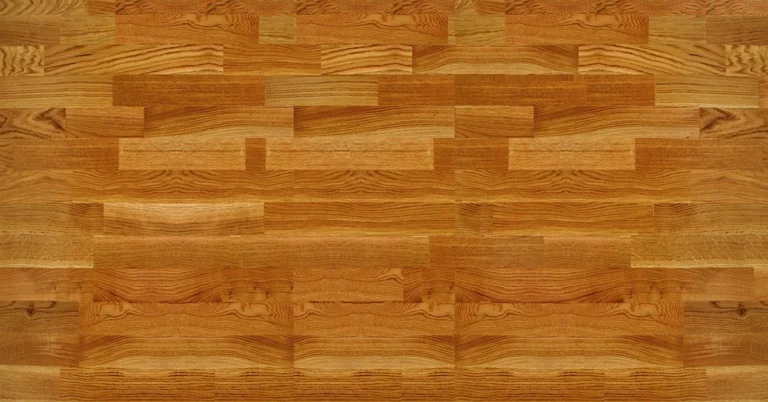
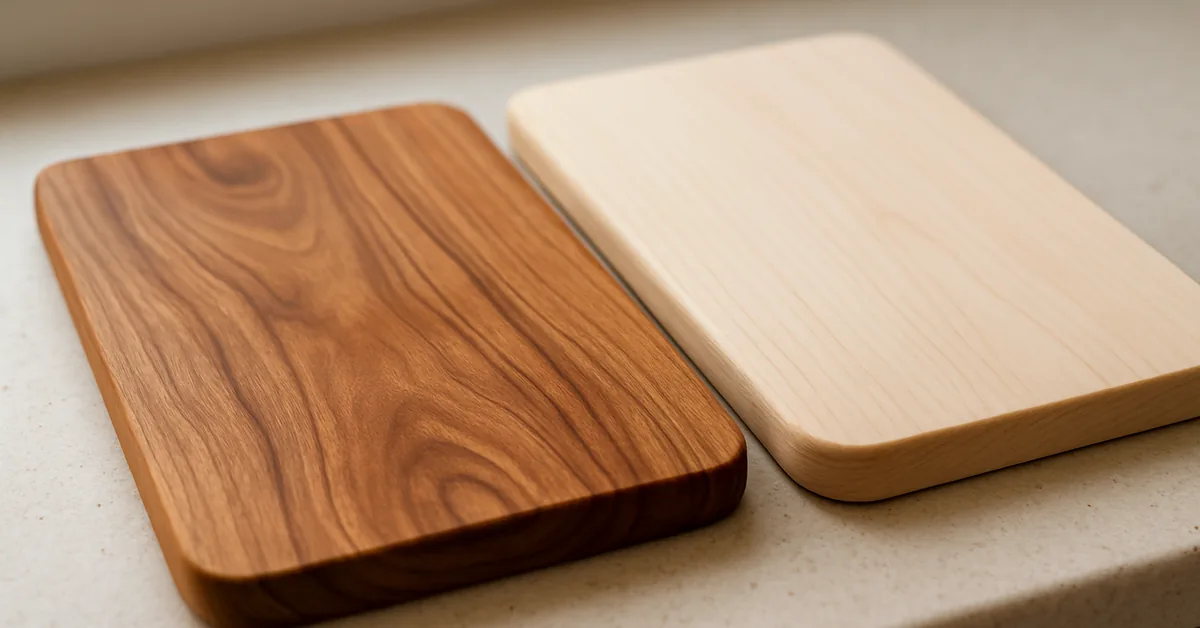
Acacia butcher blocks showcase a stunning natural beauty that brings warmth and charm to any kitchen. With rich golden to reddish-brown hues, acacia wood features unique and variable grain patterns that add character to the countertop. Most manufacturers also offer pre-stained finishes — Honey, Spice, Espresso, and Ebony are the most common — plus warmer Walnut or reddish Cherry stains for a different look. This visually appealing wood offers a rustic ambience, making it a great choice for homeowners seeking a natural and earthy aesthetic.
Pros And Cons Of Acacia Butcher Blocks In Terms Of Style
Acacia butcher blocks offer several advantages when it comes to style:
- Versatile: Acacia’s warm color and attractive grain make it versatile, complementing various kitchen styles from traditional to contemporary.
- Natural Charm: The natural beauty of acacia brings warmth and character to the overall kitchen décor.
- Unique Grain Patterns: The varied grain patterns of acacia wood create an intriguing visual appeal.
However, it is important to consider the potential drawbacks of acacia butcher blocks:
- Variability: The color and grain patterns can vary significantly among different acacia butcher blocks, so it is important to select the one that best matches your desired style.
- Susceptible to Scratches: Acacia wood can scratch relatively easily, so extra care is needed to maintain its pristine appearance.
Appearance Of Birch Butcher Blocks
Birch butcher blocks exude a classic and timeless elegance with their light and creamy tones. The natural coloration of birch wood ranges from pale yellow to off-white, offering a clean and crisp look to your countertop. Birch’s straight and uniform grain patterns provide a sleek and modern aesthetic, making it a popular choice for contemporary kitchens in the birch wood family.
Pros And Cons Of Birch Butcher Blocks In Terms Of Style
Choosing birch butcher blocks can bring several style benefits:
- Light and Airy: Birch’s light color creates an airy and spacious feel in the kitchen, ideal for those seeking a fresh and bright ambiance.
- Uniform Appearance: The consistent grain pattern of birch wood gives a sleek and sophisticated look to the countertop.
- Easy to Match: Birch’s neutral tones allow for versatile pairing with various kitchen styles and color schemes.
However, it is important to be mindful of the following considerations when considering birch butcher blocks:
- Less Dramatic: Birch’s lighter color and less pronounced grain may not provide the same level of visual impact or rustic charm as acacia.
- Prone to Staining: Birchwood is relatively porous and can be susceptible to staining if not properly maintained, so regular sealing is recommended to preserve its appearance.
Comparative Analysis Of Style
When comparing the styles of acacia and birch butcher blocks, it ultimately comes down to personal preference and the desired look for your kitchen. Acacia offers a rustic and warm aesthetic with its unique grain patterns and rich hues, while birch provides a clean and modern vibe with its lighter color and consistent grain.
Consider the overall style and ambiance you wish to achieve in your kitchen, and select the butcher block that best aligns with your vision. Whether you prefer the natural charm of acacia or the timeless elegance of birch, both options can elevate the style of your kitchen and provide a beautiful focal point for your countertop.
Do Acacia And Birch Butcher Blocks Handle Heat Well?
Neither acacia nor birch butcher block is heat-proof. Both are solid wood, and direct contact with a hot pan, skillet, or oven dish can scorch the surface, dry out the wood’s natural oils, and cause cracking or warping over time. Acacia holds up marginally better than birch because its natural oils and tighter grain slow the moisture loss that heat causes, but “marginally better” still means a trivet is required for both woods.
Heat Tolerance Comparison
| Factor | Acacia | Birch |
|---|---|---|
| Natural heat resistance | Better — natural oils slow moisture loss | Lower — drier grain scorches faster |
| Warping risk from hot pans | Moderate — still needs a trivet | Higher — softer grain warps sooner under heat + moisture |
| Near ovens / hot cookware | Use a trivet always; avoid placing hot bakeware directly on the surface | Use a trivet always; more prone to visible scorch marks |
| Re-oiling frequency | Every 3–4 weeks to keep the surface resilient | Every 3–4 weeks; reseal sooner if used near heat often |
📊 Acacia’s Janka hardness of 1,750–2,200 lbf is nearly double yellow birch’s roughly 1,260 lbf rating — Source: Janka Hardness Scale, standard wood-hardness testing data.
“Re-oil butcher block every three to four weeks with a food-grade mineral oil, then follow with a beeswax board cream to seal in moisture and protect against water and heat damage.”
Still deciding on a countertop material altogether? Our guide to the best wood for butcher block countertops compares acacia, maple, walnut, and oak side by side.
Frequently Asked Questions On Acacia Vs Birch Butcher Block
How Does Acacia Butcher Block Compare To Birch Butcher Block?
Acacia and birch butcher block have different characteristics. Acacia is known for its durability and unique grain patterns, while birch is valued for its light color and smooth texture. Acacia is more resistant to scratches and water damage, making it a great choice for high-traffic areas. Birch, on the other hand, offers a lighter and more uniform look. Ultimately, the choice between the two depends on your personal preferences and needs.
Which Butcher Block Is More Suitable For Heavy-duty Use?
If you are looking for a butcher block that can withstand heavy-duty use, acacia is the better option. Acacia wood is renowned for its hardness and durability, making it highly resistant to wear and tear. It can handle chopping, slicing, and pounding without showing much damage. Birch butcher block, although durable, may not be as robust as acacia when it comes to heavy-duty use.
Are There Any Differences In Maintenance Between Acacia And Birch Butcher Block?
Yes, acacia and birch butcher blocks require slightly different maintenance. Acacia butcher block is naturally more resistant to water and stains, so it requires less sealing compared to birch. Manufacturers recommend applying a food-grade mineral oil roughly every 3-4 weeks to both types to keep them moisturized and protected. Birch butcher block may need sealing more frequently to maintain its water resistance.
Which Butcher Block Is More Affordable?
In terms of affordability, birch butcher block tends to be more budget-friendly compared to acacia. Birch is widely available and has a lower price point, making it a popular choice for those seeking an affordable yet quality option. Acacia, on the other hand, is considered a premium hardwood and may be priced slightly higher. However, it’s essential to consider the long-term durability and aesthetic value when making your decision.
Does Acacia Or Birch Butcher Block Handle Heat Better?
Acacia handles heat slightly better than birch because its natural oils slow moisture loss when a hot pan touches the surface, but neither wood is heatproof. Always use a trivet under cookware straight from the stove or oven — direct heat on either wood can scorch the finish and dry out the grain enough to crack over months of repeated exposure.
Is Acacia Butcher Block Safe To Use Outdoors Or In Humid Kitchens?
Acacia butcher block tolerates outdoor and humid conditions better than most hardwoods thanks to its natural oils and rot resistance, but it still needs an annual water-repelling sealant and should avoid standing water. For a fully outdoor setup, reapply sealer once a year and keep the block covered during heavy rain. Acacia isn’t waterproof, just more water-resistant than birch.
What Color Options Are Available For Acacia Butcher Block?
Acacia butcher block typically comes in its natural medium-to-dark tone with contrasting heartwood and sapwood streaks, plus pre-stained finishes like Honey, Spice, Espresso, and Ebony from most manufacturers. Some sellers also offer Walnut or Cherry-toned stains for a warmer or reddish finish. Birch, by contrast, stays pale and uniform since its light color is part of its natural appeal.
Conclusion
After comparing acacia and birch butcher block on durability, heat tolerance, style, and maintenance, acacia comes out ahead for heavy daily use, humid kitchens, and anyone who wants a warmer, more dramatic grain. Birch remains the better pick for a tighter budget or a lighter, more uniform look. Either wood needs a trivet and a food-grade oil every 3–4 weeks — the real durability difference comes down to how you maintain it, not just which species you choose.
Sponsored / affiliate links. As an Amazon Associate I earn from qualifying purchases. I may earn additional commission from eligible campaigns.