Are Cherry Blossom Trees Cherry Trees Explained
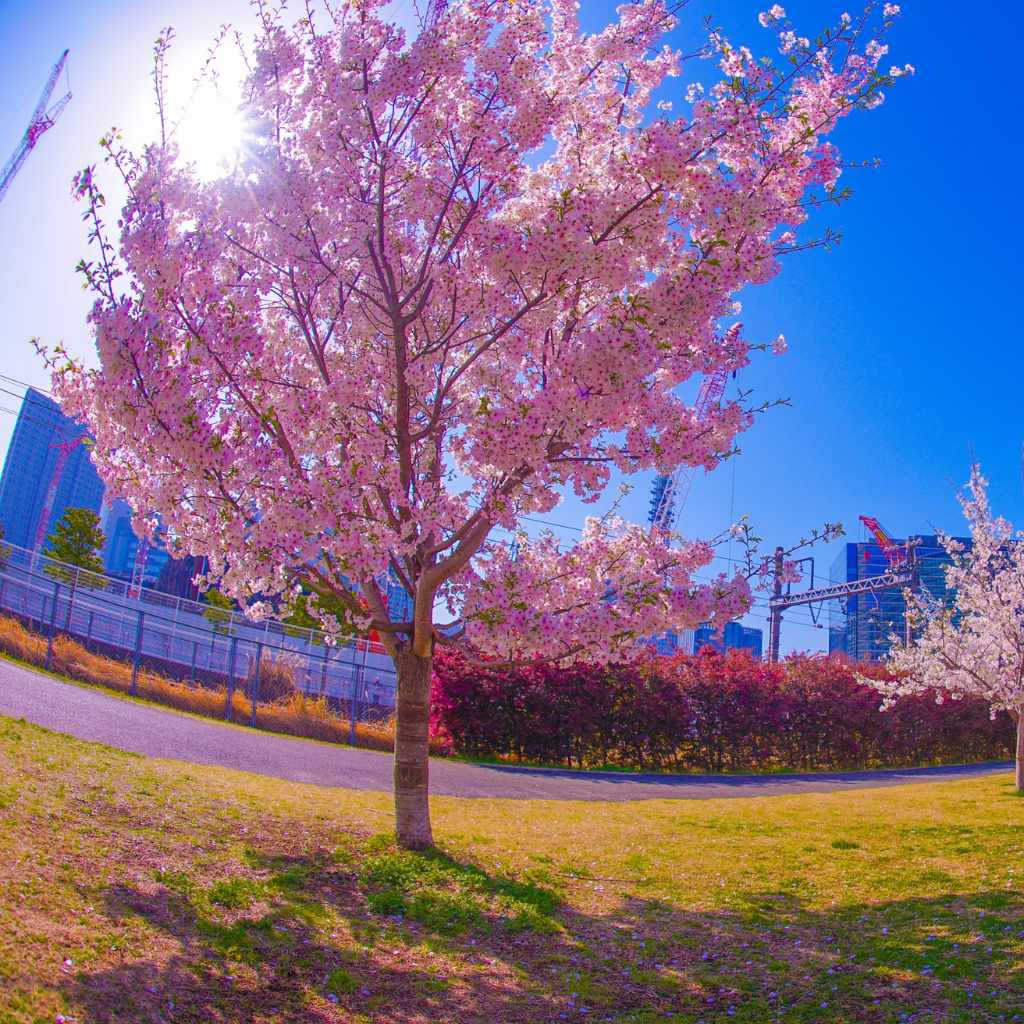
You might have marveled at the breathtaking pink and white blooms blanketing parks and streets each spring. Perhaps you’ve enjoyed a picnic under their delicate canopy or captured stunning photos of their fleeting beauty. It’s easy to see why these trees are so beloved.
But when you see these gorgeous trees, a simple question might pop into your mind: Are cherry blossom trees actually cherry trees? This post will clear up any confusion, explaining the relationship between the two so you feel confident in your botanical knowledge. You’ll gain a clear understanding of their connection and appreciate these trees even more.
Understanding Cherry Blossom Trees and Cherry Trees
The question, “Are cherry blossom trees cherry trees?” is a common one, and the answer is both yes and no, depending on what we mean by “cherry tree.” Most people think of cherry trees as those that produce edible cherries. However, cherry blossom trees, while botanically related, are primarily grown for their stunning floral displays rather than their fruit. The confusion arises because they share the same genus, Prunus, which includes a wide variety of trees and shrubs, many of which do produce fruit.
In Japan, where cherry blossoms, or sakura, are deeply cherished, the ornamental varieties are distinct from those cultivated for fruit. These ornamental trees have been selectively bred over centuries to produce abundant, often showy, flowers. Their fruit, if they produce any, is typically small, sour, and not suitable for eating.
This selective breeding is a key factor in distinguishing them from fruit-bearing cherry trees.
Botanical Classification: The Genus Prunus
To understand the relationship, we need to look at the science. Both cherry blossom trees and fruit-bearing cherry trees belong to the genus Prunus. This genus is quite large and includes other familiar plants like plums, peaches, apricots, and almonds.
Within the Prunus genus, there are many different species, and the term “cherry tree” can refer to any of them.
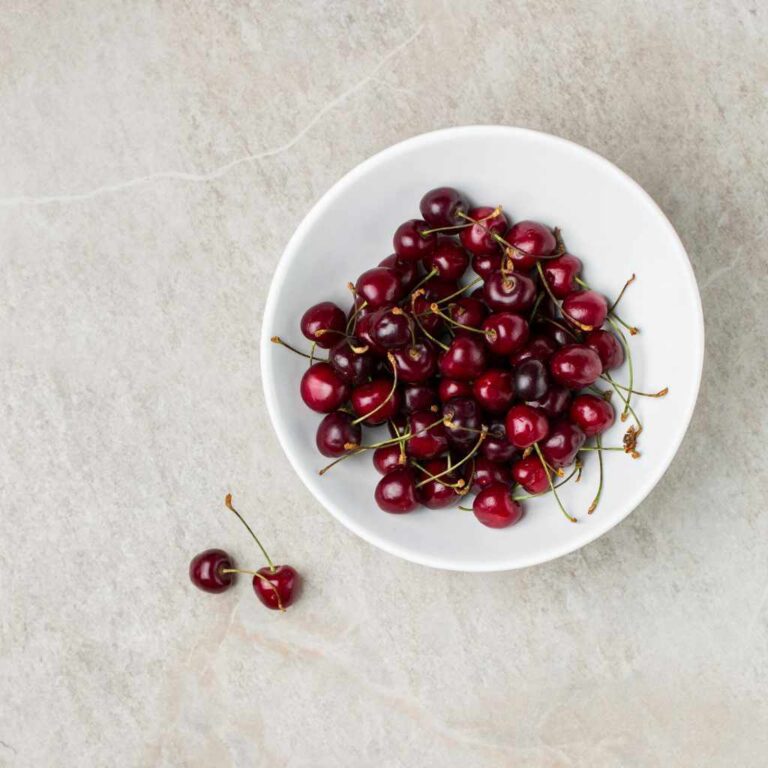
The species most commonly associated with edible cherries are from the subgenus Cerasus. Examples include Prunus avium (wild or sweet cherry) and Prunus cerasus (sour cherry). These are the trees that orchard farmers cultivate for their delicious fruit.
On the other hand, many cherry blossom trees are species or hybrids selected for their ornamental value. Often, these are variations of species like Prunus serrulata (Japanese flowering cherry) or Prunus yedoensis (Yoshino cherry).
The key takeaway here is that they are part of the same family tree, but they have been cultivated for different purposes. Think of it like different breeds of dogs. All dogs are canines, but a Great Dane and a Chihuahua are very different in appearance and temperament, just as a fruit cherry tree and a flowering cherry tree are different in their primary characteristics.
Cherry Blossom Trees Ornamental vs. Fruit-Bearing
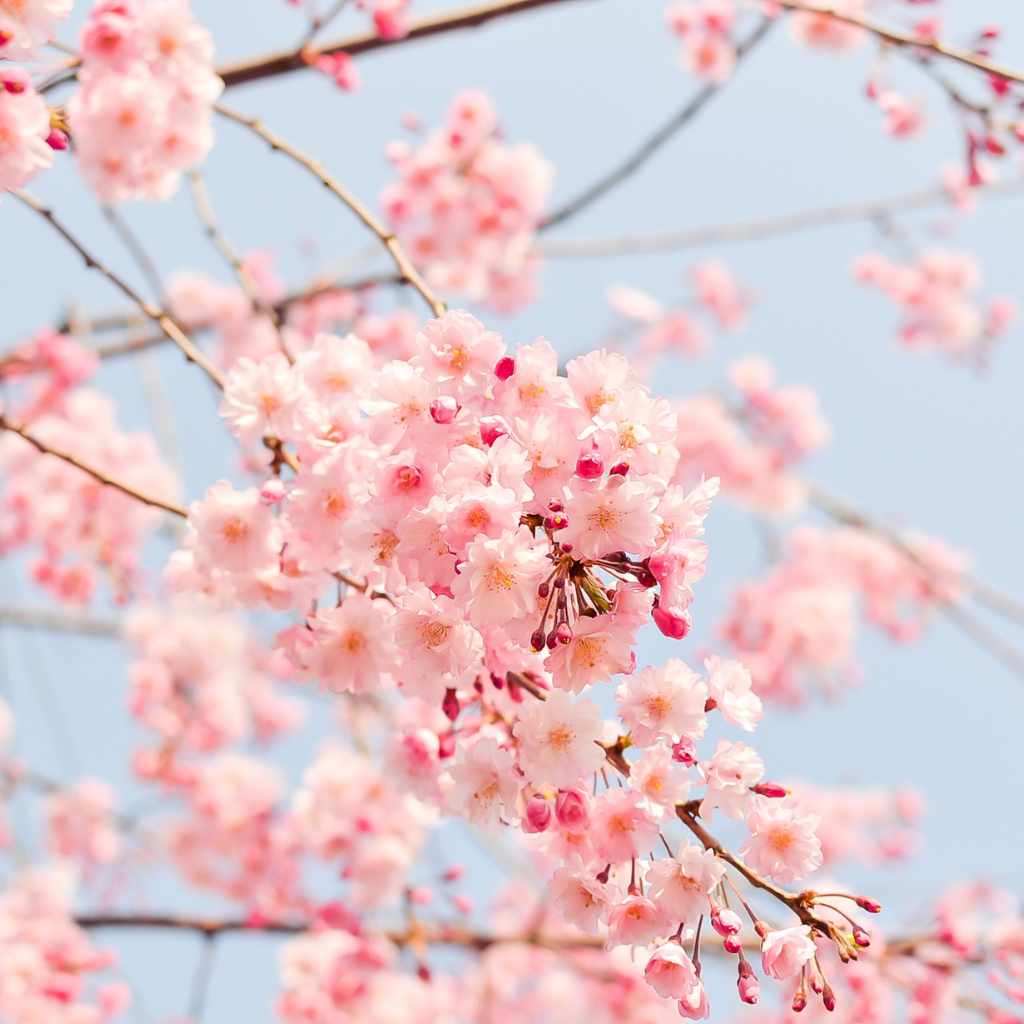
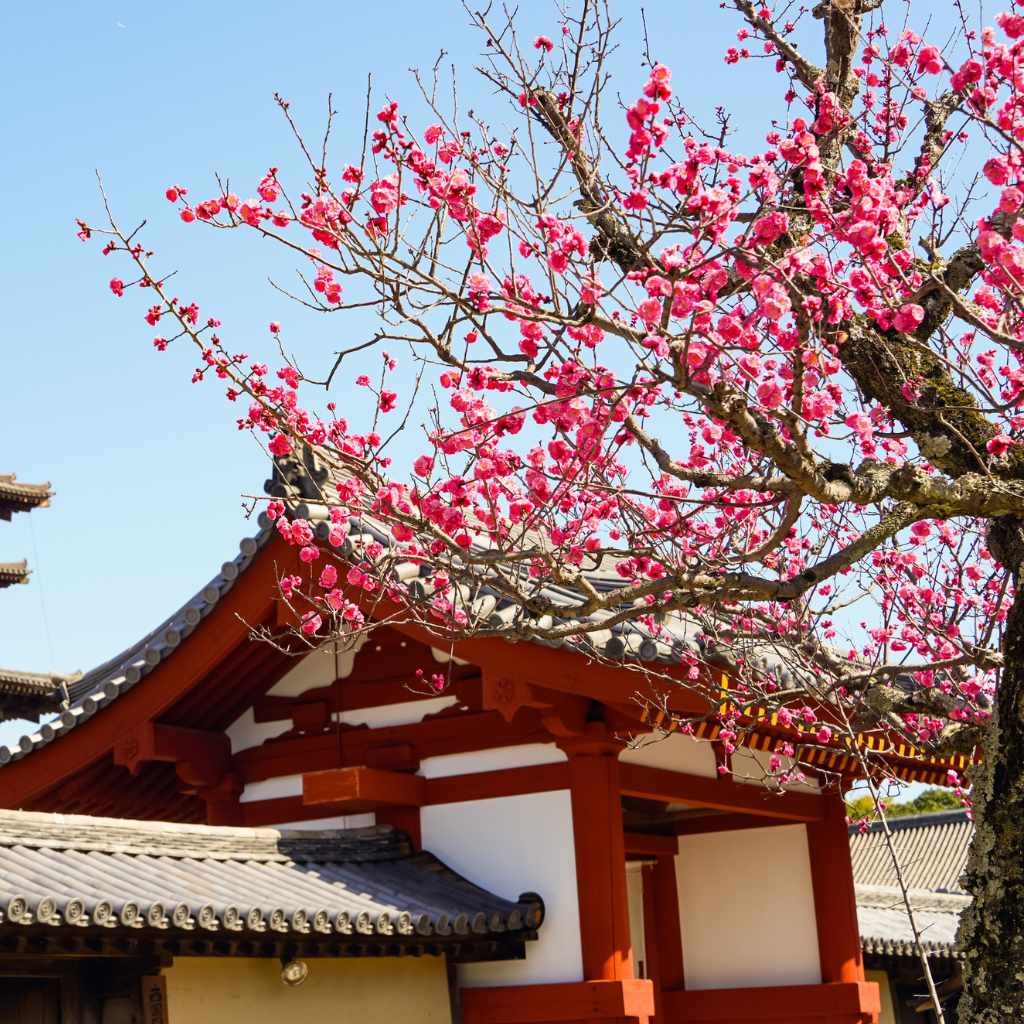
The primary difference lies in their purpose and characteristics. Cherry blossom trees are bred for aesthetics. Their flowers are often more numerous, larger, and come in a wider range of colors (from pure white to deep pink) and petal forms (single or double) than those on fruit-bearing trees.
The blooming period is often longer and more spectacular.
Fruit-bearing cherry trees, while they do produce blossoms, are primarily grown for their fruit. Their flowers are typically white or pale pink and are less of a focal point than the eventual cherry harvest. The trees are managed for fruit production, which involves different pruning techniques and care compared to ornamental trees.
Here’s a simple comparison:
| Feature | Cherry Blossom Tree | Fruit-Bearing Cherry Tree |
|---|---|---|
| Primary Purpose | Ornamental beauty, floral display | Edible fruit production |
| Flowers | Abundant, often showy, various colors and petal types | Fewer, typically white or pale pink, simpler petals |
| Fruit | Small, sour, or absent; not for consumption | Edible cherries, cultivated for harvest |
| Cultivation Focus | Aesthetics, bloom quality and quantity | Fruit yield, size, and flavor |
So, while a cherry blossom tree is botanically a type of cherry tree because it belongs to the Prunus genus, it’s not the kind of cherry tree you’d plant in an orchard to get cherries for pies or snacking. It’s a specialist, bred for the sheer joy of its spring bloom.
Common Cherry Blossom Tree Species
Several species and their cultivars are popular for their blossoms. Understanding these can further clarify the distinction. Some of the most well-known include:
- Prunus serrulata (Japanese Flowering Cherry): This is a broad category encompassing many popular cultivars like ‘Kwanzan’ with its abundant deep pink double flowers, and ‘Shirotae’ with its fragrant single white blooms.
- Prunus yedoensis (Yoshino Cherry): Famous for its cascading branches covered in pale pink or white flowers, this species is often seen in large plantings, such as in Washington D.C.
- Prunus sargentii (Sargent Cherry): Known for its rosy-pink flowers and its attractive reddish-bronze new leaves.
- Prunus campanulata (Taiwan Cherry): Offers vibrant pink to reddish flowers, often blooming earlier than other varieties.
These trees are specifically developed and nurtured for their visual appeal during the spring. Their genetics have been guided over generations to enhance petal size, color intensity, and the sheer volume of flowers produced.
Common Fruit-Bearing Cherry Tree Species
The trees we typically associate with eating cherries are different, though still part of the Prunus family.
- Prunus avium (Sweet Cherry): This is the source of most commercially grown sweet cherries like Bing, Rainier, and Stella. They have white flowers and produce the familiar sweet, juicy fruits.
- Prunus cerasus (Sour Cherry): This species yields tart cherries used in pies, jams, and juices. Montmorency is a very common sour cherry variety.
- Prunus domestica (Plum): While technically a plum, some varieties are closely related and share similar flowering habits and genetic markers within the broader Prunus genus.
The focus for these trees is entirely on the fruit. Their flowers are beautiful but serve the biological purpose of attracting pollinators to ensure fruit set. The trees are managed to maximize fruit quality and quantity.
The Role of Pollination and Fruit Development
Both types of trees flower, and this flowering is a biological process tied to reproduction. For fruit-bearing trees, pollination is essential for developing the cherries we eat. Bees and other insects transfer pollen from one flower to another, or within the same flower, leading to fertilization and the development of the fruit around the seed.
For many ornamental cherry blossom trees, especially those with double flowers, pollination and subsequent fruit development are often hindered or impossible. Double flowers have extra petals, which can interfere with the reproductive parts of the flower (stamens and pistils). Even if pollination occurs, the resulting fruit is usually very small and inedible.
In some cases, ornamental trees are sterile, meaning they cannot produce fruit regardless of pollination.
This difference in reproductive success further highlights their divergence in purpose. One is optimized for fruit, the other for flowers. The biological mechanisms are either encouraged or sometimes suppressed through breeding to achieve the desired outcome.
The primary reason for the confusion stems from their shared scientific classification and common naming conventions. Both are called “cherry” trees because they share a common ancestor within the Prunus genus. In everyday language, people often simplify terms.
If it looks like a cherry tree and blooms like a cherry tree, it’s often just called a cherry tree.
The term “cherry blossom” specifically refers to the flower of these trees, particularly the ornamental varieties. When we say “cherry blossom season,” we are generally referring to the spectacle of the flowering ornamental trees, not the fruiting trees. However, the fruit-bearing trees do have blossoms too, which can add to the ambiguity for someone not familiar with the botanical distinctions.
Cultural significance also plays a role. In Japan, the sakura (cherry blossom) is a powerful cultural symbol, deeply intertwined with art, poetry, and festivals. This cultural emphasis on the ornamental aspect means that when many people think of “cherry trees,” their immediate association might be with the stunning, transient beauty of the blossoms rather than with fruit production.
Frequently Asked Questions
Answer: Yes, both cherry blossom trees and fruit-bearing cherry trees are closely related. They both belong to the genus Prunus, which means they share a common botanical family. However, they have been cultivated for different purposes over centuries, leading to distinct characteristics.
Question: Can you eat the fruit from cherry blossom trees
Answer: Generally, no. While some cherry blossom trees may produce small, sour fruits, they are not typically cultivated for consumption. The fruit is often insignificant, inedible, or the tree is bred to not produce fruit at all, prioritizing flower display.
Question: What is the main difference between a cherry blossom tree and a fruit cherry tree
Answer: The main difference lies in their primary purpose and characteristics. Cherry blossom trees are grown for their ornamental beauty and stunning floral displays, while fruit cherry trees are cultivated for their edible cherries. Ornamental trees often have more numerous, showier flowers and little to no edible fruit.
Question: Why are they both called cherry trees if they are different
Answer: They are both called cherry trees because they belong to the same scientific genus, Prunus. This is a common practice in language where closely related plants or animals share a common name based on their broader classification, even if they have specialized varieties.
Question: Do all cherry trees produce fruit
Answer: No, not all cherry trees produce fruit that is edible or significant. Many varieties, particularly ornamental flowering cherry trees, have been selectively bred for their blossoms and may produce very little or no fruit, or the fruit produced is not suitable for eating.
Final Thoughts
It’s fascinating how different plants within the same family can be developed for such distinct purposes. The beauty of the cherry blossom tree is a testament to human cultivation and appreciation for aesthetics, offering a fleeting but spectacular display of nature’s artistry each spring. These trees, while related to the ones that give us delicious cherries, have taken a different path, focusing on visual splendor.
Understanding this distinction helps us appreciate the variety within the Prunus genus and the specific qualities of each type of tree. So, next time you’re admiring those breathtaking blooms, you’ll know they are indeed cherry trees, but special ones bred to paint the landscape with their ephemeral floral show, rather than fill your basket with fruit. Consider planting a flowering cherry tree in your garden to enjoy its unique charm each year, or support local orchards that cultivate the fruit varieties for their delicious harvest.