Can You Grow a Cherry Tree From Store-Bought Cherries?
Yes, cherry pits from store-bought fruit will germinate after cold stratification — but the resulting tree is a genetic wildcard, not a copy of the fruit you ate. Because commercial cherries come from grafted, cross-pollinated trees, a seedling grown from the pit can taste, bloom, and fruit differently, and it typically needs 7 to 10 years before its first cherry. This guide covers pit prep, stratification, planting, and what to realistically expect on the timeline.
Quick Answer
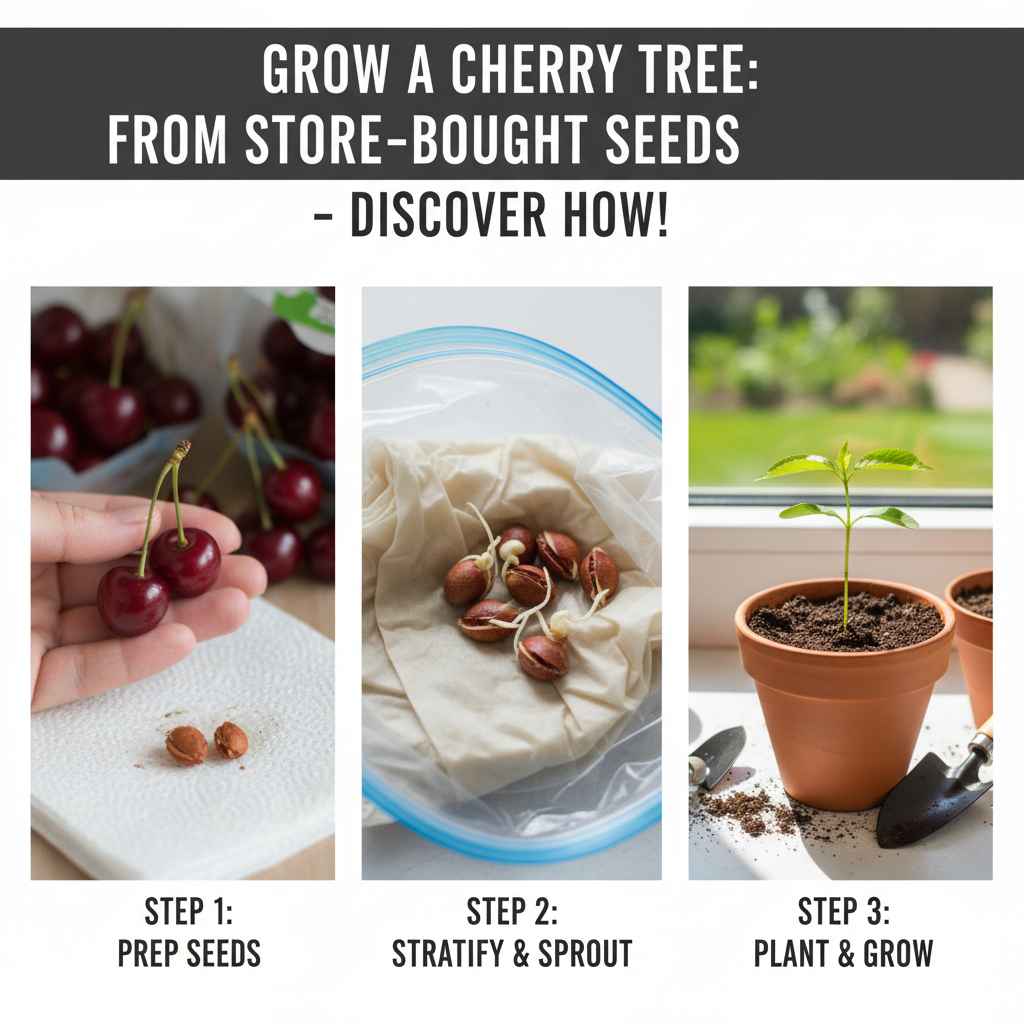
Clean the pit, cold-stratify it in a damp paper towel in the fridge for 8–12 weeks, then plant it about 1 inch deep in well-drained soil. It should sprout within a few weeks of planting. The tree that results usually needs 7–10 years to fruit and, because seed-grown cherries don’t breed true, may not taste like the cherry you started with.
Will It Actually Work? The Honest Answer
Best Cherry-Seed Starter Pick
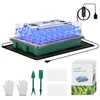
BlumWay 40-Cell Seed Starter Tray with Grow Light & Heat Mat
A humidity-domed tray with a built-in heat mat and grow light — useful once stratified pits are planted indoors, since bottom heat and steady moisture speed up germination.
- Best for: starting several pits indoors under controlled warmth and light
- Why we picked it: combines the tray, dome, heat mat, and light this project actually needs in one kit
- Main drawback: the grow light only reaches seedling stage — you’ll still need a sunny spot once it outgrows the tray
Compare more soil & germination testing options
 Option 1 SONKIR 3-in-1 Soil pH Meter
|
 Option 2 YAMRON 4-in-1 Digital Soil Meter
|
 Option 3 Buladeke 7-in-1 Soil Tester Kit
|
As an Amazon Associate we earn from qualifying purchases.
Growing a cherry tree from a grocery-store pit is a real, well-documented project — but it comes with two catches most quick guides skip. First, almost all commercial cherries are picked from grafted trees pollinated by a different variety, so the pit inside is a genetic cross of two parents. The seedling that grows from it can differ from the original fruit in taste, size, bloom time, and vigor — it will not grow “true to type.”
Second, timeline matters. Grafted nursery trees (the kind sold at garden centers) typically start fruiting in 3 to 5 years because they’re cuttings from an already-mature tree. A tree grown from seed has to mature from scratch, which is why it usually takes 7 to 10 years to produce its first cherries — sometimes longer. Neither of these facts makes the project not worth doing; it’s a legitimate, low-cost way to grow an ornamental or shade tree with cherry blossoms and fruit. It just isn’t a shortcut to a specific variety you liked at the store.
Choosing the Right Cherry Variety
Sweet cherries (Prunus avium) are the eating type sold fresh in stores. Sour or tart cherries (Prunus cerasus) are more cold-hardy and mostly used for baking and juice. Sweet cherry pits generally come from warmer-climate fruit and need a longer, milder growing season; sour cherry pits tolerate colder winters better. Whichever type you start with, check your USDA hardiness zone before committing — a tree that survives your winters matters more than the pit’s origin. Browse our full cherry tree guide collection for climate-specific growing advice by state.
Organic, fully ripe cherries give better odds of a viable pit than early-harvest or heavily processed fruit, since some commercial handling can reduce germination rates. There’s no way to identify the exact cultivar from a bag of grocery-store cherries, so treat variety selection as “sweet vs. sour,” not brand-name precision.
How to Prepare Cherry Pits for Planting
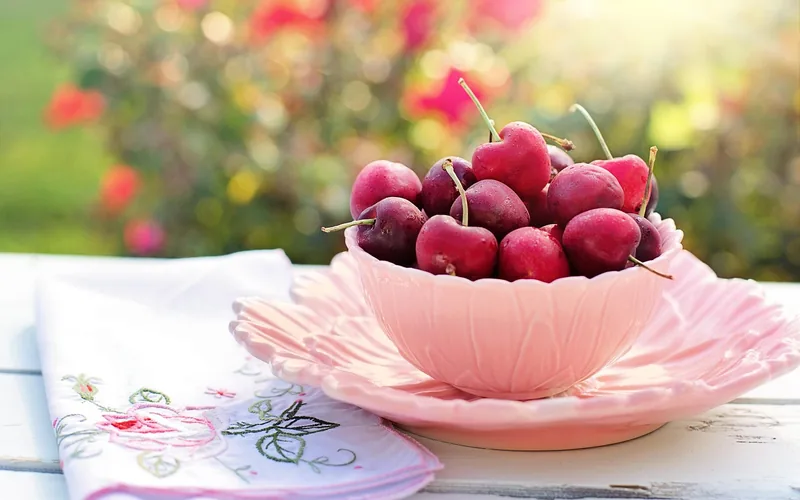
- Eat the cherries and save the pits: bite or cut around the pit rather than chewing through it, which can crack the seed inside.
- Clean off all fruit flesh: rinse and gently scrub the pits under running water so no sugar or pulp is left, which invites mold during stratification.
- Test viability by soaking: drop the cleaned pits in a bowl of water for a couple of hours. Pits that float are usually hollow or non-viable — discard them and keep the ones that sink.
- Air-dry briefly: spread the sinking pits on a paper towel in a warm, shaded spot for 3 to 5 days. This firms up the outer shell before cold storage; don’t let them dry out for weeks, which can kill the seed inside.
Cold Stratification: Giving the Pit Its Fake Winter
Cherry pits are dormant seeds that need a cold, moist period before they’ll germinate — a process called cold stratification that mimics winter. Wrap the dried pits in a damp (not soaking) paper towel, seal them in a plastic bag or foil, and refrigerate at 34–41°F. Most sources put the minimum at 8 to 12 weeks; sour cherry pits can need up to 12–14 weeks. Sprinkling a little cinnamon on the paper towel helps suppress mold during the long refrigeration.
Check the bag every 1–2 weeks. Re-moisten the towel if it’s drying out, and discard any pit that turns soft or visibly moldy. A pit is ready to plant once you see a tiny root tip (radicle) emerging, or once the full stratification period has passed even without visible sprouting.
Do Cherry Trees Need a Second Tree to Pollinate?
Often, yes — and it’s worth planning for before you plant. According to Iowa State University Extension and Outreach, most sweet cherry varieties are self-unfruitful and need a second, genetically different sweet cherry tree nearby to set fruit, with only a couple of exceptions (BlackGold and WhiteGold) bred to self-pollinate. Sour or tart cherries are the opposite — a single tree is self-fruitful and will produce on its own.
Since a seed-grown pit is genetically unpredictable, you won’t know until it flowers whether it behaves as a sweet or tart type, or whether it’s self-fruitful. If yard space allows, growing two seedlings from different batches of pits improves your odds of eventually getting fruit. For more detail on spacing and cross-pollination, see our guide on whether cherry trees are self-pollinating.
Planting Cherry Seeds
After stratification, let the pits sit at room temperature for a day, then plant about 1 inch deep in a small pot of well-drained potting mix, or directly in the ground once your last frost has passed. Cherry trees need full sun — at least 6 hours a day — and enough space to eventually reach 15–35 feet tall and wide, depending on variety, so keep them well clear of structures.
Soil should be rich, well-drained, and slightly acidic to neutral — a pH between 6.0 and 6.8 is ideal. Standing water around the roots is one of the most common causes of failure, so avoid low spots that stay wet after rain. Work compost into the planting hole to improve both drainage and fertility.
Caring for a Young Cherry Tree
Water once a week, deeply enough to moisten the root zone, and let the top inch of soil dry out between waterings — overwatering is harder on a young cherry tree than underwatering. Feed with a balanced fertilizer in spring and early summer following the label rate; overfeeding pushes soft, disease-prone growth.
Inspect leaves and trunk regularly for pests and treat early with the least aggressive method that works. Once the tree fruits, bird netting is close to essential — birds will strip a small tree of ripe cherries within days if left unprotected.
Common Problems When Growing Cherry Trees From Seed
Cherry trees are prone to a handful of recurring diseases: cherry leaf spot (causes early leaf drop), brown rot (rots developing fruit), and powdery mildew (a white coating on leaves that weakens the tree). Good airflow, prompt cleanup of fallen leaves and fruit, and targeted fungicide only when needed keep most of these manageable on a home tree.
Weather is the other major risk factor. Late frost can kill blossoms before they set fruit, prolonged heat dries out young roots faster than they can recover, and strong wind or heavy, wet snow can snap young branches. Covering a young tree during a late-spring frost and keeping it consistently watered through summer heat prevents most weather-related losses.
How Long Until You Get Cherries?
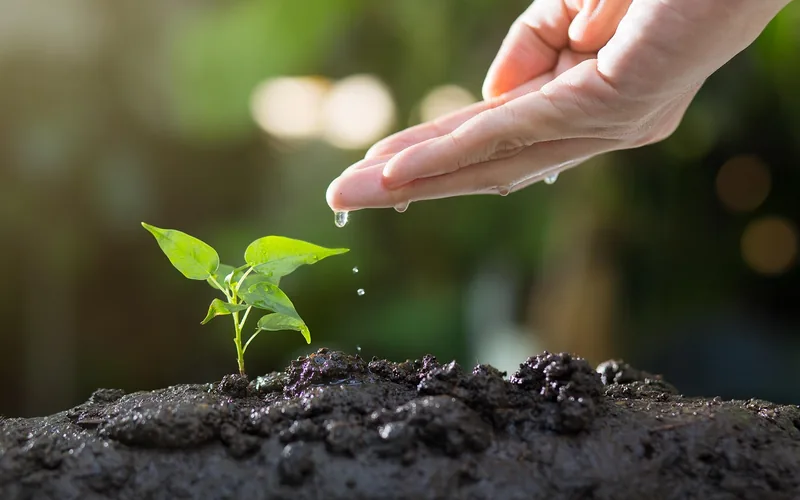
Realistically, budget 7 to 10 years from planting to first fruit for a seed-grown cherry tree — noticeably longer than the 3 to 5 years typical of a grafted nursery tree, because a seedling has to build a mature root and branch structure from nothing. Germination itself is much faster: a properly stratified pit usually sprouts within a few weeks of planting, and grows into a small sapling within its first year. For a closer look at what drives that timeline, see our guide on how long cherry trees take to produce fruit.
Flowering typically begins once the tree reaches a mature size and enough winter chill hours have accumulated, usually in spring. Bees and other pollinators handle fertilization outdoors; green fruit follows a few weeks after bloom and ripens to full color over the following weeks. If space is limited, a dwarf variety grown in a container is a realistic alternative to an in-ground planting.
Frequently Asked Questions
Can you really grow cherries from grocery store cherries?
Yes. Clean the pit, cold-stratify it in the fridge for 8 to 12 weeks, then plant it about an inch deep in moist, well-drained soil. Germination itself typically takes a few weeks once planted. The tree that results is genetically different from the parent fruit and usually needs 7 to 10 years to bear its own cherries.
Do you have to dry cherry pits before planting?
A brief 3-to-5-day air-dry after cleaning is commonly recommended before cold stratification — it firms up the outer shell. Don’t extend this beyond about a week; letting pits dry out for weeks reduces viability rather than improving it, since the seed inside can die if it loses too much moisture.
Will a tree grown from a cherry pit taste like the cherry I ate?
Not necessarily. Store-bought cherries come from grafted trees cross-pollinated with a different variety, so the pit carries a mix of two parents’ genetics. The resulting tree can differ in fruit flavor, size, bloom time, and overall vigor from the cherry the pit came from.
Do cherry trees grown from seed need a second tree to fruit?
Often yes. Most sweet cherry varieties can’t pollinate themselves and need a second, genetically distinct sweet cherry tree nearby to set fruit. Sour or tart cherries are typically self-fruitful and can produce on a single tree. Because a seed-grown tree’s type isn’t known in advance, planting two seedlings improves the odds of getting fruit at all.
How long does it take a cherry seed to sprout?
After 8 to 12 weeks of cold stratification and planting, most viable pits sprout within a few weeks. That’s separate from fruiting time — sprouting is fast; reaching a mature, fruit-bearing tree from seed takes 7 to 10 years.
Conclusion
Growing a cherry tree from a store-bought pit is a genuinely fun, low-cost project — clean the pit, cold-stratify it for 8 to 12 weeks, plant it about an inch deep, and give it full sun and well-drained soil. Just go in with realistic expectations: the tree won’t be an exact copy of the fruit it came from, it may need a second tree nearby to fruit at all, and first cherries are typically 7 to 10 years away. Treat it as growing a tree, not shortcutting to a harvest, and it’s a rewarding way to turn kitchen scraps into a real landscape planting.
Sponsored / affiliate links. As an Amazon Associate I earn from qualifying purchases. I may earn additional commission from eligible campaigns.