
Are Cherry Blossoms Poisonous To Humans Truth?
You’ve seen the breathtaking pictures, the delicate pink and white blooms carpeting parks and streets. It’s easy to feel drawn to their beauty, perhaps even to taste a petal or two. But before you get too close, a nagging question might surface: Are cherry blossoms poisonous to humans? This post will settle that curiosity, giving you clear answers so you can enjoy their beauty safely.
You’ll learn what parts are safe, what to avoid, and what truly makes them a wonder of nature, not a threat.
Cherry Blossoms Understanding Their Nature
Cherry blossoms, or sakura, are a symbol of spring’s arrival in many cultures. Their fleeting beauty captures the imagination, and the anticipation of their bloom is a significant event. Many people associate these flowers with Japan, but they are found in various parts of the world.
The appeal of cherry blossoms goes beyond their visual charm; they are deeply ingrained in cultural traditions, often celebrated with festivals and gatherings. However, when enjoying the spectacle, questions about safety can arise, especially concerning potential toxicity. This is especially true for those with young children or pets who might be curious explorers of their surroundings.
The Truth About Cherry Blossom Toxicity
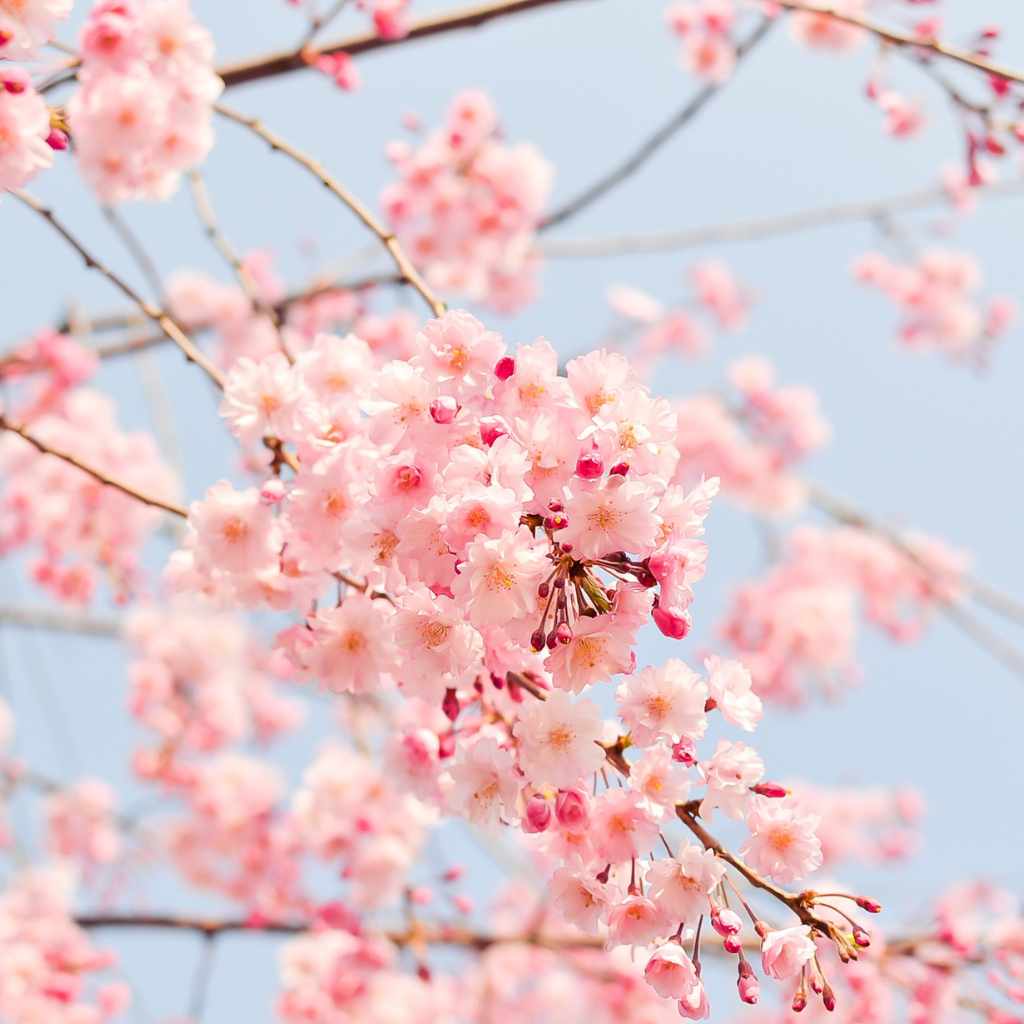
The short answer to whether cherry blossoms are poisonous to humans is generally no, with important distinctions. The petals and the flowers themselves are not considered toxic. In fact, in some cultures, they are used in culinary applications, often preserved in salt to make sakura tea or incorporated into sweets.
These uses highlight that the blossom itself is not inherently harmful when consumed in moderation and prepared properly.
However, it’s crucial to understand that not all parts of the cherry tree are safe. The seeds, stems, leaves, and bark of cherry trees contain compounds called cyanogenic glycosides. When these parts are damaged or ingested, these compounds can release cyanide, a highly toxic substance.
This is a common defense mechanism in many plants within the Prunus genus, which includes not only cherry trees but also plums, peaches, apricots, and almonds. The concentration of these toxic compounds varies depending on the specific species and part of the plant, but it’s a significant factor to consider.
Understanding Cyanogenic Glycosides
Cyanogenic glycosides are naturally occurring compounds that, upon breakdown, produce hydrogen cyanide. This chemical is a potent poison that interferes with cellular respiration, meaning it prevents cells from using oxygen. Ingesting a significant amount of plant material containing these glycosides can lead to severe poisoning symptoms, ranging from dizziness and headaches to difficulty breathing, seizures, and even death in extreme cases.
The process that releases cyanide from cyanogenic glycosides typically involves enzymatic activity. When the plant tissue is crushed, chewed, or digested, enzymes within the plant come into contact with the glycosides, breaking them down and releasing hydrogen cyanide gas. This is why consuming raw, damaged leaves or seeds poses a greater risk than eating a whole, intact fruit or flower.
The body can metabolize small amounts of cyanide, but larger doses overwhelm the system.
Which Parts of the Cherry Tree Are Risky
To be clear, the beautiful petals that fall like snow during the blooming season are not the problematic parts. The primary concern lies with:
- Seeds: The pits of cherries, like those of other stone fruits, contain high levels of cyanogenic glycosides. Chewing or crushing these pits and ingesting them can be dangerous.
- Leaves: Cherry leaves, especially when wilted or damaged, can also contain these toxic compounds. While accidental ingestion of a few leaves is unlikely to cause severe harm to an adult, it’s a risk to be aware of, particularly for children and pets.
- Bark and Stems: These parts of the tree also contain cyanogenic glycosides and should not be consumed.
The ripe cherry fruit itself, once the pit is removed, is generally safe to eat and is a popular delicacy. The toxicity is concentrated in the parts that protect the seed and the plant’s structural components, not the part designed for reproduction and dispersal. This is a common pattern in the plant kingdom, where certain parts are protected for survival.
Culinary Uses of Cherry Blossoms
Despite the presence of toxic compounds in other parts of the tree, cherry blossoms have a place in traditional Japanese cuisine. They are often preserved in salt and vinegar, a process that helps to stabilize the compounds and can neutralize potential toxins. These preserved blossoms are then used to flavor various dishes and drinks.
Sakura tea (sakurayu) is a popular beverage made by steeping preserved cherry blossoms in hot water. The salt used in preservation brings out a unique, slightly salty and floral aroma. Another common use is in wagashi, traditional Japanese sweets.
The blossoms can be incorporated into mochi, cookies, or other confections, adding a subtle floral note and visual appeal. It’s important to remember that these culinary uses involve specific preparation methods and often the use of specially cultivated edible cherry blossom varieties.
What About Cherry Blossom Extract or Perfume
When we talk about cherry blossoms, it’s often in the context of their scent or as an aesthetic element. Products like cherry blossom perfumes, lotions, or even essential oils typically use extracts or synthetic fragrances that mimic the scent. These products are designed for external use and do not pose a toxicity risk.
The actual compounds that might cause concern in the plant are generally not extracted or are present in such minute quantities in these consumer goods that they are considered safe for their intended purpose.
The danger arises from direct ingestion of the plant material, particularly the seeds and leaves. The concentration of harmful substances in a drop of perfume or a lotion is negligible compared to consuming the plant parts themselves.
Children and Pets Safety
The concern for children and pets is paramount. Young children are naturally curious and may put things they find in their mouths. Similarly, pets, especially dogs and cats, might chew on fallen leaves or twigs they encounter in the garden.
Because the seeds and leaves can be toxic, it’s wise to supervise children and pets when they are playing in areas with cherry trees, particularly during times when leaves or fallen branches might be accessible.
If you suspect your child or pet has ingested a part of the cherry tree that could be toxic, especially the seeds or a significant amount of leaves, it’s best to contact a poison control center or your veterinarian immediately. They can provide guidance based on the amount ingested and the specific type of cherry tree.
Symptoms of Cyanide Poisoning
Recognizing the signs of cyanide poisoning can be vital. Symptoms can appear quickly after ingestion and may include:
- Headache
- Dizziness
- Nausea and vomiting
- Rapid breathing and heart rate
- Weakness
- Confusion
- In severe cases, convulsions, coma, and respiratory arrest
It’s important to note that these symptoms can be indicative of many other conditions, so prompt medical attention is always recommended if you have concerns.
Distinguishing Edible vs. Ornamental Cherries
Many ornamental cherry trees are specifically cultivated for their beautiful blooms and are not intended for fruit production. These ornamental varieties can still possess toxic compounds in their leaves and seeds. Even if you are familiar with eating cherries from a fruit-bearing tree, it’s essential to be cautious with ornamental varieties.
The genetic makeup and purpose of the tree influence the distribution and concentration of certain compounds.
For any consumption, it is always best to identify the specific species and consult reliable sources about its edibility. If in doubt, it’s safest to admire the blossoms from a distance and avoid ingesting any part of the plant.
Frequently Asked Questions
Question: Are cherry blossom petals safe to eat?
Answer: Yes, cherry blossom petals are generally considered safe to eat, especially when prepared traditionally, such as being preserved in salt for tea or used in sweets. However, it is always best to ensure they are from a known edible variety and prepared correctly.
Question: Can I make tea from cherry blossom leaves?
Answer: It is not recommended to make tea from cherry blossom leaves. The leaves can contain cyanogenic glycosides, which can release cyanide when ingested, making them potentially toxic.
Question: What should I do if my child eats a cherry pit?
Answer: If your child ingests a cherry pit, remain calm. While one pit is unlikely to cause severe harm, it’s advisable to contact your local poison control center or seek medical advice to assess the situation and receive specific guidance.
Question: Are all cherry trees poisonous?
Answer: Not all parts of all cherry trees are poisonous. The fruit flesh is generally safe to eat, and the petals are often used in culinary ways. However, the seeds, leaves, bark, and stems of most cherry trees contain toxic compounds that can be harmful.
Question: Can I use cherry blossom extracts in cooking?
Answer: Cherry blossom extracts used in cooking, like those preserved in salt, are typically prepared through specific methods designed to make them safe for consumption. It’s crucial to use extracts specifically intended for culinary purposes and follow preparation instructions.
Final Thoughts
The allure of cherry blossoms is undeniable, and knowing Are Cherry Blossoms Poisonous to Humans? Truth offers peace of mind. It’s clear that while the petals themselves are safe and even cherished in certain traditions, the other parts of the cherry tree, particularly the seeds, leaves, and bark, do contain toxic compounds.
This distinction is key to enjoying these beautiful blooms responsibly. Children and pets require extra vigilance to prevent accidental ingestion of these riskier parts. When in doubt about consumption, always err on the side of caution and stick to admiring the visual splendor.
Understanding these plant characteristics allows us to appreciate nature’s wonders without posing unnecessary risks, ensuring that spring celebrations remain joyful and safe for everyone.