Are Cherry Trees Self-Pollinating Grower Answers
Picture this: you’ve finally planted that beautiful cherry tree you’ve always dreamed of, envisioning baskets of sweet, juicy cherries. Then a question pops into your head, a quiet worry that could affect your entire harvest. You wonder, are cherry trees self-pollinating?
This post will give you the direct answers from grower experience, covering exactly what you need to know to ensure a bountiful yield. By the end, you’ll feel confident in your cherry tree choices and care.
Are Cherry Trees Self-Pollinating Grower Answers
For anyone dreaming of fresh cherries from their backyard, the question of pollination is a primary concern. Many fruit trees require a partner, another tree of a different variety, to produce fruit. This leads many home gardeners to ask, are cherry trees self-pollinating?
The answer isn’t a simple yes or no; it depends heavily on the type of cherry tree you have. Understanding this fundamental aspect of cherry tree biology is key to a successful harvest. Growers know that making the right choices from the start, or understanding the needs of existing trees, can make all the difference between a tree laden with fruit and one that produces very little.
The Basics of Cherry Tree Pollination
Pollination is the process where pollen is transferred from the male part of a flower (anther) to the female part of a flower (stigma). For most fruit trees, including many cherry varieties, this transfer needs to happen between different trees for fertilization to occur and fruit to develop. However, some plants have evolved to be self-pollinating, meaning they can fertilize themselves using their own pollen.
This trait is highly desirable for gardeners with limited space, as it means you only need to plant one tree to get fruit.
Sweet Cherries vs. Tart Cherries
When discussing cherry pollination, it’s essential to differentiate between sweet cherries and tart (or sour) cherries. This distinction is the most significant factor in determining if a cherry tree is self-pollinating. Most sweet cherry varieties are not self-pollinating.
They are what growers call “cross-pollinating,” meaning they require pollen from a different, compatible sweet cherry variety to produce fruit. Tart cherries, on the other hand, are generally self-pollinating. This makes them a popular choice for home gardeners who don’t want to plant multiple trees.
Sweet Cherry Pollination Needs
Sweet cherries, like Bing, Rainier, or Chelan, typically belong to self-incompatible groups. This means that pollen from the same tree cannot fertilize its own flowers. For a sweet cherry tree to bear fruit, there must be another compatible sweet cherry tree nearby that blooms at the same time.
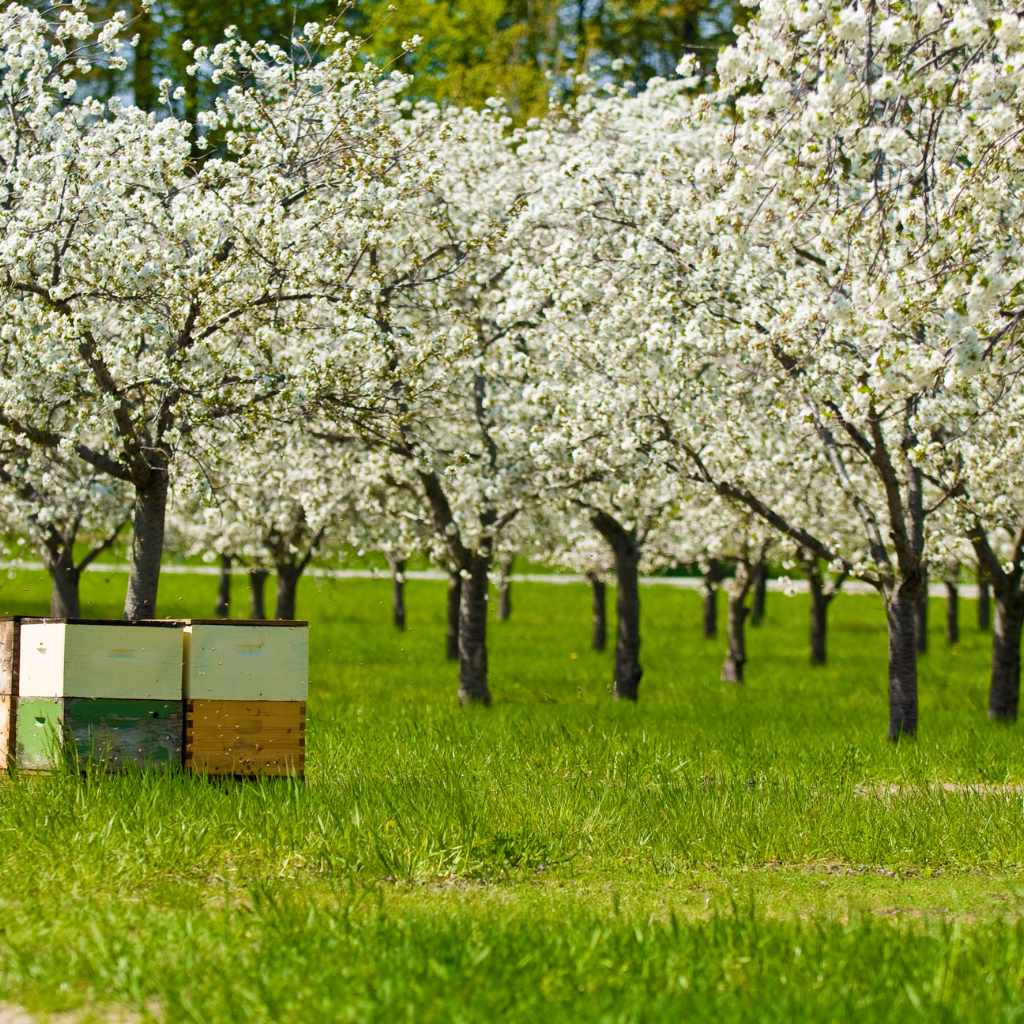
The distance can be a factor, but generally, within a reasonable orchard distance (often up to 50-100 feet, though closer is better), pollination can occur. The bees, the primary pollinators, carry the pollen from one tree to another.
Finding compatible pollinator varieties is crucial for sweet cherries. Growers often recommend specific pairings that are known to cross-pollinate effectively. For instance, a ‘Bing’ cherry tree might need a ‘Rainier’ or ‘Van’ tree nearby for pollination.
It’s not just any other cherry tree; it needs to be a compatible variety that flowers during the same window. If you’re planting a sweet cherry tree, it’s a good idea to research its pollination group and select a pollinator from the same or an adjacent group.
Tart Cherry Pollination Needs
Tart cherries, such as ‘Montmorency’ or ‘Morello’, are usually self-fertile. This means they can pollinate their own flowers and produce fruit without the need for a second tree. This makes them an excellent option for smaller gardens or for gardeners who want to minimize the number of trees they need to manage.
If you’re wondering are cherry trees self-pollinating and you’re looking at tart varieties, the answer is very likely yes.
Even though tart cherries are self-pollinating, having other flowering plants and a healthy bee population nearby can still boost fruit production. Bees are essential for efficient pollination, even for self-fertile trees. While a single tart cherry tree will produce fruit on its own, a more robust pollination process can lead to a heavier crop.
Identifying Your Cherry Tree Variety
The first step to answering are cherry trees self-pollinating for your specific situation is to identify your tree’s variety. If you purchased the tree, the tag should have this information. If you inherited the tree or can’t find the tag, there are a few ways to get clues.
Sweet cherries tend to have lighter-colored, larger fruit, often with a heart shape. Tart cherries are typically smaller, darker red, and have a more intensely sour flavor that makes them ideal for baking and preserves. You can also consult with local nurseries or agricultural extension offices if you need help identifying an unknown variety.
Pollination Partners and Their Importance
For sweet cherry growers, selecting the right pollination partner is paramount. Here’s what you should consider:
- Bloom Time: The pollinator must bloom at the same time as the main tree for pollen transfer to occur. Most cherry varieties are categorized into pollination groups based on their bloom times.
- Compatibility: Not all cherry varieties are compatible pollinators for each other. Some combinations simply don’t work, even if they bloom at the same time.
- Variety Choice: Popular sweet cherry varieties often have recommended pollinators. For example, ‘Bing’ is often paired with ‘Van’ or ‘Latham’.
A common mistake is assuming any cherry tree will do as a pollinator. This is rarely the case for sweet cherries. If you have a sweet cherry tree and are not getting fruit, a lack of a compatible pollinator is the most probable cause.
Factors Affecting Pollination Success
Even if you have the right trees in place, several factors can impact pollination success. Growers are keenly aware of these environmental influences:
- Weather During Bloom: Cool, rainy, or windy weather during the blooming period can significantly reduce bee activity and hinder pollen transfer. Bees prefer warmer, calmer days to forage.
- Pesticide Use: Applying pesticides, especially insecticides, during the blooming period can harm or kill the bees and other beneficial insects that are vital for pollination. It’s best to avoid spraying when trees are in bloom.
- Nutrient Status of Trees: Healthy trees with good nutrition tend to produce more flowers and a stronger bloom, which can lead to better pollination.
- Pollinator Activity: The abundance and health of local bee populations play a massive role. Encouraging bees by planting other flowering plants and providing water sources can help.
What About Dwarf Cherry Trees?
The pollination requirements for dwarf cherry trees are generally the same as their full-sized counterparts. A dwarf ‘Bing’ sweet cherry tree will still need a compatible sweet cherry pollinator, while a dwarf ‘Montmorency’ tart cherry tree will likely be self-pollinating. The dwarfing rootstock affects the tree’s size and vigor, not its fundamental reproductive biology.
So, when considering dwarf varieties, always refer back to whether they are sweet or tart and their specific variety needs.
Can One Tree Be Both Sweet and Tart?
This is an interesting question that sometimes arises. Generally, a single cherry tree is either a sweet cherry or a tart cherry. However, there are some specialized grafting techniques where different varieties can be grafted onto the same rootstock.
In such a “fruit salad” tree, you might have branches of both sweet and tart cherries. In this scenario, the tart cherry branches would likely be self-pollinating, and the sweet cherry branches would still require a compatible pollinator from another tree. The pollination needs of each grafted variety remain independent.
What Happens If My Cherry Tree Isn’t Producing Fruit?
If you have a cherry tree that isn’t producing fruit, and you’ve ruled out disease or pest issues, the most common reasons are related to pollination.
- For Sweet Cherries: The primary suspect is a lack of a compatible pollinator. You might need to plant a second, compatible variety.
- For Tart Cherries: While generally self-fertile, poor fruit set could be due to adverse weather during bloom, lack of bee activity, or issues with the tree’s health.
Before assuming the worst, observe your tree during its flowering period. Are there bees present? Is the weather cooperative?
If you have a sweet cherry and no fruit after several years, consider adding a pollinator. If you have a tart cherry and no fruit, investigate environmental factors or tree health.
Frequently Asked Questions
Question: Are all cherry trees self-pollinating?
Answer: No, not all cherry trees are self-pollinating. Tart cherry varieties are generally self-fertile, but most sweet cherry varieties require a compatible pollinator from a different variety to produce fruit.
Question: How do I know if my cherry tree needs a pollinator?
Answer: If you have a sweet cherry variety, it almost certainly needs a pollinator. If you have a tart cherry variety, it is likely self-pollinating. Checking the specific variety’s characteristics is the best way to confirm.
Question: What is the best pollinator for a ‘Bing’ cherry tree?
Answer: Good pollinators for ‘Bing’ sweet cherries include ‘Van’, ‘Latham’, ‘Lambert’, and ‘Corum’. These varieties typically bloom around the same time as ‘Bing’ and are compatible.
Question: Can I plant two sweet cherry trees for pollination if they are different varieties?
Answer: Yes, planting two different varieties of sweet cherries can work, as long as they are compatible and bloom at the same time. Choosing varieties from the same or adjacent pollination groups is recommended.
Question: Will my tart cherry tree produce fruit if I only plant one?
Answer: Yes, tart cherry trees are typically self-pollinating, so a single tree will produce fruit on its own. However, a healthy bee population can still enhance fruit set.
Final Thoughts
Deciding whether to plant one or more cherry trees comes down to understanding the specific needs of the varieties you choose. For those who dream of enjoying a harvest from their own backyard, knowing that most tart cherry trees are self-pollinating offers a straightforward path to fruit. If your heart is set on the delicate sweetness of dessert cherries, you’ll want to plan for cross-pollination by selecting compatible varieties.
Paying attention to bloom times and ensuring a healthy environment for pollinators like bees will further support a fruitful outcome for any cherry tree. By taking these factors into account, you can confidently select and care for cherry trees that will reward you with delicious fruit for years to come.