Are Japanese Maples Always Red Full Guide
Lots of people wonder, “Are Japanese Maples Always Red? Full Guide” because they see those gorgeous red trees and assume all of them look that way. It’s a common question for anyone starting their garden.
But don’t worry, it’s not as tricky as it sounds! This guide will make it super simple to figure out. We’ll walk you through everything step-by-step.
Get ready to learn all about these beautiful trees!
Understanding Japanese Maple Colors
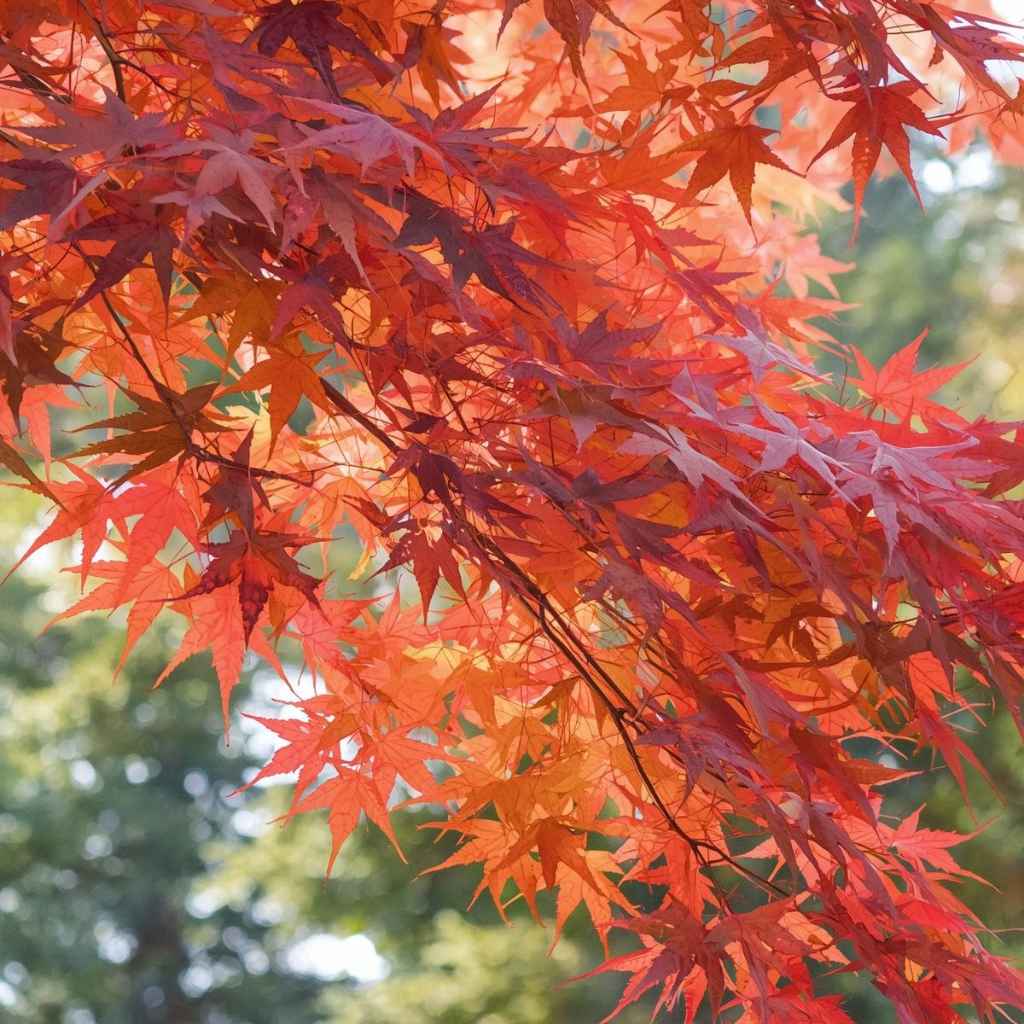
Japanese maples are famous for their stunning foliage. Many people picture them as being bright red, but that’s just one part of their story. The truth is, Japanese maples come in a wide spectrum of colors, and not all of them are red.
Their colors can change throughout the seasons, adding to their appeal. Learning about these color variations helps you choose the perfect tree for your yard and appreciate its beauty year-round.
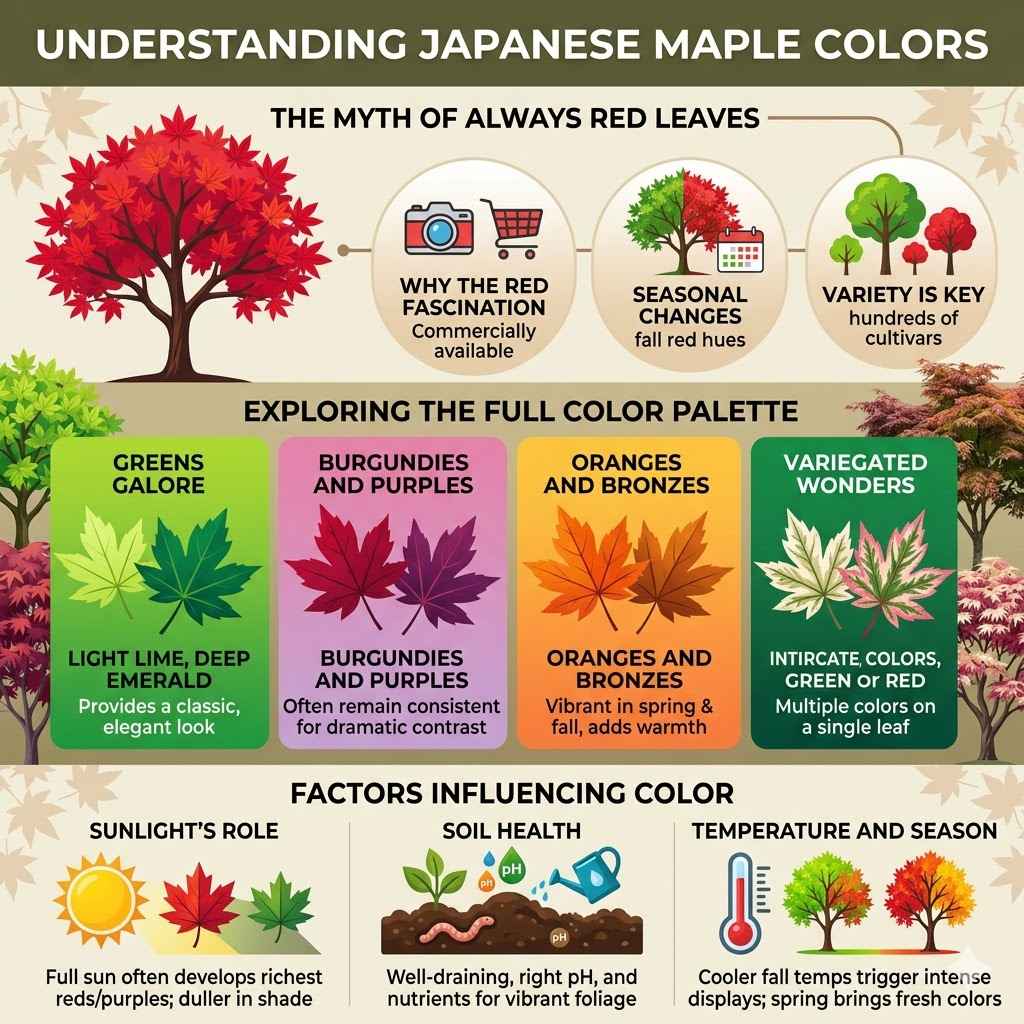
The Myth of Always Red Leaves
It’s easy to get the impression that all Japanese maples are red. This often comes from seeing the most popular varieties, especially in the fall. Many of these trees have vibrant red leaves that really stand out.
However, this is a generalization. The reality is much more diverse. Understanding this myth helps set the stage for exploring the true range of colors these trees offer.
- Why the Red Fascination: The most commercially available and widely photographed Japanese maples often display brilliant red foliage, especially during autumn. This has created a strong association in the public mind.
- Seasonal Changes: Even trees that aren’t primarily red can develop red hues during the fall. This seasonal color change adds to the confusion, as a tree might show red for a few weeks even if its main color is green or purple.
- Variety is Key: There are hundreds of Japanese maple cultivars, each with unique characteristics. Limiting your view to just red overlooks the beauty of green, variegated, bronze, and even orange-colored varieties.
Exploring the Full Color Palette
Japanese maples offer a delightful array of colors beyond just red. You’ll find trees with leaves that are bright green, deep burgundy, vibrant orange, and even some with beautiful variegation, meaning they have multiple colors on a single leaf. This diversity means you can find a Japanese maple to complement any garden design or personal preference.
- Greens Galore: Many Japanese maples boast beautiful shades of green leaves. These can range from a light, almost lime green to a deep, rich emerald. They provide a classic, elegant look.
- Burgundies and Purples: Some of the most striking varieties have leaves that are a deep red or purple color. These hues often remain consistent throughout the growing season, offering a dramatic contrast in the landscape.
- Oranges and Bronzes: Certain cultivars show off stunning shades of orange and bronze. These colors can be particularly vibrant in the spring and fall, adding warmth to the garden.
- Variegated Wonders: A special group of Japanese maples features variegated leaves. These leaves have patterns of white, cream, or pink mixed with green or red, creating intricate and eye-catching designs.
Factors Influencing Color
The color of a Japanese maple’s leaves isn’t just down to the variety. Several environmental factors can play a big role. Sunlight, soil conditions, and the time of year all influence how vibrant and what shade of color your tree displays.
Understanding these influences helps you keep your maple looking its best and appreciate the natural variations.
- Sunlight’s Role: The amount of sun a Japanese maple receives is crucial. Many varieties with red or purple leaves need full sun to develop their richest colors. In too much shade, their colors might appear duller or even revert to green.
- Soil Health: Well-draining soil is essential for healthy Japanese maples. Soil pH can also subtly affect leaf color. While they are adaptable, providing the right soil helps them absorb nutrients that contribute to vibrant foliage.
- Temperature and Season: As mentioned, the changing seasons bring out the best in many Japanese maples. Cooler temperatures in the fall often trigger a more intense display of reds, oranges, and yellows. Spring can also bring bright, fresh colors.
Popular Japanese Maple Varieties and Their Colors
When you’re looking at Japanese maples, you’ll see many different names. Each name refers to a specific variety, or cultivar, that has been developed for certain traits, especially its leaf color and shape. Learning about a few popular ones can give you a great idea of the range available and help you decide which might be right for your garden.
We’ll look at some common examples and what makes them special.
The Iconic ‘Bloodgood’
‘Bloodgood’ is one of the most well-known Japanese maple cultivars. It’s celebrated for its deep, rich red foliage that it maintains throughout the summer. In the fall, these leaves turn an even more brilliant scarlet.
This variety is quite hardy and grows into a good-sized tree, making it a popular choice for many landscapes. Its consistent color makes it a reliable performer if you’re looking for a red Japanese maple.
- Leaf Color: Deep red to burgundy, turning to scarlet in fall.
- Growth Habit: Upright, spreading tree with a rounded crown.
- Sunlight Needs: Prefers full sun to partial shade. Full sun helps maintain the deepest red color.
- Mature Size: Can reach heights of 20-25 feet with a similar spread.
Delicate ‘Crimson Queen’
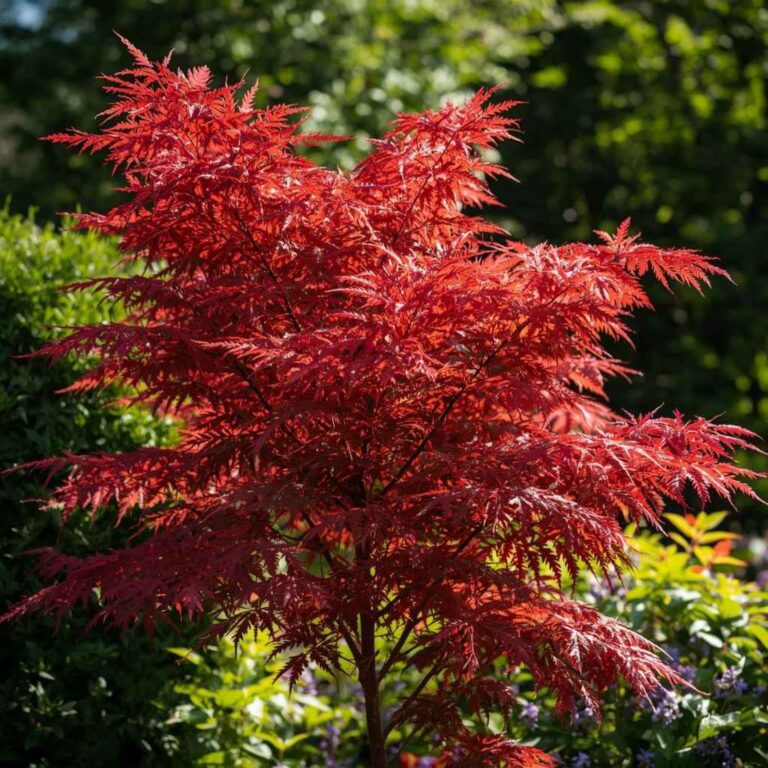
‘Crimson Queen’ is a stunning laceleaf Japanese maple. Its leaves are deeply dissected, giving them a fine, delicate appearance, hence the “laceleaf” name. The color is a vibrant crimson that holds well through the summer, often with fiery red fall color.
This variety tends to be smaller and more weeping than ‘Bloodgood’, making it ideal for smaller gardens or as a specimen plant.
- Leaf Color: Bright crimson red, often with a lighter edge.
- Growth Habit: Cascading, weeping form with finely cut leaves.
- Sunlight Needs: Best in partial shade, especially in hot climates, to prevent leaf scorch.
- Mature Size: Typically grows to about 6-10 feet in height and spread.
Striking ‘Orange Dream’
‘Orange Dream’ Japanese maple is famous for its unique and beautiful color. In the spring, its new leaves emerge a bright, almost fluorescent orange. As the season progresses, they transition to a lovely chartreuse green.
In the fall, this tree puts on another spectacular show with shades of yellow and orange. It’s a medium-sized tree with an upright growth habit and can add a burst of warm color to any garden.
- Leaf Color: Bright orange in spring, fading to chartreuse green, with yellow-orange fall color.
- Growth Habit: Upright, rounded form with distinctively shaped leaves.
- Sunlight Needs: Prefers partial shade to full sun. Protect from intense afternoon sun in hot regions.
- Mature Size: Reaches around 8-15 feet in height and width.
Elegant ‘Acer palmatum Sango-kaku’ Coral Bark
‘Sango-kaku’, also known as Coral Bark Japanese maple, is exceptional because its beauty isn’t limited to its leaves. While its spring and summer leaves are a fresh green, its real showstopper is its bark. In winter, the young branches and twigs turn a vibrant coral-red, providing a stunning visual interest when the tree is bare.
This makes it a fantastic specimen tree to enjoy throughout the year, especially during the colder months.
- Leaf Color: Green in spring and summer, turning yellow in fall.
- Growth Habit: Upright, vase-shaped tree.
- Bark Color: Striking coral-red on young branches, especially visible in winter.
- Sunlight Needs: Full sun to partial shade.
- Mature Size: Can grow to 15-25 feet tall.
Variegated Beauty ‘Shaina’
While not strictly variegated in the traditional sense, ‘Shaina’ is a dwarf Japanese maple that often displays a beautiful mix of colors. Its leaves are a deep crimson-red, but they can sometimes have lighter red or bronze edges, giving them a multi-toned appearance. ‘Shaina’ is a slow-growing, upright tree perfect for smaller spaces or containers.
It’s a great choice if you want a compact tree with rich, deep red foliage that holds its color well.
- Leaf Color: Deep red, sometimes with lighter red or bronze edges.
- Growth Habit: Dwarf, upright form with dense foliage.
- Sunlight Needs: Partial shade is ideal to maintain color and prevent scorching.
- Mature Size: Typically reaches 4-6 feet in height.
Caring for Your Japanese Maple
Once you’ve chosen your Japanese maple, taking care of it is key to enjoying its beauty. These trees are not overly demanding, but they do have specific needs to thrive. Providing the right conditions from the start will help your tree grow strong and display its colors vividly.
Let’s look at the essential care tips that will make a big difference.
Planting Your Japanese Maple
The location where you plant your Japanese maple is very important for its health and color. Most varieties prefer a spot that gets morning sun but is protected from the harsh afternoon sun, especially in hotter climates. This helps prevent their delicate leaves from getting scorched.
They also need well-draining soil, so avoid areas where water tends to pool. Good drainage is vital to prevent root rot.
- Location, Location, Location: Choose a spot with dappled shade or morning sun and afternoon shade. This mimics their native woodland environment.
- Soil Preparation: Amend the soil with compost to improve drainage and add nutrients. Japanese maples prefer slightly acidic soil.
- Planting Depth: Plant the tree at the same depth it was in its nursery pot. Planting too deep can suffocate the roots.
- Watering After Planting: Water thoroughly immediately after planting to settle the soil and reduce air pockets around the roots.
Watering and Mulching
Consistent watering is crucial, especially during the first year after planting while the tree establishes its root system. Water deeply whenever the top inch or two of soil feels dry. Avoid overwatering, as this can lead to root diseases.
Mulching around the base of the tree is highly recommended. A layer of organic mulch, like wood chips or shredded bark, helps retain soil moisture, keeps roots cool, and suppresses weeds.
- Watering Schedule: Check soil moisture regularly. Water deeply rather than frequent shallow sprinklings.
- Mulch Benefits: A 2-3 inch layer of mulch around the base, keeping it a few inches away from the trunk, conserves moisture and insulates roots.
- Seasonal Adjustments: Water more frequently during hot, dry periods and less during cooler, wetter months.
Pruning for Shape and Health
Pruning is an art with Japanese maples, mainly done to maintain their shape and remove any dead or damaged branches. The best time to prune is usually in late winter or early spring, before new growth begins, when the tree is dormant. This allows you to see the branch structure clearly.
Pruning during summer can be done to control size or shape, but it’s less critical than the dormant season prune.
- Timing is Everything: Late winter is the ideal time for major pruning to encourage new growth and shape. Light pruning can be done in summer to maintain shape.
- What to Remove: Focus on removing dead, damaged, or crossing branches. You can also thin out crowded areas to improve air circulation.
- Shaping Techniques: Prune to enhance the natural form of the tree, whether it’s upright, weeping, or cascading. Avoid excessive pruning, which can stress the tree.
Fertilizing Needs
Japanese maples are generally not heavy feeders. Over-fertilizing can actually be harmful, leading to excessive, weak growth and sometimes burnt leaf tips. If your soil is healthy and you’ve amended it with compost, you might not need to fertilize at all.
If you choose to fertilize, use a slow-release, balanced fertilizer designed for trees and shrubs in early spring. Follow the package instructions carefully.
- Less is More: Avoid frequent fertilization. Healthy soil often provides enough nutrients.
- When to Fertilize: If needed, fertilize in early spring as new growth begins.
- Type of Fertilizer: Use a balanced, slow-release fertilizer. An all-purpose 10-10-10 formula is often suitable.
- Application: Scatter fertilizer evenly around the drip line of the tree, not directly at the trunk, and water it in.
Troubleshooting Common Issues
Even with the best care, Japanese maples can sometimes encounter problems. Understanding these issues and how to address them can save your tree’s health and beauty. Most common problems are related to watering, pests, or environmental stress.
We’ll cover some of the most frequent challenges and simple solutions.
Leaf Scorch
Leaf scorch is a common problem, especially in hot, dry, or windy conditions. It appears as browning or drying of the leaf edges and tips. This happens when the tree loses water from its leaves faster than its roots can supply it.
Planting in the right location with some afternoon shade and ensuring adequate watering are the best preventative measures.
- Symptoms: Brown, dry, crispy leaf edges and tips.
- Causes: Insufficient watering, excessive heat, strong winds, and too much direct sun.
- Prevention: Plant in a location with afternoon shade, provide consistent watering, and use mulch.
- Treatment: While scorched leaves can’t be revived, the tree will likely produce new, healthy leaves if conditions improve. Prune off severely damaged leaves if desired.
Pest Problems
Japanese maples can sometimes be bothered by common garden pests like aphids, scale insects, or spider mites. These pests can weaken the tree and damage its leaves. Regularly inspecting your tree for signs of infestation is important.
Often, a strong blast of water from a hose can dislodge aphids. For more serious infestations, horticultural oils or insecticidal soaps can be effective, and are generally less harmful to beneficial insects.
- Common Pests: Aphids, scale, spider mites.
- Signs of Infestation: Sticky residue on leaves (honeydew from aphids), distorted leaves, tiny insects on new growth or undersides of leaves.
- Treatment: Blast with water, use insecticidal soap or horticultural oil. In severe cases, consult a local garden center for specific recommendations.
Root Rot
Root rot is a serious fungal disease that occurs when a tree’s roots sit in waterlogged soil. This often happens in poorly draining soil or when a tree is overwatered. Symptoms include yellowing leaves, wilting, and eventual dieback of branches.
The best way to prevent root rot is to ensure proper drainage when planting and avoid overwatering. If root rot is suspected, it’s crucial to address the soil conditions immediately.
- Cause: Fungi thriving in overly wet soil conditions.
- Symptoms: Yellowing leaves, wilting even when soil is moist, stunted growth, branch dieback.
- Prevention: Plant in well-draining soil, avoid planting in low spots where water collects, and do not overwater.
- Treatment: Improving soil drainage is critical. Fungicides may offer some help but are less effective if the drainage issue isn’t resolved.
Are Japanese Maples Always Red? Full Guide Recap
We’ve explored the beautiful world of Japanese maples and answered the common question: “Are Japanese Maples Always Red? Full Guide”. You now know that while many varieties are celebrated for their red foliage, they come in a stunning array of greens, oranges, and purples too.
Understanding their specific needs for planting, watering, and pruning will help you enjoy their changing colors throughout the seasons. With a little care, your Japanese maple will be a vibrant addition to your garden for years to come.
Frequently Asked Questions
Question: Do all Japanese maples have red leaves?
Answer: No, not all Japanese maples have red leaves. While many popular varieties are known for their red foliage, they also come in beautiful shades of green, orange, and purple, with some featuring variegated patterns.
Question: When is the best time to see the most vibrant colors on a Japanese maple?
Answer: The most vibrant colors are typically seen in the spring when new leaves emerge, and in the fall as the leaves change before dropping. Some red varieties maintain their color throughout the summer.
Question: Can I plant a Japanese maple in full sun?
Answer: Some varieties, like ‘Bloodgood’, can tolerate full sun, which can enhance their red color. However, many Japanese maples, especially those with delicate or variegated leaves, do best with some afternoon shade to prevent leaf scorch.
Question: How often should I water my Japanese maple?
Answer: Water your Japanese maple deeply whenever the top inch or two of soil feels dry. This is especially important during the first year after planting and during hot, dry weather. Avoid overwatering, as this can lead to root rot.
Question: Why are the edges of my Japanese maple leaves brown?
Answer: Brown leaf edges are usually a sign of leaf scorch. This is caused by a lack of moisture, excessive heat, strong winds, or too much direct sunlight, leading the tree to lose water faster than it can absorb it.
Conclusion
Japanese maples offer a spectacular diversity of colors far beyond just red. You’ve learned about their varied foliage, popular types, and essential care. By understanding their needs, you can ensure your tree thrives and showcases its unique beauty.
Enjoy the journey of watching your Japanese maple change with the seasons!