Alder vs Maple: 590 vs 1,450 Janka, Weight, Cost and Tone
Red alder is a soft, light hardwood (590 lbf Janka, about 28 lb/ft3); hard maple is about 2.5 times harder and 1.6 times heavier, but the right pick depends on the project. Alder suits guitar bodies and painted or stained furniture, while maple wins for necks, floors and cutting boards. This page compares real hardness, weight, cost and tone numbers. Building cabinet doors? See alder vs maple cabinets.
Alder vs Maple: The Numbers That Matter
Best Pick to Test Alder Yourself | |
 |
Alder 3/4″ x 2″ x 12″ Boards, 4 Pack (kiln dried, sanded, clear) Four small clear alder boards. Pair them with a maple scrap and you can run the dent, sanding and stain comparison from this article on your own bench.
|
As an Amazon Associate we earn from qualifying purchases. | |
The figures below come from the Wood Database entries for red alder and hard maple (Acer saccharum). Both are quoted at 12 percent moisture content where a moisture figure applies, so they compare fairly.
| Property | Red alder | Hard maple | Maple vs alder |
|---|---|---|---|
| Janka hardness | 590 lbf | 1,450 lbf | about 2.5x harder |
| Dried weight | 28.0 lb/ft3 | 44.0 lb/ft3 | about 1.6x heavier |
| Modulus of rupture (bending strength) | 9,800 psi | 15,800 psi | about 1.6x stronger |
| Volumetric shrinkage | 12.6% | 14.7% | maple moves slightly more |
| Typical price category | Inexpensive (knotty) to cabinet-hardwood level (clear) | Moderate, slightly above soft maple; figured is premium | maple usually costs more |
| Workability | Very easy, sands especially easy, dents easily | Fairly easy, but can burn when routed at speed | alder is gentler on tools |
Soft maple is a separate case. Wood Database describes it as a commercial grouping (red maple, silver maple, boxelder and others) rather than one species, and it runs 700 to 950 lbf and roughly 30 to 38 lb/ft3. That puts soft maple much closer to alder than to hard maple, so a board tagged only “maple” at the yard can behave more like alder than the 1,450 lbf figure suggests.
What the Hardness Gap Means at the Bench
Janka hardness measures the force needed to press a 0.444 inch steel ball halfway into the wood. Alder at 590 lbf is softer than most domestic hardwoods, which is why it carves, sands and takes screws easily but also takes a dent from a dropped tool. Hard maple at 1,450 lbf shrugs off the same hit, which is why it is the standard for bowling lanes, basketball floors and butcher blocks.
- Hand and machine tools: alder cuts cleanly with almost any blade. Hard maple dulls edges faster and can scorch at high router speeds, so use sharp bits and keep the feed moving.
- Sanding: alder is quick to bring to 180 grit. Hard maple takes longer but finishes smooth and tight.
- Wear: alder is fine for a headboard, bookcase or guitar body. For a tabletop or floor that takes daily abuse, hard maple is the safer choice. See whether knotty alder counts as a hardwood if the hardwood label is what confused you.
- Outdoors: neither wood resists rot. Maple has no rot resistance and alder is no better, so both need full finish protection.
You can see the gap yourself in five minutes. Press a blunt nail set into a scrap of each species with the same hand pressure. The alder will dent visibly and the hard maple will barely mark, which is a small-scale picture of the 590 vs 1,450 lbf difference. Just make sure the maple scrap really is hard maple, since soft maple will dent much more readily.
Alder vs Maple for Electric Guitars
This is where many alder vs maple searches come from, and where a lot of guides get details wrong. The two woods usually are not competing for the same part of the guitar. On Fender-style instruments the classic recipe is an alder body with a maple neck, so the real question is which wood suits which part.
Maple on necks, alder on bodies
Hard maple’s bending strength of 15,800 psi (versus 9,800 for alder) is why it is the default for necks: a neck has to resist string tension year after year without bowing. Wood Database lists guitar necks among hard maple’s common uses and electric guitar bodies among red alder’s. Alder is used for necks far less often because it is softer and less stiff.
Two common mix-ups are worth fixing. A Gibson Les Paul is generally built with a mahogany body under a maple cap, and the SG is a mahogany guitar, so neither is a solid maple body. Cap thickness and body woods vary by model and year, so check the maker’s spec for any specific guitar.
How much heavier is a maple body?
Density is the difference you can calculate rather than argue about. Take a rough rectangular blank of 1.75 x 13 x 18 inches, which is 409.5 cubic inches or about 0.237 cubic feet, before any outline is cut. At Wood Database densities that blank weighs about 6.6 lb in red alder (0.237 x 28.0) and about 10.4 lb in hard maple (0.237 x 44.0), a gap of roughly 3.8 lb. A finished body loses part of that weight to the outline, contours and cavities, but the ratio stays near 1.6 to 1.
| Rough 1.75 x 13 x 18 in blank | Red alder | Hard maple |
|---|---|---|
| Volume | 0.237 ft3 | 0.237 ft3 |
| Weight at Wood Database density | about 6.6 lb | about 10.4 lb |
| Feel over a long gig | light | noticeably heavy |
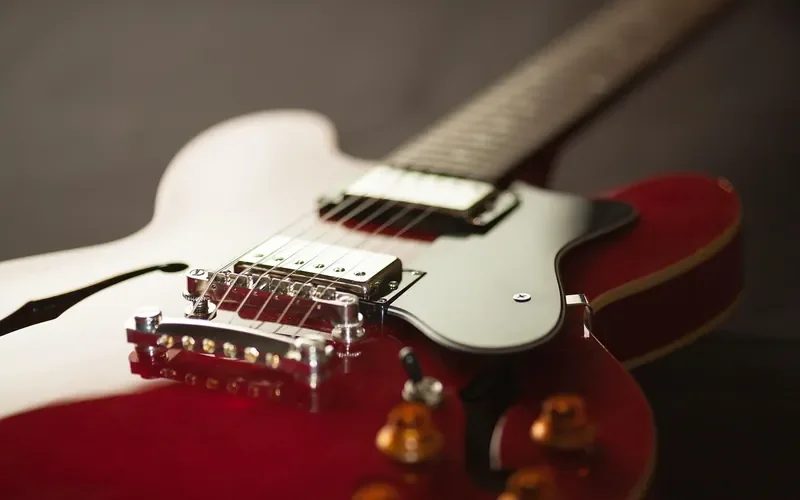
On tone, builders and players commonly describe alder as balanced and slightly warm, and a hard maple body as brighter with more attack. Those are subjective descriptions and not measured results, and on an electric guitar the pickups, bridge and amp shape the sound at least as much as the body species. Weight, budget and looks are more reliable ways to decide.
If you plan to cut your own body, blank thickness and outline curves drive the tool you need. Our guide to a band saw sized for guitar building covers resaw height and blade width, and ash wood for guitars covers another common body option.
Which Costs More, Alder or Maple?
Wood Database describes knotty red alder as inexpensive, on par with domestic utility woods, and clear alder as more expensive, closer to other domestic cabinet hardwoods. Hard maple is moderately priced and slightly above soft maple, with figured boards (birdseye, curly, quilted) commanding a premium. So at a lumberyard, clear alder and plain hard maple often land in a similar range, while knotty alder is the cheap option.
Small online packs do not follow that order. On September 29, 2026 the Amazon listing for four alder boards (3/4 x 2 x 12 inches, 0.5 board foot in total) was $18.45, or about $36.90 per board foot. A hard maple listing of two 3/4 x 6 x 36 inch boards (2.25 board feet) was $39.00, about $17.33 per board foot. Craft-pack pricing depends on seller and stock, so treat these as a snapshot, and price full boards locally before buying for a real project. For budget hardwoods in general, see the cheapest hardwood lumber to buy.
How They Look and Finish
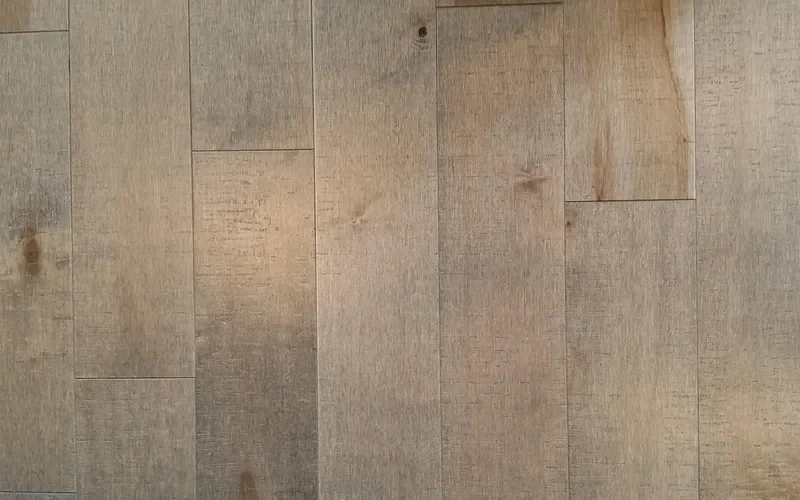
- Alder: a fine, even grain that reads pale tan to light reddish brown and takes stain and paint predictably. Clear alder looks uniform, while knotty alder gives a rustic look on purpose.
- Maple: creamy white to pale gold with a tight grain that can show streaks or small knots. Figured maple (curly, quilted, birdseye) is the reason many guitar tops and cabinet doors cost more.
- Finishing tip: Wood Database notes hard maple benefits from pre-conditioning before staining, so use a conditioner or a gel stain, or choose a clear finish that shows the grain.
If you are weighing alder against another pale, soft hardwood, alder vs birch runs the same comparison with hardness and cost numbers.
Three Alder vs Maple Myths Worth Dropping
- Myth: maple is always the expensive one. Grade, figure and quantity decide price. Knotty alder is cheap, clear alder is not, and small maple packs can undercut alder packs.
- Myth: maple means hard maple. Soft maple is a different commercial grade at 700 to 950 lbf. Ask for hard maple or sugar maple by name when hardness matters.
- Myth: alder is too soft for real furniture. Hardness only matters on surfaces that take impact. A bookcase or headboard in alder is fine, and a tabletop is where you would step up to hard maple.
Which Wood Should You Choose?
| Project | Better pick | Why |
|---|---|---|
| Electric guitar body | Alder | about 3.8 lb lighter for a full blank |
| Guitar neck or fingerboard | Hard maple | 15,800 psi bending strength |
| Painted or stained furniture, shelving | Alder | sands easily and costs less as knotty stock |
| Tabletops, floors, workbench tops | Hard maple | 1,450 lbf resists dents |
| Cutting boards | Hard maple | tight grain and hardness |
| Cabinet doors | See the cabinet comparison | finish and door-style factors differ |
Bottom line: choose alder when weight, workability and price matter, and hard maple when the part has to resist wear or string tension. If you plan to glue or match the two, buy both from kiln-dried stock so they move similarly.
Frequently Asked Questions
Is alder like maple?
No. Red alder is a soft, light hardwood (590 lbf Janka, about 28 lb/ft3) while hard maple is roughly 2.5 times harder (1,450 lbf) and about 1.6 times heavier (44 lb/ft3). They share a pale color range and both machine and finish well, but they behave very differently under impact and in a guitar’s weight.
What are the disadvantages of alder wood?
Alder dents and scratches easily because it rates only 590 lbf on the Janka scale. It is a poor choice for floors, countertops or anything that takes daily impact, and it needs a finish for protection. Knotty alder also has more visible defects than clear alder, which is priced closer to other domestic cabinet hardwoods.
Which is more expensive, maple or alder?
It depends on grade and quantity. Wood Database lists knotty alder as inexpensive and clear alder near other domestic cabinet hardwoods, while hard maple is moderately priced and slightly above soft maple. Figured maple such as curly or birdseye costs a premium. Small online craft packs can even reverse the order, so compare a local yard price per board foot.
Is alder or maple better for a guitar body?
Neither is objectively better. Alder gives a lighter body (about 6.6 lb for a rough 1.75 x 13 x 18 inch blank versus 10.4 lb in hard maple) and is the traditional body wood on many Fender-style guitars. Hard maple is heavier and brighter sounding, and is far more common on necks than bodies.
Is hard maple the same as soft maple?
No. Hard maple is sugar maple (Acer saccharum) at 1,450 lbf and about 44 lb/ft3. Soft maple is a commercial grouping of species such as red and silver maple, at 700 to 950 lbf and about 30 to 38 lb/ft3, so a board labeled only maple can be much softer than hard maple.
Sponsored / affiliate links. As an Amazon Associate I earn from qualifying purchases. I may earn additional commission from eligible campaigns.