Are Old Craftsman Table Saws Any Good?
Old Craftsman table saws can be a genuinely good buy — the Emerson-built “113” series from the 1950s–1970s used cast-iron tops and belt drives, and typically sells for $40 to $200 as a used tool. But most lack a riving knife, so budget for a safety retrofit before you cut. This guide covers model-number dating, tilting-table vs. tilting-arbor safety, and what a fair price actually looks like.
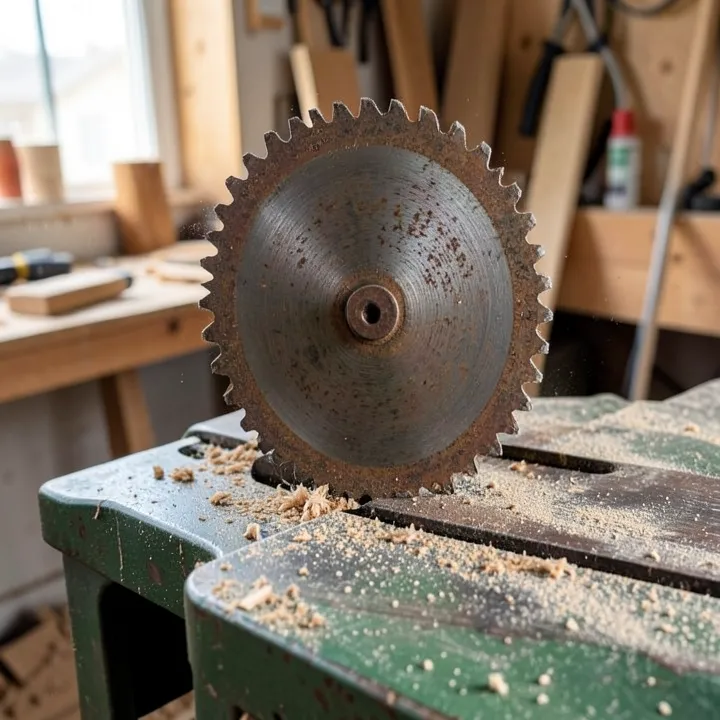
How to Tell How Old Your Craftsman Table Saw Is (Model Number Dating)
Best First Upgrade Pick
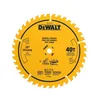
DEWALT Table Saw Blade, 10″, 40 Tooth, with Fine Finish, Ultra Sharp Carbide (DWA11040)
A sharp 40-tooth carbide blade is the single cheapest way to make an old saw cut like new again.
- Best for: Replacing a decades-old, dull stock blade on any 10" saw
- Why we picked it: 40-tooth combination grind handles rips and crosscuts without swapping blades
- Main drawback: Not a thin-kerf blade, so it asks slightly more of a weaker old motor
Compare more old-saw upgrade options
 Option 1 GemRed 82305 Digital Angle Finder Protractor Stainless Steel 7inch 200mm
|
 Option 2 POWERTEC Tandem Featherboard and Push Sticks, Push Blocks Fits Table S
|
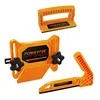 Option 3 POWERTEC Safety Kit – Table Saw Push Block, L Shape Push Stick & Feath
|
As an Amazon Associate we earn from qualifying purchases.
Sears never built its own power tools — it contracted the work out, and the model number tells you who actually made the saw sitting in front of you. The first three digits of the model number, stamped on the data plate or motor housing, identify the original manufacturer and roughly date the saw.
| Model Prefix | Manufacturer | Era | What It Means |
|---|---|---|---|
| 103.xxx | King-Seeley Corporation | 1930s–1940s | The earliest Craftsman saws; parts are the hardest of the three to find today |
| 113.xxx | Emerson Electric | 1950s–1970s | Widely considered the best vintage era — cast-iron tops, belt drives, comparable in build quality to a modern Ridgid contractor saw |
| Other prefixes | Overseas or other US manufacturers | 1980s onward | Build quality drops noticeably; more stamped-steel parts — inspect condition closely before buying |
Emerson Electric bought King-Seeley’s Craftsman tooling in 1964 and kept producing the 113-series through the 1970s — that’s the window most experienced buyers target first.
📊 A 113.xxx model number means Emerson Electric built the saw, generally between 1950 and 1970 — the era collectors and users both target first. — Source: Sears/Emerson tooling transfer record, 1964
Considerations Before Buying an Old Craftsman Table Saw
There’s no blanket verdict on a vintage table saw — a well-kept one can outperform a cheap new saw, and a neglected one can be a money pit. Work through these before you hand over cash:
- Condition: Inspect for wear, damage, or rust, and make sure the blade, motor, and fence are all in working order.
- Safety features: Check for a blade guard, riving knife, and anti-kickback pawls — most older models are missing at least one.
- Accuracy: Test the fence for play and confirm the blade tilt and alignment mechanisms move smoothly and hold their setting.
- Power and capacity: Match the motor’s horsepower and the table’s cutting capacity to the work you actually do.
- Compatibility: Confirm the saw can take modern blades, jigs, and sleds — most 113-series saws can, but check the arbor size.
- Parts availability: Research whether replacement parts exist for that specific model before you rely on it as your main saw.
- Price: Compare the asking price against the $40–$200 range typical for a used, working Craftsman saw (see the price section below).
Tilting-Table vs. Tilting-Arbor: Why the Difference Matters for Safety
Some pre-1950s table saws tilt the entire table to angle a cut, instead of tilting the blade itself. This older tilting-table design has real drawbacks: gravity works against you, the workpiece can slide toward the spinning blade, and you lose the stable, flat reference surface a tilting-arbor saw gives you.
Most 113-series Craftsman saws already switched to the safer tilting-arbor design, where the table stays flat and only the blade angles. But a handful of earlier or budget models kept the tilting-table setup. Check before you buy: crank the tilt wheel and watch what actually moves. If the whole tabletop shifts, that’s the older, less safe design — fine for a restoration project, but not something to run daily without upgrading the design entirely.
How Much Is an Old Craftsman Table Saw Actually Worth?
Most used Craftsman table saws sell for $40 to $200, priced as a working tool rather than a collectible. There is no meaningful antique market for these saws — buyers pay for what the saw can still do, not its age.
A complete 113-series saw with a solid fence, a running motor, and no major rust typically lands near the top of that range, around $150 to $200. A saw missing its fence, showing heavy rust, or needing a motor rebuild is usually worth closer to $40 to $75 — treat it as a parts saw or restoration project, not a daily driver, unless you enjoy that kind of work.
Pros and Cons of an Old Craftsman Table Saw
Buying used has real upsides and real downsides. Weigh both before you commit:
| Pros | Cons |
| Affordable — $40–$200 for a working saw | Limited or missing safety features (no riving knife) |
| Cast-iron tops and belt drives outlast most budget new saws | Parts can be hard to source, especially pre-113-series |
| Solid, heavy construction reduces vibration | May need a fence upgrade or full tune-up |
| Wide availability on the used market | Some models use the older, less safe tilting-table design |
| 113-series saws rival current mid-range contractor saws | No warranty or manufacturer support |
Blade Quality Changes Everything on an Old Saw
The blade that came with a 40-plus-year-old Craftsman saw has usually cut thousands of board feet, and no amount of fence tuning fixes what a dull, low-tooth-count blade does to a cut. Tear-out on plywood and scorch marks on hardwood are blade problems, not saw problems, far more often than buyers assume.
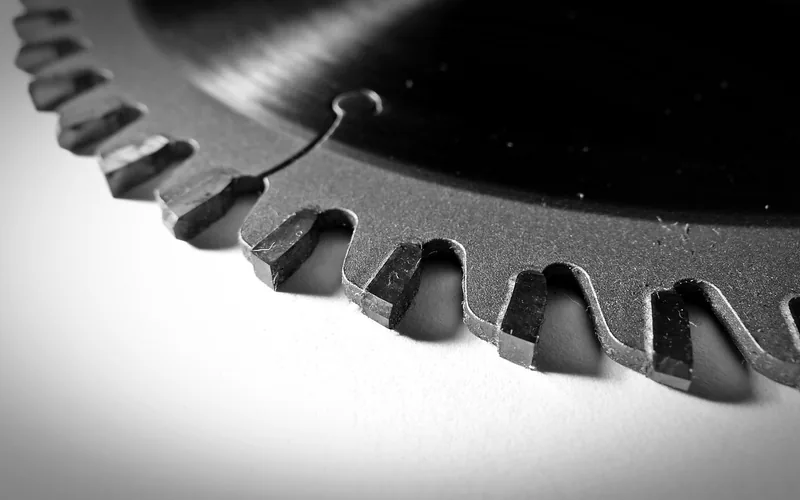
"Swap the blade before you touch anything else on an old saw. A sharp 40-tooth carbide blade is a twenty-dollar fix that does more for cut quality than a fence rebuild, a new motor, or anything else on the list."
How to Choose the Right Old Craftsman Table Saw
If you’ve decided a vintage saw makes sense, work through these steps in order rather than buying the first one you find:
- Research the model: Look up the specific 113.xxx or 103.xxx model number before you go look at the saw. Woodworking forums and vintage-tool sites often have model-specific notes on known weak points.
- Determine your needs: Match the saw’s capacity to your actual projects — check whether you even need a table saw for the work you do before spending on one.
- Inspect in person: Check for rust, test the motor, and confirm the blade and fence move smoothly and lock down without play.
- Check upgrade compatibility: Confirm the saw can take a modern blade and, if the stock fence is loose or bent, look into a fence upgrade before you rule the saw out over that alone.
- Test before buying: Ask to run a test cut if at all possible, and compare the result against any other saws you’re considering.
- Compare the price: Weigh the asking price against the $40–$200 range covered above, factoring in condition and any parts you’ll need to source.
For a broader look at picking and comparing saws beyond just the Craftsman brand, see our full table saw buying guide. And if safety features are the deciding factor for you, a table saw gripper or a set of shop-built push blocks can close most of the gap between an old saw and a modern one.
One specific model worth knowing: the 3 HP Craftsman table saw line sits at the higher-powered end of the vintage lineup and is worth a look if your projects need more cutting capacity than a typical 1-1.5 HP contractor saw provides.
Frequently Asked Questions
How do I tell how old my Craftsman table saw is?
Check the model number stamped on the saw’s data plate or motor housing. A prefix of 113.xxx means Emerson Electric built it, typically between the 1950s and 1970s. A prefix of 103.xxx points to the earlier King-Seeley Corporation, from the 1930s and 1940s. Cross-referencing the full model number against a vintage tool catalog narrows the date further.
Who actually made old Craftsman table saws?
Sears never manufactured its own Craftsman-branded power tools — it contracted the work out. King-Seeley Corporation built most Craftsman table saws through the 1940s, and Emerson Electric took over most of that tooling in 1964, producing the 113-series saws widely considered the best of the vintage lineup.
Is it safe to use an old Craftsman table saw without a riving knife?
It can be used safely, but only with extra caution. Most Craftsman saws built before the 2000s shipped without a riving knife, which raises kickback risk on rip cuts. Add a splitter or aftermarket riving knife kit if the model supports one, and always use a push stick or push block instead of your hands near the blade.
How much is a used Craftsman table saw actually worth?
Most sell in the $40 to $200 range as a working tool, not as a collectible — there is no meaningful antique market for Craftsman saws. A complete 113-series saw with a solid fence and a good motor tends to land near the top of that range; one missing its fence or showing heavy rust is usually worth closer to $40 to $75.
Can I upgrade an old Craftsman table saw with modern accessories?
Often, yes. Many 113-series saws accept modern blades, aftermarket fences, and zero-clearance throat plates, since the arbor and table dimensions were fairly standardized. Confirm bolt patterns and arbor size for your specific model before buying an upgrade, since a handful of oddball models don’t match the common pattern.
Where can I find replacement parts for an old Craftsman table saw?
Start with online marketplaces and vintage tool specialty sellers, since Sears no longer stocks parts for these models. Craftsman and Emerson enthusiast forums often maintain parts-swap lists, and some components — belts, bearings, switches — can be substituted with generic hardware-store equivalents rather than an exact factory match.
Conclusion
An old Craftsman table saw is worth buying when the model number checks out, the fence and motor are sound, and the price stays in the realistic $40–$200 range for a used tool. A 113-series Emerson-built saw with a tilting arbor and a fresh blade can genuinely outperform a cheap new saw. For a full walkthrough of inspecting the motor, trunnions, and fence before you hand over cash, see our Sears Roebuck vintage table saw buyer’s guide. What it can’t do is match modern safety features out of the box — budget for a riving knife retrofit, a featherboard, and a push block before you make your first cut.
Sponsored / affiliate links. As an Amazon Associate I earn from qualifying purchases. I may earn additional commission from eligible campaigns.