Are Pallets Treated Wood? Reading the HT vs MB Stamp
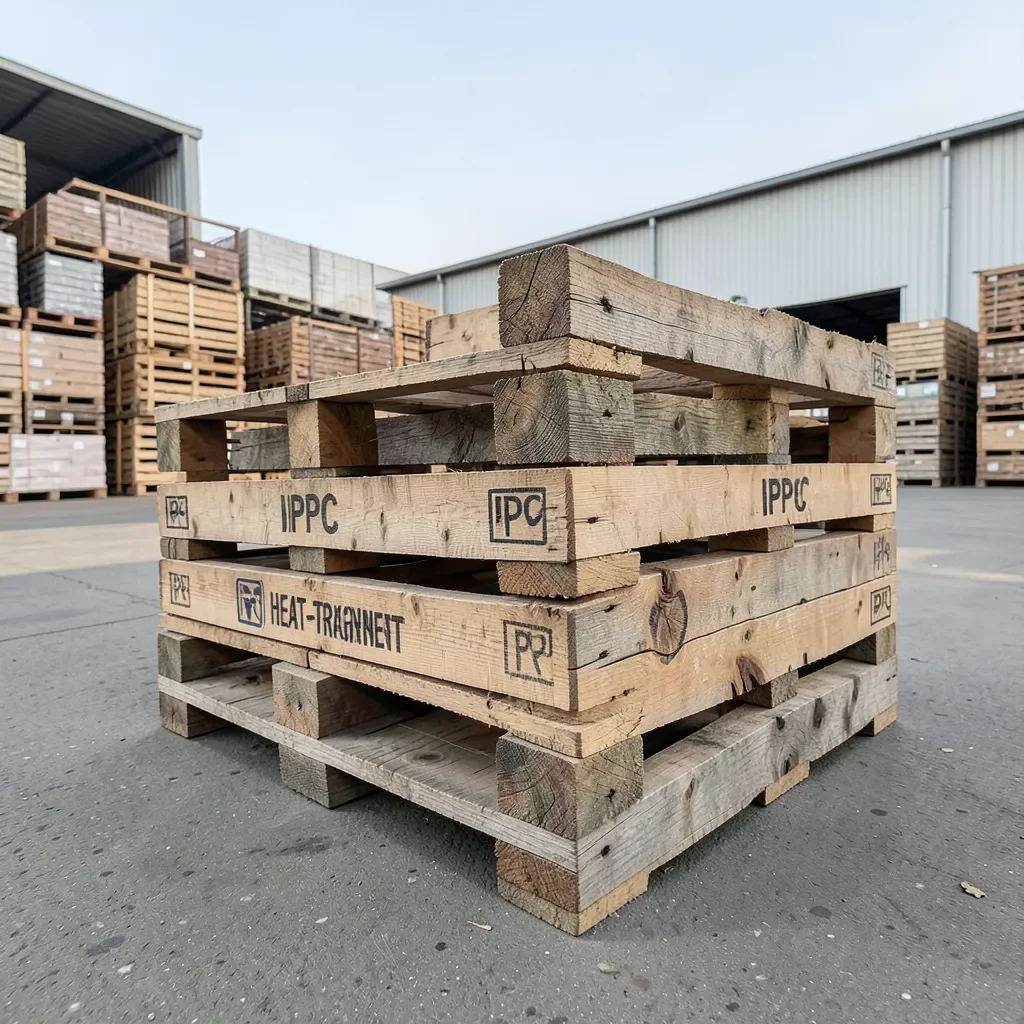
Pallets can be either heat-treated (HT) or chemically fumigated with methyl bromide (MB) — the stamp branded into the block tells you which. HT pallets involve zero chemicals and are safe to repurpose for furniture or garden beds; MB pallets carry pesticide residue and should never go indoors, into a planter, or into a fire pit. This guide covers how to read the stamp, what each treatment actually does, and when a pallet is safe to reuse.
Best Tool for Disassembling Pallets Safely
Best Pallet Disassembly Tool
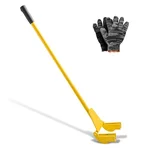 |
VEVOR Pallet Buster Tool, 41 Inch Carbon Steel Handle Wrecking Pry Bar – $51.9 A dedicated pallet buster wedges under deck boards and separates them from the stringers with far less splitting than a claw hammer, matching the safe-disassembly step this guide covers.
|
Prying pallet boards apart with a standard claw hammer usually splits the wood, since pallet nails are driven deep and often barbed. A dedicated pallet buster wedges under the deck boards and separates them from the stringers with far less breakage, which matters if you’re after clean, reusable boards for a furniture or garden project.
How to Read the Pallet Stamp
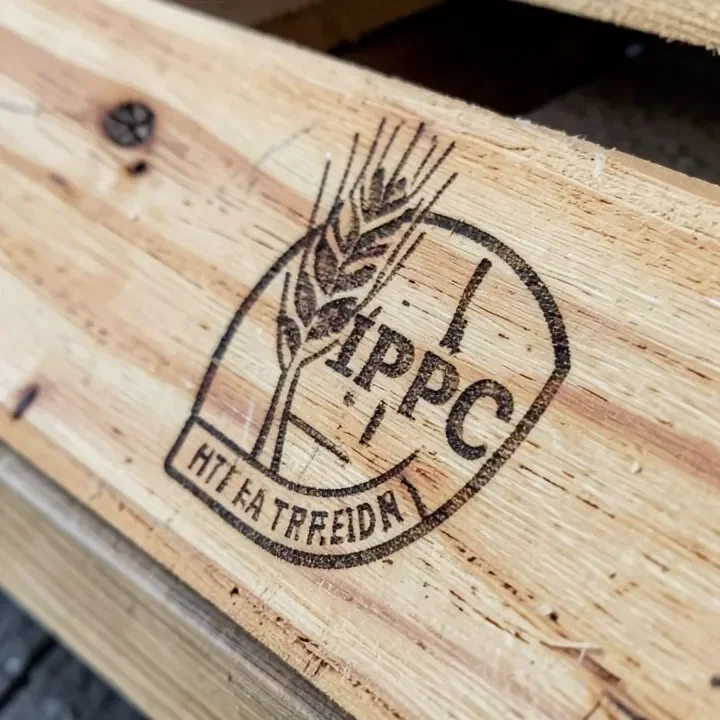
Look for the IPPC wheat-stalk logo stamped into a block on the pallet, along with a country code, producer number, and a treatment code. The treatment code is what actually matters for reuse safety.
| Code | Meaning | Chemicals Used | Safe to Reuse? |
|---|---|---|---|
| HT | Heat-treated to 133°F (56°C) core temperature for 30 minutes | None | Yes — safe for furniture, gardening, and indoor use |
| MB | Fumigated with methyl bromide gas | Methyl bromide (toxic pesticide) | No — avoid entirely |
| DB | Debarked — bark removed from the wood | None (a wood-prep step, not a treatment) | Yes, if paired with HT |
| No stamp at all | Unknown treatment history | Unknown | Treat as unsafe — don’t reuse without a visible stamp |
Heat Treatment vs. Chemical Treatment
Heat treatment heats the wood core to at least 56°C (133°F) for a minimum of 30 minutes, which kills insects and larvae without adding any chemicals to the wood — the pallet stays natural, which is why HT pallets are cleared for furniture, garden beds, and even indoor use.
Chemical fumigation uses methyl bromide gas to kill pests and fungi faster than heat treatment does, but the gas leaves pesticide residue in the wood. MB pallets are increasingly rare — heat treatment is now the dominant method under the ISPM-15 international shipping standard — but older or non-compliant pallets can still carry an MB stamp.
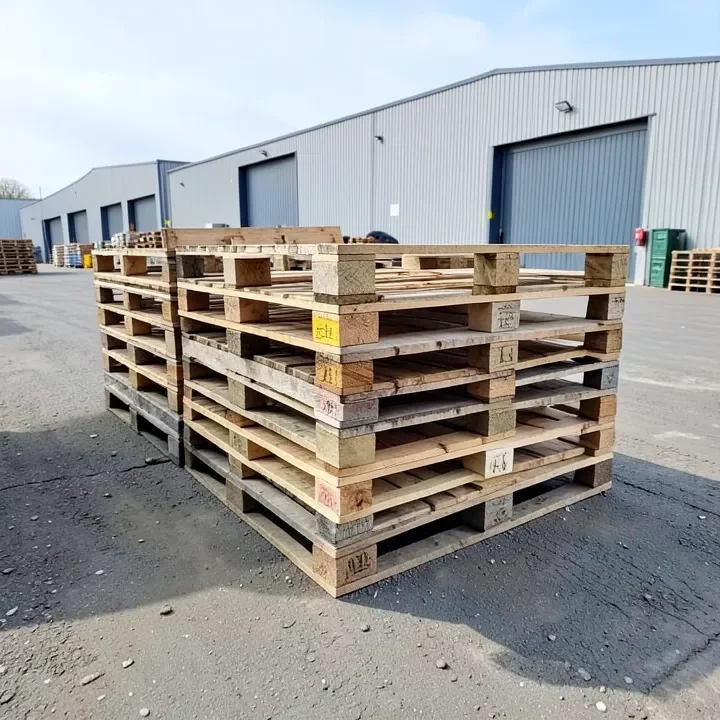
📊 ISPM-15 heat treatment requires a wood core temperature of at least 56°C (133°F) held for a minimum of 30 minutes, with zero chemicals or fumigants involved. — Source: Repackify, Heat Treated Pallets: ISPM-15 Standard Guide
“HT pallets are not chemically treated. No preservatives, no insecticides, no chemicals at all. Heat treatment is purely thermal, with no chemicals or fumigants involved.”
Handling and Reuse Safety
- Check the stamp before every reuse — a pallet with no visible stamp has an unknown history and should be treated as unsafe.
- Never burn MB-stamped or unstamped pallets — burning releases the pesticide residue as toxic fumes.
- Wear a dust mask when cutting or sanding any pallet wood — even HT pallets can carry mold spores or splinters from shipping and storage.
- Skip pallets with dark stains, oily residue, or a chemical smell — these are signs of contamination from whatever the pallet last shipped, not just the treatment method.
Common Mistakes When Reusing Pallets
- Assuming all pallets are chemically treated — most pallets in circulation today are HT, not MB; check the stamp instead of guessing.
- Using a claw hammer to pry boards apart — this splits the wood far more often than a dedicated pallet buster.
- Building a garden bed from an unstamped pallet — without a visible HT stamp, there is no way to confirm what the wood was exposed to.
- Burning pallet wood in a fire pit or wood stove — even HT pallets often contain glue, paint, or staples that shouldn’t be burned; MB pallets release toxic fumes.
Frequently Asked Questions
How can you tell if a pallet has been treated?
Look for a stamp burned or printed into a block on the pallet. “HT” means heat-treated with no chemicals; “MB” means fumigated with methyl bromide, a toxic pesticide. No stamp at all means the treatment history is unknown.
Is pallet wood treated or untreated?
Most pallets used in shipping are treated in some way — either heat-treated (HT) or, less commonly today, chemically fumigated (MB) — to meet the ISPM-15 international shipping standard. Domestic-only pallets that never cross a border are sometimes untreated, but you can’t tell without checking for a stamp.
Are pallets safe to use for gardening?
Yes, if they’re stamped HT. Heat-treated pallets involve no chemicals and are safe for garden beds and planters. Avoid MB-stamped pallets and any pallet with no visible stamp, dark staining, or an unusual odor.
Is it okay to burn pallet wood?
Not recommended, even for HT pallets. HT wood itself is chemical-free, but pallets often contain glue, paint, or staples that shouldn’t go into a fire pit or wood stove. Never burn an MB-stamped pallet — it releases toxic methyl bromide residue as fumes.
What does the DB stamp on a pallet mean?
DB means the wood was debarked before use — a prep step, not a chemical treatment. A DB stamp usually appears alongside an HT stamp and doesn’t change the pallet’s safety on its own.
Check the stamp before you reuse any pallet: HT means chemical-free and safe for furniture or gardening, MB means pesticide-treated and should be avoided entirely, and no stamp at all means an unknown history you shouldn’t gamble on.
Sponsored / affiliate links. As an Amazon Associate I earn from qualifying purchases. I may earn additional commission from eligible campaigns.