Best Deck Screws for Pressure-Treated Wood (Stainless vs Coated)
ACQ pressure-treated lumber corrodes standard zinc-plated screws within a season — copper in the treatment reacts electrolytically with the coating. Use 305/316 stainless steel or an AC257-certified coated screw instead, never bare zinc. Getting this wrong causes rust streaks and screw failure within 2-3 years. This guide covers the right coating, the correct screw length for your board thickness, and the drive type that resists cam-out.
Types of Deck Screws for Pressure-Treated Wood
Best Deck Screw Pick
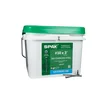
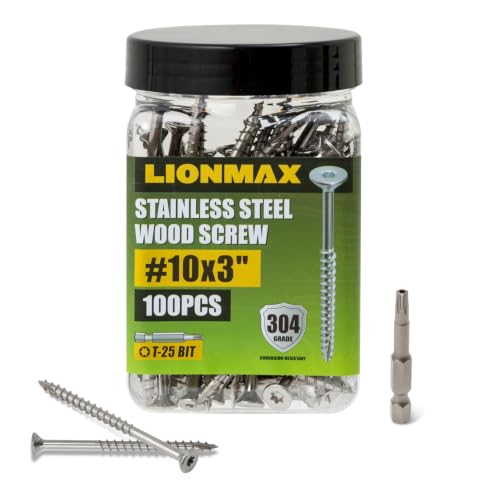
SPAX #10 x 3in. Stainless Steel Wood Screws (1,500-Pack)
German-engineered 300-series stainless star-drive screw built for exterior wood, fence, and deck — resists backing out as treated lumber dries.
- Best for: 2x pressure-treated decking, any exposure including coastal
- Why we picked it: Stainless steel is the only material with no measurable corrosion in ACQ lumber — the safest long-term choice
- Main drawback: Sold in a 1,500-count bulk pack, more upfront cost than a small box for a single project
Compare more deck screw options
 Option 1 GRK RSS 5/16 x 3-1/2in Structural Screw
|
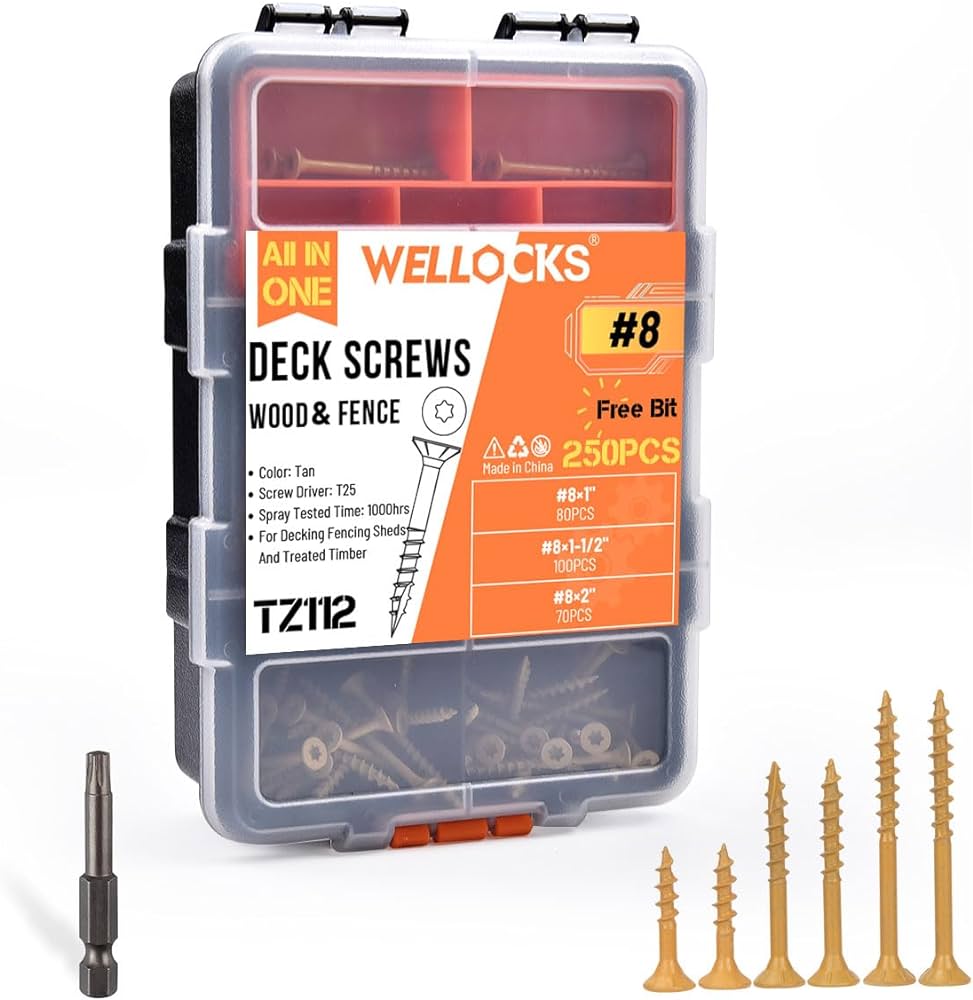
 Option 2 No.8 x 2in Star Flat-Head Epoxy-Coated Deck Screw
|
 Option 3 Simpson Strong-Tie Deck-Drive DWP #10 x 2-1/2in, Type 316
|
As an Amazon Associate we earn from qualifying purchases.
When choosing deck screws for pressure-treated wood, the coating or alloy matters more than the brand name — it determines whether the screw survives contact with the copper-based preservative in the lumber. Three categories cover nearly every deck build.
Coated Deck Screws
Coated deck screws are the budget-friendly option for pressure-treated wood, provided the coating carries an ICC-ES AC257 rating — the industry test standard for corrosion resistance against wood-treatment chemicals. Ceramic, epoxy, and ClimaTek-style coatings that meet AC257 typically hold up 10–20 years on an inland deck with normal airflow. A coating without this certification is a gamble on ACQ or CA-treated lumber.
Stainless Steel Deck Screws
Stainless steel is the only fastener material with effectively zero corrosion in any treated-wood chemical, per manufacturer corrosion testing — it’s the fastener you stop thinking about once installed. Use Type 305 stainless for most residential decks, and step up to Type 316 within about a mile of saltwater, where chloride exposure attacks 305-grade screws over time.
Composite Deck Screws
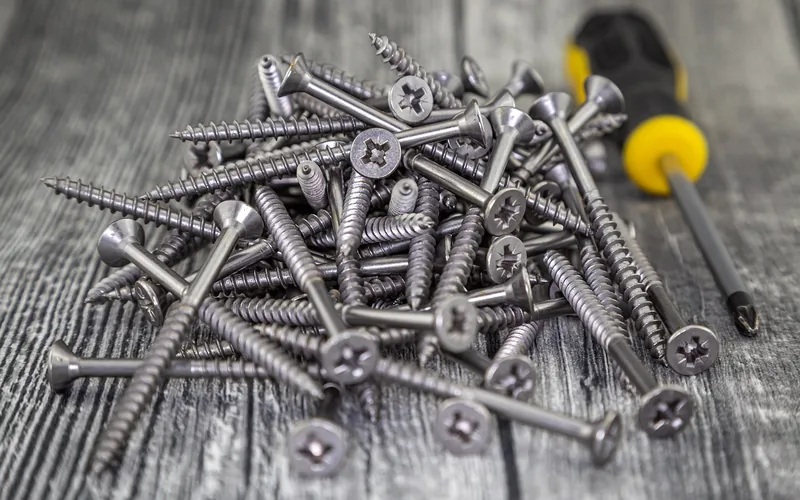
Composite deck screws are built for composite decking, not pressure-treated wood, but they’re worth knowing if your project mixes a PT frame with a composite deck surface — a common combination. They use a smaller-diameter shank and color-matched heads so the fastener doesn’t show on the composite board face. If you’re building entirely with Trex or another composite brand, see our best composite deck screws for Trex decking comparison instead — this guide focuses on the pressure-treated lumber itself.
What Length and Gauge Screws Do You Need for Pressure-Treated Deck Boards?
Screw length is set by board thickness, not preference: the screw must pass fully through the deck board and embed at least 1-1/2 inches into the joist below. Get this wrong and the board either splits (too long) or the connection pulls loose within a year (too short).
| Board Type | Thickness | Screw Length | Gauge |
|---|---|---|---|
| 5/4 decking (standard) | 1 in. | 2-1/2 in. | #8 |
| 2x decking (2×4, 2×6) | 1-1/2 in. | 3 in. | #10 |
| Hardwood or dense composite | 1–1.5 in. | 2-1/2–3 in. | #10 |
#8 gauge screws are the right call for standard 5/4-inch decking in most residential settings. Step up to #10 gauge for 2x lumber, hardwoods, or anywhere you want more holding power — the thicker shank grips harder but requires more torque to drive. For board-foot and fastener-count planning across a full deck, our woodworking calculators guide covers screw-count estimation alongside lumber quantities.
📊 GRK’s RSS structural screw carries an ICC-ES ESR-2442 code approval specifically covering use in treated lumber — a third-party code report, not just a marketing claim. Source: ICC-ES ESR-2442, 2026
Stainless vs. AC257-Coated vs. Galvanized: Which Lasts Longer?
| Fastener Type | ACQ Corrosion Resistance | Typical Cost | Best For |
|---|---|---|---|
| 316 Stainless Steel | Highest — effectively no corrosion | $$$ | Coastal decks, within 1 mile of saltwater |
| 305 Stainless Steel | Very high | $$$ | Inland decks, hardwood decking |
| AC257-Coated (ceramic/epoxy) | Good — 10–20 years, inland | $$ | Standard residential decks on a budget |
| Hot-Dip Galvanized | Moderate — thick zinc layer, still reacts with ACQ over time | $$ | Framing connectors, not deck-board face fastening |
| Standard Zinc-Plated | Poor — corrodes within 1–2 years | $ | Never use on pressure-treated wood |
Factors to Consider When Choosing Deck Screws
Corrosion Resistance
Corrosion resistance is non-negotiable for pressure-treated wood because ACQ and CA treatments are copper-based, and copper drives galvanic corrosion in ordinary steel fasteners. Match the fastener to the AC257 exposure rating for your deck’s location — coastal air and ground contact both raise the bar.
Material Compatibility
Never mix bare steel hardware (brackets, nails, screws) with stainless or coated fasteners on the same connection point — dissimilar metals in contact with damp, treated lumber accelerate corrosion on the less noble metal. Keep connectors and fasteners the same corrosion class throughout a single connection.
Pilot Holes and Countersinking
Pre-drill pilot holes within 2 inches of a board’s end or edge — pressure-treated lumber splits easily there even with a self-drilling tip. Countersink flush so water doesn’t pool on the screw head, which speeds up any coating breakdown.
Thread and Drive Type
Deep, coarse threads pull deck boards tight against the joist and resist backing out as the lumber dries and shrinks. For drive type, a star/Torx recess resists cam-out (the bit slipping out under torque) far better than Phillips, and it’s the standard recess on nearly every dedicated deck screw sold today.
Length and Diameter
Match length and gauge to board thickness using the table above — undersized screws back out over time, oversized screws risk poking through the joist’s far side or splitting thin decking.
Tips for Proper Installation
Proper installation protects the fastener’s corrosion resistance as much as the coating itself — a stripped screw head or an overdriven screw creates a spot where water collects and the coating has already been compromised.
Pre-Drilling
Pre-drill pilot holes for deck screws near board ends, especially with pressure-treated lumber, so the screw drives in without splitting the wood.
Choosing the Right Driver
Use the star/Torx bit that matches your screws exactly — a worn or mismatched bit is the main cause of stripped heads on treated lumber, where the wood offers more resistance than dry softwood.
Proper Alignment and Spacing
Keep consistent spacing between deck boards (typically 1/8–3/16 inch for pressure-treated lumber, which shrinks as it dries) and align screw rows so the load distributes evenly across the joists.
Avoiding Overdriving
Stop driving the instant the head sits flush — overdriving crushes wood fibers around the screw, weakening the grip and creating a water trap that accelerates corrosion even on a coated screw.
Maintenance and Inspection
Check deck screws once a year for rust streaks, loose heads, or wood movement around the fastener — catching an early failure is far cheaper than replacing a board after the connection lets go.
“The screws that failed fastest on our test decks were always plain zinc-plated ones driven into ACQ lumber near ground contact — rust streaks showed up within the first year, well before any coated or stainless screw showed a problem.”
Troubleshooting Common Issues
Even with the right screws, installation mistakes on pressure-treated wood show up as one of three problems.
Screw Stripping
Stripping happens when the drive recess wears out mid-drive, usually from a worn bit or too much side pressure. Use a matching, undamaged star/Torx bit, pre-drill near board edges, and let the driver’s clutch do the work instead of forcing it.
Screw Breaking
Screws snap when they’re undersized for the load or over-torqued into dense, dry lumber. Match gauge to board thickness per the table above, and back off the driver’s torque setting rather than forcing a stuck screw the last quarter-turn.
Screw Rusting
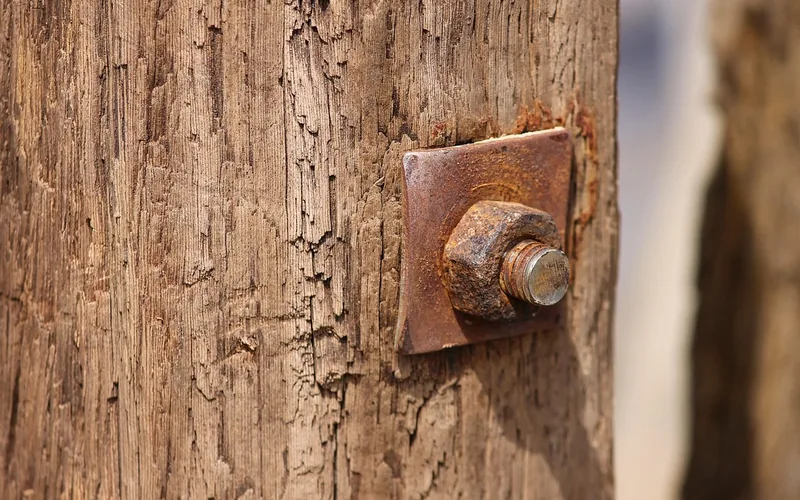
Rust streaks on a pressure-treated deck almost always mean the wrong fastener class was used — standard zinc plating cannot survive long-term contact with copper-based preservative. Replace visibly corroding screws with stainless or AC257-coated screws before the connection weakens.
Frequently Asked Questions
What screws are best for pressure-treated wood?
Type 305 or 316 stainless steel screws are best for pressure-treated wood, with AC257-certified coated screws (ceramic or epoxy) as a solid budget alternative. Standard zinc-plated screws corrode within 1–2 years and should never be used.
How long should deck screws be for 5/4 pressure-treated decking?
Use a 2-1/2 inch, #8 gauge screw for standard 5/4-inch pressure-treated decking. The screw needs to fully penetrate the 1-inch-thick board and embed at least 1-1/2 inches into the joist for a secure connection.
Should you use #8 or #10 deck screws?
Use #8 gauge for standard 5/4-inch decking and #10 gauge for thicker 2x boards or hardwood decking. The #10 screw’s thicker shank grips harder but requires more torque, so it’s reserved for denser or thicker material.
What size screws for 2×6 deck boards?
For 2×6 deck boards, use a #10 or #12 screw, 2-1/2 to 3 inches long. Always choose a stainless or AC257-coated screw for pressure-treated 2×6 decking to prevent premature corrosion.
Can you use regular screws on pressure-treated wood?
No. Regular zinc-plated screws corrode within 1–2 years in ACQ or CA pressure-treated wood because the copper in the treatment reacts with the zinc coating. Always use stainless steel or an AC257-certified coated screw instead.
How deep should deck screws go into the joist?
Deck screws should embed at least 1-1/2 inches into the joist after passing fully through the deck board. Shallower embedment reduces pull-out strength and risks the board working loose over time.
Are Deckmate screws good for treated lumber?
Yes, Deckmate’s coated deck screws are designed to withstand the chemicals in treated lumber and provide a secure, durable hold. For coastal or ground-contact applications, a stainless steel screw still outperforms any coated option long-term.
Conclusion
Stainless steel (305 or 316) is the safest long-term choice for pressure-treated deck screws, with AC257-certified coated screws as a budget-friendly alternative for inland, non-coastal decks. Match the screw length and gauge to your board thickness using the table above, and skip standard zinc-plated screws entirely — they aren’t built for ACQ lumber’s copper-based chemistry. If your project needs a broader look at fastening pressure-treated wood beyond decking, see our general guide to screws for pressure-treated wood, or browse the full Treated Wood section for buying, sealing, and staining guides.
Sponsored / affiliate links. As an Amazon Associate I earn from qualifying purchases. I may earn additional commission from eligible campaigns.