Composite Decking Screw Plugs: Cortex vs Trex Compared
Composite decking screw plugs are tap-in caps that snap into a pre-set 1/4-inch hole left by a plug-system screw, and glue is not required if the hole is clean and dry. Skip this system and every screw head stays exposed to rust, moisture, and bare-foot trip hazards. This guide compares Trex Hideaway, FastenMaster Cortex, and Simpson Strong-Tie plug systems, covers real installation steps, and lists common plug-popping mistakes to avoid.
Quick Answer
Composite decking screw plugs are color-matched caps, tapped in with a mallet, that cover the countersunk screw head left by a plug-system fastener like Trex Hideaway or FastenMaster Cortex. Most tap-friction fit with no glue; a pack of 75-80 runs $17-$30, and full collated systems for 100 linear feet run $80-$115. They only fit screws sized for that plug system – mismatched brands will not seat flush.
What Composite Decking Screw Plugs Actually Are
Best Screw Plug Pick
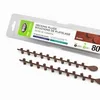
Trex Decking Plugs (80ct)
Genuine Trex shell-material plugs sized for the Hideaway plug-screw system, tap in with a rubber mallet.
- Best for: Trex owners replacing or adding face-screw plugs
- Why we picked it: exact shell-material color match, no aftermarket guesswork
- Main drawback: only fits Trex-depth countersinks, not other brands
Compare more composite decking plug options
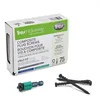 Option 1 Trex Decking Plug Screw (75ct)
|
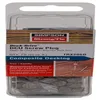 Option 2 Simpson Strong-Tie DCU Plug (75ct)
|
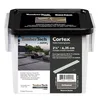 Option 3 TimberTech Cortex System (100 LF)
|
As an Amazon Associate we earn from qualifying purchases.
A composite decking screw plug is a small cap, made from the same shell material as the deck board, that friction-fits into a countersunk screw hole to hide the fastener head. It is not glue-in filler and it is not a repair patch – it is a manufactured accessory sized to one specific screw system. Three real product categories get called “screw plugs” and they are not interchangeable:
- Brand plug-and-screw kits (Trex Hideaway, Deckorators Pro Plug, Starborn Pro Plug) – a matched screw and cap sold together, tapped in after the screw is set to depth.
- Collated hidden-fastener systems (FastenMaster Cortex, TimberTech Cortex) – a driver tool sets the screw and cuts the plug pocket in one pass, then a separate color-matched plug snaps in.
- Aftermarket universal plugs (Simpson Strong-Tie Deck-Drive DCU) – sold separately from the screw, sized to fit a specific brand’s standard countersink depth.
The one thing every real plug system shares: the screw has to be driven to a controlled depth first, either with a depth-setting bit or a dedicated tool, so the plug sits flush instead of proud or sunken. A regular deck screw driven freehand almost never leaves a clean enough pocket for a tap-in plug to seat right.
Comparing the Main Composite Decking Plug Systems
| System | How It Seats | Verified Price | Best For |
|---|---|---|---|
| Trex Hideaway Plugs | Tap-in, friction fit, no glue | $28.99 / 80ct | Trex owners doing touch-up or new builds |
| Trex Color Match Plug Screw | Screw + matched cap combo | $44.49 / 75ct | One-step install on new Trex boards |
| Simpson Strong-Tie DCU Plug | Tapered tap-in, sold separately from screw | $24.10 / 75ct | Budget-conscious Trex plug replacement |
| TimberTech / FastenMaster Cortex | Collated tool sets screw + pocket in one pass | $80-$115 / 100 linear ft | Whole-deck installs, pro crews, TimberTech/AZEK boards |
Cortex-branded systems cost more per foot because the price includes the collated screw strip and the plug together, plus the driver bit is often required separately. The Trex-branded and Simpson Strong-Tie plugs are simpler because you already own a standard drill – you just need the matching color and a countersink depth that suits a tap-in cap.
How to Install Composite Decking Screw Plugs
Every brand plug system follows the same core sequence. The step most people get wrong is skipping the depth-setting tool and driving the screw freehand – that leaves a pocket too shallow or too ragged for the plug to seat flush.
- Set the depth tool or driver bit: attach the manufacturer’s depth-setting attachment (Cortex driver, Trex counterbore bit, or a std countersink bit set to the plug’s rated depth) to your drill.
- Pre-drill near board ends: within 6 inches of any board end, drill a pilot hole first to prevent the composite shell from cracking.
- Drive the screw to the stop: run the screw until the depth tool bottoms out, leaving a clean, consistent pocket – do not eyeball the depth.
- Clean the pocket: blow out or brush away shavings and dust; the plug needs a dry, debris-free hole to seat fully.
- Tap the plug in place: most brand plugs are friction-fit – press or tap with a rubber mallet until flush. Check your specific plug’s instructions; a few smaller aftermarket plugs do call for a dab of exterior-rated adhesive if the pocket runs slightly oversized.
- Check for flush seating: run a hand across the plug – if it sits proud or sunken, the screw depth was off and the plug should be reset before it works loose underfoot.
Common Mistakes That Cause Plugs to Pop Loose
- Mixing brands. A Simpson Strong-Tie plug tapped into a countersink cut for the Cortex system will sit loose or proud – plug diameter and pocket depth are brand-specific, not universal.
- Driving the screw freehand. Without a depth stop, the pocket comes out uneven and the plug never seats flush, which is the single most common cause of plugs working loose within the first season.
- Skipping the pilot hole near board ends. Composite shell material cracks under screw torque within 6 inches of an end cut, and a cracked pocket will not hold a plug securely no matter how well it’s tapped in.
- Installing over wet or dusty holes. Trapped moisture or sawdust behind the plug prevents a full friction seat and can push the plug back out as it dries.
📊 A full 100 linear feet of decking (about 300 face-screw plugs at 16″ on-center joist spacing) runs $80-$115 for a collated Cortex system, versus $85-$135 for the equivalent count of separately purchased plugs and screws. – Source: manufacturer and retailer pricing verified August 2026
“The included depth setting tool sets each screw to the perfect depth, countersinking it for a coordinating plug to be inserted in the opening for a polished finish.”
Do composite decking screw plugs need glue?
No, not for most brand systems – Trex Hideaway and Simpson Strong-Tie plugs are designed to friction-fit into a properly depth-set hole with a tap from a rubber mallet. Glue is only worth adding if the pocket came out slightly oversized and the plug feels loose after tapping it in; use a small dab of exterior-rated adhesive, not a full glue fill.
Can you use any plug in any composite decking screw hole?
No. Plug diameter and the screw’s countersink depth are matched within one manufacturer’s system. A Trex plug will not seat flush in a hole cut for a Cortex or Simpson Strong-Tie screw, and vice versa – always buy plugs made for the same brand and screw system you used to fasten the board.
Do I need to use screw plugs for composite decking?
No, plugs are optional – face screws left uncapped still hold the board securely. Plugs exist purely to hide the screw head for a cleaner look and to keep moisture and debris out of the countersunk hole, which can slightly extend the life of the exposed fastener.
What are composite decking screw plugs made of?
Genuine brand plugs (Trex, TimberTech, Deckorators) are molded from the same composite shell material as the deck boards themselves, which is why they color- and texture-match so closely. Aftermarket plugs like Simpson Strong-Tie’s are a separate compound engineered to match the brand’s standard color line rather than being cut from actual board stock.
Plugs are the finishing step, not the fastening step – the screw underneath is what actually holds your composite decking board to the joist. Choosing the right Trex composite decking fastener system up front determines whether plugs will even be an option, since hidden-clip installs skip face screws entirely. If you’re weighing composite against traditional wood decking screws or want the same plug-and-fill approach for solid wood boards, see our guide to plugging screw holes in wood.
Sponsored / affiliate links. As an Amazon Associate I earn from qualifying purchases. I may earn additional commission from eligible campaigns.
 SuperStructuring Plugs for Decking - 1/4" Trex Composite Decking Wood Plugs, Weather-Resistant, UV Protection, Hole Covers for Outdoor Home Improvement & Repair - Enhance Naturals Foggy Wharf, 100-PcSuperStructuring Plugs for Decking - 1/4" Trex Composite Decking Wood Plugs, Weather-Resistant, UV Protection, Hole Covers for Outdoor Home Improvement & Repair - Transcend Tiki Torch, 100-Pc