Best Wood Polish and Furniture Polish: Match It to Your Finish
The best wood polish depends on the finish, not the brand: a wax and oil polish like Howard Feed-N-Wax for waxed, oiled or antique wood, and a spray polish like Pledge for furniture sealed with polyurethane or lacquer. The wrong match leaves a greasy film or does nothing at all. This guide covers our pick, polish versus wax versus cleaner, silicone, and how to apply it.
Best Furniture Polish for Wood Furniture
Best Wax Polish Pick
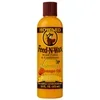 |
Howard Feed-N-Wax Wood Polish and Conditioner, 16 oz, Orange A beeswax and carnauba wax polish with conditioning oils, labeled for finished and unfinished wood and for antiques, dining tables, cabinets, doors and trim.
|
As an Amazon Associate we earn from qualifying purchases.
Howard Feed-N-Wax is our pick for the widest range of furniture. Per the maker, it polishes with carnauba wax and beeswax, adds conditioning oils, and is meant for finished and unfinished wood, including antiques, dining tables, kitchen cabinets, doors and trim. It also states the formula contains no silicone or linseed oils, which matters later if you ever refinish the piece.
We have not run lab tests on these products, so our picks rest on the makers’ own labels and on how each type of polish behaves on each type of finish. If your furniture has a hard clear finish, use the finish table below, because a wax is not the best match for every surface.
Choosing The Right Wood Polish
Most confusion comes from five different products sharing the word polish. They do different jobs:
| Type | What it does | Example | Watch out for |
|---|---|---|---|
| Paste wax | Hard wax layer, buffed to a satin sheen | Carnauba and beeswax pastes | Slow to apply; needs buffing |
| Wax and oil conditioner | Polishes and adds conditioning oils | Howard Feed-N-Wax | Heavy coats leave a film |
| Spray polish | Removes dust and fingerprints, thin shine | Pledge enhancing polish | Made for sealed surfaces only |
| Cleaner and polish spray | Cleans and shines in one pass | Weiman Cabinet and Wood Cleaner | Maker says not for wood floors |
| Oil soap cleaner | Cleans only; not a polish | Murphy’s Oil Soap | Adds no protective layer |
Brand notes above come from each maker’s own product description. Weiman, for instance, says its cabinet and wood spray leaves no oily residue and suits all finished wood surfaces except floors, while Murphy’s describes its product as a wood cleaner with 98 percent naturally derived ingredients and no ammonia or bleach. Old English and Murphy’s are widely sold alternatives, but we did not confirm current stock on the listings we checked, so we are not recommending a specific bottle of either.
Does Polish Really Feed the Wood?
Mostly no. Furniture restorer Steve Nearman of Professional Restorers International writes that unless the furniture is unfinished or the finish has failed, no polish, oil or wax can get through the finish to the wood. On a sealed table, a polish sits on top of the finish. That is why “feeding” claims make sense for bare, oiled or worn wood and not for glossy polyurethane. Source: Professional Restorers International, wax, polish and oil guide.
Why Silicone Matters
The same guide notes that silicone polish gives a glossy look but can cause major refinishing problems, and most refinishers discourage it. If you might strip, repair or refinish a piece later, a silicone-free product is the cautious choice. Check the label for the word silicone rather than assuming, because spray polishes do not always say.
Spray polishes also wear off quickly. In the same comparison, a spray lasts minutes to a short time, while a paste wax can protect a surface for years, at the cost of more labor per application.
Which Polish for Which Finish
| Finish on your furniture | Best polish type | Avoid |
|---|---|---|
| Polyurethane, varnish or lacquer (hard clear film) | Spray polish or cleaner-polish made for sealed surfaces | Heavy wax or oil coats that sit greasy on top |
| Oil finish (Danish, tung, other oils) | Wax and oil conditioner | Spray polishes aimed at sealed surfaces |
| Wax finish or antique | Wax and oil conditioner or paste wax | Silicone sprays that complicate later refinishing |
| Shellac | Light paste wax, applied sparingly | Alcohol-based cleaners, which can dissolve shellac |
| Unfinished or worn-through wood | Conditioner labeled for unfinished wood | Sealed-surface sprays |
Not sure what is on your piece? Our guide on how to tell what finish is on wood furniture walks through the checks. Looking for the traditional shellac technique instead of a product? See what French polish for wood actually is.
Applying Wood Polish
Whatever the product, the method is the same: less is more, and test first.
- Dust the surface with a dry, soft cloth, then clean off grime with a lightly damp cloth and let it dry completely.
- Test the polish on a hidden spot, such as the underside of a table edge, and check for changes in color, tackiness or haze after it dries.
- Apply a thin coat with a clean cloth, working in small sections and following the grain.
- Let the product sit for the maker’s recommended time, then buff with a second clean, dry cloth until the surface feels smooth rather than tacky.
- Stop after one thin coat. If the surface looks cloudy later, that is usually buildup, not a need for more polish.
Safety note: rags soaked with drying oils such as linseed oil can heat up and ignite as they dry in a pile, so lay oily rags flat outdoors to dry or soak them in water in a sealed metal container before disposal. Feed-N-Wax is labeled free of linseed oil, but the habit is worth keeping with any oil finish.
Reviving Different Types Of Wood
Hardwoods such as oak, maple and cherry take polish evenly once they are clean. Softwoods such as pine dent and absorb more readily, so use an even lighter coat and buff well to avoid blotchy, tacky patches. In both cases the existing finish matters more than the species.
Best Polisher for Woodworking
For furniture, hand buffing with a soft cotton or microfiber cloth is still the safest method and is enough for most pieces. On large flat surfaces such as a dining tabletop, a random orbital buffer fitted with a soft polishing bonnet at low speed saves effort and avoids the swirl marks a rotary buffer can leave. Keep power tools away from edges, veneer and carved detail, where a cloth gives you control. Never run a buffer over a thick wax coat; wipe the excess first.
Maintaining And Protecting Your Wood Furniture
- Dust weekly with a soft cloth so grit does not scratch the finish.
- Wipe spills quickly and use coasters and trivets under hot or wet items.
- Keep furniture out of long direct sun and away from heating vents, which dry and fade finishes.
- Polish only when the surface looks dull, not on a fixed schedule.
For deeper guidance, see our articles on caring for wood furniture, beeswax furniture polish and a DIY recipe, and cleaning wood tables without streaks.
Frequently Asked Questions On Best Wood Polish
What is the best wood polish for furniture?
For most furniture the answer depends on the finish. Howard Feed-N-Wax, a beeswax and carnauba wax polish, suits waxed, oiled, worn or antique wood. For furniture sealed with polyurethane, varnish or lacquer, a spray polish made for sealed surfaces, such as Pledge, is quicker and does not need buffing.
What is the difference between furniture polish and wood polish?
The terms overlap and brands use them interchangeably. In practice, wax and oil polishes condition and add a soft sheen, while spray furniture polishes mainly clean off dust and fingerprints and leave a thin shine on top of a sealed finish. Neither is the same as French polish, which is a shellac finishing technique.
How often should you polish wood furniture?
Dust weekly and polish only when the surface looks dull, which for most furniture is a few times a year. Polishing too often builds up wax or residue that dulls the surface and attracts dust. Pieces with a worn or oiled finish may need conditioning more often than sealed ones.
Is Pledge good for wood furniture?
Pledge is made for sealed surfaces, and the maker describes its enhancing polish as giving a protective coating without waxy buildup. It suits furniture with a hard film finish. It is not a conditioner for bare or oil-finished wood, so use a wax and oil polish there.
Does Howard Feed-N-Wax contain silicone?
The maker’s Amazon listing states that Feed-N-Wax contains no silicone or linseed oils. Its polishing agents are listed as carnauba wax and beeswax, with conditioning oils. Always read the current label on the bottle you buy, since formulas can change.
Can you use furniture polish on unfinished wood?
Spray polishes are made for sealed surfaces, so they are the wrong tool for bare wood. Unfinished wood needs a wax or oil that can soak in, and a product labeled for unfinished wood, such as Feed-N-Wax, is the safer choice. Test any polish on a hidden spot first.
Conclusion
Pick the polish by finish: Howard Feed-N-Wax for waxed, oiled, worn or antique wood, and a spray polish made for sealed surfaces for polyurethane or lacquer. Test in a hidden spot, apply one thin coat, buff well, and polish only when the surface looks dull.
Sponsored / affiliate links. As an Amazon Associate I earn from qualifying purchases. I may earn additional commission from eligible campaigns.
 Milsek Furniture Polish and Wood Cleaner with Orange Oil - Multipurpose Cleaning Supplies for Home and Household from Hardwood Floors to Kitchen Cabinets- 12 Fl Oz (Pack of 2) with Microfiber Towel
 Milsek Furniture Polish and Wood Cleaner with Lemon Oil - Multipurpose Solution for Home Improvement from Hardwood Floors to Kitchen Cabinets - 12 Fl Oz (Pack of 12)