Black Wood Flooring: Pros, Cons, Costs & How It’s Actually Made
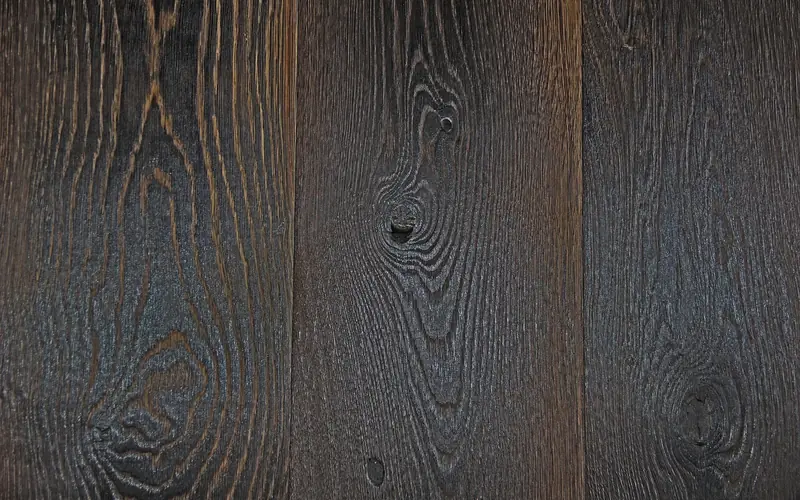
Black wood flooring is almost never a naturally black wood — true jet-black species are rare, so nearly every black floor you see is white oak, red oak, ash, or walnut stained or ebonized to a deep near-black. Installed cost runs roughly $9 to $20 per square foot for solid or engineered hardwood, depending on species and finish. Dust, pet hair, and light scratches show more on dark floors than pale ones, though a matte or satin finish hides far more than a glossy one. This guide covers how black floors are actually made, real costs by flooring type, honest pros and cons, and how to keep the finish looking sharp.
Quick Answer
Black wood flooring is a good choice if you want a dramatic, timeless look and don’t mind more frequent sweeping — dust and light scratches are simply more visible on dark stain than on light. It works best in well-lit rooms with light walls or furniture for contrast, and open-grained woods like oak or ash take the black pigment far more evenly than tight-grained maple.
What Is Black Wood Flooring, and How Is It Actually Made?
Best Black Floor Stain Pick
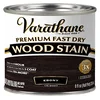
Varathane Premium Fast Dry Ebony Wood Stain
A one-coat, oil-based ebony stain built for interior wood floors, trim, and furniture — the same product category referenced in the ebonizing section above.
- Best for: DIY-staining raw oak or ash flooring, trim, or furniture to black
- Why we picked it: Fast-drying, one-coat coverage on open-grain wood, widely stocked
- Main drawback: Oil-based formula needs ventilation and mineral-spirits cleanup
Keep a black floor looking sharp
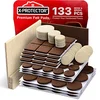 Option 1 X-PROTECTOR Felt Furniture Pads (133 pc)
|
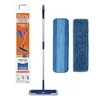 Option 2 Bona Premium Sweep & Clean Mop
|
 Option 3 Weiman Wood Repair System Kit
|
As an Amazon Associate we earn from qualifying purchases.
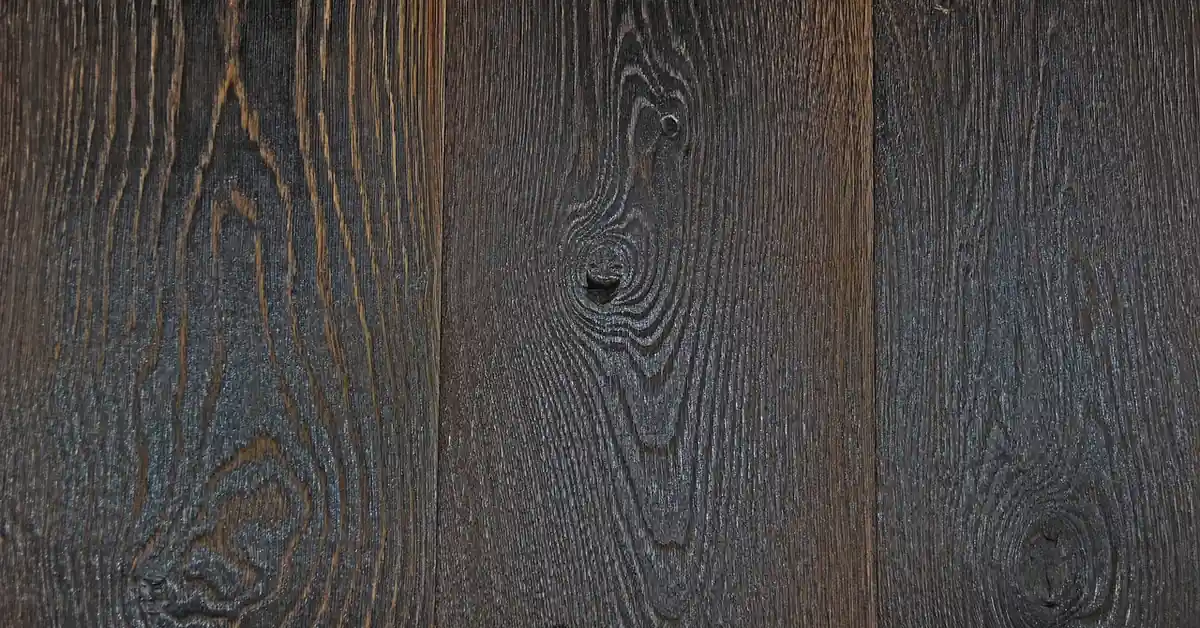
Black wood flooring is ebonized or heavily stained hardwood, not a distinct species. Manufacturers and refinishers reach for white or red oak most often because its open grain pulls pigment deep into the wood, so the color holds up under foot traffic and repeated sanding. Ash and walnut behave similarly. Maple, birch, and other tight-grained woods resist stain and tend to blotch, which is why you rarely see them sold as black flooring.
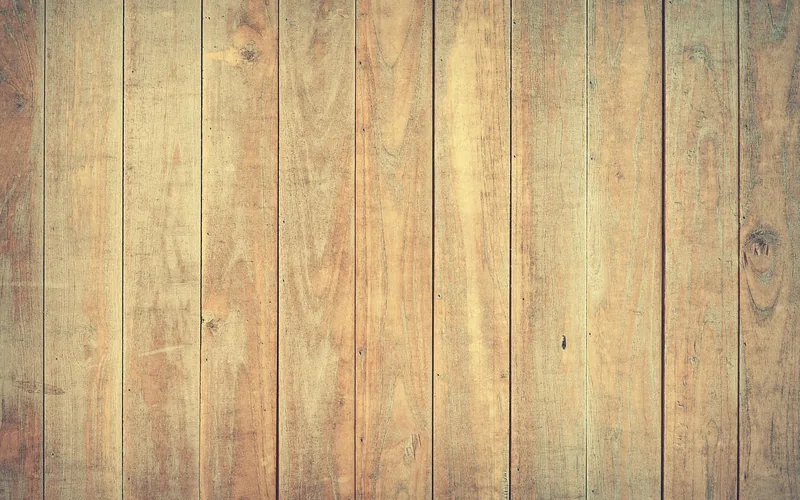
Two methods get a floor to black. The traditional method is ebonizing: a chemical reaction between iron acetate and the wood’s natural tannins turns the surface a deep black without any dye. Iron acetate is easy to make at home by soaking steel wool in vinegar for a few days, and it’s the same chemistry used to ebonize wood furniture and trim. The second, more common method for flooring is direct staining — sanding the boards, dampening the grain to help it accept pigment, then applying a black stain or dye. Staining wood black usually means one or two coats of an oil-based stain like Varathane or Minwax Ebony, sometimes followed by a black dye for a more even, richer tone before sealing with polyurethane.
“Open-grained woods like oak and ash pull ebonizing dye and dark stain into the pores, so the color holds through sanding and years of wear. Tight-grained species like maple or birch mostly sit on the surface — expect blotching and wear-through in high-traffic spots within a year or two.”
Types of Black Wood Flooring and What They Cost
Not every black floor is installed the same way, and the type you choose changes both the price and how it holds up over time.
- Site-stained solid hardwood — unfinished oak or ash planks are installed, sanded, then stained and sealed on-site. Most durable option since it can be sanded and re-stained multiple times over its life.
- Prefinished engineered black hardwood — a thin hardwood veneer over plywood layers, pre-stained and sealed at the factory. Faster to install and more stable in humidity swings, but the veneer limits how many times it can be resanded.
- Black bamboo flooring — carbonized or stained strand-woven bamboo. Strand-woven bamboo exceeds 3,000 on the Janka hardness scale, harder than most domestic hardwoods, making it a durable alternative where budget or eco-preference rules out oak.
| Flooring Type | Installed Cost per Sq Ft | Best For |
|---|---|---|
| Site-stained solid oak | $11 – $20 | Long-term homes, future refinishing |
| Prefinished engineered | $9 – $18 | Faster installs, basements, humidity swings |
| Black strand-woven bamboo | $8 – $16 | Budget-conscious, high-durability needs |
Ranges reflect typical U.S. material-plus-labor pricing for 2026; get local quotes for an exact number, since species grade and subfloor prep both move the price.
Pros and Cons of Black Wood Flooring
Dark floors get contradictory reviews online — some sites claim they hide dirt, others say they show everything. Both are partly true, and the difference comes down to finish sheen and what kind of mess you’re looking at.
Pros
- Resists fading. Dark pigment absorbs light rather than reflecting it, so black floors show less sun-fading over time than light floors and need refinishing less often for color reasons.
- Hides dents better than scuffs. Small dings and dents telegraph less against a dark stain than a light one — it’s specifically fine surface dust and light-colored scratches that stand out.
- Resands like any hardwood. Site-stained solid black hardwood can be sanded and restained multiple times over its life, unlike laminate or vinyl look-alikes.
- Strong design anchor. Black acts as a neutral that pairs with both soft tones (linen, cream) and bold accents (emerald, terracotta, brass), and it makes furniture and rugs stand out.
Cons
- Dust and light debris show fast. Dust, lint, and pale pet hair are visible within hours on a dark floor — the same particles that would be invisible on a mid-tone oak.
- Scratches read as light lines. A scratch removes stain and exposes lighter wood underneath, so it shows as a pale line against black — the opposite problem of dust, but just as visible. A satin or matte finish scatters light and hides fine swirl marks far better than a high-gloss topcoat.
- Repairs are harder to blend. Matching an ebonized or stained plank for a spot repair takes careful sourcing, and if a manufacturer changes their stain formula, new boards may not match old ones.
- Can shrink small, dim rooms. In a room with little natural light, a fully black floor can make the space feel smaller and heavier — it reads best with good light or high contrast on the walls.
Where Black Floors Work Best (and Where to Skip Them)
Black floors read best in rooms with strong natural light or high contrast against the walls and furniture — living rooms, dining rooms, and open-concept spaces with big windows all handle it well. Pair the floor with lighter wall colors so the room doesn’t read as a single dark block, and lean on furniture, rugs, and art to add contrast.
Skip it in small, windowless rooms where a dark floor will make the space feel more cramped, and think twice in a household with light-colored pets or young kids, where the daily dust-and-debris visibility becomes a real maintenance burden rather than a minor annoyance.
How to Keep Black Wood Floors Looking Sharp
Black floors aren’t harder to clean than any other hardwood — they just show the results of skipping maintenance sooner. These steps keep the finish looking intentional instead of neglected.
- Dry-mop or vacuum every 2–3 days. A microfiber dust mop picks up the dust and pet hair that shows first on dark stain, before it builds up into visible film.
- Wipe spills immediately with a damp cloth. Standing water can dull or cloud a polyurethane finish, especially on site-stained solid hardwood.
- Use a pH-neutral, wood-specific cleaner. Avoid ammonia or vinegar-based cleaners on polyurethane finishes — they strip the topcoat’s sheen over time. A wood floor cleaner formulated for finished hardwood is the safer bet.
- Add felt pads under every movable piece of furniture. This is the single biggest lever against the light-line scratches that stand out most on black floors.
- Control indoor humidity between 35–55%. Swings in humidity expand and contract the wood, which can telegraph as cupping or gapping at the seams.
- Touch up or recoat before a full refinish is needed. A screen-and-recoat renews the topcoat’s sheen without sanding to bare wood, and buys years before the floor needs a full refinish.
If the floor has gone years without attention, a full sand-and-refinish resets the color and sheen — see our guide on how many times you can refinish wood floors before the wear layer runs out, especially relevant on engineered black hardwood with a thinner veneer.
Frequently Asked Questions About Black Wood Flooring
Is black wood flooring a good idea?
Yes, if you want a dramatic, timeless look and are willing to sweep or dust-mop more often. It works best in well-lit rooms with light walls or furniture for contrast, and least well in small, dim rooms or households with light-colored pets shedding constantly.
Does black flooring show dust and scratches more than lighter floors?
Yes, but for different reasons. Dust and light-colored pet hair show against the dark background, while scratches show because they expose lighter wood underneath the stain. A satin or matte finish hides both far better than a glossy topcoat.
What wood species stains black the best?
White oak and red oak are the most common choices because their open grain absorbs stain and ebonizing dye evenly. Ash and walnut work well for the same reason. Maple and birch are tight-grained and tend to blotch, so they’re rarely used for black flooring.
How much does black hardwood flooring cost per square foot?
Site-stained solid oak runs about $11 to $20 per square foot installed, prefinished engineered black hardwood runs $9 to $18, and black strand-woven bamboo runs $8 to $16. Species grade, subfloor prep, and local labor rates all move the final number.
Can you DIY ebonize a wood floor yourself?
Yes, on raw or sanded-down oak or ash. Soak steel wool in vinegar for a few days to make iron acetate, then apply it to bare wood — it reacts with the wood’s natural tannins to turn it black without any dye. Test on a scrap board first, since tannin levels vary between boards and affect how dark the reaction goes.
Black wood flooring is a real commitment — to the right wood species, the right finish sheen, and a slightly more frequent cleaning routine — but it delivers a look that doesn’t fade or date the way trend colors often do. Get the species and finish right, browse more options in our wood flooring hub, and the upkeep becomes routine rather than a chore.
Sponsored / affiliate links. As an Amazon Associate I earn from qualifying purchases. I may earn additional commission from eligible campaigns.