Burled Walnut Wood: Why It’s So Expensive (Real Prices)
Burled walnut wood forms when a walnut tree’s dormant buds react to injury or fungal stress, producing the swirling, eye-like grain collectors pay a premium for — and that premium runs from about $25 to several thousand dollars per log, far more than straight-grained walnut lumber. Buying a laminate mislabeled as solid burl wastes that money fast. This guide covers how burl forms, what actually drives its price, and how to care for a finished piece without sanding through it.
History Of Burled Walnut Wood
Best Burled Walnut Finish Restorer Pick
Howard Restor-A-Finish Wood Restorer, 16 oz, Walnut
Wipes on and off to blend out scratches, water rings, and sun fade in an existing finish — without stripping the coat or sanding through thin burl veneer.
- Best for: refreshing a dull or scratched burled walnut finish without refinishing
- Why we picked it: the Walnut shade matches burled walnut’s tone and it’s safe on veneer
- Main drawback: restores existing finish only — won’t fix deep gouges or bare wood
Compare more burled walnut care options
 Option 1 Howard Feed-N-Wax Beeswax Polish, 16 oz
|
 Option 2 Minwax Paste Finishing Wax, Special Dark
|
 Option 3 Howard Restor-A-Finish, Dark Walnut
|
As an Amazon Associate we earn from qualifying purchases.
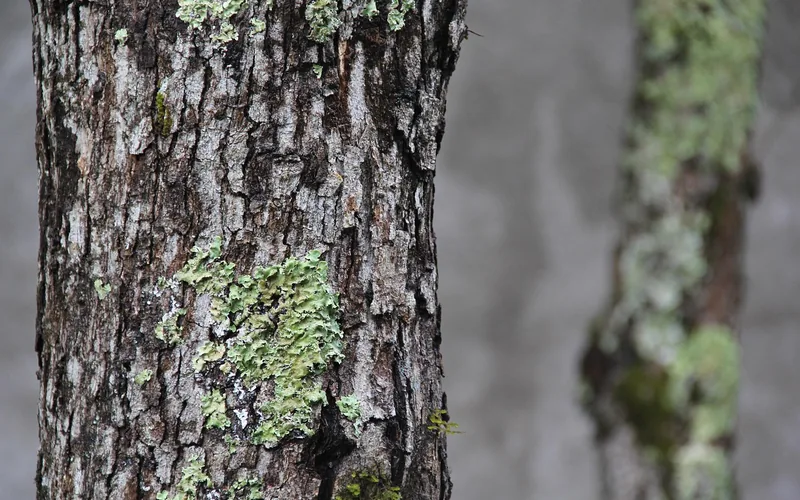
Burl is the abnormal, knotted growth found on a walnut tree’s trunk or roots. It’s a defect, not a species trait — the tree forms it in response to stress, most often insect damage, fungal infection, or a wound in the bark. Once you know that, the pattern makes sense: no two burls grow the same way, so no two boards of burled walnut ever match. It’s one of the most distinctive figures in our broader walnut wood coverage.
Origins Of Burled Walnut
Burled walnut wood comes from the walnut tree (Juglans regia for English/Claro walnut, Juglans nigra for American black walnut). The burl itself grows from dormant buds along the trunk that get stimulated into uncontrolled growth after an injury. The intricate figuring in the wood that results — swirls, “eyes,” and clusters — is unique to each individual burl, which is why buyers pay by the log rather than by a standard grade.
Significance In History
Burled walnut became a symbol of wealth during the Renaissance, when cabinetmakers used it in marquetry — thin veneer pieces inlaid to create detailed patterns in furniture for the aristocracy. That tradition carried through Victorian and Art Deco furniture, and into the dashboards of pre-war luxury cars, where walnut wood veneer signaled status the way leather upholstery still does today.
Characteristics And Beauty Of Burled Walnut Wood
Burled walnut is defined by three things: an irregular grain pattern, a wide color range, and a finish that reads deeper than straight-grained walnut once polished.
Unique Patterns And Grains
The irregular growth behind a burl produces natural patterns that read as waves, eyes, or clustered landscapes — no template, no repetition. That’s the entire appeal: a burl veneer panel is effectively a one-off photograph of how that specific tree responded to damage.
Color Variations
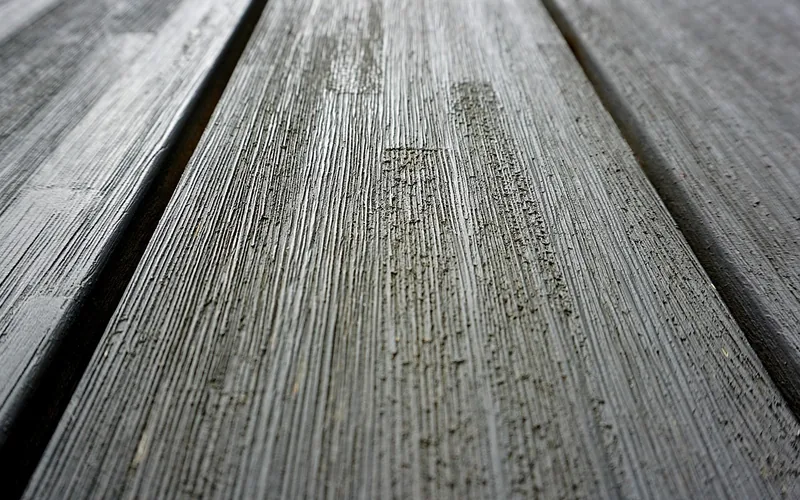
Burled walnut ranges from creamy pale yellow to warm chocolate brown, depending on the tree’s age, which part of the trunk or root the burl came from, and its natural tannin content. If you’re deciding between a lighter or darker board for a project, our walnut vs. black walnut comparison breaks down how species affects that base tone before the burl figure is even added.
Polish And Finish
A properly polished burl surface has more depth than straight-grain walnut because light hits the interlocked fibers from more angles at once. That same interlocking is what makes burl brittle to cut and prone to tear-out — which is the tradeoff every burl buyer needs to understand before choosing solid wood over veneer.
Why Is Burled Walnut So Hard To Work With?
Yes — burl’s grain runs in every direction at once instead of along a single axis, so it resists splitting but is also prone to “checking” (fine surface cracking) as it dries, and can chip like a potato chip if it isn’t backed with a stabilizer during cutting. That’s why most burl reaches the market as thin veneer glued to a stable substrate rather than as solid lumber: a stabilized veneer sidesteps the checking risk that solid burl carries.
How To Identify And Care For Burled Walnut Wood
Real burl shows irregular, non-repeating “eyes” and swirls that continue naturally into the end grain. A faux-burl laminate or printed veneer, by contrast, usually repeats its pattern every 24–48 inches — check a long panel for that repeat before paying solid-burl prices for a printed sheet.
Once you own a piece, upkeep is simple as long as you protect the thin finish layer rather than sand it:
- Dust weekly with a soft, lint-free cloth — grit left on the surface scratches the finish over time.
- Clean gently when needed with a barely damp cloth and mild soap; never saturate the wood, and skip ammonia-based cleaners, which strip finish.
- Restore the finish, don’t strip it — a finish restorer wipes on and off to blend scratches, water rings, and sun fade back into the existing coat instead of removing it.
- Keep it out of direct sun and off heat sources; UV and heat fade and dry burl figure faster than plain-grain walnut.
- Use coasters and pads under drinks and hot dishes to prevent water rings and heat marks.
“Burl veneer is often just a few dozen thousandths of an inch thick — sand through the face during a routine touch-up and there’s no wood left to save. We reach for a finish restorer before we ever pick up sandpaper on a burl-veneered piece.”
Once buffed, a quality French polish or wax topcoat protects the figure long-term without dulling the swirl the burl is prized for.
How Much Is Burled Walnut Worth?
Walnut burl is the most expensive burl on the market. Raw, unprocessed burl typically sells for around $5 a pound to a few thousand dollars per log depending on size, figure quality, and buyer demand — and exceptional curly, crotch-figured, or oversized burl logs have sold at auction for tens of thousands of dollars each.
📊 Solid raw walnut burl generally runs $25 to several thousand dollars per log, and finished burl-veneer furniture (a side table or coffee table) typically retails around $100–$300+. — Source: WOODWEB, Dollar Value of a Walnut Burl
Scarcity is the main driver: burl can’t be farmed or predicted, so supply depends entirely on which trees happen to get injured and survive long enough to grow a usable burl. Density and difficulty of milling add to the labor cost, which is why a skilled buyer inspects the end grain in person rather than trusting photos alone.
Veneer Vs. Solid Burl: Which Should You Buy?
Most burled walnut sold today is veneer, not solid lumber — and for most projects, that’s the right call, not a downgrade.
| Form | Typical Price | Best For |
|---|---|---|
| Burl veneer sheet | Roughly $10–$40 per sq. ft. | Tabletops, cabinet fronts, inlay work — stable, resists checking |
| Solid burl block/log | $25 to several thousand per log | Turned bowls, small sculptural pieces, collectors |
| Printed/faux burl laminate | A few dollars per sq. ft. | Budget furniture where authenticity isn’t the goal |
Veneer over a stable substrate sidesteps the checking and cracking risk covered above, costs less per project, and is what most furniture makers actually reach for — solid burl is really a specialty choice for turners and collectors who want a standalone piece.
Applications Of Burled Walnut Wood
Burled walnut’s rarity and figure make it a material for accents, not structural work — it shows up wherever a small surface needs to carry the most visual weight in a room or interior.
Fine Furniture
Tabletops, cabinet door panels, and drawer fronts are the classic use — a small burl veneer panel set into a plainer walnut frame lets the figure read as a feature rather than overwhelming the piece.

Luxury Car Interiors
Dashboard trim and door panel inlays in higher-end vehicles have used burled walnut veneer since the early 20th century — it’s thin, lightweight, and doesn’t need to bear any load, which makes veneer (not solid wood) the practical choice here too.
Decorative Art Pieces
Turned bowls, small sculptures, and inlay work let makers use solid burl in pieces small enough that the checking risk stays manageable, since the grain’s chaos is the entire point of the finished object.
Future Of Burled Walnut Wood
Sustainability Practices
Because burl can’t be predicted or farmed, sustainable sourcing depends on responsible forestry and salvaging burl from trees already being harvested or removed, rather than seeking out injured trees specifically.
Modern Innovations
Better stabilizing resins and thinner, more consistent veneer-slicing have made burl easier to work with than it was a generation ago, which is part of why veneer has largely replaced solid burl in production furniture.
Global Influence
From luxury furniture to architectural millwork, burled walnut remains a status material worldwide — the Sam Maloof walnut rocker is a well-known example of how far a maker’s reputation can ride on how they handle figured walnut.
Frequently Asked Questions About Burled Walnut Wood
Is Burled Walnut Expensive?
Yes. Walnut burl is the most expensive common burl on the market, generally running $25 to several thousand dollars per log depending on figure and size, because supply can’t be farmed or predicted.
What Is Walnut Burl Wood?
Walnut burl wood is the swirling-grained material cut from an abnormal, knotted growth on a walnut tree’s trunk or roots, caused by injury, insect damage, or fungal stress rather than the tree’s normal growth pattern.
How Much Is A Walnut Burl Worth?
Raw walnut burl typically sells for $25 to several thousand dollars per log based on size, grade, and figure quality; exceptionally large or curly-figured logs have sold at auction for tens of thousands of dollars.
What Kind Of Wood Is Burled Wood?
Burled wood isn’t a species — it’s a growth defect that can occur in almost any tree, including walnut, maple, and redwood. Walnut burl is the most valuable because of its density, dark color, and dramatic figure.
How Do You Tell If Burl Wood Is Real?
Check the end grain and look for the pattern to repeat. Real burl shows irregular, non-repeating swirls that continue naturally into the end grain; a printed or laminate imitation typically repeats its pattern every 24–48 inches.
Is Burl Wood Veneer Worse Than Solid Burl?
No — for most furniture, veneer over a stable substrate is the more practical choice. It avoids the checking and cracking that solid burl is prone to, costs less per project, and is what most professional furniture makers use.
Conclusion
Burled walnut wood earns its price through scarcity, not marketing — every burl grows differently, and supply depends entirely on which trees happen to get injured. Whether you buy veneer for a tabletop or a solid block for a turned bowl, protect the figure by restoring the finish instead of sanding it, and check the end grain for a genuine, non-repeating pattern before paying solid-burl prices.
Sponsored / affiliate links. As an Amazon Associate I earn from qualifying purchases. I may earn additional commission from eligible campaigns.