Can You Cook With Walnut Wood? (Black vs English Walnut Matters)
It depends which walnut you have. English (Carpathian) walnut is used cautiously by some smokers for red meat — beef, pork, game — in small amounts. Black walnut carries a higher concentration of juglone, a natural compound most sources recommend avoiding for anything that touches food, including smoking wood and cutting boards. If you don’t know which type you have, treat it as black walnut and choose a different wood.
Quick Answer
English/Carpathian walnut can be used sparingly to smoke red meat (beef, pork, game). Black walnut is generally not recommended for food contact of any kind — its juglone content is higher, and the smoke can turn bitter. For a safer, milder smoking wood, most sources recommend maple, beech, oak, or hickory instead.
Black Walnut vs English Walnut: Why the Difference Matters
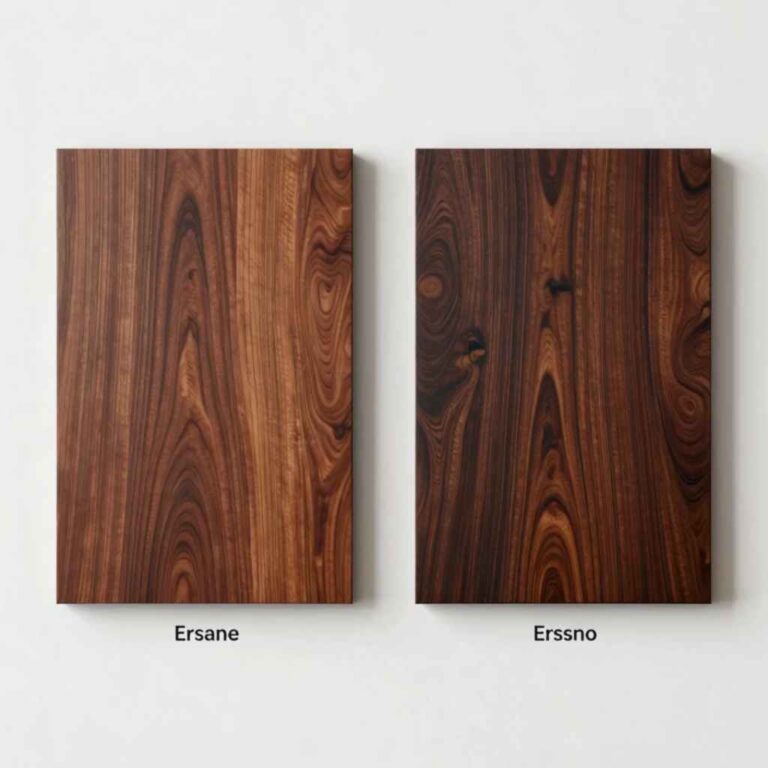
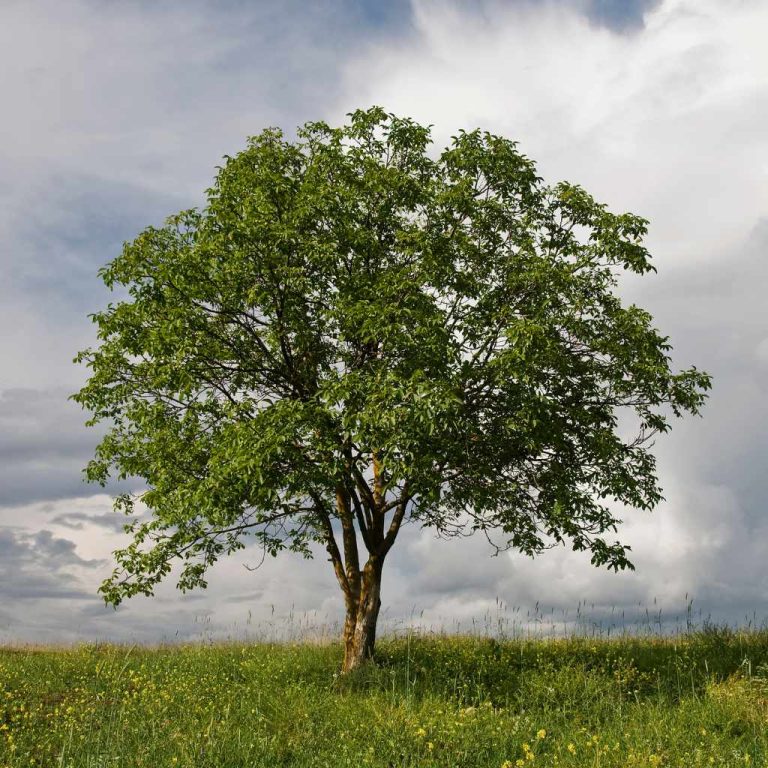
“Walnut wood” isn’t one thing when it comes to food safety. Black walnut (native to North America) contains a meaningfully higher level of juglone, a natural allelochemical the tree produces — it’s well documented as toxic to certain plants and animals (notably horses), and most cooking and woodworking sources advise against using it for anything in direct or repeated contact with food, including smoking wood and cutting boards. English walnut (sometimes called Carpathian walnut) is a milder relative, and some experienced smokers use it in small amounts specifically for red meat like beef, pork, or wild game — never poultry or fish, where its strong flavor overwhelms rather than complements.
If you’re not certain which type of walnut you have — reclaimed lumber, a fallen tree, or wood from an unknown source — the safer default is to assume it’s black walnut and skip using it for food-contact purposes entirely.
If You Do Use English Walnut for Smoking
- Red meat only: beef, pork, and game can handle walnut’s strong, slightly bitter smoke. Poultry and fish generally can’t.
- Use it sparingly: mix a small amount of walnut with a milder wood like oak or hickory rather than using it alone — undiluted walnut smoke is often described as harsh or bitter.
- Make sure it’s fully dried and cured: green or wet wood produces more creosote and a harsher smoke regardless of species.
- Age it if you can: walnut is one of the hardest woods used for smoking, which is why it burns long and steady — but many pitmasters age it a full year or two before use specifically to mellow out the bitterness, more so than with milder woods.
Safer Alternatives for Smoking
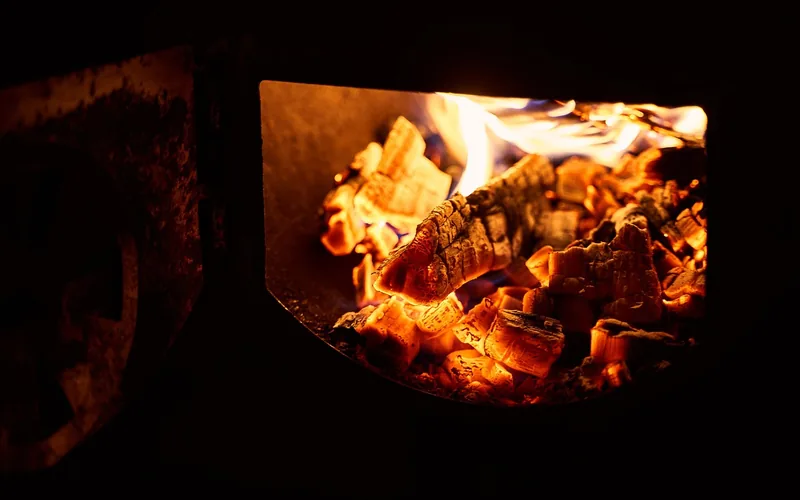
If you’d rather not deal with the black-vs-English walnut question at all, maple, beech, oak, and hickory are widely used, well-established smoking woods that don’t carry the same juglone concerns and are easier to source with confidence.
Walnut Wood’s Other Uses
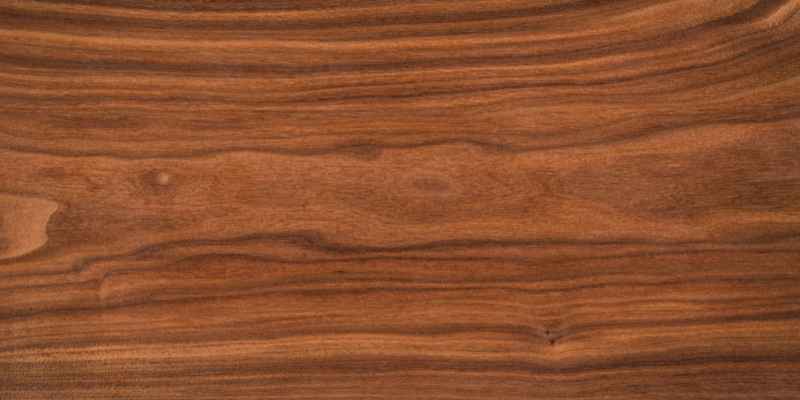
Outside the kitchen, walnut is prized in furniture, bowls, and fine woodworking for its rich, dark color and distinctive grain — uses where food contact isn’t a factor. That’s where most of walnut’s real value as a material lies, rather than as a cooking wood.
Is Walnut Safe for Cutting Boards and Utensils?
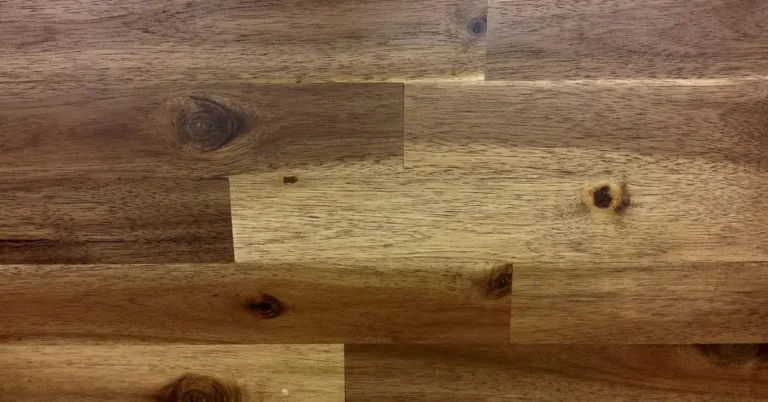
This is where the picture gets more nuanced than the smoking-wood question above. Cured, kiln-dried walnut heartwood — including black walnut — is one of the more common hardwoods sold commercially for cutting boards, bowls, and wooden utensils, and furniture and kitchenware makers generally treat it as food-safe once it’s fully dry. That’s a different situation from using walnut as smoking wood, where the wood is burned and its compounds are deposited directly into food through smoke; a cutting board only contacts food at its finished, sealed surface, so the concerns aren’t the same.
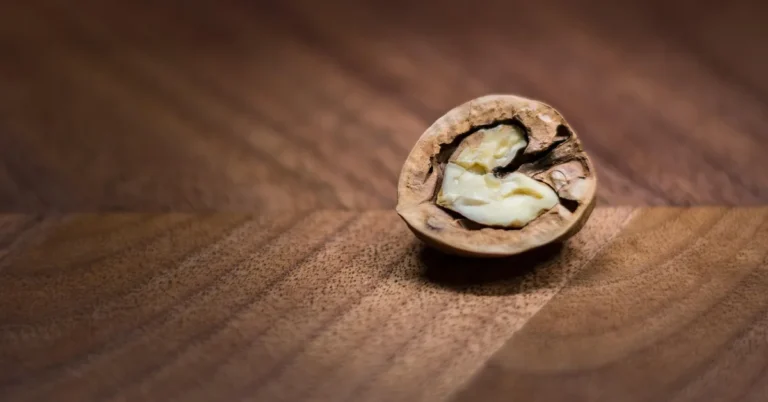
The juglone caution applies most strongly to fresh, green wood and the walnut hull/husk surrounding the nut — the husk in particular carries a much higher concentration of juglone and tannins, and it’s well known for staining hands dark brown and irritating skin on contact. That’s a very different material from finished, cured heartwood lumber. If you’re milling your own board from a walnut log rather than buying finished lumber, let it dry and cure fully — as a rough guide, roughly a year per inch of thickness for air-drying — before using any of it for food-contact items, and always finish a new board with a food-safe oil or wax before first use.
Woods for Cutting Boards and Utensils: Walnut vs Maple vs Cherry vs Teak
Walnut isn’t the only option, and it isn’t automatically the best one for every use. Here’s how it stacks up against other common cutting-board and utensil woods, and which woods are best avoided entirely:
| Wood | Food-Safety Notes | Best For |
|---|---|---|
| Walnut (cured) | Considered food-safe once kiln-dried/cured; closed grain; softer than maple so it’s gentler on knife edges | Cutting boards, serving boards, utensils, bowls |
| Hard Maple | The traditional standard for cutting boards; tight, closed grain resists bacteria and moisture well | Everyday cutting boards, butcher blocks |
| Cherry | Closed grain, food-safe, softer than maple | Cutting boards, utensils, decorative serving pieces |
| Teak | Naturally high in oils, which gives it good water resistance; food-safe and widely used commercially | Cutting boards, boards exposed to more moisture |
| Oak (avoid) | Open, porous grain traps moisture and food particles, making it harder to keep sanitary | Generally not recommended for cutting boards |
| Yew and other toxic woods (avoid) | Contains genuinely toxic compounds and should never be used for anything food-related | Not for food contact under any circumstances |
How to Season and Maintain a Walnut Cutting Board or Utensil
Whether you bought a walnut board or built one, the maintenance routine is the same as for most hardwood cutting boards:
- Season before first use: apply a generous coat of food-safe mineral oil (or a board cream that blends mineral oil and beeswax), let it soak in for several hours or overnight, then wipe off any excess.
- Re-oil on a schedule: once a week for a new board, tapering to once a month as it becomes seasoned — a board that looks dry or feels rough is overdue.
- Follow oil with beeswax occasionally: a beeswax/mineral-oil blend applied every few months adds a bit of water resistance on top of the oil.
- Hand wash only, and dry immediately: wash with mild soap and warm water right after use, then towel-dry and stand it on edge to air out — never let a wooden board sit wet or soaking.
- Never put it in the dishwasher: the heat and prolonged water exposure will warp, crack, or split a wooden board regardless of species.
Common Mistakes With Walnut Cutting Boards and Utensils
- Using unfinished, uncured wood: a board or utensil made from green or partially dried walnut can still carry a meaningful amount of surface tannin and moisture — always confirm the lumber is fully cured first.
- Soaking or dishwashing the board: this is the single most common way people ruin a hardwood board of any species, walnut included.
- Skipping the initial seasoning: using a new board before oiling it leaves the wood more prone to absorbing liquids, odors, and stains.
- Confusing wood juglone with a tree-nut allergy: juglone is a plant compound unrelated to the proteins that trigger walnut-kernel food allergies — but if you have a diagnosed tree-nut allergy, check with an allergist before assuming a walnut board poses no risk to you.
- Using reclaimed or unknown-source walnut for food items: if you can’t confirm the wood is cured black or English walnut heartwood (rather than green wood, husk-contaminated lumber, or a different species entirely), don’t use it for anything food-contact.
Frequently Asked Questions
Is black walnut wood toxic for smoking meat?
Most sources advise against using black walnut for smoking or any food contact — its juglone content is meaningfully higher than English walnut’s, and the smoke tends to be bitter. Choose a different wood, like oak, hickory, maple, or beech, if you have black walnut.
Can you make a cutting board out of walnut wood?
Yes — cured, kiln-dried walnut (including black walnut) is a common commercial cutting-board wood and is generally considered food-safe once fully dry. The juglone concern applies mainly to fresh, green wood and the husk around the nut, not to finished heartwood lumber. If you’re unsure the wood is fully cured, or you’re working with reclaimed/unknown-source wood, it’s safer to choose a well-established board wood like maple instead.
What does walnut wood smoke taste like?
Strong, earthy, and slightly bitter — much more intense than milder woods like apple or maple. It’s typically blended with a milder wood rather than used alone, and reserved for red meat rather than poultry or fish.
Is black walnut wood the same as the walnuts that cause tree-nut allergies?
Not exactly. Juglone, the compound of concern in walnut wood, is unrelated to the proteins in walnut kernels that trigger tree-nut allergies. Still, anyone with a diagnosed walnut allergy should check with an allergist before assuming a walnut cutting board or utensil is risk-free for them.
How do I season a new walnut cutting board?
Apply a generous coat of food-safe mineral oil, let it absorb for several hours or overnight, then wipe off the excess. Re-oil weekly at first, tapering to monthly once the board is seasoned, and always hand wash and dry it immediately rather than soaking it or using a dishwasher.
Conclusion
The species matters more than the general question “can you cook with walnut.” English walnut, used sparingly on red meat, is what cautious smokers actually reach for. Black walnut’s higher juglone content is why most guides recommend avoiding it for food contact entirely — if in doubt about which one you have, pick a different wood.
Sponsored / affiliate links. As an Amazon Associate I earn from qualifying purchases. I may earn additional commission from eligible campaigns.