California Wood Burning Ban What You Must Know
Navigating the rules around wood burning in California can feel a bit confusing at first. Many people wonder exactly when and where they can and cannot light a fire. It’s a common challenge for residents trying to enjoy their fi
Understanding California Wood Burning Restrictions
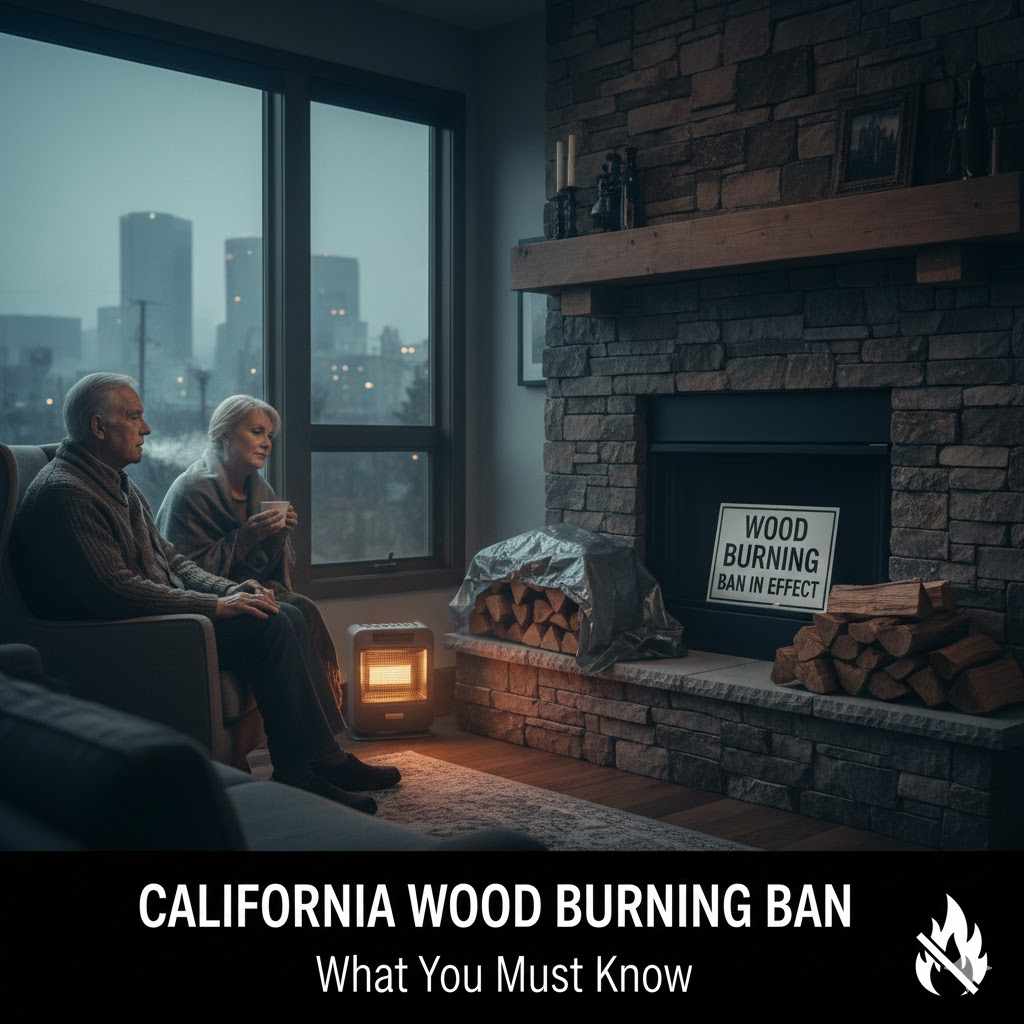
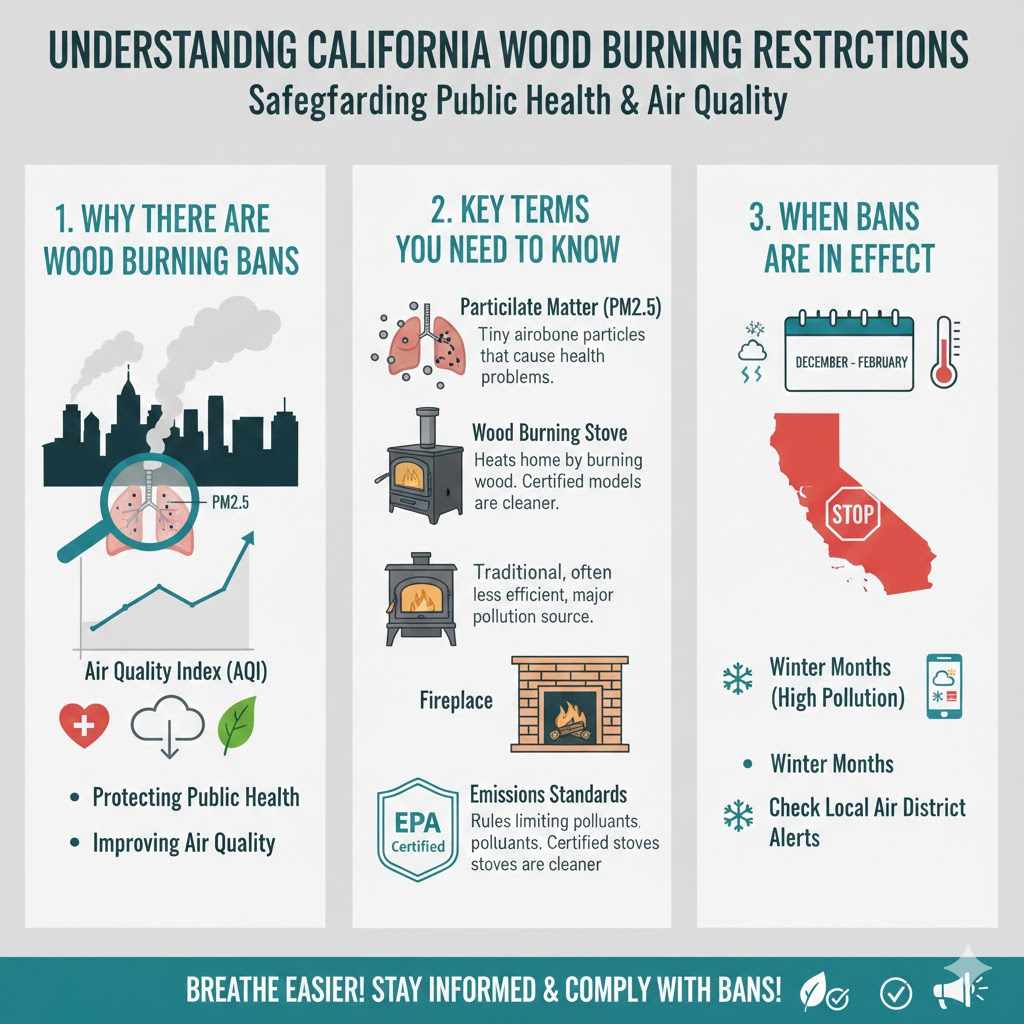
Knowing about the California Wood Burning Ban: What You Must Know is important for many people living in the Golden State. These bans are put in place to help clear the air, especially during times when pollution levels are high. This helps protect everyone’s health.
Why Are There Wood Burning Bans
Wood smoke contains fine particulate matter, which is tiny soot that can get deep into your lungs. When many people burn wood at the same time, especially on still days, this smoke can build up. This makes the air quality very bad. Air districts across California issue these bans to reduce the amount of this harmful pollution. They want to ensure that the air is safe for everyone to breathe.
Protecting Public Health
The primary reason for wood burning bans is to safeguard public health. Breathing in polluted air can cause or worsen respiratory problems like asthma, bronchitis, and emphysema. It can also lead to heart issues and other serious health concerns. By limiting wood burning, the state aims to lower the risk of these health problems for its residents, especially for children and the elderly who are more vulnerable.
Improving Air Quality
California has some of the most polluted air basins in the United States. Wood smoke is a significant contributor to this problem, particularly during winter months when heating needs increase. The bans are a crucial tool in the ongoing effort to improve the state’s overall air quality and meet federal clean air standards.
Environmental Impact
Beyond health, wood smoke contributes to environmental issues like haze and the formation of ground-level ozone. Reducing wood burning helps to mitigate these negative environmental effects, contributing to a cleaner and healthier ecosystem for all.
Key Terms You Need to Know
When talking about wood burning bans, a few terms pop up often. It helps to know what they mean so you can understand the rules clearly.
Particulate Matter (PM2.5)
Particulate matter, often called PM2.5, refers to tiny particles in the air that are 2.5 micrometers or smaller. Think of them as dust, dirt, or smoke that’s so small you can’t see it easily. When you burn wood, these tiny particles are released into the air. They can get deep into your lungs and even enter your bloodstream. High levels of PM2.5 are linked to breathing and heart problems. Air quality alerts often focus on PM2.5 levels.
Wood Burning Stove
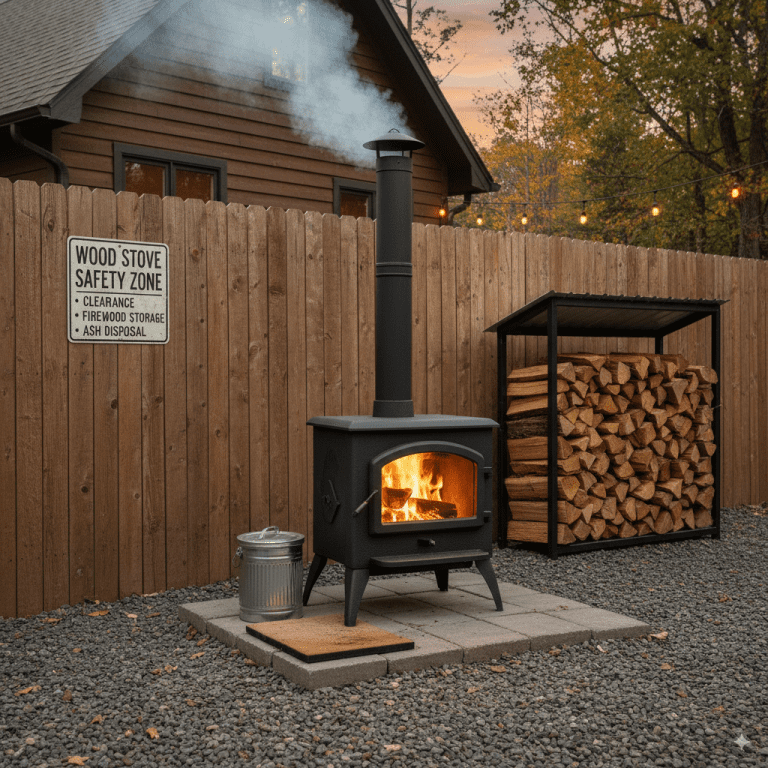
A wood burning stove is a heating appliance that burns wood to produce heat. These can range from old-fashioned cast-iron models to more modern, efficient designs. Not all wood stoves are the same. Some are certified to meet strict emissions standards, meaning they release fewer pollutants into the air than older models. The type of stove you have can sometimes affect whether a ban applies to you.
Fireplace
A fireplace is a structure built into a house to contain a fire. Most traditional fireplaces are open to the room and can be significant sources of air pollution. They often burn wood less efficiently than a stove. Many bans specifically target the use of fireplaces because they are less efficient and release more smoke.
Emissions Standards
Emissions standards are rules that limit how much pollution a device can release. For wood stoves, these standards are set by agencies like the U.S. Environmental Protection Agency (EPA). Stoves that meet these standards are considered cleaner burning. If you have an EPA-certified stove, you might have more flexibility during certain ban periods. This is because they are designed to burn wood more completely and produce less smoke.
How California’s Wood Burning Bans Work
California has a unique system for managing wood burning. It’s not a single, statewide ban that happens all the time. Instead, it depends on where you live and the current air quality.
Air Quality Districts and Their Rules
California is divided into air quality management districts. Each district has the power to set its own rules for wood burning. This means what is allowed in one area might be different in another. For example, the rules in Los Angeles County might not be the same as in the San Francisco Bay Area or in a rural mountain town. You need to know which district you are in to find the exact regulations that apply to you.
The main districts include:
South Coast Air Quality Management District (SCAQMD) covering Los Angeles, Orange, Riverside, and San Bernardino counties.
Bay Area Air Quality Management District (BAAQMD) covering the nine counties around San Francisco Bay.
San Joaquin Valley Air Pollution Control District (SJVAPCD) covering the central part of the state.
These districts monitor air quality daily. When pollution levels, especially particulate matter, reach a certain threshold, they can declare a “Stage 1” or “Stage 2” burn day.
Types of Burn Days
Air districts use different stages of burn days to inform the public and implement restrictions.
“No-Burn” Days
These are the most restrictive. On a “no-burn” day, all burning of wood in fireplaces, wood stoves, and outdoor fire pits is prohibited. This usually happens when air quality is forecast to be unhealthy or very unhealthy. The goal is to prevent any additional pollution from being released into the air.
“Check Before You Burn” Days
On these days, residents are advised to check current air quality conditions and the specific rules for their area. Burning might be allowed, but it’s often restricted to cleaner-burning appliances only. It’s crucial to verify the status before lighting any fire.
Exemptions and Special Cases
There are often exceptions to the general rules. For instance, if wood burning is your sole source of heat and you don’t have another safe way to stay warm, you might be exempt from some bans. Some very efficient, EPA-certified wood stoves may also be allowed to operate even when older or less efficient models are prohibited. These exemptions are meant to help vulnerable populations and those with limited heating options.
Examples of Restrictions in Action
Let’s look at a couple of scenarios to see how these bans play out.
1. Scenario One: A Cold Winter Evening
It’s a chilly December evening in Fresno, California, which is part of the San Joaquin Valley Air Pollution Control District. The air quality forecast for tomorrow predicts high levels of particulate matter due to stagnant air and expected wood burning. The district issues a “Stage 1” alert. This means that no one in the district can burn wood in their fireplace or non-certified wood stove. If someone has an EPA-certified wood stove and it’s their only heat source, they might still be able to use it.
2. Scenario Two: A Hazy Summer Day
Even though it’s summer, smoke from distant wildfires can sometimes cause air quality issues. Imagine a day in the Los Angeles area, under the South Coast Air Quality Management District. While not typically a winter problem, extreme conditions can lead to burn restrictions. If wildfire smoke is causing unhealthy air, SCAQMD might declare a “no-burn” day for fireplaces and wood stoves, even though the primary cause isn’t local wood burning. This is to prevent adding any further stress to the air quality.
What You Need To Know About California Wood Burning Ban: What You Must Know
Understanding the specifics of the California Wood Burning Ban: What You Must Know is key to staying compliant and protecting your health and the environment. It’s more than just a simple rule; it’s a system designed to manage air quality effectively.
How to Check Burn Day Status
Knowing if it’s a burn day or not is the most critical piece of information. Air districts provide several ways to get this information quickly and easily.
Websites and Apps
Most air quality districts have dedicated sections on their websites where you can check the daily burn status. Some even offer mobile apps that send notifications when burn day status changes. For example, the San Joaquin Valley APCD has a clear “Check VMS” system online. The Bay Area BAAQMD also provides easy-to-access information.
Automated Phone Lines
Many districts offer an automated phone number you can call to hear the current burn day status. This is a helpful option if you don’t have reliable internet access or prefer to get information over the phone. You simply dial the number, and a recording tells you the status for your region.
Local News and Radio
During periods of high pollution, local news channels and radio stations will often report the burn day status. It’s a good idea to stay informed by checking these sources regularly, especially during the fall and winter months when bans are most common.
When Do Bans Typically Occur
Wood burning bans are most common during the cooler months, typically from November through February. This is when weather patterns, like inversions, can trap pollutants close to the ground.
Inversion Layers
An inversion layer is a weather phenomenon where a layer of warm air sits above a layer of cooler air near the ground. This traps smoke and pollution, preventing it from rising and dispersing. When these inversions are present, air districts are much more likely to declare burn days to prevent air quality from becoming dangerous.
Low Wind Conditions
Days with little to no wind are also prime candidates for burn bans. Without wind to blow the smoke away, pollution can quickly build up and reach unhealthy levels.
What Types of Fires Are Affected
The restrictions generally apply to the burning of solid fuels, which primarily means wood.
Fireplaces
Traditional open masonry fireplaces are often the first to be restricted because they are the least efficient and release the most pollutants. They are often included in “no-burn” days.
Wood Stoves
The rules for wood stoves can vary. Older, non-certified stoves are usually banned along with fireplaces. EPA-certified wood stoves, which are designed to burn cleaner and more efficiently, may be allowed on some burn days, but often not on the most severe ones. It is always best to check the specific rules for your stove model and your district.
Outdoor Fires
Outdoor wood-burning devices, such as fire pits and chimineas, are also typically included in these bans. This is because they contribute to overall particulate matter levels in the community. The focus is on reducing all sources of wood smoke pollution.
California Wood Burning Ban: What You Must Know Compliance and Penalties
Following the rules is important. The air quality districts take wood burning regulations seriously to protect everyone.
Why Compliance Matters
Obeying wood burning restrictions is not just about following a rule. It’s about contributing to cleaner air for your neighbors, your family, and yourself. When everyone does their part, the air quality improves significantly. This means fewer asthma attacks, fewer respiratory issues, and a healthier environment for all Californians.
Health Benefits
When wood burning bans are enforced, the immediate effect is a reduction in harmful particulate matter. This leads to fewer emergency room visits for respiratory problems and a general improvement in the quality of life for sensitive individuals. Children, the elderly, and those with pre-existing heart or lung conditions benefit the most.
Community Responsibility
Adhering to these bans demonstrates a commitment to community well-being. It shows that you understand the impact of your actions on others and are willing to make small sacrifices for the greater good. This collective effort is essential for achieving significant improvements in air quality.
Penalties for Violations
Failing to comply with wood burning bans can result in fines. These fines are intended to discourage people from burning wood when it is prohibited. The amount of the fine can vary depending on the air district and whether it is a first offense or a repeat violation.
First Offense
A first-time violation typically results in a warning and a fine. The exact amount can differ, but it serves as a reminder of the importance of the regulations. For example, in some districts, a first offense might carry a fine of a few hundred dollars.
Repeat Offenses
If you are caught violating the ban multiple times, the fines usually increase significantly. Some districts may even have escalating penalties for repeat offenders, aiming to ensure compliance.
Tips for Staying Compliant
The best way to avoid fines and contribute to cleaner air is to stay informed and plan ahead.
Bookmark Your Air District’s Website
Make it a habit to visit your local air quality district’s website regularly, especially during the fall and winter. Keep the “Check Before You Burn” page bookmarked for easy access.
Sign Up for Alerts
Many districts offer email or text alert systems. Sign up for these to receive immediate notifications about burn day status changes. This way, you won’t miss important updates.
Consider Alternative Heating
If you frequently burn wood, explore alternative heating sources for your home. Having a reliable backup heating system can ensure you stay warm even when wood burning is prohibited. This could include electric heaters, natural gas furnaces, or a heat pump.
Know Your Appliance
If you have a wood stove, make sure you know its certification status. Having documentation for an EPA-certified stove can be important if you plan to use it during restricted periods.
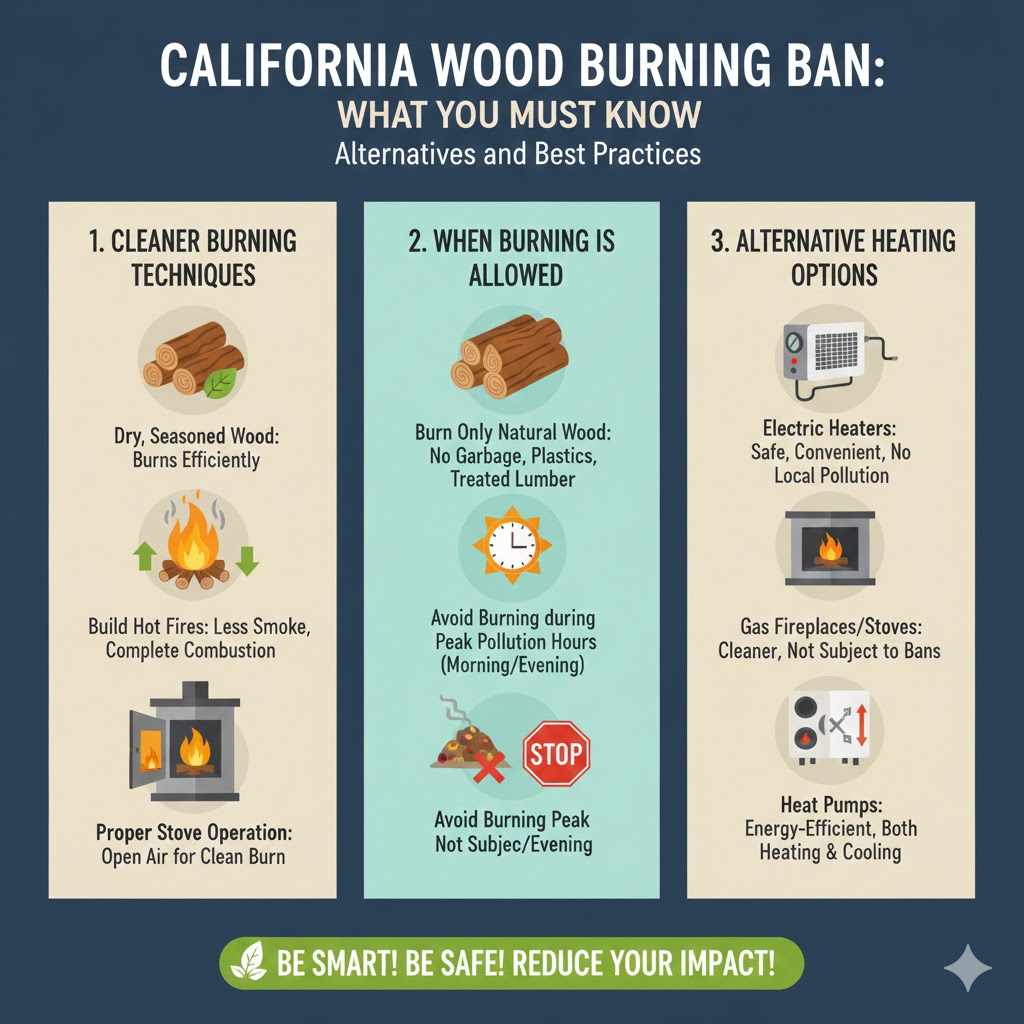
California Wood Burning Ban: What You Must Know Alternatives and Best Practices
When wood burning is restricted, or even when it’s allowed, adopting cleaner practices can make a big difference.
Cleaner Burning Techniques
Even on days when burning is permitted, how you burn your wood can impact emissions.
Use Dry, Seasoned Wood
Always burn dry, seasoned wood. Wood that is properly seasoned has had time to dry out, usually for at least six months. Wet or unseasoned wood burns inefficiently, producing more smoke and creosote (a flammable tar). Look for wood that is cracked at the ends and sounds hollow when banged together.
Build Hot Fires
Start fires by building them hot and fast. Use plenty of dry kindling and small pieces of wood to get the fire going strongly. A hot fire burns wood more completely, reducing smoke. Once the fire is well established, you can add larger pieces of wood.
Proper Stove Operation
If you have a modern wood stove, learn how to operate it correctly. Many stoves have air controls that you can adjust. Generally, you want to keep the air supply open enough to ensure a hot, clean burn. Avoid “smoldering” fires, which create a lot of smoke.
When Burning Is Allowed: What to Burn
When you can burn, make sure you’re only burning the right things.
Burn Only Natural Wood
Only burn natural, untreated wood. Never burn garbage, plastics, treated lumber, or yard waste. These materials can release toxic chemicals into the air and damage your stove or fireplace. Burning trash is also illegal and harmful.
Avoid Burning during Peak Hours
If possible, avoid burning during peak pollution hours, which are often in the morning and evening. Burning during midday when air circulation might be better can sometimes help reduce the impact.
Alternative Heating Options
When bans are in effect, or for a more environmentally friendly approach, consider these alternatives:
Electric Heaters
Portable electric heaters are a safe and convenient option for supplemental heat. They are easy to use and don’t produce any local air pollution.
Gas Fireplaces and Stoves
Many homes have gas fireplaces or stoves that run on natural gas or propane. These are much cleaner than wood burning and are not typically subject to the same bans.
Heat Pumps
Heat pumps are energy-efficient systems that can provide both heating and cooling. They use electricity to move heat from one place to another, making them an environmentally friendly heating solution.
Central Heating Systems
If your home has a central heating system, like a natural gas furnace or electric heating, this should be your primary heating source when wood burning is restricted.
Frequently Asked Questions
Question: What is the main goal of California’s wood burning bans
Answer: The main goal is to protect public health by reducing air pollution, specifically fine particulate matter (PM2.5), which can cause respiratory and heart problems.
Question: Do wood burning bans apply to all of California
Answer: No, wood burning bans are enforced by individual air quality districts, so rules can vary depending on where you live in California.
Question: Can I still use my fireplace if there’s a ban
Answer: Typically, no. Most bans prohibit the use of fireplaces and older, non-certified wood stoves. EPA-certified wood stoves may have different rules.
Question: How can I find out if there is a wood burning ban today
Answer: You can check your local air district’s website, use their mobile app, or call their automated phone line for daily burn status information.
Question: What happens if I burn wood during a ban
Answer: You may receive a warning or be subject to fines, which can increase for repeat violations.
Conclusion
Staying informed about the California Wood Burning Ban: What You Must Know helps you avoid fines and contribute to cleaner air. Always check your local air district’s daily burn status before lighting a fire. Use only dry, seasoned wood and consider cleaner alternatives when restrictions are in place. Your actions make a difference for everyone’s health.