Outdoor Wood Burning Firepit: Placement, Wood Choice and Safety Rules
An outdoor wood-burning fire pit needs three things to be both enjoyable and legal to use: the right placement, the right wood, and a spark screen. Skip any one of those and you’re either fighting smoke all night, risking a fine from your city’s open-burning ordinance, or dealing with embers landing on your deck. This guide covers what actually matters when you’re buying, siting, and running one — not the decorating side (for backyard design and layout ideas once your fire pit is in place, see our creative wood-burning fire pit ideas guide).
Placement and Local Rules Come First
Best Above-Ground Steel Fire Pit
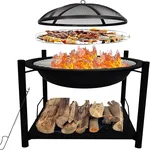 |
SereneLife 26″ Outdoor Wood Fire Pit – $107.19 A 2-in-1 steel bowl fire pit and BBQ grill with the mesh spark screen this guide recommends built in.
|
Before you buy anything, check your city or county’s open-burning ordinance — many municipalities require a permit for wood-burning fire pits, restrict them during dry seasons or “burn ban” days, or ban them outright inside city limits (some allow only gas or propane pits in dense residential areas). Once you’ve confirmed wood burning is allowed, most local codes and fire pit manufacturers call for at least 10 feet of clearance from your house, fence, or any overhanging branches — some jurisdictions require 15 to 25 feet, so check your specific ordinance rather than assuming 10 feet covers you.
Set the pit on a non-combustible surface: poured concrete, pavers, gravel, or a dedicated fire pit pad. If you’re placing it on an existing wood deck, you need a fire-resistant mat rated for the purpose underneath — radiant heat alone from a steel bowl can scorch decking even without direct contact.
In-Ground vs. Above-Ground Fire Pits
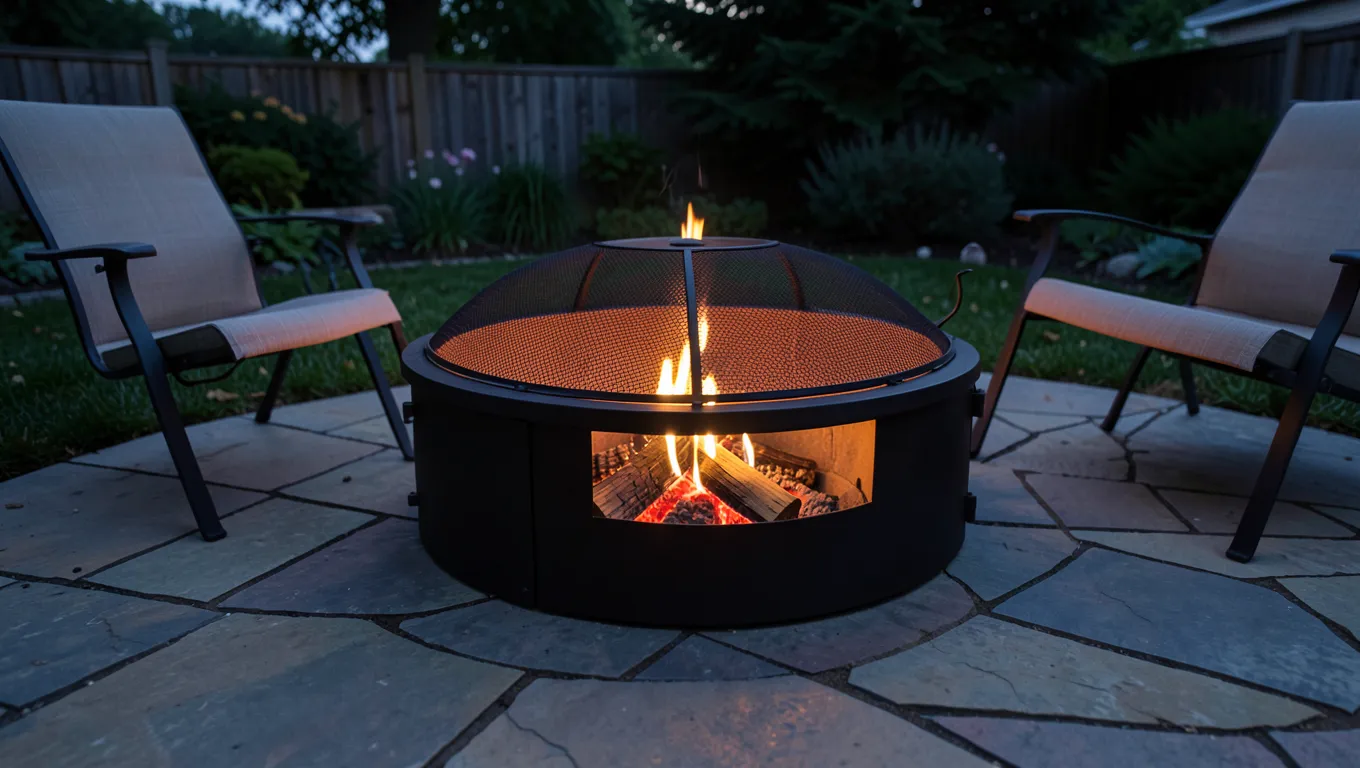
An in-ground or built-in fire pit (stacked stone or brick, set into the ground) gives a permanent, high-heat-output feature but costs more, takes a weekend or more of masonry work, and can’t be moved once built. An above-ground steel bowl fire pit, like the one below, costs far less, sets up in under an hour, and can be relocated if you rearrange the patio or move house — the tradeoff is a thinner steel wall that will eventually rust or warp with heavy use, versus stone or brick that lasts decades.
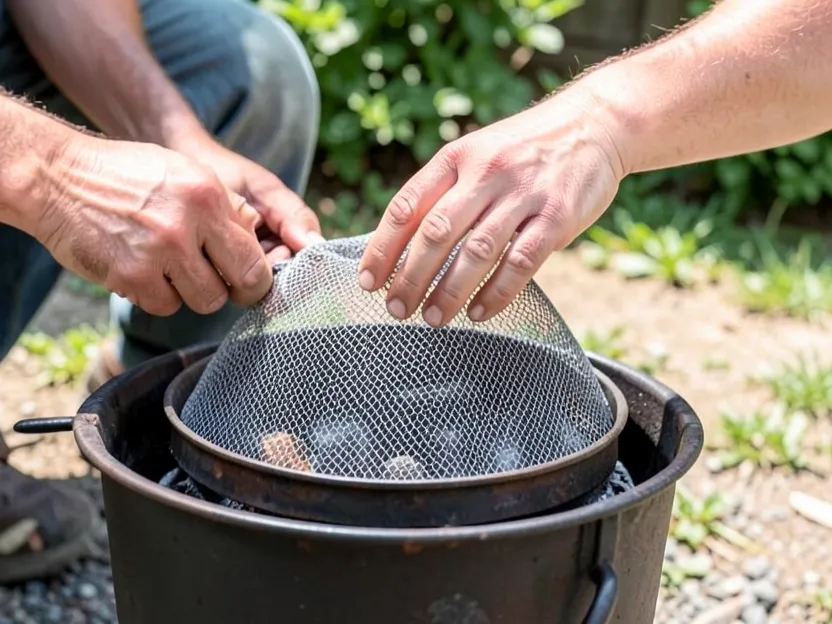
Whichever style you choose, a mesh spark screen is not optional. Dry hardwood pops and throws embers several feet, and a screen is what actually stops those embers from landing on dry grass, a deck, or a person sitting close by. Most fire pit kits include one; if yours didn’t, a universal spark screen dome is a cheap add-on.
Fire Pit Materials: What Actually Holds Up
Painted or powder-coated steel is the most common material on budget and mid-range fire pits — it’s light enough to move and handles direct flame contact well, but the coating eventually flakes from repeated heat cycling, and bare steel underneath will rust once it’s exposed. Stainless steel resists that rust and costs more, which is why it shows up on pricier “smokeless” pit designs. Cast iron holds heat longer after the fire dies down and feels more substantial, but it’s heavy (expect two people to move a full-size one) and will also rust if left uncovered in wet weather. Copper develops an attractive patina over time and resists corrosion well, but it’s the most expensive option by a wide margin. For most backyard use, a coated or stainless steel bowl with a proper cover between uses gives the best durability for the price.
Choosing the Right Wood
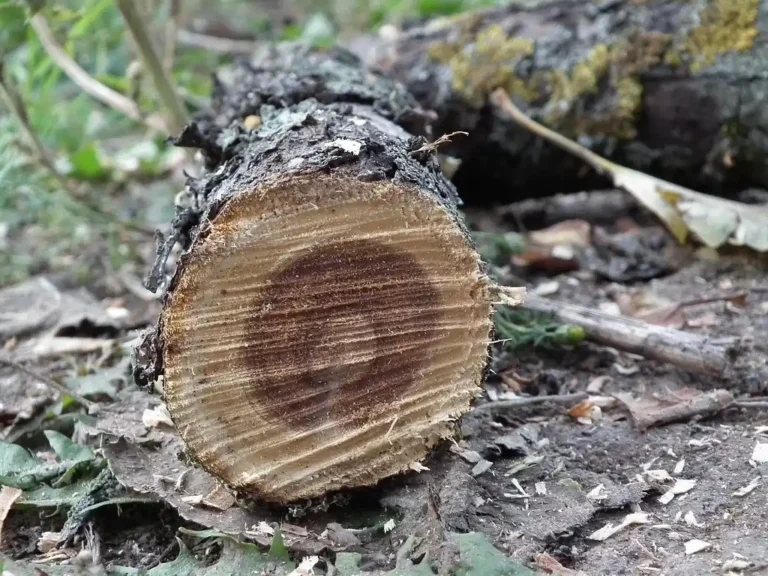
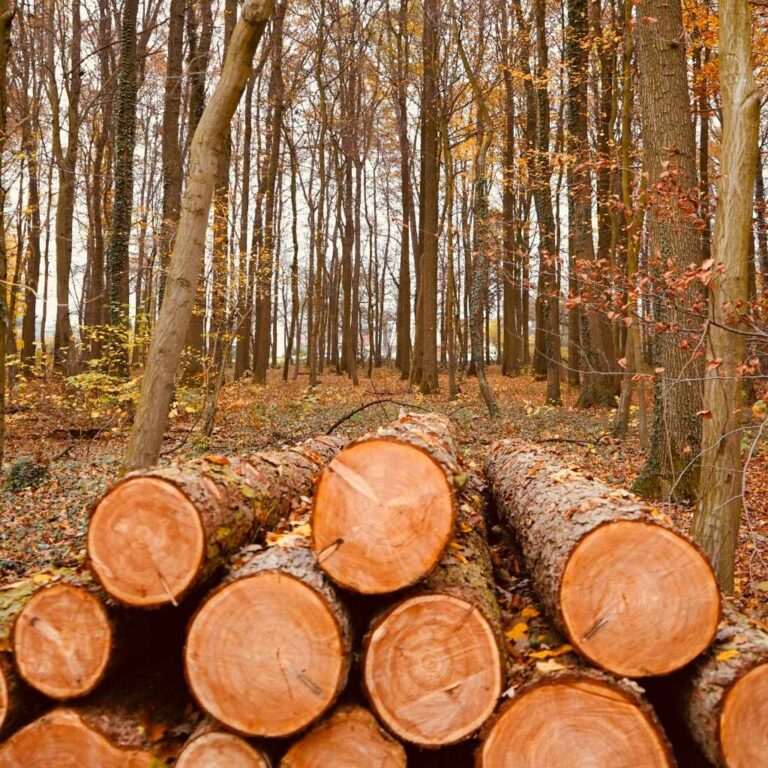
Seasoned hardwood — oak, hickory, maple, or ash, dried for at least six months to a year — burns hotter, longer, and with far less smoke than softwood or green (freshly cut) wood. Softwoods like pine and fir contain more resin and burn fast and hot with a lot of sparking, which is fine for a quick blaze but not ideal for a long evening. Wet or unseasoned wood is the single biggest cause of a smoky, hard-to-light fire — the fire spends most of its energy boiling off trapped moisture instead of burning cleanly. A moisture meter reading under 20% is the practical test for “seasoned enough.”
Never burn treated or painted lumber, particleboard, or construction scraps in a fire pit meant for sitting around — treated wood releases chemical compounds (including arsenic compounds from older CCA-treated lumber) into the smoke you’d be breathing directly. Stick to clean, seasoned firewood sold specifically for burning.
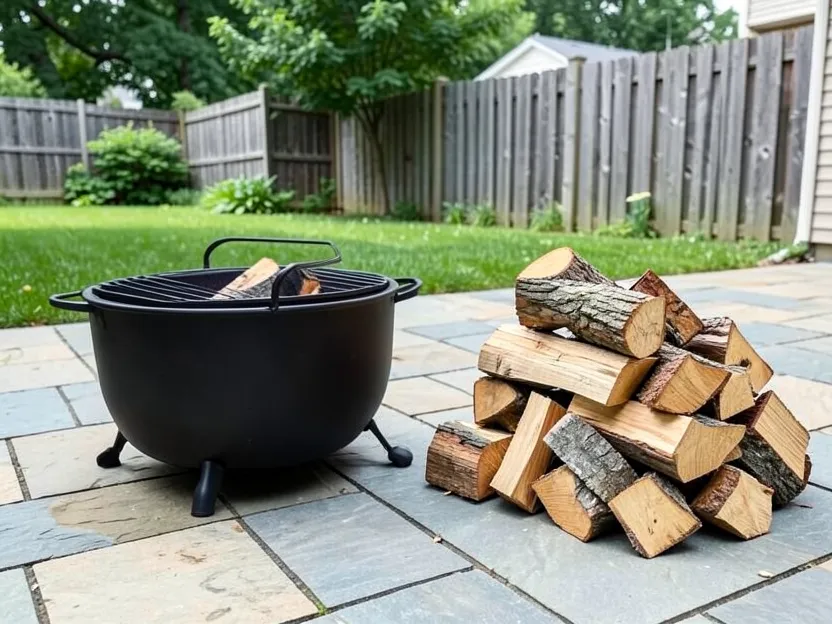
Store firewood off the ground and under cover — a simple rack with a tarp or roof keeps rain off the top rows while still letting air circulate through the stack, which is what actually finishes the seasoning process. Wood stacked directly on dirt or grass wicks up ground moisture from underneath even if the top looks bone dry, so a pallet or raised rack underneath makes a real difference over a full season.
Lighting and Running the Fire Safely
- Start with a loose tepee or log-cabin stack of kindling and small splits; skip lighter fluid, which flares unpredictably and leaves a chemical smell in the smoke.
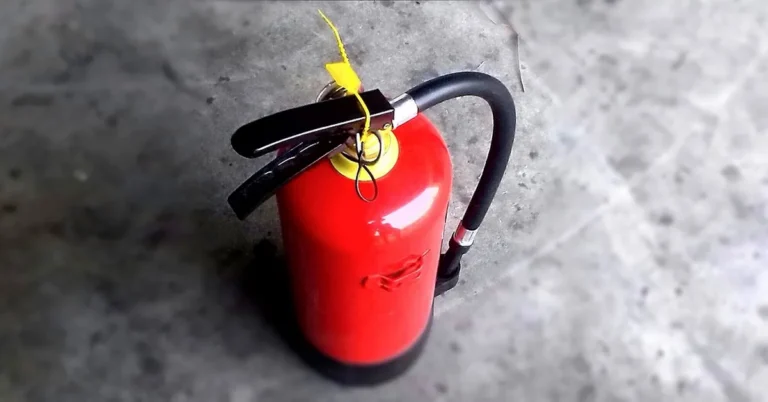
- Keep a hose, bucket of water, or fire extinguisher within reach any time the pit is lit — not stored somewhere across the yard.
- Never leave a lit fire pit unattended, even for a few minutes, and keep children and pets outside the direct radiant-heat zone (closer than you’d think for a steel bowl pit).
- Add wood a piece or two at a time rather than piling it high; a smaller, well-fed fire is easier to control than one that’s overloaded and roaring.
Shutting It Down Completely
Let the wood burn down to ash rather than dousing a full bed of coals — it’s faster and safer. Spread the remaining coals apart with a poker so they cool evenly, then pour water over them, stirring with the poker as you go. Feel for heat with the back of your hand (never touch directly) before you consider it out; a bed of ash can hide live coals for hours and reignite if left. Never dump ash into a plastic bin or cardboard box — use a metal ash bucket, and don’t empty it until you’re certain it’s cold, even a full day later.
Frequently Asked Questions
How far does a wood-burning fire pit need to be from my house?
Most local codes and manufacturers require at least 10 feet of clearance from your house, fence, and any overhanging branches, though some jurisdictions require 15 to 25 feet. Check your city or county’s specific fire code before placing the pit, since requirements vary by location.
What’s the best wood to burn in a fire pit?
Seasoned hardwoods like oak, hickory, maple, and ash burn longer, hotter, and with less smoke than softwoods. Wood should be dried for at least six months to a year, ideally testing under 20% moisture, since wet or green wood produces heavy smoke and a weaker fire.
Do I need a permit for a wood-burning fire pit?
It depends on your city or county. Many municipalities require a burn permit or restrict wood-burning fire pits during dry-season burn bans, and some dense residential areas allow only gas or propane pits. Check your local ordinance before buying or installing one.
Is an in-ground or above-ground fire pit better?
An in-ground or built-in stone/brick fire pit is more permanent and durable but costs more and can’t be relocated. An above-ground steel bowl fire pit is cheaper, sets up quickly, and can be moved, though the steel will eventually wear faster than masonry under heavy use.
Sponsored / affiliate links. As an Amazon Associate I earn from qualifying purchases. I may earn additional commission from eligible campaigns.