Can a Gas Fireplace Be Converted to Wood Burning? Discover How
Imagine coming home on a chilly evening, eager to unwind in front of a cozy, crackling wood fire. There’s something magical about the authentic warmth and aroma of burning wood that a gas fireplace just can’t replicate.
If you’ve been wondering whether your gas fireplace can be converted to a wood-burning one, you’re not alone. Many homeowners are curious about this transformation, seeking that rustic charm and natural ambiance only wood can provide. We’ll explore the possibilities and considerations of making this switch, ensuring you’re equipped with the knowledge to make the best decision for your home.
Whether you’re seeking the nostalgia of a traditional hearth or simply want a change, understanding your options could pave the way to your perfect fireplace experience. Let’s dive in and see if this cozy dream can become your reality.
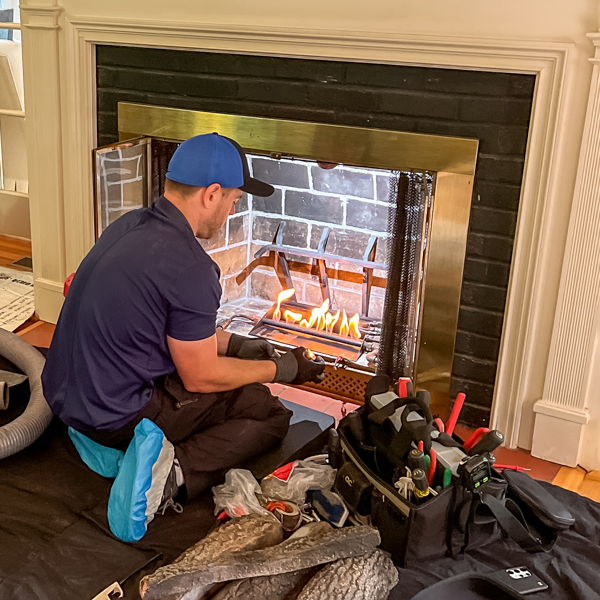
Credit: www.bethesdachimney.com
Gas Vs. Wood Fireplaces
Gas fireplaces are easy to use. Just press a button to start. No need for logs or cleaning ash. They are clean and efficient. Provide consistent heatwithout smoke. Ideal for busy families. No mess to worry about. They are also safe. No sparks or flying embers. Perfect for homes with kids. Many styles to choose from. Match any room decor easily.
Wood burning fireplaces are warm and cozy. The crackling sound is soothing. They offer real flames. Create a special atmosphere. Great for cold nights. Wood is a natural fuel. Can be cheaperin some areas. Give a sense of tradition. Perfect for holidays. They are environmentally friendly. Use renewable resources. Provide a workout when cutting wood. Bring family closer when gathering around.
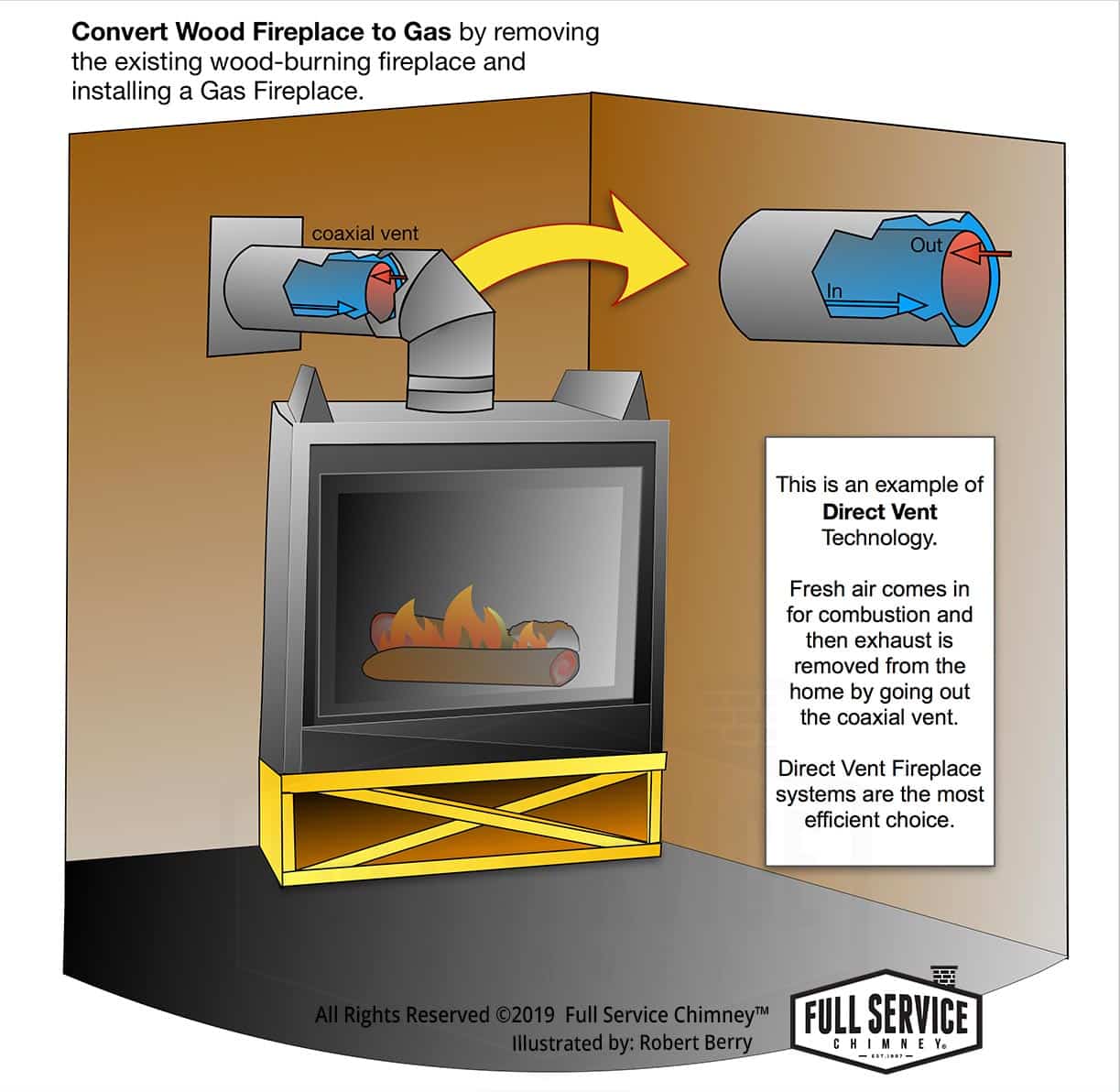
Credit: fullservicechimney.com
Feasibility Of Conversion
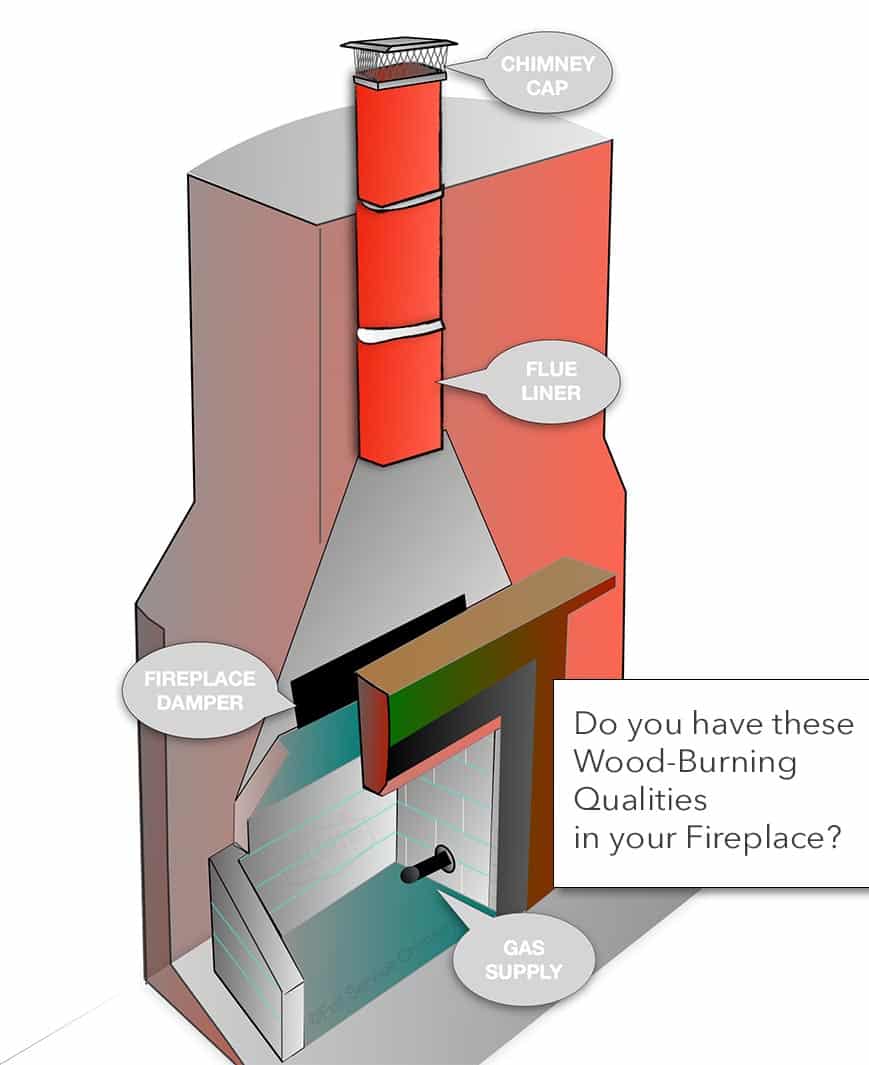
Convertinga gas fireplace to wood requires careful planning. The structure must support the conversion. Gas fireplaces are built for gas use. They might not have the necessary chimneyfor wood smoke. Check the existing chimney size. It should be the right size for wood burning. Ensure the fireplace is made of materialsthat can handle wood heat. Gas fireplaces often have different designs. These designs need adjusting to burn wood safely.
Examine the fireplace for necessary changes. Check if the chimney needs rebuilding. Wood fireplaces need a proper fluefor smoke. Look at the firebox. It may need changes for wood logs. Consider the ventilation system. Wood burning needs proper air flow. Make sure the structure can handle these changes safely.
Follow the rules for fireplace conversion. Check local building codes. These codes may have rules for chimney size. You might need a permit. Some areas require inspectionsafter conversion. Ensure the fireplace meets all safety standards. Use certified professionals. They know the regulations. This ensures a safe conversion. Make sure you understand all the legal requirements.
Necessary Tools And Materials
Safety gear is a must. Get gloves and goggles. Measuring tape helps check sizes. Screwdriver is needed for screws. A hammer is useful for nails. Wrench is for bolts. Drill is needed for holes. Saw helps cut wood. Gather all before starting.
| Material | Purpose |
|---|---|
| Firewood | Burning |
| Brick | Build fireplace |
| Cement | Bind bricks |
| Chimney pipe | Smoke escape |
Steps For Conversion
Start by checking the fireplace’s structure. It must be sturdy. Ensure the chimney is suitable for wood burning. This means it should be clean and functional. Measure the space needed for the wood setup. Also, verify local regulations. Some areas have rules about burning wood. Get advice from a fireplace expert. They can tell if conversion is possible. Consider the costs involved. Wood burning needs more maintenance. Think about the pros and cons. Safety is crucial. Proper checks ensure safe conversion.
Remove gas components carefully. This includes pipes and fittings. Install a wood-burning insert. It fits inside the existing fireplace. Ensure it’s the right size. Check for gaps or leaks. A professional installer is helpful. They ensure everything fits well. Connect the chimney to the insert. This helps smoke escape safely. Add safety features like a screen. These prevent sparks from escaping. Test the setup thoroughly. Make sure wood burns well. Check for smoke leaks. Regular maintenance keeps it safe.
Safety Measures
Converting a gas fireplace to wood burning requires several safety measures. Ensure proper chimney inspection and cleaning. Adequate ventilation is crucial to prevent smoke buildup. Always consult a professional to handle the conversion safely. Follow local building codes and regulations to ensure compliance.
Ventilation Needs
Gas fireplaces need less air flow than wood ones. Wood burning creates smoke and soot. This smoke must escape the room. Good ventilation is crucial. Without it, smoke can fill the room. This can harm people inside. It is important to check your home’s ventilation system. Make sure it is ready for wood burning. Proper airflow keeps the air clean. It also prevents health risks. Always prioritize safety for your family. A well-ventilated room is a safe room.
Fire Safety Precautions
Wood fires produce more flames and heat. This requires strong safety measures. Keep flammable items away from the fireplace. Install a fire screen to block sparks. Make sure smoke alarms work well. Regular checks are important. Keep a fire extinguisher nearby. Safety tools help prevent fire accidents. Educate family members on fire safety. Explain escape routes and emergency actions. Safety is always a priority when using a fireplace.
Maintenance And Care
Gas fireplaces can be converted to wood burning, but it requires careful planning and professional help. Ensure the chimney is suitable for wood fires. Regular maintenance is necessary to keep it safe and efficient.
Cleaning Practices
Regular cleaning keeps your fireplace safe and working well. Use a soft brush to clear ashes. Wear gloves to protect your hands. Check the chimney for blockages. Soot can build up fast. Remove soot with a vacuum. Wipe glass doors with a damp cloth. Avoid harsh chemicals. They can damage surfaces. Inspect the logs for cracks. Replace if needed.
Routine Inspections
Annual inspections are very important. Call a professional to check the chimney. They look for cracks and other issues. Inspect the damper to ensure it opens and closes well. This keeps smoke out of your home. Check for animal nests in the chimney. They can block airflow. Test smoke detectors in your home. They should work well for safety.
Cost Implications
Changing a gas fireplace to wood costs money. Materials and labor are needed. Experts might be hired for safe work. Permits may be required too. This adds to the total cost. Plan your budget carefully.
A wood fireplace might have higher maintenance costs. Chimney cleaning is necessary. Wood must be bought regularly. Check for insurance changes. Wood fireplaces might affect home insurance rates. Think about these long-term costs before deciding.

Credit: www.angi.com
Frequently Asked Questions
How Much Does It Cost To Convert A Gas Fireplace To Wood?
Converting a gas fireplace to wood typically costs between $500 and $2,500. Prices vary based on materials and labor. Complex projects may require higher budgets. Always consult professionals for accurate estimates and safe conversions.
How Do I Know If My Gas Fireplace Can Convert To Wood?
Check your gas fireplace model’s manual or consult a professional. Some models allow conversion to wood-burning. Ensure your chimney is suitable for wood. Always verify local regulations and safety requirements before converting.
Can I Use My Gas Fireplace To Burn Wood?
No, you cannot use a gas fireplace to burn wood. Gas fireplaces are designed specifically for gas fuel only. Burning wood can damage the fireplace and create safety hazards. Always follow the manufacturer’s guidelines for safe operation. If you want to burn wood, consider installing a wood-burning fireplace instead.
How Hard Is It To Turn A Gas Fireplace Into A Wood-burning Fireplace?
Converting a gas fireplace to wood-burning is challenging and costly. It requires structural changes and permits. Consult a professional for safety and compliance. Consider costs, chimney modifications, and local regulations before proceeding. Always prioritize safety and efficiency when making such conversions.
Conclusion
Converting a gas fireplace to wood is possible, yet challenging. Consider safety and costs before making a decision. Consult with professionals to ensure safety and compliance. Wood burning offers a traditional feel and cozy warmth. Gas fireplaces provide convenience and ease of use.
Each choice has its own benefits and drawbacks. Weigh your options carefully. Understand your needs and lifestyle. This ensures satisfaction and safety in your home. Make an informed choice for your fireplace conversion. Enjoy the warmth and ambiance that best suits your home.