Can a Dremel Cut Metal? Yes — Wheels, RPM & Limits
Yes, Dremel rotary tools cut aluminum, steel, copper, and brass cleanly using an EZ Lock fiberglass-reinforced cutting wheel — but hardened steel and stock thicker than 3/8 inch push past what the tool can handle. Twist a thin cut-off wheel sideways instead of feeding it straight through the metal and it will shatter at up to 35,000 RPM. This guide covers which wheel fits each metal, safe cutting speeds, and when to use a grinder instead.
What Metal Can (and Can’t) a Dremel Cut?
Best Dremel Cutting Wheel Kit Pick
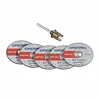
Dremel EZ406-02
Includes the EZ402 mandrel plus 5 fiberglass-reinforced EZ456 cutting wheels — everything needed to start cutting metal with a Dremel.
- Best for: First-time Dremel metal cutting — gives you the mandrel and wheels together
- Why we picked it: Includes the reinforced EZ456 wheels this guide recommends, plus the mandrel most starter kits leave out
- Main drawback: Only 5 wheels — frequent cutting will burn through them faster than a bulk pack
Compare more cutting wheel options
 Option 1 Dremel EZ456
|
 Option 2 Dremel EZ728-01 11-Piece EZ Lock Cutting Accessory Micro Kit
|
 Option 3 EZARC 1-1/2 Cut Off Wheels
|
As an Amazon Associate we earn from qualifying purchases.
A Dremel’s abrasive cutting wheel spins fast enough to cut through most metals a home metalworking shop deals with, but thickness and hardness both matter more than the material name alone. Here’s how the common metals break down:
| Metal Type | Best Attachment | Practical Limit | Notes |
|---|---|---|---|
| Aluminum, brass, copper | EZ456 cutting wheel | Up to ~3/16 in | Cuts fastest and cleanest of any metal |
| Mild/sheet steel, galvanized pipe | EZ456 fiberglass-reinforced wheel | Up to ~1/8-3/16 in | Light passes beat forcing one deep cut |
| Stainless steel | Reinforced wheel, slower speed | Up to ~1/8 in | Runs hot — light pressure limits discoloration |
| Hardened steel (files, tempered bolts) | Not recommended | N/A | Wheels wear out fast — use an angle grinder instead |
If you’re regularly cutting metal thicker than 3/8 inch, an angle grinder or chop saw handles it more efficiently than a Dremel ever will. And for hardened steel specifically, the same rule applies whether you’re drilling or cutting — the tool needs more torque than a rotary tool provides.
📊 Dremel rates its cutting wheels for a maximum of 35,000 RPM when cutting aluminum, brass, copper, and steel — Source: Dremel.com, 2026.
Dremel Attachments for Cutting Metal
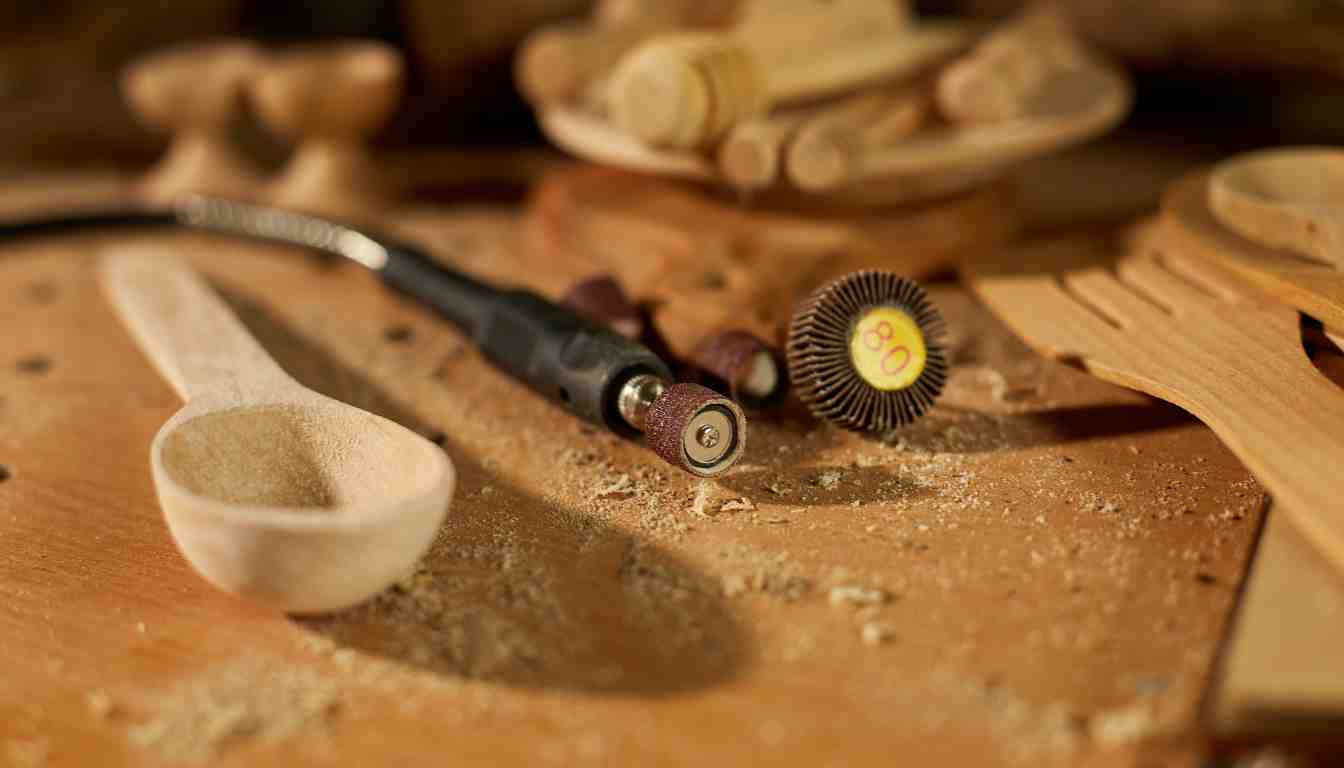
With the right attachment, a Dremel becomes a genuinely useful metal-cutting tool. Three attachments cover almost every metal-cutting job: cutting wheels, metal cutting discs, and saw blades.
Cutting Wheels
Dremel cutting wheels — like the EZ456 — are thin, fiberglass-reinforced discs built for narrow, precise cuts in stainless steel, aluminum, and brass. They’re the go-to choice for detailed cutouts and intricate metalworking designs.
Metal Cutting Discs
Metal cutting discs are thicker and more durable than standard cutting wheels, built to slice through steel, iron, copper, and aluminum with less risk of chipping. They deliver smoother cuts with fewer burrs, which matters when you’re cutting pipes, sheets, or rods that need a clean edge.
Saw Blades
For heavier metal-cutting tasks, a Dremel saw blade attachment handles thicker steel and iron stock that a thin cutting wheel would struggle with. They’re built tougher, which makes them the better choice for larger cuts or repeated use on industrial-grade material.
How to Cut Metal With a Dremel (Step-by-Step)
Getting a clean cut comes down to four things: the right attachment, a secure workpiece, the correct speed, and a steady hand.
- Choose the right attachment: match the wheel to the metal — an EZ456 fiberglass-reinforced cutting wheel for steel and sheet metal, a metal cutting disc for thicker stock, or a saw blade attachment for heavy cuts.
- Secure the metal: clamp the workpiece in a vise or with locking clamps so it can’t shift — a moving workpiece is the most common cause of a snapped wheel.
- Set the speed: run the Dremel near its top setting (up to 35,000 RPM) for aluminum, brass, copper, and steel; drop speed slightly on stainless to reduce heat buildup.
- Make the cut: guide the wheel straight down through the metal in light, steady passes — never twist or lever the wheel sideways, which is what shatters it.
“The most common way a thin cut-off wheel shatters isn’t from cutting too slow — it’s from twisting the wheel sideways mid-cut. Feed it straight down in a line and even the EZ Lock wheels hold up through dozens of cuts.”
Safety Precautions
Metal shavings and sparks fly in every direction when a Dremel is cutting, so a few safety basics matter every time — not just on the tough jobs.
Eye and Respiratory Protection
Always wear safety goggles or a face shield — metal shavings and sparks can cause serious eye injuries in a fraction of a second. Metal dust and fumes are also worth protecting against, especially on galvanized or coated metal, where a dust mask or respirator keeps you from breathing in particles you can’t see.
Protective Clothing and Ventilation
Long sleeves, thick pants, closed-toe shoes, and leather gloves keep hot shavings off your skin. Work in a space with an open window or exhaust fan running — metal cutting produces fumes that build up fast in a closed garage or workshop.
Frequently Asked Questions
Can a Dremel cut hardened steel?
Not reliably. Abrasive cutting wheels wear down fast against hardened steel like tempered bolts, files, or springs, and a Dremel doesn’t generate enough torque to push through it efficiently. For hardened steel, an angle grinder or die grinder with a purpose-built abrasive wheel cuts faster and burns through far fewer wheels.
How thick of metal can a Dremel realistically cut?
A Dremel handles sheet metal, thin tubing, and stock up to about 1/8 to 3/16 inch cleanly. Past roughly 3/8 inch, cutting slows down, wheels wear out quickly, and an angle grinder or chop saw finishes the job faster with less wheel waste.
What RPM should I use to cut metal with a Dremel?
Dremel rates its cutting wheels for up to 35,000 RPM on aluminum, brass, copper, and steel — run at or near the tool’s top speed for these metals. Drop to a slightly lower speed on stainless steel to reduce heat buildup and wheel wear.
Do you need cutting oil to cut metal with a Dremel?
No. Dremel cut-off wheels are abrasive, not a toothed blade, so they don’t need cutting oil the way a hacksaw or band saw blade does. Light, steady passes control heat better than oil — if the wheel starts smoking, ease off the pressure instead.
What’s the difference between a Dremel cutting wheel and a metal cutting disc?
A cutting wheel like the EZ456 is thin and fiberglass-reinforced for fast, narrow cuts in sheet metal and tubing. A metal cutting disc is typically thicker and more durable for slower, controlled cuts through heavier stock, trading cutting speed for longer wheel life.
Conclusion
A Dremel cuts aluminum, steel, copper, and brass cleanly once it’s fitted with the right wheel and run at the correct speed — the EZ456 cutting wheel and a top-end 35,000 RPM cover most home-shop jobs. The one place it falls short is hardened steel or anything thicker than about 3/8 inch, where an angle grinder takes over. Match the attachment to the job, clamp the metal down, and let the wheel do the work instead of forcing it.
Sponsored / affiliate links. As an Amazon Associate I earn from qualifying purchases. I may earn additional commission from eligible campaigns.