Can Goats Eat Maple Leaves: Essential Guide
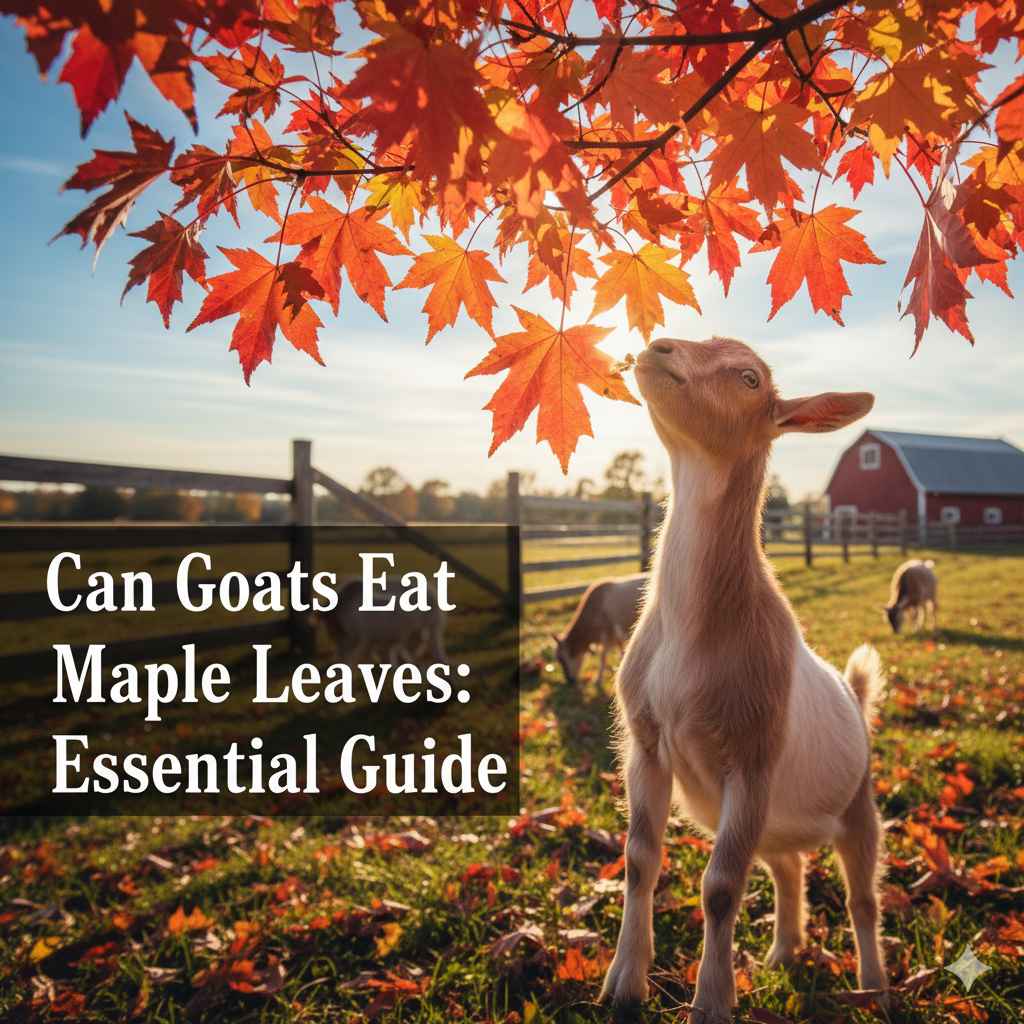
Yes, goats can eat maple leaves, and they often enjoy them! Maple leaves are a safe and even nutritious treat for most goats when offered in moderation as part of a balanced diet.
When you’re looking after a herd of goats, you’re always curious about what’s safe for them to munch on. Sometimes, the answer is simpler than you might think! You might look out at your yard or a nearby area and see a beautiful maple tree, with its leaves rustling in the wind. A thought pops into your head: “Can my goats eat maple leaves?” It’s a good question, and one that many goat owners ponder. The good news is, you’re in the right place to find a clear, easy-to-understand answer. We’ll go through everything you need to know, so you can feel confident about what you’re feeding your curious critters.
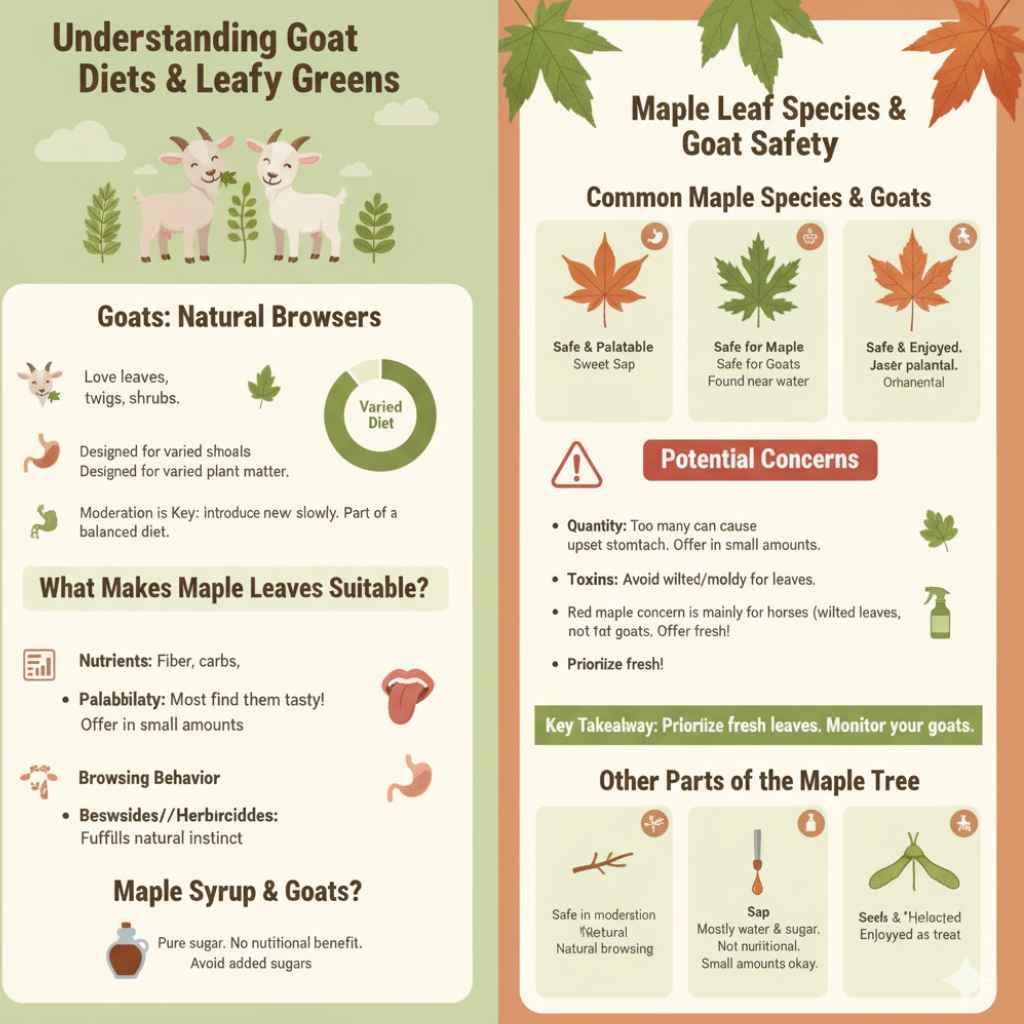
Understanding Goat Diets & Leafy Greens
Goats are naturally browsers, meaning they love to nibble on leaves, twigs, and shrubs. Their digestive systems are quite amazing, perfectly designed to handle a variety of plant matter. Unlike cows, which are ruminants that primarily graze on grasses, goats are more adventurous eaters. They will explore different types of vegetation. This instinct means that when they see a tasty-looking leaf, they’re likely to try it!
The key to feeding goats anything new, including maple leaves, is moderation and observation. Just like we can’t happily eat a whole pizza every day and stay healthy, goats thrive on a varied diet. Maple leaves can be a wonderful addition, offering them different nutrients and a chance to express their natural browsing behavior.
What Makes Maple Leaves Suitable for Goats?
Maple leaves are generally considered safe for goats. They contain various vitamins and minerals that can be beneficial when consumed as part of a balanced diet. Of course, no single food should make up the entirety of a goat’s meals. Think of it like adding a special side dish to their main course.
Here’s a quick look at what makes them a good option:
Nutrients: Maple leaves can offer fiber, carbohydrates, and some proteins. The specific nutritional content can vary depending on the maple species and the time of year the leaves are harvested.
Palatability: Most goats find maple leaves quite tasty! Their rough texture and slightly bitter or sweet taste (depending on the species) can be appealing to them.
Natural Browsing Behavior: Allowing goats to browse on leaves, like those from maple trees, fulfills their natural instinct to explore and eat from various plants. This is great for their mental well-being and can help keep them entertained.
Potential Concerns and What to Watch For
While generally safe, there are a few things to keep in mind to ensure your goats can enjoy maple leaves without any issues.
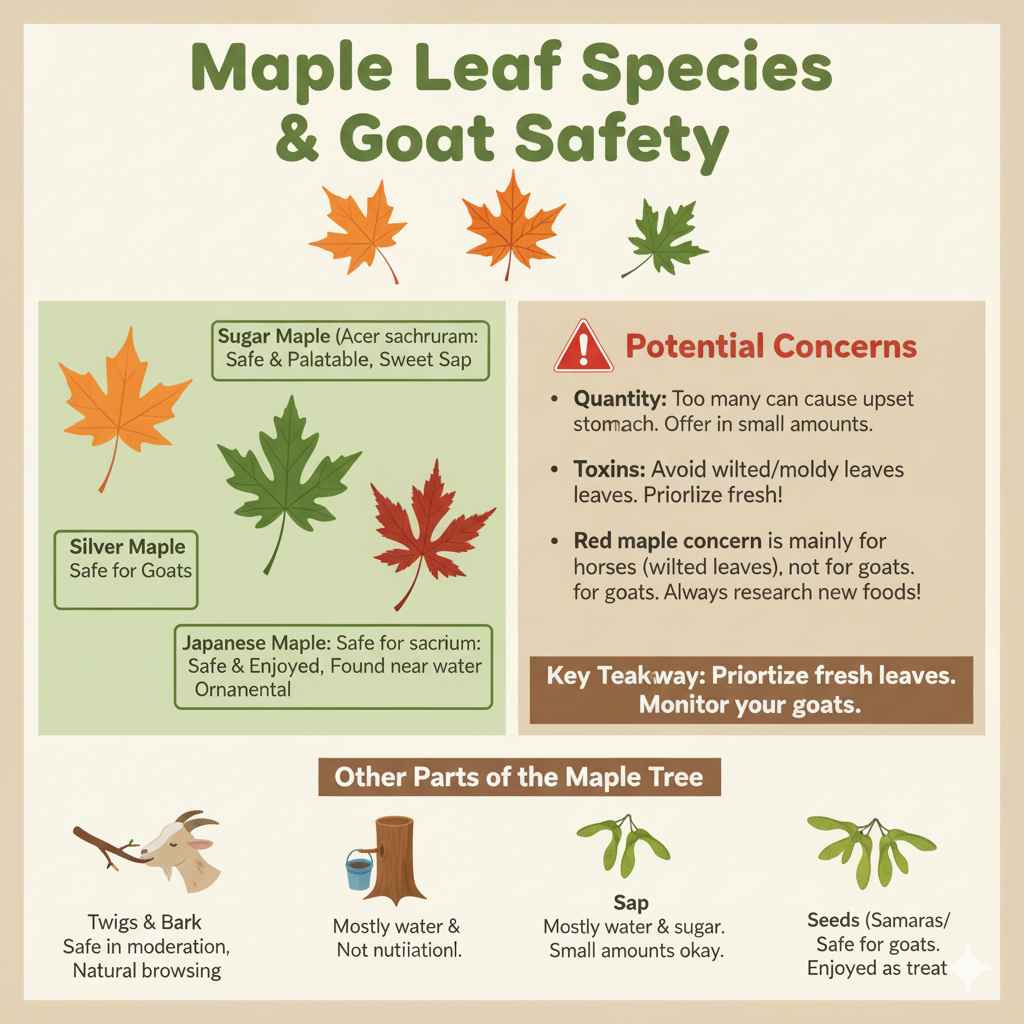
Quantity: Too much of a good thing can sometimes cause digestive upset. If a goat suddenly eats a huge amount of maple leaves, especially if their stomachs aren’t used to them, they might experience mild diarrhea or bloating. The best approach is to offer them in small amounts initially.
Toxins: While most maple leaves are safe, it’s always wise to be aware of potential toxins in plants. In very rare cases, wilted or moldy leaves can be problematic. It’s best to offer fresh, healthy leaves. There’s a particular concern with red maple leaves (Acer rubrum), but this is primarily for horses, not goats. It’s related to a substance called quercetin that can cause a specific type of anemia in equines. For goats, this is generally not an issue, but it’s a good reminder to always research any new food for any animal.
Pesticides and Herbicides: This is a crucial point for all foods you might feed your goats. Never give them leaves or branches from trees that have been treated with pesticides, herbicides, or other chemicals. If you are unsure about the history of a tree, it’s best to avoid using its leaves.
Understanding Canadian Maple Syrup and Goats
You might be wondering if the sweet goodness of maple syrup is okay for goats. While pure maple syrup is natural, it’s essentially sugar. Goats, like most animals, don’t need added sugars in their diet. A tiny lick of something sweet might not harm them, but it’s definitely not a nutritional food source and should be avoided. Think of it as a high-calorie treat that offers little dietary benefit and could potentially lead to health problems if given regularly.
How to Safely Offer Maple Leaves to Your Goats
Introducing new foods to your goats should always be done with care and observation. Here’s how you can offer maple leaves safely:
Step 1: Assess the Maple Tree
Before you gather any leaves, take a good look at the maple tree itself.
Species: Most common maple species like Sugar Maple (Acer saccharum), Silver Maple (Acer saccharinum), and Japanese Maple (Acer palmatum) are generally safe. As mentioned earlier, Red Maple (Acer rubrum) has been associated with issues in horses, but is typically not a concern for goats. When in doubt, research the specific species.
Health: Ensure the tree is healthy and appears free from diseases or infestations.
Location: Crucially, confirm the tree has not been treated with any agricultural chemicals. If the tree is in your yard, you know its history. If it’s in a wild area, be cautious.
Step 2: Harvest the Leaves
When harvesting, it’s best to collect fresh, green leaves.
Freshness: Opt for leaves that are vibrant green and have fallen naturally or can be easily plucked without damaging the tree.
Avoid Wilted or Moldy Leaves: Leaves that are brown, wilted, or show signs of mold should be avoided. These can sometimes cause digestive upset or contain mycotoxins.
Size: You can offer whole leaves or break them into smaller pieces, especially for younger goats.
Step 3: Introduction and Observation
This is the most important part of introducing any new food.
Start Small: Offer a small handful of leaves as a treat. Don’t let them gorge themselves.
Observe Your Goats: Watch them for any unusual behavior or digestive upset. Look for signs like diarrhea, bloat, or changes in appetite. This is a general best practice for introducing any new forage or food.
Frequency: Maple leaves should be considered a treat or supplement, not a primary food source. Offer them a few times a week, rather than daily, and in limited quantities.
Balance: Ensure your goats always have access to their main diet, which typically consists of good quality hay and a balanced goat feed or mineral supplement if necessary.
What to Avoid When Feeding Maple Leaves
Just as important as knowing what to do is knowing what not to do.
Treated Trees: Never feed leaves from trees sprayed with pesticides, herbicides, or other chemicals.
Moldy or Decayed Leaves: These can harbor harmful bacteria and fungi.
Excessive Quantities: Avoid letting goats eat large amounts of leaves all at once, as this can cause digestive upset.
Red Maple Leaves (as a primary concern for horses): While generally safe for goats, be extra mindful of any unfamiliar plant and observe your animals closely.
Nutritional Value of Maple Leaves
Maple leaves contribute to a goat’s diet in several ways. While not a complete feed, they offer valuable components. The nutritional profile can vary significantly based on the maple species and maturity of the leaves.
Here’s a general breakdown of what they might offer:
| Nutrient | Approximate Percentage/Amount (per dry weight) | Notes |
|---|---|---|
| Fiber | 20-30% | Essential for digestive health. |
| Protein | 10-15% | Varies with leaf maturity; younger leaves are often higher in protein. |
| Carbohydrates | Varies | Provides energy. |
| Vitamins | Contains Vitamin A, C, E, and some B vitamins | Contribute to overall health and immune function. |
| Minerals | Calcium, Phosphorus, Potassium, Magnesium | Important for bone health, muscle function, and general well-being. |
| Moisture | 60-80% (when fresh) | Fresh leaves contribute to hydration but should not replace fresh water access. |
It’s important to note that these are approximate values. For precise nutritional data, specific laboratory analysis of the leaves would be required.
Comparison with Other Goat Forage
To put the nutritional value of maple leaves into perspective, let’s compare them to other common forages goats might eat.
| Forage Type | Typical Protein (%) | Typical Fiber (%) | Palatability | Notes |
|---|---|---|---|---|
| Maple Leaves | 10-15% | 20-30% | High | Good source of browse, offers variety. Can be higher in protein when young. |
| Alfalfa Hay | 15-22% | 25-35% | Very High | Excellent source of protein and calcium; often considered a premium hay. |
| Orchard Grass Hay | 8-12% | 30-40% | High | A good base hay, providing essential fiber. |
| Clover | 15-25% | 18-25% | Very High | High in protein and calcium; can be rich, so introduce slowly. |
| Browse (e.g., Willow) | 10-18% | 25-40% | High | Goats naturally love browsing on twigs and leaves; offering varied browse is excellent for them. |
As you can see, fresh maple leaves can offer a nutritional profile comparable to or even better than some standard hays, especially in terms of protein content when leaves are young. This makes them a valuable supplement.
Benefits of Feeding Maple Leaves to Goats
Providing maple leaves offers several advantages for your goat herd beyond just a tasty treat.
Encourages Natural Browsing Behavior: Goats are browsers by nature. Offering them leafy branches allows them to engage in their natural foraging habits. This is crucial for their mental stimulation and can help prevent boredom, which can lead to behavioral issues. Websites like The Happy Herd provide excellent resources on understanding natural goat behaviors.
Dietary Variety: A diverse diet is generally healthier for all animals. Introducing different forages ensures a wider range of nutrients and can improve gut health by promoting a more diverse microbiome.
Nutrient Supplementation: As seen in the table above, maple leaves can provide beneficial protein, fiber, vitamins, and minerals that might be lacking in a diet consisting solely of hay and commercial feed.
Cost-Effective Forage: If you have maple trees on your property, collecting fallen leaves or clipping branches is a free and readily available food source. This can help reduce overall feed costs.
Digestive Health: The fiber content in maple leaves aids in proper digestion. It helps move food through the digestive tract and can contribute to healthy rumen function.
Goats and Their Love for Browse
Goats have a unique digestive system that allows them to thrive on a variety of plant materials that other livestock might not be able to process as effectively. Their preference for browsing on shrubs, trees, and vines means they are often seen nibbling leaves and twigs from different heights. This behavior is natural and beneficial. Giving them access to safe browse, like maple leaves, is like providing them with a natural buffet that caters to their innate needs. According to research from institutions like GOV.UK on goat husbandry, encouraging natural foraging behavior is key to their well-being.
Maple Leaf Species and Goat Safety
While most maple species are safe, there are nuances to be aware of. Generally, when we talk about maples, we’re referring to trees in the Acer genus. The common ones that grace our landscapes include:
Sugar Maple (Acer saccharum): Known for its sweet sap and beautiful fall colors, its leaves are safe and palatable for goats.
Silver Maple (Acer saccharinum): Often found near water, these trees have deeply lobed leaves. They are safe for goats.
Red Maple (Acer rubrum): This is the species that often raises questions due to its association with toxicity in horses. The concern stems from compounds in wilted red maple leaves that can cause a condition called “equine atypical myocardial fibrosis”. However, scientific literature and anecdotal evidence suggest goats are much less susceptible to this specific toxin. It’s still wise to prioritize fresh, non-wilted leaves for any animal, but red maple leaves are generally considered safe for goats. For more on plant toxicities, the ASPCA’s plant list, while focused on pets, is a good starting point for identifying potentially problematic plants.
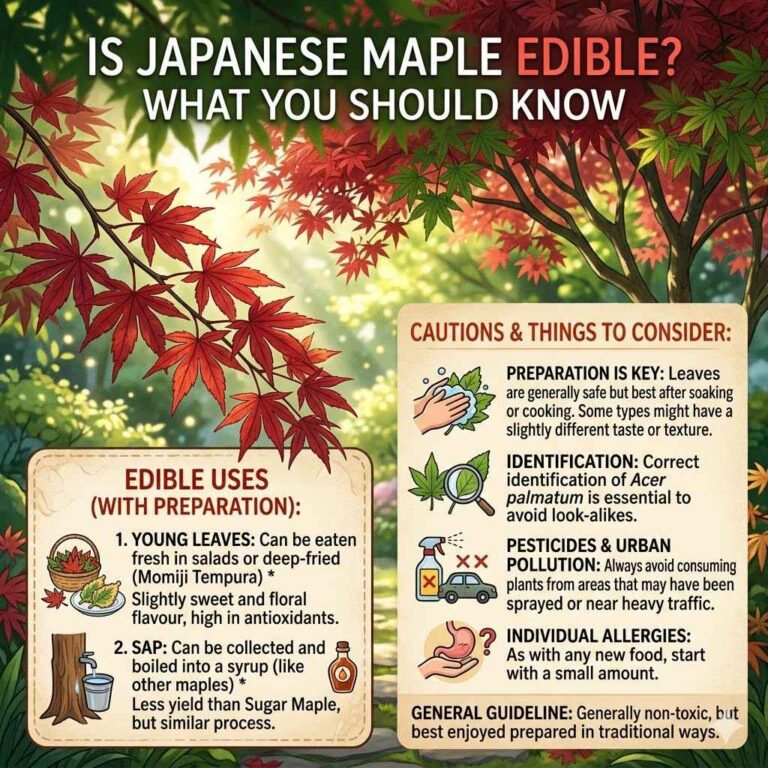
Japanese Maple (Acer palmatum): These ornamental maples with delicate, often deeply cut leaves are generally safe and enjoyed by goats.
Key Takeaway: For goats, the concern about red maple leaves is much lower than for horses. Always offer fresh leaves, and watch your goats, and you should be fine.
What About Other Parts of the Maple Tree?
While leaves are the primary focus, it’s worth briefly mentioning other parts of the maple tree:
Twigs and Bark: Goats will often nibble on young twigs and bark, especially if other forage is scarce. These are generally safe in moderation, similar to the leaves.
Sap: Maple sap is mostly water and sugars. A goat might lick it if a tree is tapped, but it’s not a significant nutritional source and is unlikely to cause harm in small amounts.
Seeds (Samaras/Helicopters): The winged seeds of the maple tree are also safe for goats to eat. They might enjoy them as a little extra treat, especially when they are young and green.
Frequently Asked Questions About Goats and Maple Leaves
Here are some common questions beginner goat owners have about feeding maple leaves:
Q1: Are all maple tree leaves safe for goats?
A: Generally, yes. Most maple tree species (like Sugar, Silver, and Japanese Maples) are considered safe and even nutritious for goats. While Red Maple leaves are a concern for horses due to specific toxins when wilted, they are typically not problematic for goats, especially when fresh. Always offer fresh, non-moldy leaves.
Q2: How many maple leaves can I give my goats?
A: Maple leaves should be offered as a treat or supplement, not as their main food. Start with a small handful per goat and observe their reaction. They should not make up more than 10-15% of their total diet. Always ensure they have access to good quality hay and fresh water.
Q3: Can goats eat wilted or dried maple leaves?
A: It’s best to avoid wilted or dried maple leaves. While they might not be as problematic for goats as for horses, wilted leaves can sometimes cause digestive upset. Moldy or decaying leaves should definitely be avoided as they can harbor harmful bacteria and fungi.
Q4: What if my goats eat too many maple leaves?
A: If a goat eats a large amount of maple leaves suddenly, they might experience mild digestive upset like diarrhea or bloating. Monitor them closely. Usually, this resolves on its own within a day or two. If symptoms are severe or persist, consult with a veterinarian.
Q5: Can young goats (kids) eat maple leaves?
A: Yes, young goats can eat maple leaves, but you should introduce them slowly and in very small amounts. Their digestive systems are still developing, so it’s even more important to start with tiny quantities and watch for any signs of upset. Ensure they are also getting their primary nutrition from milk (if nursing) and starter feed or good quality hay.
Q6: Are there any maple tree parts that goats should NOT eat?
A: Generally, the leaves, young twigs, bark, and seeds (samaras) of maple trees are safe for goats in moderation. The primary concern for toxicity with maple trees is linked to wilted leaves of the Red Maple species, primarily affecting horses. For goats, always ensure the leaves are fresh and from trees not treated with chemicals.
Q7: How can I ensure the maple leaves I give my goats are safe?
A: The most important steps are to confirm the maple tree has not been treated with pesticides, herbicides, or other chemicals. If you are unsure about a tree’s history, do not feed its leaves. Always choose fresh, healthy-looking leaves, and avoid any that appear wilted, moldy, or decayed.