Murphy’s Oil Soap on Vinyl Plank Flooring: Avoid This Mistake
Murphy’s Oil Soap is not recommended for regular use on vinyl plank flooring — its oil-based formula sits on top of the non-porous wear layer instead of soaking in, building a slippery residue that dulls the finish over time. Using it once by accident rarely causes lasting damage, but repeated use is what gets vinyl floors into trouble. This guide covers why the oil residue builds up, whether it puts your warranty at risk, how to remove it if you’ve already used it, and which pH-neutral cleaners actually work.
Insert your Affiliate Disclosure reusable block here
Why Murphy’s Oil Soap and Vinyl Plank Flooring Don’t Mix
Best Vinyl Plank Cleaner Pick
Rejuvenate Luxury Vinyl Floor Cleaner, 32 oz – $12.97
Formulated specifically for luxury vinyl plank rather than a general-purpose floor cleaner — the pH-neutral, rinse-free formula avoids the exact oily-residue problem this guide covers with Murphy’s Oil Soap.
- Best for: everyday mopping on LVP and luxury vinyl tile
- Why we picked it: purpose-built for the exact flooring type this article covers, not a generic multi-surface cleaner
- Main drawback: smaller 32 oz size means more frequent reorders on large floors
Compare more vinyl-safe cleaner options
 Option 1 Bona Multi-Surface Refill, 128 oz – $19.97
|
 Option 2 Simple Green Multi-Surface Floor Care, 32 oz – $8.96
|
 Option 3 OdoBan Neutral pH No-Rinse Cleaner, 1 gal – $13.99
|
As an Amazon Associate we earn from qualifying purchases.
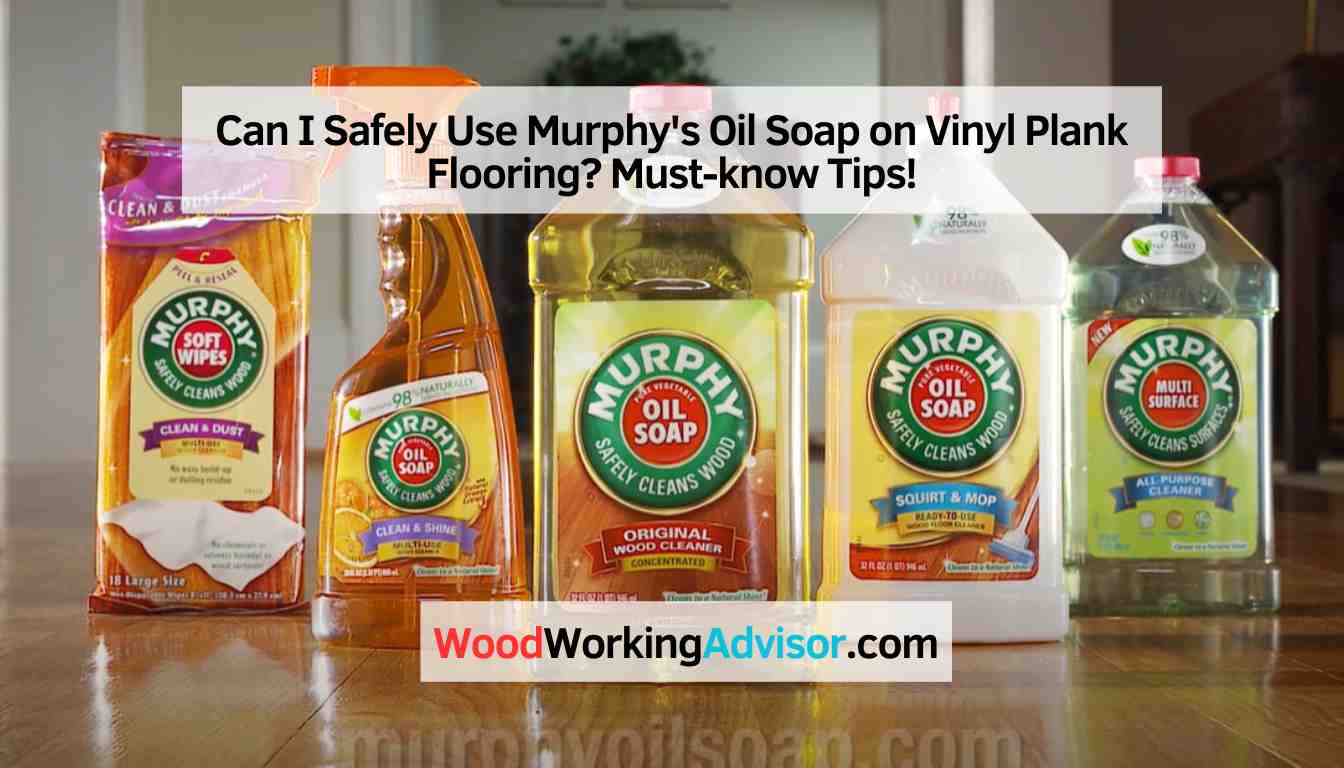
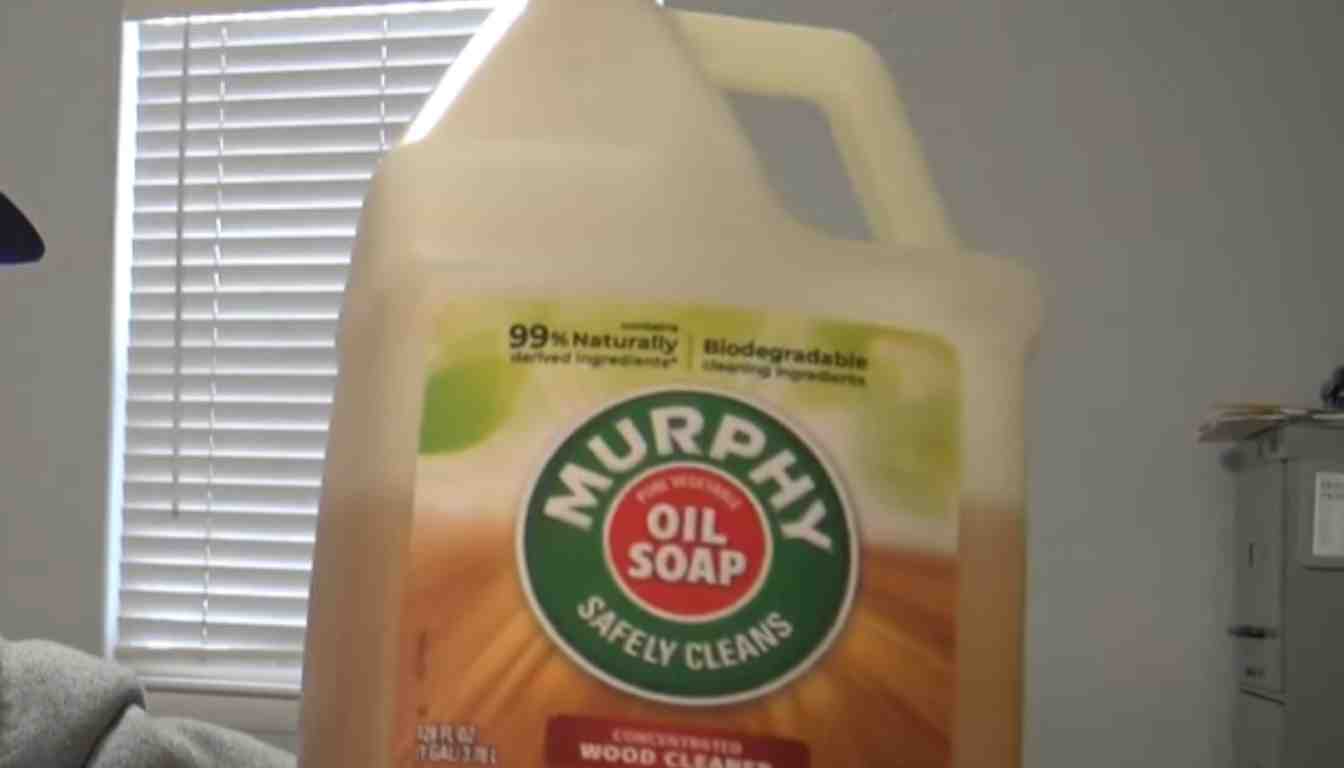
Murphy’s Oil Soap is a vegetable-oil-based cleaning soap that was originally formulated for wood — a porous material that absorbs the oil into the grain. Vinyl plank flooring has a sealed, non-porous wear layer, so the same oil has nowhere to go. Instead of soaking in, it stays on the surface, attracts dust, and builds into a hazy, sometimes slippery film after just a few moppings.
That mechanism explains something that trips up a lot of homeowners: Murphy’s own care guide says its cleaner “protects the finish on wood, tile and vinyl floors,” which reads like a blanket green light. But that guidance is written for occasional, light use across surface types generally — it doesn’t account for how a purely oil-based product behaves on a sealed vinyl wear layer after weeks of repeat mopping, which is exactly where flooring manufacturers and installers report problems.
“With just a squirt and a wrung-out mop, it protects the finish on wood, tile and vinyl floors.”
Independent flooring installers see the other side of that coin: the number-one cause of premature finish failure on luxury vinyl plank is the wrong cleaning product, and oil soaps are one of the most common culprits reported in flooring-installer forums. A single mopping is unlikely to ruin a floor — the damage shows up gradually, after the residue has had weeks to build layer on layer.
📊 Shaw Floors’ own vinyl care instructions warn against abrasive cleaners, ammonia, and vinegar-based products on luxury vinyl — not just oil soaps — because they can damage the surface over time. Source: Shaw Floors, Vinyl Care & Warranties, 2026
That last point matters: several popular DIY guides (including an earlier version of this one) recommend a vinegar-and-water solution as a “safe” alternative to Murphy’s Oil Soap. Shaw’s own care page disagrees for its luxury vinyl line — proof that “safe for vinyl” isn’t one universal rule. Always check the care guide that came with your specific flooring brand before picking a cleaner.
Could the Wrong Cleaner Put Your Vinyl Floor’s Warranty at Risk?
Most vinyl plank warranties (Shaw, COREtec, Armstrong, and similar brands) require you to follow the printed care guide that shipped with the flooring to keep coverage valid. Shaw’s own care page puts it plainly: “always refer to your care guide for a complete list of products to use and avoid.” An oil-based soap that isn’t on that approved list is exactly the kind of product that can leave a manufacturer pointing to the care guide if a warranty claim comes up later over finish damage.
The safest move costs nothing: check the installation paperwork or the flooring brand’s website for its specific approved-cleaners list before reaching for anything already in your cabinet, Murphy’s Oil Soap included.
What to Use Instead: pH-Neutral Cleaners That Actually Work on Vinyl Plank
A pH-neutral vinyl floor cleaner is a cleaning solution formulated to sit near 7 on the pH scale — neither acidic (like vinegar) nor alkaline (like some all-purpose cleaners) — so it lifts dirt without leaving residue or breaking down the wear layer’s finish. It’s the option nearly every vinyl manufacturer’s care guide lists as safe, which makes it the lowest-risk choice for a floor that’s still under warranty.
- Warm water and a few drops of mild dish soap — the cheapest safe option for light, regular dust mopping; rinse with a barely-damp mop afterward so no soap film is left behind.
- A dedicated commercial vinyl/LVP cleaner — labeled specifically for vinyl or luxury vinyl plank, these are pre-balanced to pH-neutral and rinse-free, which matters most for floors still under warranty.
- Manufacturer-branded cleaner — if your flooring came with a named cleaner recommendation (common with Shaw and COREtec), using it keeps your warranty paperwork airtight.
Skip the vinegar-and-water mix some guides recommend unless your specific flooring brand’s care guide explicitly approves it — as covered above, Shaw’s own guide lists vinegar-based products among what to avoid on its luxury vinyl. When a recipe is genuinely approved for your floor, the standard dilution is far lighter than “equal parts”: about a quarter cup of white vinegar per gallon of warm water, not a 50/50 mix, which is strong enough to dull some finishes with repeated use.
Already Used Murphy’s Oil Soap? How to Remove the Residue
If your vinyl plank floor already feels slightly sticky or looks hazy after a few Murphy’s Oil Soap moppings, the residue is almost always fixable without refinishing or replacing planks.
- Dry-sweep or vacuum first: clear loose dust and grit so it doesn’t scratch the surface while you work on the residue.
- Mop with plain hot water: use a microfiber mop wrung nearly dry and go over the floor once with hot water only, no soap, to loosen the top layer of oily film.
- Follow with a proper degreasing pass: mop a second time using a dedicated pH-neutral vinyl cleaner (see the product picks above) diluted per its label — this is what actually lifts the oil residue that plain water alone can’t fully cut.
- Rinse with a barely-damp mop: go over the floor once more with just water to catch any cleaner residue, then dry it immediately with a clean towel or cloth.
- Repeat only if needed: heavy, months-old buildup may take two or three passes on the same day — never let standing water sit on the seams between passes.
If the floor still feels tacky after two full cleaning passes, stop using water-based methods and check your flooring brand’s care guide for a manufacturer-approved degreaser — at that point it’s a job for a product built for the specific finish, not another round of DIY mopping.
Keeping Vinyl Plank Floors Clean Long-Term
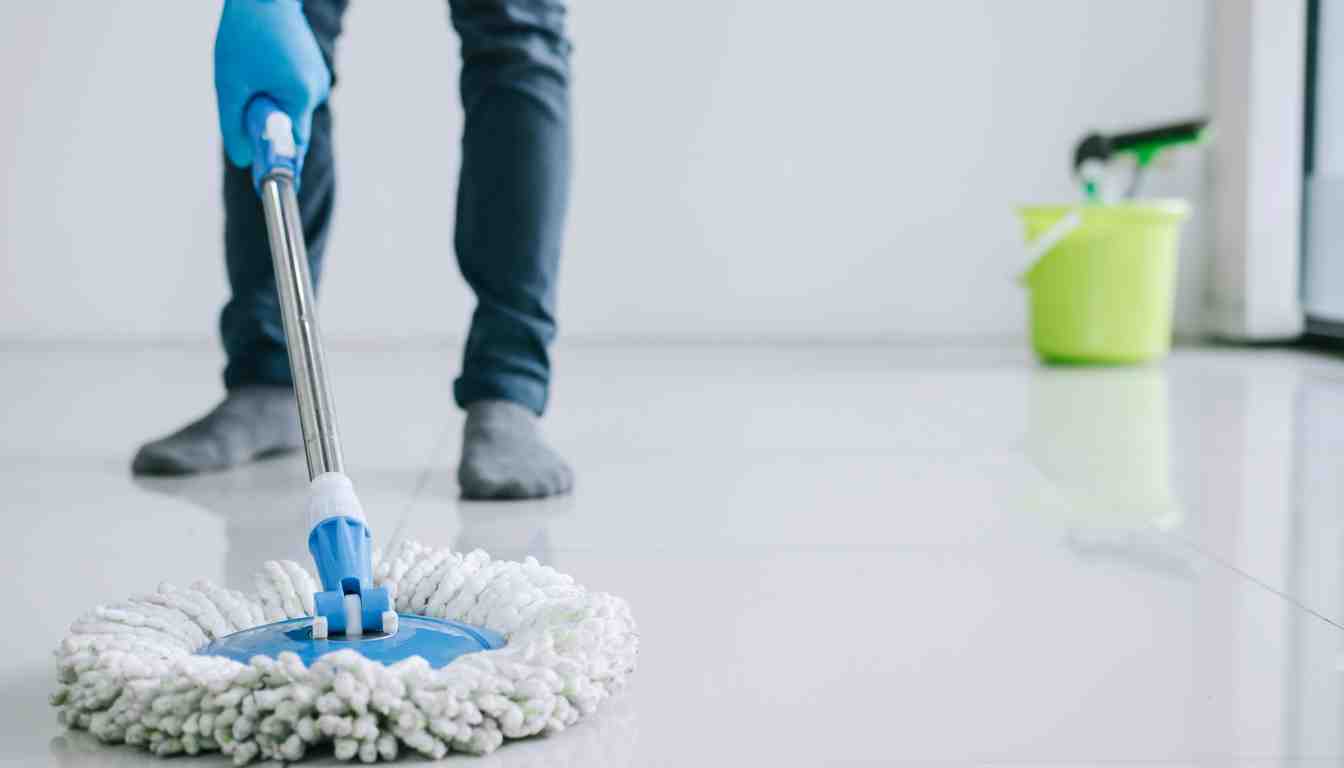
Once the residue is gone, a simple routine keeps it from coming back: vacuum or dry-sweep a few times a week to stop grit from scratching the finish, wipe up spills immediately rather than letting them sit, and reserve a full wet mop with a vinyl-safe cleaner for once or twice a week. Skip steam mops entirely — the heat and moisture they push into the seams is a separate, more common cause of warping than any cleaning soap.
Murphy’s Oil Soap isn’t the only common household cleaner that causes confusion on the wrong flooring — the same “porous vs. sealed surface” logic is exactly why we get asked whether Pine-Sol is safe on laminate floors just as often. If you’re still deciding between flooring types, our LVP installation guide and the rest of our vinyl flooring coverage cover care and installation side by side.
FAQ: Murphy’s Oil Soap and Vinyl Plank Flooring
Is Murphy’s Oil Soap safe for vinyl plank flooring?
No, not for regular use. Its oil-based formula sits on top of vinyl’s sealed, non-porous surface instead of absorbing, which builds a residue that dulls the finish and can feel slippery over repeated moppings. An occasional accidental use is unlikely to cause lasting damage — the problem develops with routine, repeated cleaning.
What happens if you use Murphy’s Oil Soap on vinyl plank flooring regularly?
The oil residue accumulates layer by layer, leaving the floor hazy, sometimes tacky underfoot, and more prone to trapping dust and grit that can scratch the finish. Independent flooring installers report it as one of the most common causes of premature finish wear on luxury vinyl plank.
Does using Murphy’s Oil Soap void a vinyl floor’s warranty?
It can, indirectly. Most vinyl flooring warranties require using only the cleaners listed in the manufacturer’s printed care guide. An oil-based soap that isn’t on that list gives the manufacturer grounds to deny a finish-related claim later, even though the warranty document may not name Murphy’s Oil Soap specifically.
How do you remove Murphy’s Oil Soap residue from a vinyl floor?
Sweep or vacuum first, mop once with plain hot water to loosen the film, then mop again with a diluted pH-neutral vinyl cleaner to actually lift the oil residue, and finish with a clean-water rinse and immediate drying. Heavy buildup may need two or three passes.
Is vinegar a safe alternative to Murphy’s Oil Soap on vinyl plank flooring?
Sometimes, but not universally. A light dilution — about a quarter cup of white vinegar per gallon of water, not equal parts — is approved by some flooring brands, but Shaw’s own care guide explicitly lists vinegar-based products among what to avoid on its luxury vinyl. Check your specific brand’s care guide before relying on it.
Can you use Murphy’s Oil Soap on vinyl plank flooring just once without damaging it?
Generally yes. A single accidental mopping is unlikely to cause visible or lasting damage. The buildup that dulls the finish and creates a slippery film develops from routine, repeated use over weeks or months, not a one-time mistake.
Conclusion
Murphy’s Oil Soap isn’t the right everyday cleaner for vinyl plank flooring — its oil base leaves a residue on the sealed surface that a porous material like wood would simply absorb. A dedicated pH-neutral vinyl cleaner costs about the same per bottle and avoids the dulling, the slip risk, and the warranty question entirely.
If you’ve already used it, the fix is a hot-water pass followed by a proper pH-neutral degreasing mop, not a full refinish. Going forward, keep a bottle of vinyl-safe cleaner on hand and save the Murphy’s Oil Soap for what it was actually built for: wood.
Sponsored / affiliate links. As an Amazon Associate I earn from qualifying purchases. I may earn additional commission from eligible campaigns.