Can Japanese Maple Grow in Zone 9 Successfully?
Many gardeners wonder, “Can Japanese Maple Grow in Zone 9 Successfully?” It’s a common question because these trees are so beautiful, but zone 9 can be tricky. The heat and sun might seem like too much for a plant that loves cooler weather. But don’t worry! With the right steps, you can absolutely have a stunning Japanese maple in your zone 9 garden. We’ll walk you through everything you need to know, simply and clearly.
Choosing the Right Japanese Maple for Zone 9
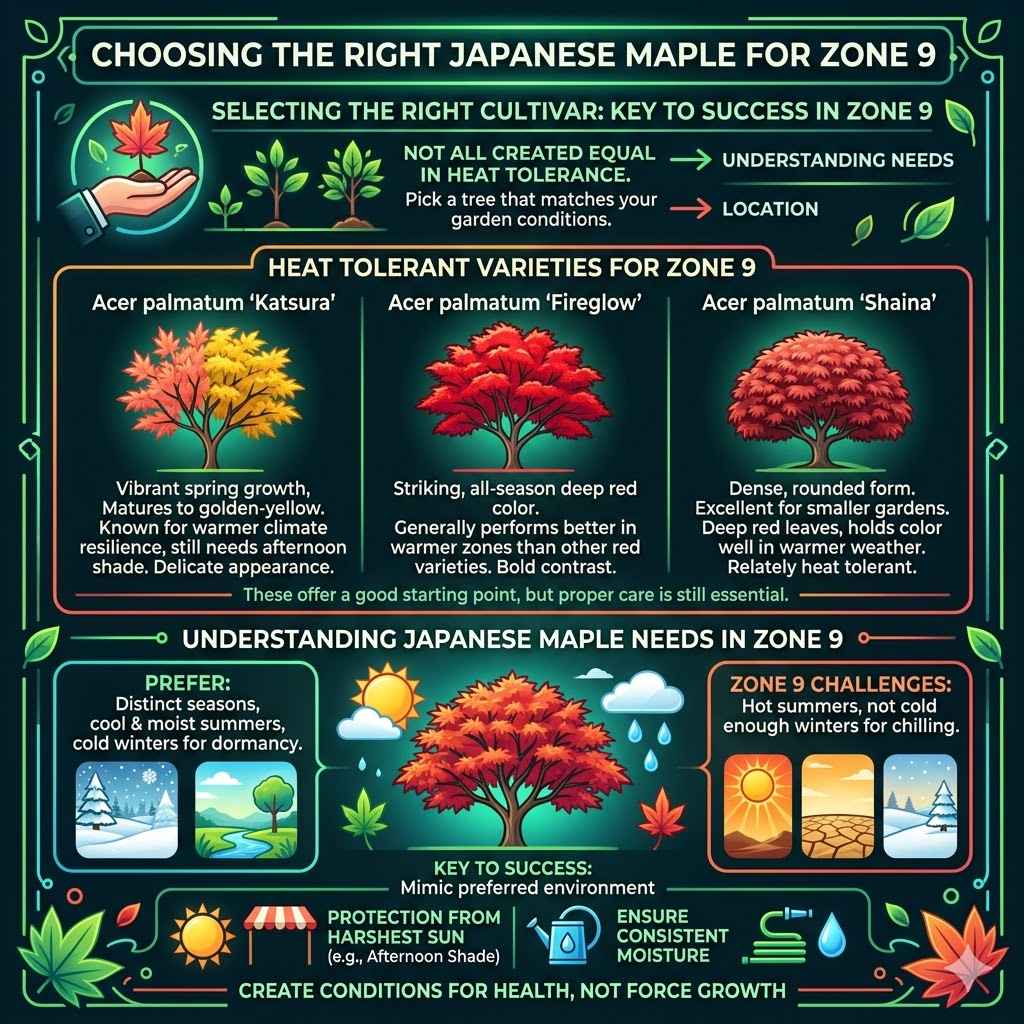
Selecting the correct Japanese maple cultivar is the most important step for success in zone 9. Not all Japanese maples are created equal when it comes to heat tolerance. Some varieties are naturally more resilient to warmer climates, while others will struggle and may not thrive. Understanding these differences will help you pick a tree that is more likely to flourish in your specific location. It’s about finding a good match between the tree’s needs and your garden’s conditions.
Heat Tolerant Varieties
Certain Japanese maple cultivars have demonstrated a greater ability to withstand the heat and sun typical of zone 9. These varieties often have thicker leaves or different growth habits that help them cope with higher temperatures. They are less prone to scorching and wilting when the mercury rises.
- Acer palmatum ‘Katsura’: This cultivar is known for its vibrant coral-red new growth that matures to a golden-yellow in summer. It’s often cited as being more forgiving in warmer climates, though it still benefits from afternoon shade. Its leaves are a lovely size and shape, offering a delicate appearance.
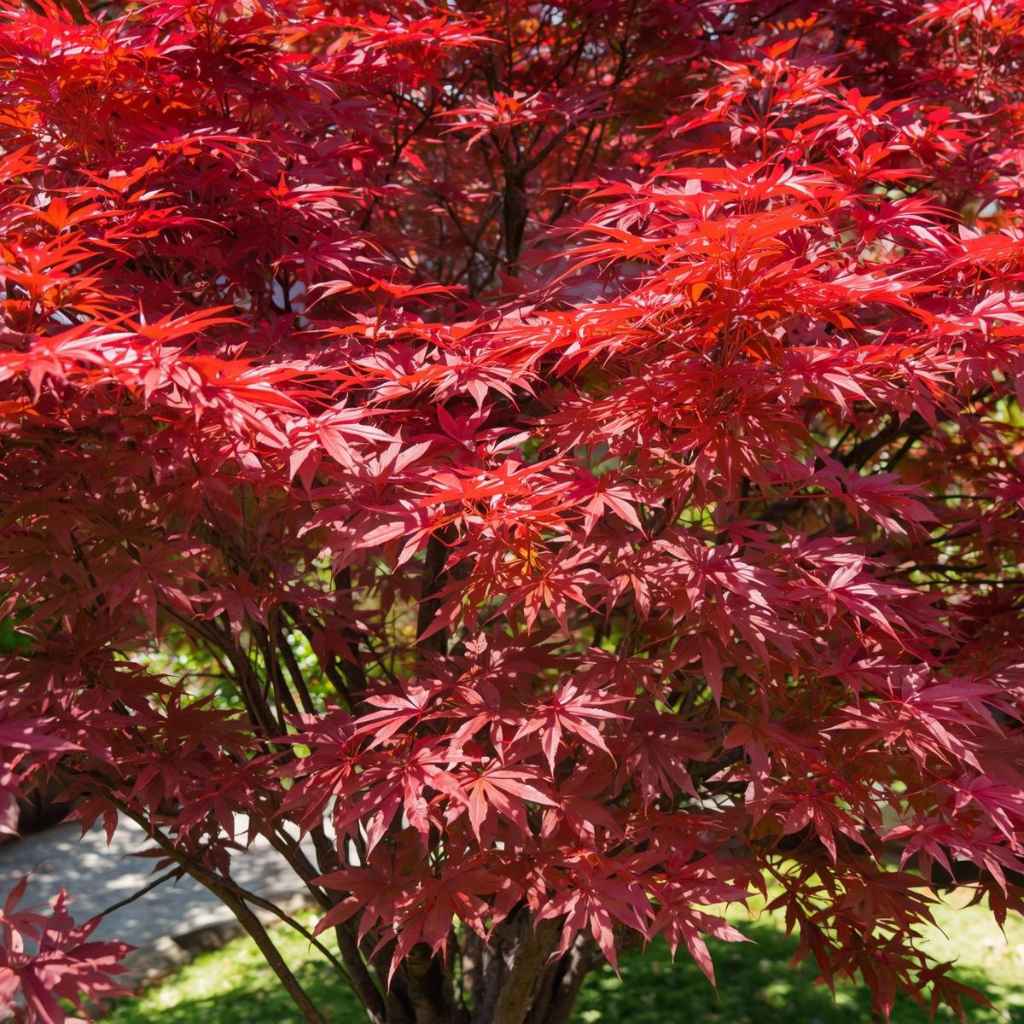
- Acer palmatum ‘Fireglow’: As its name suggests, ‘Fireglow’ offers brilliant red foliage throughout the season. While it’s not completely immune to heat stress, it generally performs better in warmer zones than many other red varieties. Its color is truly striking, making it a focal point in any landscape.
- Acer palmatum ‘Shaina’: This is a dwarf Japanese maple that is also relatively heat tolerant. It forms a dense, rounded shape and is excellent for smaller gardens. The deep red leaves provide a bold contrast and hold their color well, even in warmer weather.
These varieties offer a good starting point. Even with these, proper care is still essential. Their inherent toughness gives them an advantage, but they are not invincible.
Understanding Japanese Maple Needs
Japanese maples, in general, prefer a climate with distinct seasons. They thrive in areas with cool, moist summers and cold, but not extremely harsh, winters. This allows them to go through their natural dormancy cycles properly. Zone 9 presents challenges because its summers can be very hot and its winters might not be cold enough for sufficient chilling.
The key to success in zone 9 is mimicking their preferred environment as much as possible. This means providing protection from the harshest sun and ensuring consistent moisture. It’s not about forcing the tree to grow against its nature, but about creating conditions that make it comfortable and healthy.
Site Selection and Planting in Zone 9
Where you plant your Japanese maple is just as crucial as which one you choose, especially in zone 9. The right location can shield the tree from the most damaging elements, while the wrong one can quickly lead to stress and decline. Careful consideration of sunlight, wind, and soil is vital.
Morning Sun Afternoon Shade
This is the golden rule for planting Japanese maples in warmer climates like zone 9. Direct, harsh afternoon sun can scorch their delicate leaves, causing them to turn brown and brittle. Morning sun, on the other hand, provides the light they need for photosynthesis without the extreme intensity.
- Morning Sun Benefits: Gentle morning light helps the tree wake up and begin its daily energy production. It’s less likely to cause leaf burn and allows the tree to acclimatize to the day’s warmth gradually.
- Afternoon Shade Protection: As the day heats up, the tree will be shielded from the most intense rays. This significantly reduces the risk of leaf scorch and wilting. Look for locations where the tree is shaded by a building, a larger tree, or a garden structure during the hottest part of the day.
- Observing Light Patterns: Spend a day observing how sunlight moves across your garden. This will help you identify the perfect spot that receives bright, indirect light or dappled shade during the critical afternoon hours.
A spot that gets about 4-6 hours of direct morning sun and then is shaded for the rest of the day is ideal. This balance is key to preventing heat-related damage.
Soil Preparation and Drainage
Japanese maples require well-draining soil. They hate sitting in soggy conditions, which can lead to root rot. In zone 9, the soil might also be more alkaline or clay-heavy, which can further complicate things. Improving the soil is a critical step.
The ideal soil for a Japanese maple is slightly acidic, rich in organic matter, and drains well. To achieve this, you can amend your native soil with compost, well-rotted manure, and perhaps some peat moss or coco coir. This improves aeration and drainage while adding nutrients.
When planting, dig a hole that is about twice as wide as the root ball but no deeper. This allows the roots to spread out easily. Plant the tree so that the top of the root ball is level with or slightly above the surrounding soil.
This is especially important to prevent the crown of the tree from staying too wet.
Adding a layer of mulch around the base of the tree (but not touching the trunk) is highly beneficial. Mulch helps retain soil moisture, keeps the roots cool, and suppresses weeds. It also breaks down over time, adding more organic matter to the soil.
Watering and Mulching Strategies
Proper watering and effective mulching are your most powerful tools for ensuring a Japanese maple thrives in zone 9. These practices directly combat the heat and dryness that can be detrimental to these sensitive trees. Consistent moisture is the lifeline for your Japanese maple.
Deep and Consistent Watering
Japanese maples need consistent moisture, especially when they are young and establishing their root systems. In zone 9, this means watering more frequently than you might in cooler climates. The goal is to keep the soil evenly moist but not waterlogged.
- Frequency Adjustment: During the hottest months, you may need to water deeply every few days. Always check the soil moisture before watering; stick your finger about two inches into the soil. If it feels dry, it’s time to water.
- Watering Technique: Water at the base of the tree, ensuring that the water penetrates deeply into the root zone. Avoid overhead watering, which can promote fungal diseases and is less efficient for delivering water to the roots. A soaker hose or a slow-drip irrigation system can be very effective.
- Seasonal Changes: As temperatures cool in the fall, reduce watering frequency. During the winter, water only if the soil is dry and there has been no significant rainfall. Overwatering in cooler months is just as harmful as underwatering in hot months.
Monitoring the tree for signs of stress, such as wilting leaves or dry, crispy edges, is crucial. These are indicators that it needs more water.
The Importance of Mulch
Mulching is a gardening practice that offers multiple benefits, particularly for Japanese maples in warm climates. A good layer of organic mulch acts like a blanket for the soil, protecting the roots from temperature extremes and conserving moisture.
Use a good quality organic mulch such as shredded bark, wood chips, or compost. Apply a layer that is about 2-4 inches deep. It’s essential to keep the mulch a few inches away from the trunk of the tree.
This prevents moisture from accumulating around the bark, which can lead to rot and pest issues.
Mulch helps to keep the soil cooler in summer and warmer in winter, providing a more stable root environment. It also reduces water evaporation from the soil surface, meaning you’ll need to water less often. Additionally, as organic mulch decomposes, it enriches the soil with nutrients, further benefiting your tree.
A well-mulched area around your Japanese maple will look tidy and contribute significantly to the tree’s overall health and vigor. It’s a simple yet incredibly effective way to support your tree in zone 9 conditions.
Protection from Extreme Heat and Wind
Even with the right variety and ideal location, zone 9 can present extreme weather challenges. Protecting your Japanese maple from scorching sun and drying winds is essential for its long-term health and beauty. These elements can cause significant stress.
Shade Cloth and Barriers
For the first few years, or for particularly sensitive cultivars, providing temporary shade can make a big difference. Shade cloth is an excellent way to diffuse the intensity of the sun during the hottest parts of the day.
- Using Shade Cloth: Install shade cloth over the tree during the peak summer months. This can be done using stakes or a frame. The goal is to reduce the amount of direct sunlight the leaves receive without completely blocking all light. A 30-50% shade cloth is usually sufficient.
- Natural Barriers: Planting your Japanese maple near other, larger plants can also provide natural shade. However, ensure these companion plants do not compete too aggressively for water and nutrients.
- Temporary Structures: For very young trees, you might consider a simple structure made of stakes and landscape fabric to create a shaded microclimate around the tree. This can be removed once the tree is more established.
The idea is to buffer the tree from the harshest conditions. This protection is most critical during the intense heat of midday and early afternoon.
Windbreaks and Shelter
Strong winds can dry out Japanese maples very quickly. They can also damage the delicate branches and leaves, causing them to tear or break. Creating a windbreak can significantly mitigate these effects.
If your yard is exposed to prevailing winds, consider planting a row of taller, wind-tolerant shrubs or trees on the windward side of your Japanese maple. This will act as a natural buffer. Even a sturdy fence or a strategically placed wall can offer protection.
The key is to reduce the wind’s force before it reaches the maple. This helps to conserve moisture within the leaves and reduces the physical damage that strong gusts can inflict. A sheltered location is vital for preventing desiccation and breakage.
Fertilizing and Pruning in Zone 9
Fertilizing and pruning are important aspects of Japanese maple care, but they need to be approached with caution in zone 9. The wrong approach can do more harm than good. It’s about supporting the tree’s natural growth cycle without overstimulating it.
Fertilizing Wisely
Japanese maples are not heavy feeders. In fact, over-fertilizing can be detrimental, leading to weak, leggy growth that is more susceptible to pests and diseases. In zone 9, the soil may already be fertile enough, especially if you’ve amended it well.
- Timing is Key: If you do fertilize, the best time is in early spring, just as the tree begins to show signs of new growth. Avoid fertilizing in late summer or fall, as this can encourage new growth that won’t harden off before winter.
- Type of Fertilizer: Use a balanced, slow-release fertilizer designed for trees and shrubs. A fertilizer with a slightly lower nitrogen content can also be beneficial, as high nitrogen promotes leaf growth over root development.
- Application Rate: Always follow the package directions carefully. It’s better to under-fertilize than to over-fertilize. For a mature tree, a light application around the drip line is usually sufficient.
It’s also worth noting that if your soil is rich in organic matter and you have amended it well, your tree may not need any additional fertilizer at all. Observe your tree’s vigor; a healthy tree will have good color and growth without added nutrients.
Pruning for Health and Shape
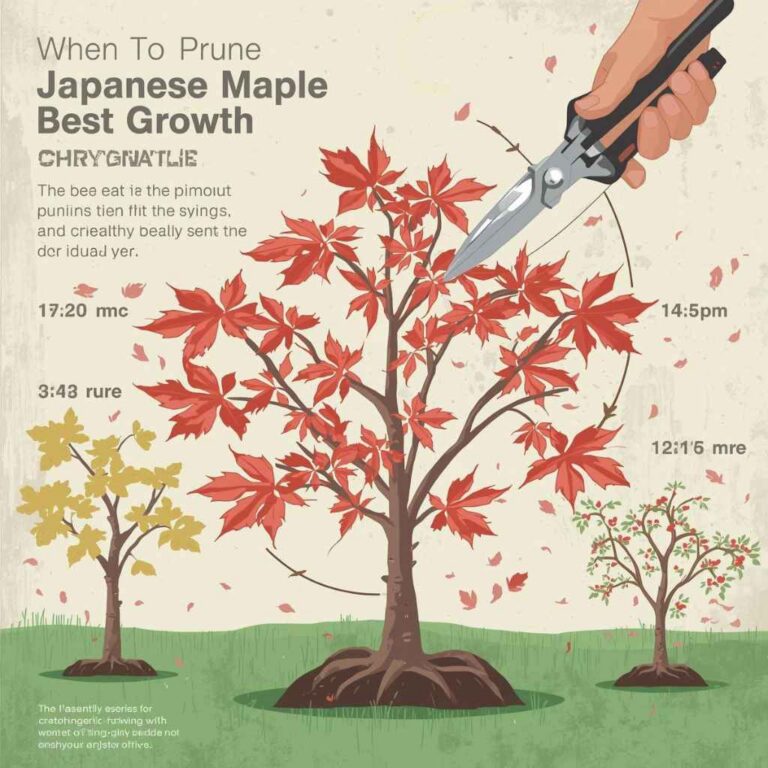
Pruning is done to maintain the tree’s shape, remove dead or diseased branches, and improve air circulation. For Japanese maples, it’s often more about enhancing their natural, elegant form than forcing a specific shape.
The best time to prune Japanese maples is during their dormant season, typically in late winter. This is when the tree’s structure is most visible, and sap flow is minimal. Pruning during the growing season should be limited to removing crossing branches or those growing awkwardly.
When pruning, use clean, sharp tools. Make cuts just outside the branch collar, at an angle that allows water to run off. Remove any branches that are rubbing against each other, growing inwards towards the center of the tree, or appear dead or damaged.
Avoid heavy pruning, especially in zone 9. Too much pruning can stress the tree, making it more vulnerable to heat and drought. Focus on light shaping and maintenance.
The goal is to enhance the tree’s natural beauty and ensure its health.
Common Problems and Solutions in Zone 9
Even with the best care, zone 9 gardeners might encounter specific issues with their Japanese maples. Understanding these potential problems and knowing how to address them is crucial for a thriving tree. Early detection and intervention are key.
Leaf Scorch and Edema
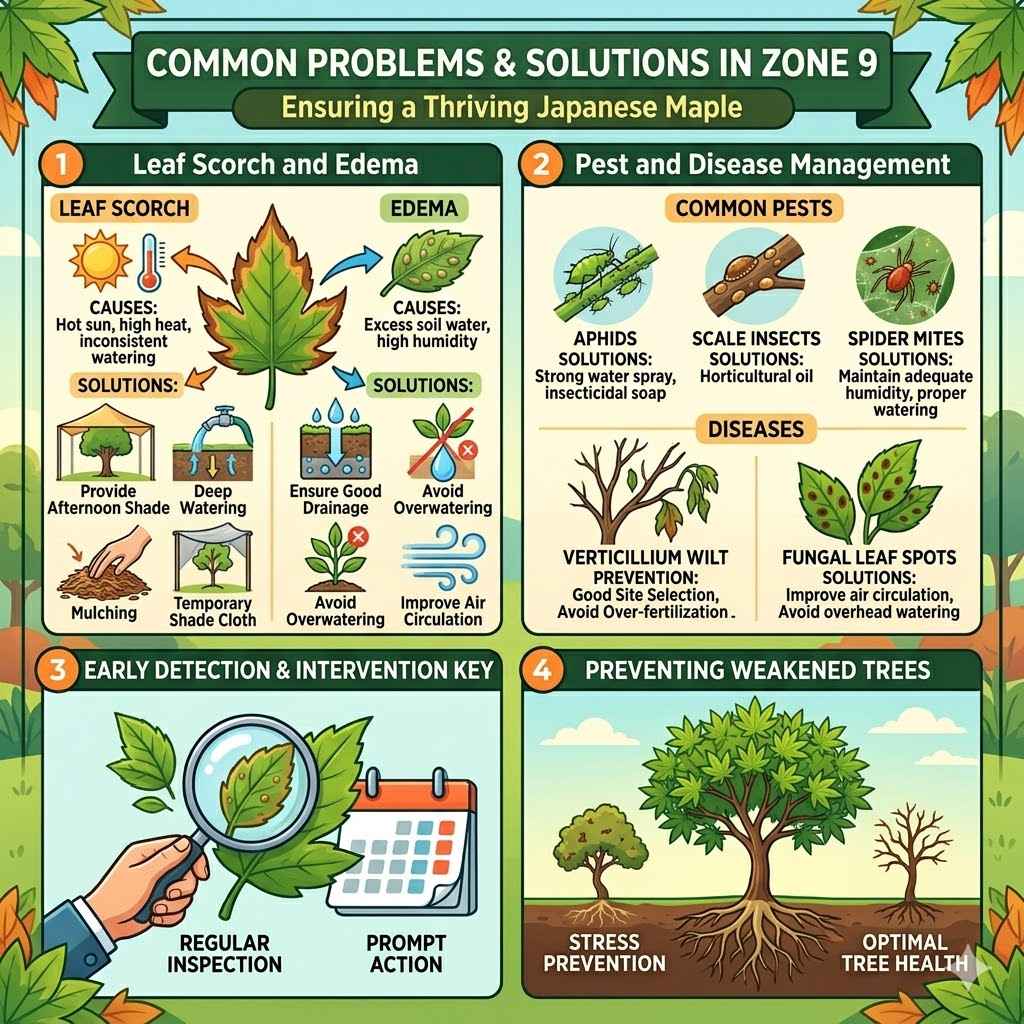
Leaf scorch is one of the most common issues. It appears as brown, crispy edges or tips on the leaves, often a sign of too much sun, heat, or inconsistent watering. Edema, on the other hand, shows up as small blisters on the underside of leaves, which can then turn corky.
- Leaf Scorch Solutions: Ensure the tree is planted in a location with adequate afternoon shade. Increase watering frequency during hot periods, making sure to water deeply. Apply a generous layer of mulch to keep the roots cool and moist. For very young trees, consider temporary shade cloth.
- Edema Cause and Solution: Edema is usually caused by the roots taking up water faster than the plant can transpire it. This often happens when the soil is too wet and humid. Ensure good drainage and avoid overwatering. Pruning can help improve air circulation around the leaves.
Addressing these issues promptly will help prevent them from becoming more severe problems that can weaken the tree.
Pest and Disease Management
Japanese maples are generally quite hardy, but they can be susceptible to certain pests and diseases, especially when stressed. In zone 9, the warmer temperatures can sometimes encourage different pest cycles.
Common pests include aphids, scale insects, and spider mites. Aphids can be washed off with a strong spray of water or treated with insecticidal soap. Scale insects are harder to control and may require horticultural oil.
Spider mites thrive in dry conditions, so maintaining adequate humidity through proper watering can help prevent them.
Diseases like verticillium wilt can be a concern, though it’s less common in well-maintained trees. Symptoms include wilting and dieback of branches. There is no cure for verticillium wilt, so prevention through good site selection, proper watering, and avoiding over-fertilization is paramount.
Fungal leaf spots can occur in humid conditions; improving air circulation and avoiding overhead watering can help.
Frequently Asked Questions
Question: Can I plant a Japanese maple in full sun in zone 9?
Answer: It is not recommended to plant a Japanese maple in full, direct sun in zone 9. They need protection from the intense afternoon sun to prevent leaf scorch. Morning sun with afternoon shade is the ideal situation.
Question: How often should I water my Japanese maple in zone 9?
Answer: In zone 9, you will likely need to water your Japanese maple deeply every few days during the hot summer months. Always check the soil moisture first; if it feels dry two inches down, it’s time to water.
Question: What kind of mulch is best for Japanese maples in zone 9?
Answer: Organic mulches like shredded bark, wood chips, or compost are excellent. Apply a 2-4 inch layer around the tree, keeping it a few inches away from the trunk to prevent rot.
Question: Can Japanese maple survive a zone 9 winter?
Answer: Most established Japanese maples can tolerate zone 9 winters, which are typically mild. However, extremely cold snaps can still cause damage. Providing mulch helps protect the roots.
Question: My Japanese maple’s leaves are turning brown. What should I do?
Answer: Brown leaves are often a sign of leaf scorch due to too much sun, heat, or lack of water. Check your watering schedule, ensure it’s getting enough afternoon shade, and make sure it’s well-mulched.
Final Thoughts
Yes, you can absolutely grow a Japanese maple successfully in zone 9. The key is choosing heat-tolerant varieties, selecting a location with morning sun and afternoon shade, providing consistent moisture, and using a good layer of mulch. By following these simple steps, you can enjoy the stunning beauty of a Japanese maple in your warm-climate garden.