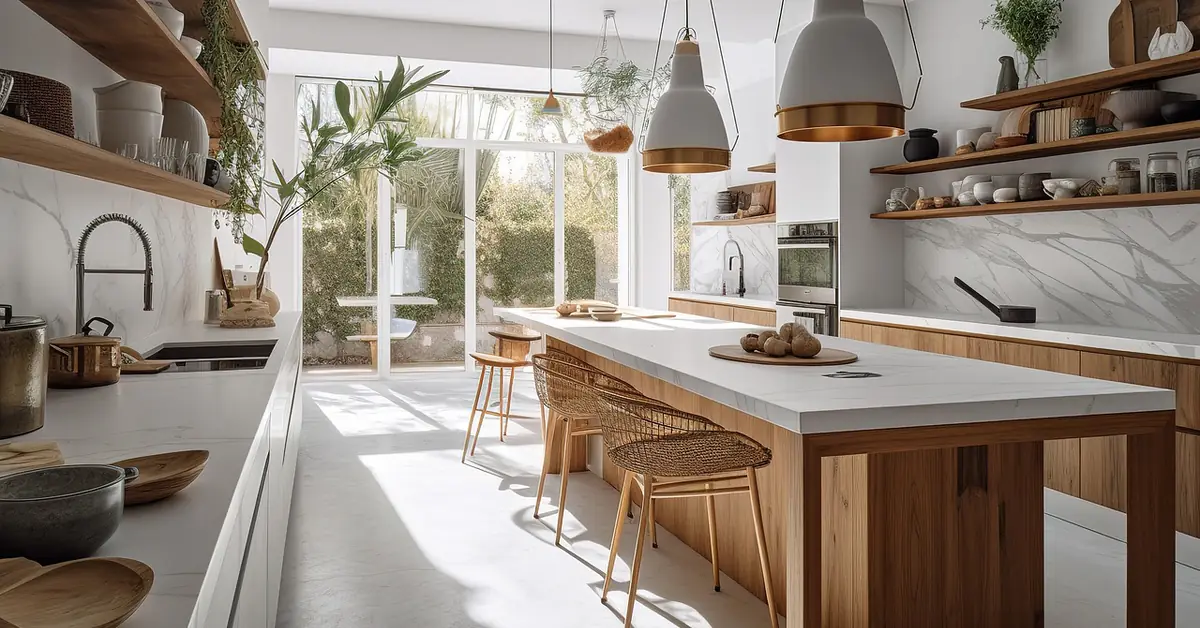
Is Maple Wood Good for Italian Furniture? (Janka: 1,450 lbf)
Maple wood suits modern Italian-style furniture, but it isn’t the wood classic Italian craftsmanship built its reputation on – that history belongs to walnut, cherry, and oak. Hard maple scores 1,450 lbf on the Janka hardness scale, beating white oak’s 1,350 lbf, so a maple piece resists dents better than most alternatives. This guide compares hard vs. soft maple, stacks maple against the woods Italian makers actually favored, and covers how to care for a maple piece you already own.
Maple Wood in Italian Furniture: Craftsmanship vs. Marketing
A lot of furniture marketed as “Italian” describes where a design originated or where a piece was manufactured, not the wood species underneath it. Classic Renaissance and Baroque Italian furniture – the ornate cabinets, carved dining sets, and inlaid case pieces most people picture – was built mainly from walnut, cherry, and oak, with ebony or ivory inlays on the finest pieces. Maple wasn’t a traditional choice for that style; its pale color and subtle grain don’t produce the dark, dramatic look those periods favored.
Maple earned its place in Italian furniture later, through 20th-century modernist and Scandinavian-influenced design, where clean lines and a lighter palette became fashionable. If you’re buying a piece described as “Italian maple furniture,” it’s almost certainly this modern lineage rather than a Renaissance reproduction – and that’s worth knowing before you pay a premium expecting antique-style craftsmanship.
Best Maple Furniture Care Pick

Howard Feed-N-Wax Wood Polish & Conditioner – $6.45
A beeswax-and-orange-oil conditioner made for exactly the every-3-to-6-months maintenance a maple piece needs to keep its light color from drying out or dulling.
- Best for: routine conditioning of maple, walnut, and cherry furniture
- Why we picked it: beeswax and orange oil feed the wood without the silicone build-up spray polishes leave behind
- Main drawback: needs to be buffed off by hand; not a quick spray-and-wipe product
As an Amazon Associate we earn from qualifying purchases.
Maple Wood Hardness vs. the Woods Italian Furniture Makers Actually Use
Janka hardness measures how much force it takes to press a steel ball halfway into a wood sample – the higher the number, the more resistant the wood is to dents and wear. Here’s how hard maple compares to the species Italian furniture makers have historically relied on:
| Wood Species | Janka Hardness (lbf) | Common Use in Italian-Style Furniture |
|---|---|---|
| Hard Maple | 1,450 | Modern & Scandinavian-influenced Italian pieces |
| White Oak | 1,350 | Rustic and farmhouse-style Italian furniture |
| American Beech | 1,300 | Bent or steamed chair frames |
| Black Walnut | 1,010 | Classic Renaissance & Baroque reproduction furniture |
| Cherry | 950 | Traditional carved Italian case pieces |
📊 Hard maple’s 1,450 lbf Janka rating makes it about 44% harder than black walnut (1,010 lbf) – the wood most Renaissance-style Italian furniture reproductions are actually built from. Source: The Wood Database, Janka Hardness
For a deeper breakdown of how maple stacks up against other species, see our full Janka hardness guide for maple wood.
Hard Maple vs. Soft Maple: Which One Shows Up in Furniture
Hard maple is a dense North American hardwood, milled from sugar or black maple trees, that resists denting and holds crisp carved detail. Soft maple, milled from red or silver maple, runs roughly 30 to 35 percent less dense and machines more easily. Furniture simply labeled “maple” without specifying hard or soft is worth asking about before buying a piece meant for daily, heavy use – soft maple is frequently stained darker to imitate the walnut and cherry tones traditional Italian designs are known for.
Maple also holds stain and finish well, but because its grain is so tight and even, it takes dark stains less predictably than open-grained woods like oak or walnut – blotching is a common complaint if the piece isn’t sealed with a pre-stain conditioner first.
Some maple boards also show figured grain patterns – birdseye, curly, or quilted maple – caused by irregular fiber growth rather than species differences. These figured boards are rarer and pricier than plain-grain maple, and Italian designers sometimes feature a single figured panel as a decorative accent on an otherwise plain-maple piece, similar to how burl veneers get used on traditional walnut furniture.
What to Check Before Buying a Maple Italian-Style Piece
A few checks separate a well-made maple piece from a stained soft-maple substitute sold at a hard-maple price:
- Weight: Lift a drawer or a chair. Hard maple is noticeably heavier than soft maple of the same size.
- Grain consistency: Hard maple’s grain stays tight and uniform across a whole tabletop; soft maple more often shows patchy, inconsistent grain once stained.
- Joinery: Look for mortise-and-tenon or dovetail joints rather than staples, dowels, or visible screws – the joinery says more about build quality than the wood species does.
- Sourcing certification: An FSC (Forest Stewardship Council) label on North American hard maple confirms it came from a managed forest rather than unregulated harvesting.
- Country of manufacture: A piece can be designed in Italy but manufactured elsewhere – check the tag or ask the retailer directly if authenticity of origin matters to you.
Maple also tends to cost less per board foot than black walnut in the US hardwood market, which is one practical reason modern Italian-inspired furniture lines lean on it instead of the woods used in period-accurate reproductions. That price gap is worth factoring in if two otherwise similar pieces are priced far apart – the cheaper one may simply be built from the less expensive wood, not a lower grade of the same one.
How to Care for a Maple Wood Italian-Style Furniture Piece
Maple’s light color makes both dirt and sun damage show up faster than on darker woods. These steps keep a maple piece looking like it belongs in the interior it was designed for:
- Dust weekly: Use a dry, soft microfiber cloth – not a feather duster, which can scatter grit that scratches the light surface.
- Keep it out of direct sunlight: Maple discolors unevenly faster than walnut or cherry when exposed to UV light for long periods.
- Wipe spills immediately: Use a barely damp cloth, then dry the spot right away to prevent water rings.
- Condition every 3 to 6 months: Apply a beeswax-based furniture conditioner and buff it in along the grain.
- Skip ammonia-based cleaners: They strip the finish and dull maple’s light, clean color over repeated use.
“Hard maple holds up better than cherry against water rings in our shop, but its pale color shows dust and fingerprints faster – we wipe maple pieces down weekly, not monthly, to keep that light finish looking clean.”
Frequently Asked Questions
Is Maple Wood Used in Traditional Italian Furniture?
Not typically. That older, ornate style of Italian furniture was built mainly from walnut, cherry, and oak. Maple shows up far more often in modern and Scandinavian-influenced Italian furniture design, where its pale, tight grain suits a cleaner, minimalist look rather than the dark, carved styles of antique reproductions.
Is Maple Wood Good for Furniture in General?
Yes. Hard maple scores 1,450 lbf on the Janka hardness scale, making it more dent-resistant than white oak (1,350 lbf), black walnut (1,010 lbf), and cherry (950 lbf). It’s a common choice for tables, cabinets, and flooring that need to withstand daily use.
What’s the Difference Between Hard Maple and Soft Maple Furniture?
Hard maple comes from sugar or black maple trees and resists denting well. Soft maple comes from red or silver maple and is roughly 30 to 35 percent less dense. Soft maple is easier and cheaper to machine, so it’s often stained darker to mimic the hardwood species used in traditional Italian designs.
How Do You Care for Maple Wood Furniture?
Dust weekly with a dry microfiber cloth, keep the piece out of direct sunlight to prevent uneven fading, wipe spills immediately, and apply a beeswax-based furniture conditioner every three to six months. Avoid ammonia-based cleaners, which dull maple’s light finish.
Does Maple Wood Furniture Darken or Yellow With Age?
Yes, but subtly. Hard maple mellows into a slightly warmer, richer tone over years of light exposure rather than darkening dramatically the way cherry does. A clear finish left in direct sun will amber and can fade unevenly, which is why rotating a maple piece or keeping it away from a sunny window matters more with maple than with darker traditional Italian woods like walnut.
Conclusion
Maple is a genuinely durable furniture wood – dent-resistant, stable, and easy to keep clean – but it isn’t the material behind classic Italian craftsmanship. Choose walnut or cherry for an authentic Renaissance or Baroque look, and choose maple if you prefer a lighter, modern Italian aesthetic and don’t mind a bit of extra care to protect its pale finish. Check our full maple wood guide for more on identifying, cleaning, and refinishing maple furniture.
Sponsored / affiliate links. As an Amazon Associate I earn from qualifying purchases. I may earn additional commission from eligible campaigns.