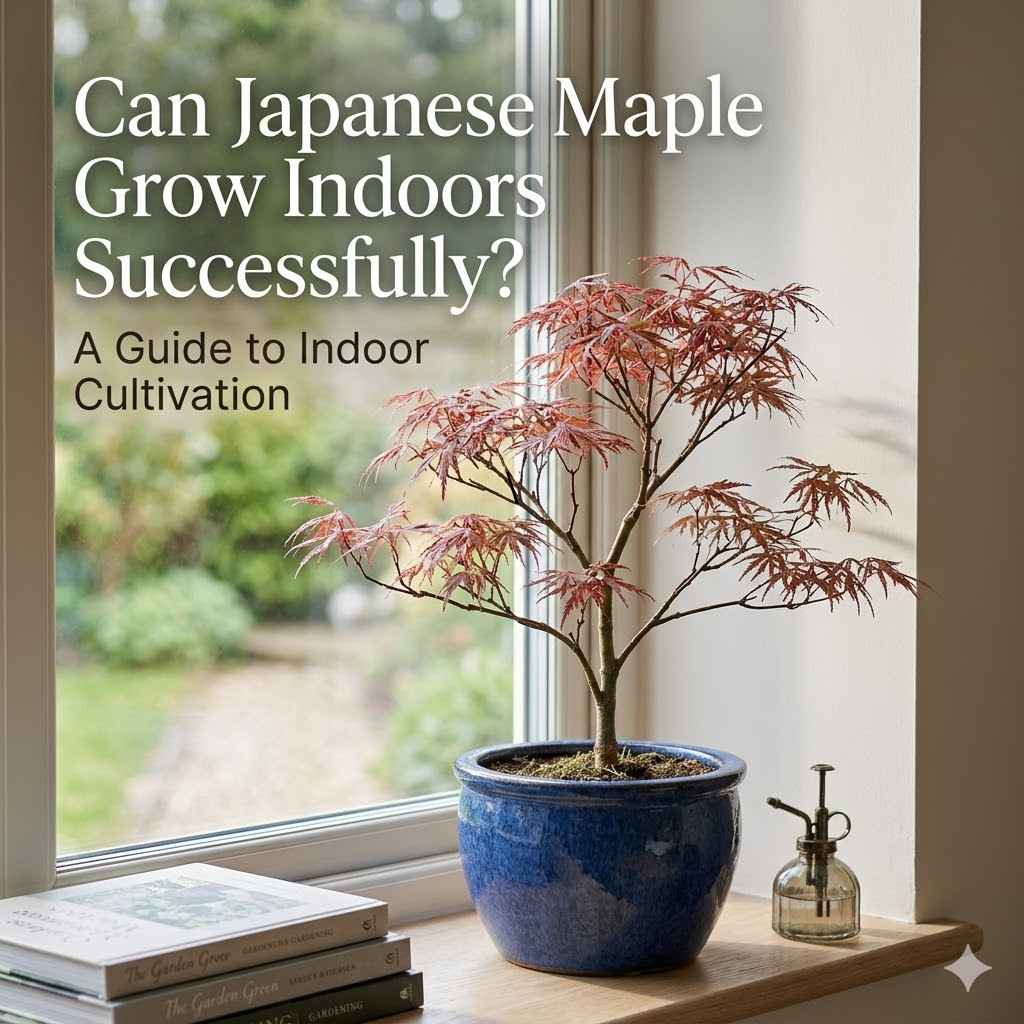
Can Japanese Maple Grow Indoors Successfully?
Lots of people wonder, Can Japanese Maple Grow Indoors Successfully? It seems like a tricky question because they are trees, right? Many think they absolutely need to be outside.
This idea can make beginners feel a bit unsure about trying it. But don’t worry! We’ve got a simple guide to help you.
We will walk you through all the steps to make sure your Japanese maple can thrive inside your home.
Growing Japanese Maple Indoors
Bringing a touch of nature indoors can be very rewarding. The idea of having a beautiful Japanese maple as an indoor plant might sound challenging at first. These trees are usually seen in gardens, so picturing one in a living room can feel a bit strange.
Many people worry they won’t have the right conditions or know enough to keep it alive. This guide aims to clear up all those doubts. We will explore if Can Japanese Maple Grow Indoors Successfully? and how to do it with easy steps.
We’ll cover everything you need to know to make this a reality for your home.
Understanding Japanese Maple Needs
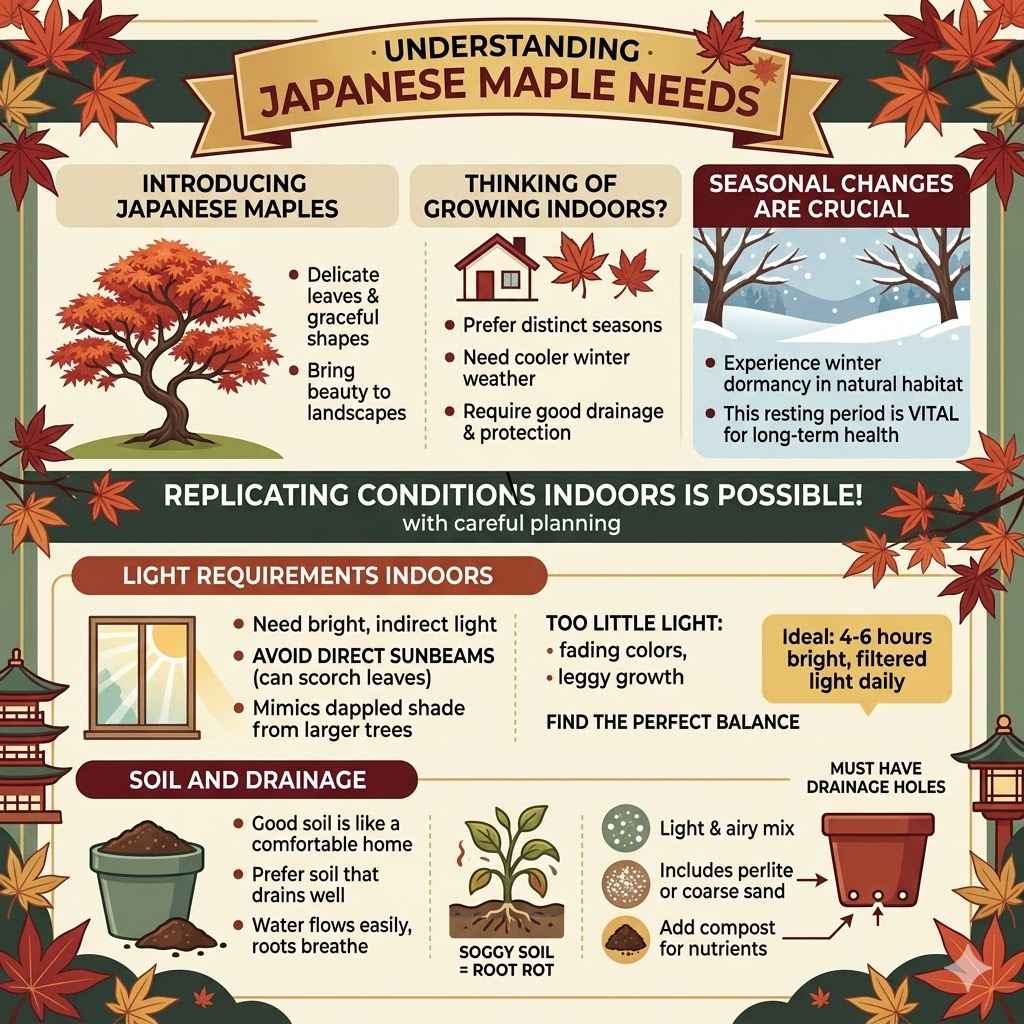
Japanese maples are famous for their delicate leaves and graceful shapes. They bring a lot of beauty to any landscape. When thinking about growing them inside, it’s important to know what they naturally like.
They prefer climates that have distinct seasons, with cooler weather in the winter. They also need good drainage and protection from harsh elements. This can make people think they are only outdoor plants.
Their need for seasonal changes is a key point. In their natural habitat, they experience dormancy during winter. This resting period is vital for their long-term health.
Replicating these conditions indoors is not impossible, but it requires careful planning and attention to detail. Understanding these basic needs helps us figure out the best ways to care for them indoors.
Light Requirements Indoors
Light is super important for any plant, and Japanese maples are no exception. Indoors, they need a spot where they can get plenty of bright, indirect light. This means avoiding direct sunbeams, especially during the hottest part of the day, which can scorch their delicate leaves.
Think of a spot near a south-facing window but with a sheer curtain to filter the sun.
Too little light will cause the leaves to lose their vibrant color and might even lead to weak, leggy growth. On the other hand, too much direct sun can be harmful. Finding that perfect balance is key.
Most indoor Japanese maples do best with at least 4-6 hours of bright, filtered light each day. This mimics the dappled shade they often enjoy under larger trees outdoors.
Soil and Drainage
Good soil is like a comfortable home for your Japanese maple. They love soil that drains well. This means water can flow through easily and doesn’t just sit around the roots.
Soggy soil can lead to root rot, which is a serious problem for these trees. You want a mix that is light and airy, allowing roots to breathe.
A good potting mix often includes elements like perlite or coarse sand to improve drainage. You can also add some compost for nutrients. It’s always best to use a pot with drainage holes at the bottom.
This is non-negotiable for healthy roots. If the pot doesn’t have holes, you might need to drill some yourself or choose a different container.
Choosing the Right Variety
Not all Japanese maples are the same! Some varieties are naturally smaller and more suited for container growing. When you’re thinking about growing one indoors, picking the right kind makes a big difference.
Smaller, slower-growing cultivars are often your best bet. They will be easier to manage in terms of space and overall care.
Look for names that suggest a compact or dwarf growth habit. These are often grafted onto rootstock that keeps them smaller. This makes them more adaptable to indoor living.
Asking for advice at a good nursery can help you find the perfect variety for your indoor space. They can point you toward types that are known for doing well in pots and under indoor light conditions.
Dwarf Cultivars
Dwarf Japanese maple cultivars are special. They grow much slower and stay smaller than their wilder cousins. This makes them ideal for pots and for people who don’t have a lot of space.
Some popular dwarf types include ‘Acer palmatum dissectum’ varieties like ‘Garnet’ or ‘Crimson Queen’, which have beautiful, lacy leaves. Another great option is ‘Acer palmatum ‘Kiyohime’, known for its compact form.
These smaller varieties often reach mature heights of only 3-6 feet. This is very manageable for indoor environments. Their slower growth also means they require less frequent repotting.
This is a huge advantage for indoor plant parents. When choosing a dwarf cultivar, always check its expected mature size to ensure it fits your home. It’s also good to look at their leaf color and shape preferences to match your style.
Vigorous vs. Delicate Types
Some Japanese maples are quite vigorous and can grow quite large, even in containers. These are generally less suited for indoor growing. They might require constant pruning and can quickly outgrow their pots.
They also tend to need more outdoor-like conditions, which are hard to replicate indoors.
On the other hand, some varieties are more delicate and naturally have a more refined appearance. These types tend to adapt better to controlled indoor environments. They often have finer foliage and a more weeping or cascading growth habit.
These are the ones that truly look like living sculptures when grown in pots. They are often the most successful when people ask, Can Japanese Maple Grow Indoors Successfully?
Caring for Your Indoor Japanese Maple
Once you have your Japanese maple settled inside, the real fun begins: caring for it! This involves a few key things. You’ll need to pay attention to watering, feeding, and making sure it gets enough light.
It’s not super complicated once you know the routine. Think of it like looking after any other special houseplant.
The goal is to mimic its natural outdoor environment as closely as possible. This means understanding its needs for moisture, nutrients, and temperature. With the right approach, your indoor Japanese maple can be a stunning focal point in your home for years to come.
It’s about creating a happy, healthy micro-climate for your tree.
Watering Needs
Watering is one of the most critical aspects of indoor plant care, especially for Japanese maples. They like consistent moisture but absolutely hate sitting in water. This means you should water them thoroughly when the top inch or two of the soil feels dry.
Don’t just splash a little water on top; water until you see it draining from the bottom of the pot.
The frequency of watering will depend on your home’s humidity, temperature, and the size of the pot. In drier homes, you might need to water more often. In more humid environments, less often.
It’s better to check the soil moisture with your finger than to stick to a strict schedule. Overwatering is a common mistake, so err on the side of slightly dry rather than too wet.
Tip: You can also help increase humidity around your Japanese maple by placing its pot on a pebble tray filled with water. Make sure the bottom of the pot isn’t sitting directly in the water, though, as this can still lead to root rot. The evaporating water will create a more humid microclimate for the leaves.
Fertilizing
Japanese maples don’t need a lot of fertilizer, especially when grown indoors. They are not heavy feeders. Too much fertilizer can actually harm them.
During the growing season, which is typically spring and summer, you can feed your tree a balanced liquid fertilizer at half strength. Do this about once a month.
Avoid fertilizing during the fall and winter months. This is when the tree is naturally slowing down or resting. Using a fertilizer specifically formulated for trees or acid-loving plants can be beneficial.
Always follow the package directions carefully, and remember that less is often more with these beautiful trees. Excess salts from fertilizer can build up in the soil and damage the roots.
Humidity and Airflow
Japanese maples appreciate a good level of humidity. Indoor air, especially during winter when heating systems are on, can be very dry. This can cause leaf edges to turn brown and crispy.
To combat this, you can mist the leaves occasionally with water, use a humidifier, or place the pot on a pebble tray as mentioned earlier.
Good airflow is also important. Stagnant air can encourage fungal diseases. Avoid placing your Japanese maple in a stuffy corner.
A gentle breeze from an open window (weather permitting) or a small fan on a low setting can help keep the air moving. This also helps strengthen the trunk and branches.
Pruning and Shaping
Pruning is an art form when it comes to Japanese maples. It helps maintain their shape and encourages healthy growth. For indoor trees, pruning is essential to keep them at a manageable size.
The best time to prune is usually in late winter or early spring, before new growth begins. You can also do light shaping during the summer.
When pruning, focus on removing any dead, damaged, or crossing branches. You can also prune to improve the tree’s overall structure and aesthetic appeal. Think about the natural graceful form of the tree and try to enhance it.
Don’t remove too much at once, as this can stress the tree. Aim for gradual shaping over time.
Example Scenario: Imagine you have a ‘Crimson Queen’ variety. Its delicate, finely dissected leaves are prone to drying out. You notice the leaf tips are starting to look brown and brittle.
This is a sign of low humidity. You decide to move the pot to a pebble tray filled with water and start misting the leaves daily. Within a week, you see new, healthy growth emerging, and the brown tips stop spreading.
This simple adjustment makes a big difference.
Addressing Potential Challenges
Even with the best care, you might run into a few issues when growing a Japanese maple indoors. It’s good to know what to look for and how to fix it. Common problems include pests, diseases, and environmental stress.
Being prepared helps you keep your tree healthy and happy.
The key is to observe your plant regularly. Catching problems early makes them much easier to solve. Many issues are related to watering, light, or humidity, so double-checking those basics is always a good first step.
Common Pests
Indoor plants can sometimes attract common pests like spider mites, aphids, and mealybugs. These tiny creatures can weaken your tree by feeding on its sap. Spider mites, for instance, love dry conditions and can create fine webbing on the leaves.
Aphids often cluster on new growth, and mealybugs look like small, cottony masses on stems and leaves.
To deal with these pests, you can start by wiping them off with a damp cloth or using a strong spray of water to dislodge them. For more persistent infestations, insecticidal soap or neem oil are effective and safe options for indoor use. It’s crucial to isolate an infested plant to prevent the pests from spreading to other houseplants.
Case Study: Sarah had a beautiful indoor Japanese maple that suddenly started showing yellowing leaves with tiny webs. She identified spider mites. She immediately moved the tree away from other plants and began a routine of washing the leaves daily with water and applying neem oil every week for a month.
This treatment effectively eliminated the mites, and her tree recovered beautifully, regaining its lush foliage.
Leaf Drop and Discoloration
Seeing leaves drop or change color can be worrying. For Japanese maples, this often signals a stressor. If leaves are dropping rapidly and the plant was recently moved or experienced a significant temperature change, this could be the cause.
They are sensitive to sudden environmental shifts.
Yellowing leaves can mean overwatering or insufficient light. Brown, crispy edges often point to low humidity or direct sunlight. If the leaves are turning brown all over, it might indicate root rot from too much water or a lack of airflow.
Inspect the soil moisture and the surrounding environment to diagnose the issue.
Sample Scenario: You notice your Japanese maple’s leaves are turning a duller green, and some are starting to curl inward. You check the soil and find it’s quite dry. You also realize the spot it’s in gets direct afternoon sun for a few hours.
You move it to a spot with bright, indirect light and water it thoroughly. Within a few days, the leaves begin to unfurl and regain their color, showing that the environmental change was the key.
The Importance of Dormancy
While it’s tempting to keep your indoor Japanese maple looking vibrant year-round, understanding its natural dormancy period is crucial. In their native environment, these trees experience a cold winter rest. This dormancy is vital for their long-term health and survival.
It allows them to recover and prepare for the next growing season.
Replicating this dormancy indoors can be tricky but is achievable. It involves providing cooler temperatures and reduced watering during the winter months. This can be done by moving the plant to a cool, unheated garage, sunroom, or even a cool basement for a few months.
This period of rest helps prevent exhaustion and promotes stronger growth when spring arrives.
Statistic: A study by the American Society for Horticultural Science found that deciduous trees like Japanese maples require a specific number of “chilling hours” below a certain temperature to break dormancy properly. While precise indoor chilling is debated, providing cooler, darker conditions for 6-8 weeks in winter is generally beneficial for mimicking this natural process.
Can Japanese Maple Grow Indoors Successfully Summary
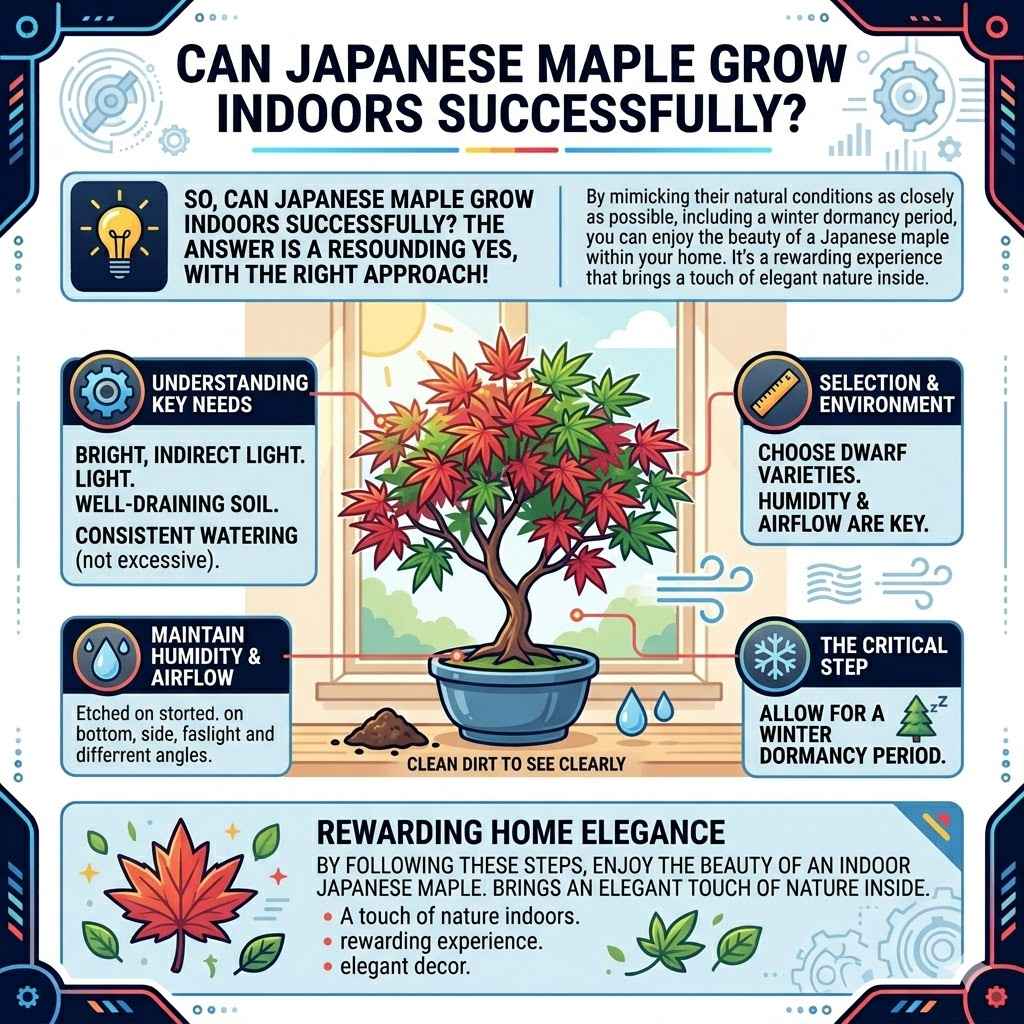
So, Can Japanese Maple Grow Indoors Successfully? The answer is a resounding yes, with the right approach! It requires understanding their need for bright, indirect light, well-draining soil, and consistent but not excessive watering.
Choosing dwarf varieties and paying attention to humidity and airflow are key to success. By mimicking their natural conditions as closely as possible, including a winter dormancy period, you can enjoy the beauty of a Japanese maple within your home. It’s a rewarding experience that brings a touch of elegant nature inside.
Frequently Asked Questions
Question: Can I grow a Japanese maple in a south-facing window indoors
Answer: Yes, but with caution. A south-facing window provides a lot of light, which Japanese maples need. However, direct, intense afternoon sun can scorch their leaves.
It’s best to place the tree behind a sheer curtain or a few feet away from the window to filter the light and prevent leaf burn. Bright, indirect light is ideal.
Question: How often should I water an indoor Japanese maple
Answer: Water your indoor Japanese maple when the top inch or two of the soil feels dry to the touch. Don’t let it sit in water, as this causes root rot. The frequency will vary based on your home’s humidity and temperature.
It’s better to check the soil moisture regularly than to water on a strict schedule.
Question: Will my indoor Japanese maple lose its leaves in winter
Answer: Yes, Japanese maples are deciduous trees, meaning they naturally lose their leaves in the fall and winter. This is part of their dormancy cycle. Even indoors, they will go through this process.
The leaves will change color before dropping. This is a normal and healthy part of their life cycle.
Question: What kind of pot is best for an indoor Japanese maple
Answer: Use a pot with good drainage holes at the bottom. This is crucial to prevent waterlogging and root rot. A terracotta pot can also help by allowing excess moisture to evaporate through its sides.
Ensure the pot is large enough for the root ball but not excessively big, which can hold too much moisture.
Question: Are there specific Japanese maple varieties that do better indoors
Answer: Dwarf cultivars are generally the best choice for indoor growing. Varieties like ‘Acer palmatum dissectum’ types (e.g., ‘Garnet’, ‘Crimson Queen’) or ‘Acer palmatum ‘Kiyohime’ are known for their smaller size and slower growth. These are easier to manage in terms of space and care requirements.
Final Thoughts
Growing a Japanese maple indoors is certainly achievable. By providing the right amount of light, consistent watering, and good drainage, you can have a stunning specimen. Choosing a dwarf variety and paying attention to humidity will further improve your success.
Embrace the process, and enjoy the unique beauty your indoor Japanese maple brings to your living space.