Can Pellet Stoves Burn Wood? What You Need to Know
The question of Can Pellet Stoves Burn Wood? What to Know is a common one, especially for those new to these heating systems. It seems straightforward, but there’s more to it than meets the eye. Don’t worry if you’re feeling a bit unsure; this guide will break everything down step by step. We’ll explore the details clearly, offering a simple solution to help you make informed choices. Get ready to explore the exciting world of pellet stoves and wood burning!
What Are Pellet Stoves and How Do They Work?
Pellet stoves are a type of heating appliance that burns compressed wood or other biomass pellets to create heat. These pellets are small, cylindrical pieces made from compacted sawdust and other wood by-products, making them a sustainable and efficient fuel source. Unlike traditional wood-burning stoves that require constant manual stoking, pellet stoves offer a more automated and convenient experience.
They typically have a hopper where you pour the pellets, an auger that feeds the pellets into the burn pot, and a combustion system that controls the airflow for optimal burning. The resulting heat is then distributed into the room, often with the help of a blower fan.
Pellet stoves come in a variety of sizes and styles, from compact models ideal for small apartments to larger units capable of heating entire homes. They are popular because they offer a cleaner-burning alternative to traditional wood stoves, producing significantly less smoke and emissions. This makes them a more environmentally friendly option, contributing to improved air quality.
The efficiency of a pellet stove also means you get more heat from each pound of fuel, translating to lower heating costs over time. The ability to control the heat output with a thermostat adds to the convenience, allowing you to maintain a consistent and comfortable temperature in your home.
The Components of a Pellet Stove
Pellet stoves comprise several key parts working in harmony to deliver heat. These components work together to ensure efficient and clean burning. The design of each component significantly impacts the stove’s overall performance and safety. A basic pellet stove contains the following major parts:
- Hopper: This is the fuel reservoir where you load the wood pellets. The hopper’s capacity varies depending on the model, impacting how often you need to refill it. Larger hoppers mean less frequent refills.
- Auger: An auger is a screw-like mechanism that moves pellets from the hopper to the burn pot. The auger’s speed is regulated by the stove’s control system, determining the burn rate and heat output.
- Burn Pot: This is where the pellets are burned. It is designed to withstand high temperatures. The design of the burn pot helps manage airflow for efficient combustion.
- Combustion Blower: This fan pushes air into the burn pot, supplying the necessary oxygen for combustion. The blower’s speed is adjustable to control the burn rate.
- Exhaust System: This system removes smoke and combustion by-products. It typically includes a vent pipe that vents the exhaust outside the house.
For example, the auger’s design and operation can affect how smoothly pellets are fed, which in turn influences the fire’s consistency and how clean it burns. If the auger malfunctions, the stove may not light or may burn inefficiently. The burn pot’s material and design impact the combustion process, with some pots providing cleaner burning by improving airflow and pellet distribution. Therefore, the integrated function of these components is a must for effective, safe, and efficient heating.
Pellet Stove Fuels Explained
Pellet stoves are designed to burn specific types of fuel, usually wood pellets. These pellets are made from compressed sawdust and other wood byproducts, which makes them a sustainable option. It is crucial to use the right fuel to ensure your stove works safely and efficiently.
The quality of the pellets greatly impacts the stove’s performance, affecting heat output, burn rate, and emissions. Low-quality pellets can lead to less efficient burning, more ash, and potential damage to the stove. Proper fuel selection also plays a key role in the long-term maintenance of the stove, preventing clogs and reducing the need for repairs.
- Wood Pellets: Wood pellets are the most common fuel. They’re made from compressed sawdust, wood shavings, and other wood byproducts. The pellets are usually about ¼ inch in diameter and 1-2 inches long.
- Alternative Fuels: Some pellet stoves are also compatible with other biomass fuels, like corn, cherry pits, or other agricultural byproducts. However, this is usually dependent on the stove model.
- Fuel Quality Standards: The Pellet Fuels Institute (PFI) has certification programs to ensure that pellets meet certain quality standards. Look for PFI-certified pellets to guarantee they meet the required specifications for efficient and clean burning.
Poor-quality fuel can create excessive ash, leading to frequent cleaning requirements and possible damage to the stove. Some pellet stoves even come with sensors to detect fuel quality, adjusting the burn rate accordingly. Additionally, the type of fuel used can affect the amount of creosote produced, which is a flammable substance that can build up in the chimney, creating a fire hazard. Using PFI-certified pellets minimizes these risks, as they are manufactured to strict standards.
For instance, using corn as fuel can be highly efficient for specific stove models, providing a different level of heat output and burning characteristics that differs from wood pellets.
Can Pellet Stoves Burn Wood? Exploring the Possibilities
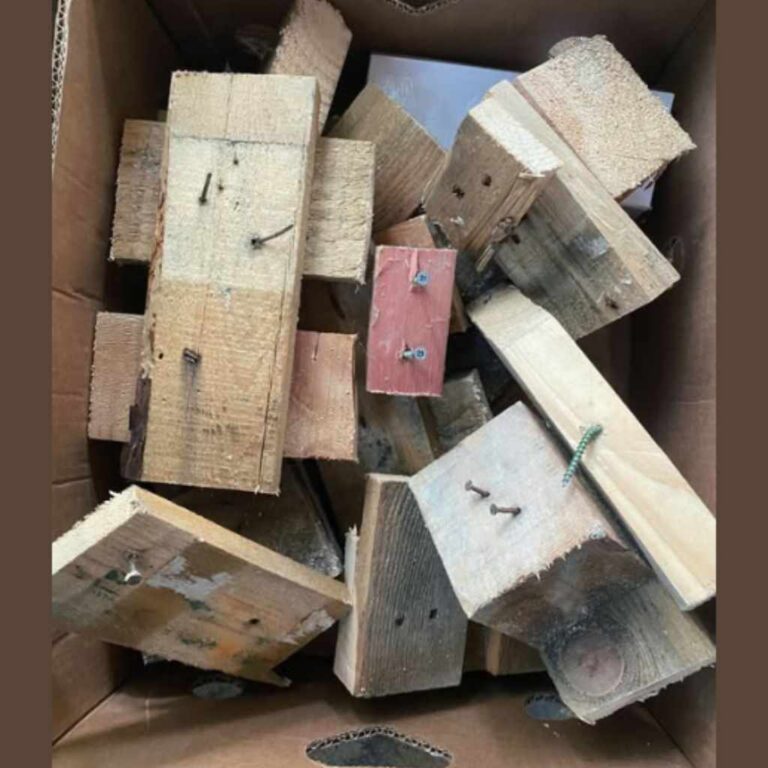
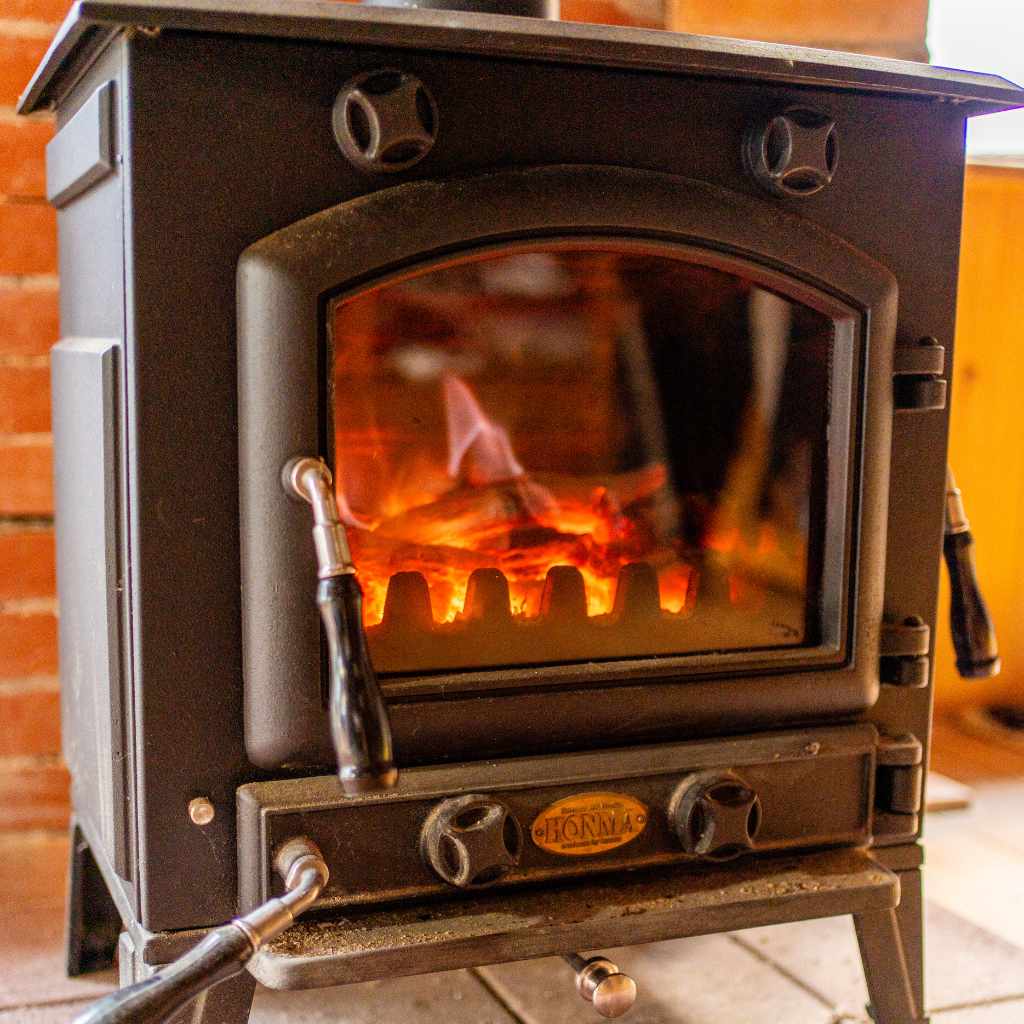
The core question, Can Pellet Stoves Burn Wood? What to Know, is essential for anyone considering pellet stoves. The short answer is generally no, pellet stoves are not designed to burn regular firewood. Their combustion systems are specifically engineered for the shape, size, and density of wood pellets. Regular firewood is too large and irregularly shaped, which does not allow for efficient and safe burning in a pellet stove. However, there are some unique scenarios and considerations to explore.
Attempting to burn wood in a pellet stove can lead to several problems. The larger size of wood pieces can clog the auger and damage the internal mechanisms. The inefficient combustion can cause heavy smoke, increased emissions, and the potential for a fire hazard. The air intake and burn pot design in pellet stoves are not optimized for the way wood burns, resulting in poor heat output and wasted fuel. To summarize, although the desire to burn wood in a pellet stove might stem from a wish to use available resources, it is not usually a viable or safe practice.
What Makes Pellet Stoves Different?
Pellet stoves are fundamentally different from wood stoves. These differences stem from the fuel used, the combustion process, and the overall design. Each element is carefully calibrated for the specific fuel. The fuel type dictates the structural design and operational mechanisms. Understanding these distinctions clarifies why you cannot usually burn wood in a pellet stove.
- Fuel Size and Shape: Pellet stoves are designed for the uniform size and shape of wood pellets. The size and shape ensure that pellets feed consistently through the auger and burn efficiently in the burn pot.
- Combustion Process: The combustion process in a pellet stove is highly controlled. Airflow is precisely managed to provide optimal burning conditions, leading to clean and efficient heat generation.
- Airflow Systems: Pellet stoves use a forced-air system, with fans assisting in the supply of oxygen. This contrasts with the natural draft of a traditional wood stove, which relies on the chimney to draw air.
- Emissions Control: Pellet stoves are designed to produce lower emissions than wood stoves. The efficient combustion and controlled airflow help reduce smoke and particulate matter released into the air.
The controlled airflow and combustion in pellet stoves are designed to burn pellets at specific rates. The auger system, for example, is calibrated to deliver a precise amount of pellets to the burn pot at consistent intervals. The design ensures efficient combustion. Using wood, which varies in size, shape, and moisture content, will disrupt this controlled process. This can lead to incomplete combustion, creating high smoke levels and potentially clogging the flue. This controlled environment is important for safety and efficiency. A key design element involves the burn pot. It is engineered with perforations and other features that facilitate the burn of the compressed pellets.
Stove Designs and Fuel Compatibility
The design of a stove greatly influences its fuel compatibility. Some wood stoves are made to burn various fuels, while pellet stoves are typically optimized for wood pellets. There are stoves that may offer some degree of fuel flexibility. Recognizing the limitations and the core purposes of each stove type is key. A clear understanding of the design of different stoves helps to avoid misusing them, which can prevent safety hazards and structural damage.
- Standard Pellet Stoves: These stoves are designed exclusively for wood pellets. They feature hoppers, augers, and burn pots that are specifically made to handle the uniform size and density of pellets.
- Multi-Fuel Stoves: Some multi-fuel stoves can burn wood pellets and other biomass fuels, like corn or cherry pits. These stoves have designs that adapt to different fuel types. However, they’re not always designed to handle regular firewood.
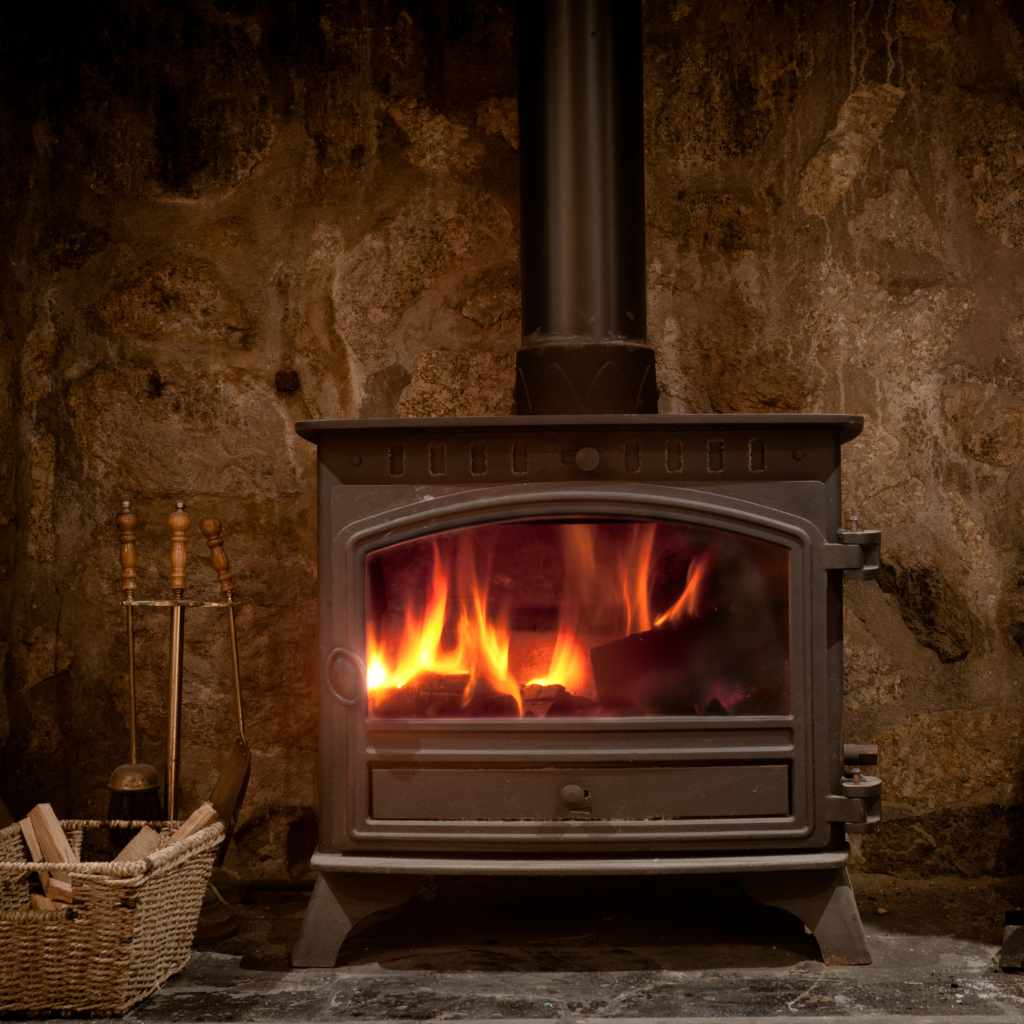
- Wood Stoves: Traditional wood stoves are made to burn regular firewood. They are not built with the automated systems like hoppers and augers. Wood stoves utilize natural airflow for combustion.
- Hybrid Stoves: A hybrid stove might be able to burn a limited amount of wood alongside wood pellets, but it is not a primary design feature.
The type of fuel used has a big impact on a stove’s performance. For example, burning wood in a pellet stove can be dangerous. The size and shape of wood pieces may not fit into the auger or burn pot, resulting in a system failure or dangerous outcomes. Conversely, using pellets in a traditional wood stove is not efficient. Pellets will likely fall through the grate and not burn properly. Understanding these fuel and design combinations is critical. The design choices of the stove—from the grate to the airflow system—are tied to the intended fuel. This ensures the best heating experience, improved efficiency, and reduced risk of safety issues.
Can Pellet Stoves Be Converted to Burn Wood?
The possibility of converting a pellet stove to burn wood is a topic that surfaces frequently for homeowners looking for options. However, due to several technical and safety concerns, this is not a practical or advisable modification. The core design differences between a pellet stove and a wood stove are such that a conversion would require substantial changes to its internal components and operational mechanisms. These adjustments would not be simple or inexpensive.
The primary design of a pellet stove includes a hopper and an auger system to supply fuel at a managed rate, an advanced combustion system for efficient burning, and often, a forced-air system for heat distribution. The structure is not suited for handling the large and irregular dimensions of wood. The air intake, burn pot configuration, and emissions control systems are set for wood pellets only. To accommodate wood, the auger would need to be
Safety Concerns and Challenges
Attempting to convert a pellet stove to burn wood brings significant safety risks. The design and construction are not engineered to safely contain and burn firewood. Without the right modifications, the stove could become a safety hazard. It is essential to recognize the inherent dangers and understand the limitations of a pellet stove design.
- Fire Hazards: Wood burns at a higher temperature than pellets. The higher temperatures could damage the stove components, such as the auger or burn pot.
- Chimney Fires: Burning wood in an improper environment can lead to a buildup of creosote in the chimney. Creosote is a flammable substance. This can ignite and result in a chimney fire.
- Incomplete Combustion: The combustion process might not be optimized. Incomplete combustion can cause excessive smoke and release dangerous pollutants into the air.
- Airflow Issues: The airflow systems are designed specifically for pellets. Wood may not burn correctly because of an imbalance in airflow. This can impact heating efficiency and safety.
For instance, burning wood in a pellet stove increases the risk of chimney fires because of the higher creosote production compared to burning wood pellets. Creosote buildup in the chimney is a severe fire hazard. Without the correct airflow to promote complete combustion, wood will smolder, and more creosote will be produced. Another safety challenge arises from the possibility of damage to the internal components of the pellet stove. The burn pot and other parts are made to handle the lower temperatures of pellet combustion. Subjecting them to the high heat from burning wood can cause them to warp or melt, leading to stove failure and safety concerns. This will create a great safety hazard.
Alternative Heating Solutions
If you’re seeking to heat your home with wood, there are several alternative options that are safer and more effective. Instead of attempting to convert a pellet stove, explore appliances specifically designed for wood burning. These devices come with the correct safety certifications and are intended to provide efficient heating with wood as fuel. Selecting the right solution depends on your particular heating needs, the available space, and your personal preferences.
- Wood Stoves: Traditional wood stoves are designed for burning firewood. They offer a familiar heating experience and are effective for heating large spaces. Many wood stove models are available, from basic to high-efficiency designs.
- Wood Furnaces: Wood furnaces can be a central heating option. They are integrated into the existing HVAC systems. They distribute heat throughout the home through ductwork.
- Masonry Heaters: Masonry heaters are efficient and can retain heat for long periods. They are constructed of masonry materials, such as brick, stone, or tile.
- Pellet Stoves: Use pellet stoves to burn wood pellets. They are a good choice for those who want a clean-burning and automated heating solution.
Using a wood stove provides a safe and effective way to heat a home with wood. You can select the right size and capacity. Some wood stoves come with catalytic converters or secondary burn chambers, which can improve their emissions performance. Using a wood furnace can provide a whole-house heating solution. This allows users to rely on the existing ductwork in the home to distribute heat. You can consider a masonry heater for a unique, efficient, and long-lasting heating solution. They’re capable of storing and releasing heat slowly over many hours. Choosing the correct appliance for your needs is a vital decision.
Maintaining Pellet Stove Safety and Efficiency
Keeping a pellet stove operating safely and efficiently involves regular maintenance. This ensures your stove continues to heat your home effectively and minimizes any risk. Proper maintenance reduces fuel consumption and lengthens the lifespan of your stove. A consistent schedule is a must to achieve optimal performance, improve safety, and avoid expensive repairs. Regular upkeep of your pellet stove may involve cleaning, inspecting, and, on occasion, replacing components.
The accumulation of ash can restrict airflow and reduce combustion efficiency. Regular cleaning helps reduce fire hazards and allows the stove to operate at its best. Periodic inspections and seasonal maintenance will provide maximum comfort. If you detect any unusual smells, noises, or changes in how the stove operates, seek professional assistance. Maintaining safety is crucial for the safety of your family. Regularly check the venting system to ensure it’s free of obstructions. When using a pellet stove, there are several things to consider.
Regular Cleaning and Inspections
Cleaning and inspecting a pellet stove are easy steps. Proper cleaning prevents many common issues, and regular inspections help to identify potential problems before they become serious. Make a habit of doing routine checks of key components and following the maintenance schedule. When cleaning and inspecting your stove, pay attention to the manufacturer’s directions, and always ensure the stove is switched off and cooled down before you begin any maintenance tasks.
- Ash Removal: Empty the ash pan frequently, usually every day or two, depending on usage. Use a specialized ash vacuum to extract ash from the burn pot and heat exchanger tubes.
- Burn Pot Cleaning: Clean the burn pot regularly, ideally every day. Remove any ash or clinkers that may be blocking the air holes.
- Heat Exchanger Tubes: Clean the heat exchanger tubes to enhance heat transfer efficiency. Use a brush designed for pellet stoves.
- Flue and Venting: Check the flue and venting system frequently for any obstructions. Clean the venting system at least once per heating season to remove any buildup of ash or creosote.
A routine inspection is a good way to keep your stove operating at its best. When removing ash, use a specialized ash vacuum. This is much better than a standard vacuum cleaner. The specialized vacuums have filters that can trap the tiny particles of ash that can damage a regular vacuum. After cleaning the burn pot, make sure all air holes are clear. This helps promote proper combustion. Also, checking the heat exchanger tubes will enable the stove to effectively transfer heat. The heat exchanger tubes are responsible for extracting heat from the exhaust gases. Finally, you should check the flue and venting systems for any obstructions or buildup of creosote, which can pose a fire hazard. By making cleaning and inspection a routine, you can increase the safety and longevity of your pellet stove.
Troubleshooting Common Issues
Even with careful use and routine maintenance, pellet stoves might sometimes develop problems. Learning how to troubleshoot common issues can help you resolve minor problems yourself, saving you both time and money. While not every problem will be easy to solve, understanding basic troubleshooting techniques will provide you with the resources for quick action. The manufacturer’s instructions for the pellet stove will include a troubleshooting section. This will provide you with specific guidance for your model.
- Stove Won’t Start: This is a common issue. Check the power supply, ensure the hopper has pellets, and check the igniter.
- Poor Burning: This can be from bad pellets or blocked airflow. Examine the burn pot, clean the heat exchanger tubes, and check the vent system.
- Excessive Smoke: This might indicate a problem with the venting. Also, examine the vent pipe for obstructions and ensure correct combustion.
- Frequent Auger Jams: This can happen because of poor-quality pellets. Also, check for any obstructions in the auger.
If the stove fails to start, first check the power supply and make sure it’s plugged in and the circuit breaker hasn’t tripped. If the stove still doesn’t start, examine the igniter, which may have burned out. Poor burning can be traced to fuel quality or airflow problems. If the pellets are dusty or too wet, they may not burn efficiently, causing less heat and more residue. For this, it is recommended to clean the burn pot and the heat exchanger tubes. When you detect too much smoke, it could be a sign of a blockage in the vent system or the auger. Inspect the exhaust system for obstructions. Should the auger frequently jam, carefully inspect it for any foreign objects. You should also ensure that the pellets you use are of high quality and appropriate for the stove.
Frequently Asked Questions
Question: Can I use wood in my pellet stove if I’m desperate?
Answer: It’s strongly advised against, as it could lead to safety problems and damage the stove.
Question: How often should I clean my pellet stove?
Answer: Clean the ash pan and burn pot daily or as needed, based on usage. It’s recommended to do a thorough cleaning and inspection once a year.
Question: Are all wood pellets the same?
Answer: No, wood pellets vary. For best performance, use quality pellets certified by the Pellet Fuels Institute (PFI).
Question: What’s the best way to maintain my pellet stove?
Answer: Regular cleaning, inspections, and professional servicing are key for maintaining both safety and efficiency.
Question: How do I know if my pellet stove is working efficiently?
Answer: It should produce consistent heat, burn pellets cleanly, and have minimal smoke. If the flame is weak or sooty, it might need attention.
Final Thoughts
So, Can Pellet Stoves Burn Wood? What to Know comes down to this: generally, pellet stoves are made for wood pellets, not regular firewood. Trying to burn wood in a pellet stove isn’t just inefficient; it can be dangerous, leading to fire hazards and damaging the stove. While it might seem tempting to try, the design differences between pellet stoves and wood stoves make a direct conversion unrealistic and unsafe. Focusing on using the right type of fuel for your heating system is vital for keeping your home safe and warm.
Instead of trying to force wood into a pellet stove, explore appliances specifically designed for wood burning if you prefer wood. Always prioritize safety and follow the manufacturer’s instructions for your appliance. Regular maintenance, including routine cleaning and inspections, is key to the safe and efficient operation of your pellet stove. By using the right fuel, staying on top of maintenance, and always putting safety first, you can enjoy a warm and comfortable home throughout the heating season. This will allow you to relax and enjoy the warmth provided by your heating system.