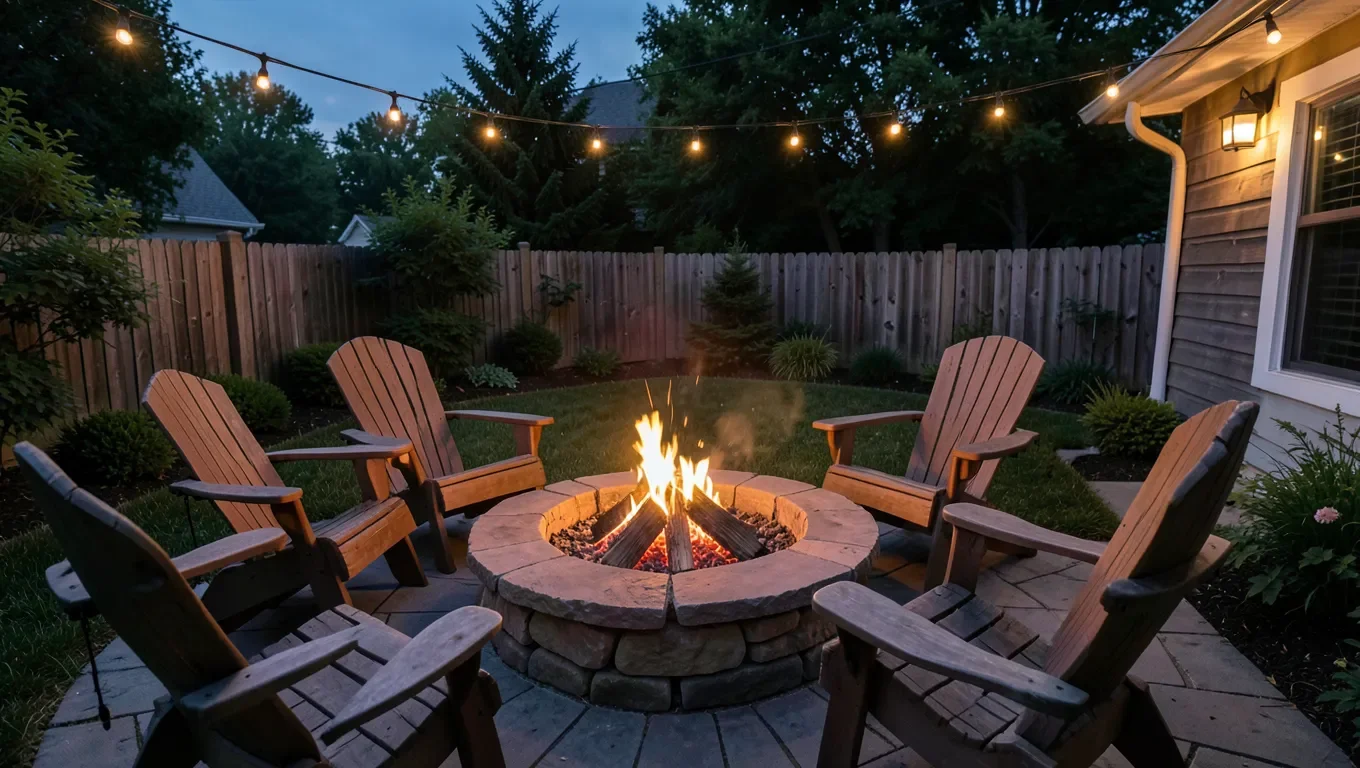
27 Creative Wood-Burning Fire Pit Ideas for Your Backyard
A backyard fire pit changes how you actually use your yard, not just how it looks. Below are 27 real design directions, from a $60 weekend cinder-block build to a sculptural corten-steel bowl, grouped by budget and skill level so you can find the one that fits your space. Just as important: the clearance, airflow, and local-ordinance rules that most “fire pit ideas” roundups leave out entirely — including one overhead-clearance rule that rules out a design you’ll see repeated across nearly every list like this one.
27 Creative Wood-Burning Fire Pit Ideas for Your Backyard
These ideas fall into four groups: simple DIY builds you can finish in a weekend, ready-made units you buy and drop in place, budget-friendly builds under $150, and statement pieces built to be the yard’s focal point. If you’d rather skip the building step entirely, this is the pit we’d point a first-time buyer toward — it ships with the spark screen already built in, which solves the single most common fire-pit safety gap DIY builds miss.
Best Ready-Made Wood-Burning Fire Pit
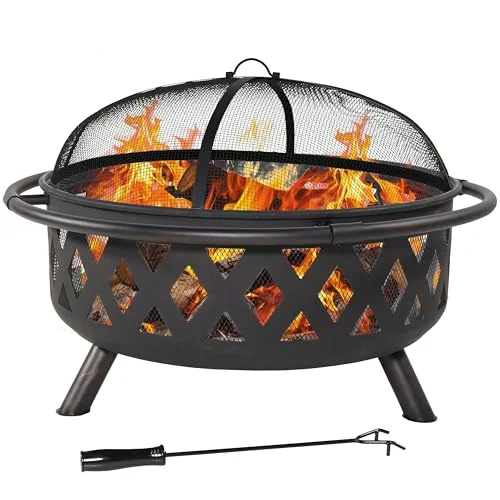 |
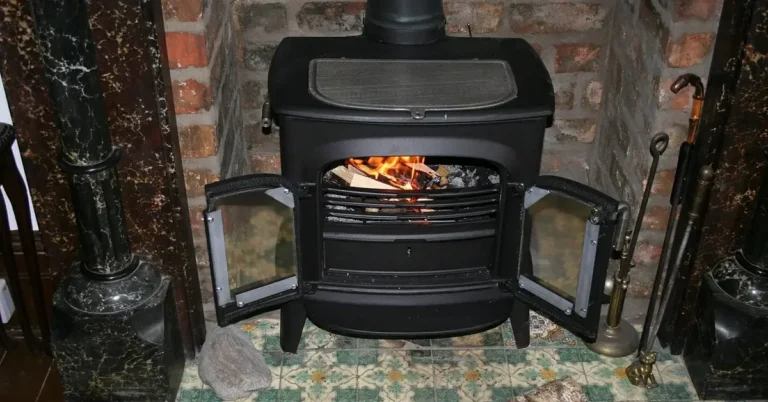
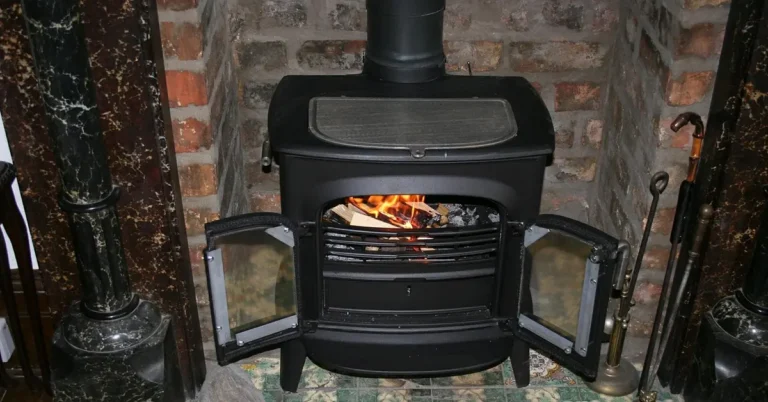
Sunnydaze Crossweave 36″ Wood-Burning Fire Pit – $199 Skip the weekend build: this 36-inch crossweave steel pit seats 6-8 people and ships with the spark screen and poker already included.
|
Simple DIY Stone and Cinder Block Builds (Ideas 1–7)
A stacked stone or cinder-block ring is still the fastest way to get a real fire pit in the ground. Two layers of block, staggered like brickwork so the second layer’s joints fall over the middle of the first layer’s blocks, gives you a structurally sound wall without mortar. For stone, choose dense, non-porous types — flagstone, river rock, granite fieldstone — and skip anything that looks freshly quarried or damp; trapped moisture in stone can crack or pop when it hits direct heat.
- 1. Two-layer cinder block ring — about 10–12 blocks per layer for a 3–4 foot interior diameter, no mortar required for a temporary build.
- 2. Fire-brick-lined block pit — swap the interior facing course for real fire brick, which is rated for direct flame contact; standard clay brick isn’t and can spall under heat.
- 3. Dry-stacked river rock ring — the most forgiving DIY option since there’s no cutting or leveling of square units involved.
- 4. Sunken fire pit — dig a shallow bowl into a gentle slope and line the walls with stone, creating a natural amphitheater effect without building height up.
- 5. Painted cinder block with stencils — high-temperature masonry paint plus a stencil pattern turns a $80 block build into something that looks custom.
- 6. Capstone-topped stone ring — flat pavers or fire pit caps across the top course give you a finished edge and double as a spot to rest a drink.
- 7. Gravel-base raised hearth — a paved circle of pavers extending a few feet past the pit itself contains stray embers and defines the seating zone.
Ready-Made and Modern Metal Designs (Ideas 8–14)
Metal fire pits trade the weekend labor of a stone build for a unit you can set up in under 30 minutes and move whenever you rearrange the yard. Corten (weathering) steel is the material to know here: it forms a stable rust-colored patina within a few months of outdoor exposure that actually protects the metal underneath, rather than continuing to corrode like untreated steel would.
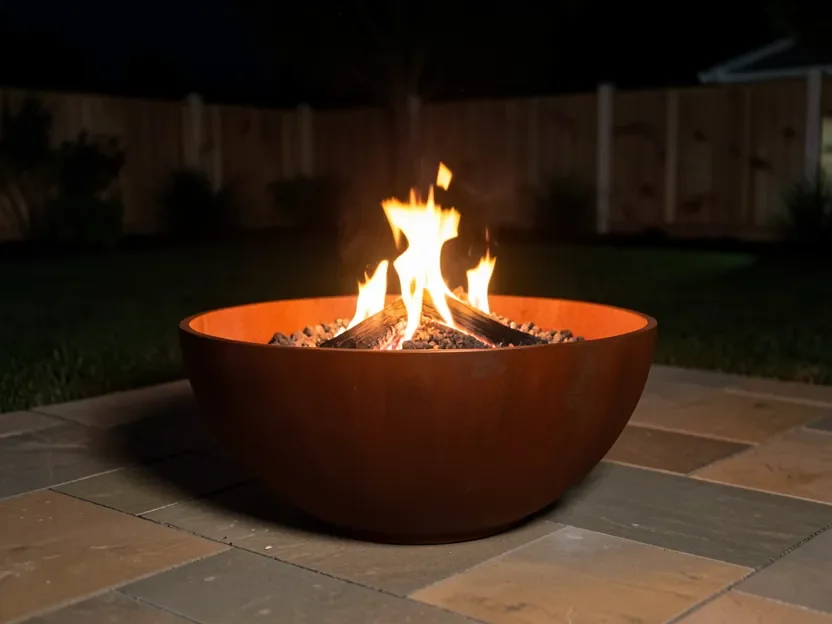
- 8. Corten steel bowl — the weathered-rust look shown above; sold as a standalone bowl or built into a low concrete surround.
- 9. Crossweave steel fire pit with built-in spark screen — a portable design (like the one below) that solves ember containment out of the box.
- 10. Cast iron fire pit — heavier and slower to cool, but it holds radiant heat longer after the flames die down.
- 11. Stainless steel geometric fire pit — angular, cut-panel designs that throw shadow patterns onto the patio when lit.
- 12. Spherical “fire sphere” steel bowl — a rounded steel form that reads as a sculpture during the day and a glowing orb at night.
- 13. Built-in vs. portable steel base — a permanent steel insert set into a stone or concrete surround, versus a legged bowl you can relocate.
- 14. Tripod-style raised steel bowl — elevates the fire off the ground, which improves airflow and keeps radiant heat off the patio surface below it.
Budget Builds Under $150 (Ideas 15–20)
None of these require new materials. Salvage yards, renovation leftovers, and online marketplaces are the cheapest sources for anything heat-resistant and heavy enough to hold its shape.
- 15. Repurposed washing machine drum — the perforated steel drum from an old front-loader makes a ready-made, well-ventilated fire bowl.
- 16. Salvaged brick ring — leftover brick from a patio or chimney renovation, stacked the same way as new cinder block.
- 17. Tractor rim base — a large steel wheel rim, set on gravel, gives a rustic industrial look for close to nothing.
- 18. Pre-fab DIY kit — boxed kits with pre-cut components are usually cheaper than a fully custom build and assemble in an afternoon.
- 19. Free local stone ring — stone gathered from your own property or offered free by neighbors, focused on stability over polish.
- 20. Concrete paver circle — standard landscaping pavers set on edge in a ring, one of the cheapest per-square-foot options at most hardware stores.
Statement and Integrated Designs (Ideas 21–27)
These treat the fire pit as the anchor of a full outdoor room rather than a standalone feature — but one popular version of this idea has a real safety problem worth flagging before you build it (see the clearance section below).
- 21. Curved built-in seating wall — a low stone or concrete bench that wraps most of the way around the pit, seating 6–8 without extra furniture.
- 22. Grilling-grate fire pit — a removable cooking grate over the fire bowl turns the same pit into a rustic cooking station for burgers, foil packets, or s’mores.
- 23. Fire-and-water feature — a fire bowl set beside or within a shallow water feature for a striking contrast at night; needs a licensed installer for the plumbing side.
- 24. Mosaic or tile-clad surround — heat-resistant mosaic tile applied to a concrete or metal surround with high-temperature adhesive, for a fully custom look.
- 25. Log-round seating circle — raw cut log rounds set at seating radius around a simple stone ring; no masonry work at all.
- 26. Integrated garden fire pit — a pit nestled into a retaining wall or planting bed, surrounded by low-growing, fire-tolerant plantings.
- 27. Outdoor-room fire pit with defined patio zone — sofas, an outdoor rug, and lighting arranged around the pit like an outdoor living room — just keep it clear of any roof structure overhead (details next).
Placement, Clearance, and the Rules Most Idea Lists Skip
Every one of the 27 ideas above still has to pass the same placement test before you build it. Fire pit regulations in the U.S. aren’t set federally — they come from a patchwork of state fire codes, county ordinances, and local fire department rules, so the exact numbers below are a baseline, not a substitute for calling your local fire department or checking your city’s code before you dig.
- Horizontal clearance: The EPA’s BurnWise program and most local fire codes set a 10-foot minimum from any structure, fence, or property line. Many municipal codes cited under NFPA 1 and the International Fire Code push that to 25 feet for a permanent, in-ground pit — check which threshold your city actually enforces, since it varies by jurisdiction and by whether the pit is portable or built-in.
- Overhead clearance — the rule idea #27 above runs into: NFPA guidance calls for roughly 21 feet of clear overhead space above a recreational wood fire, and a wood-burning pit should never sit under a pergola, covered patio roof, or low tree canopy. That “outdoor room under a pergola” look shows up constantly in fire pit inspiration articles, but it’s the one setup that doesn’t clear a real fire code — if you want that covered, fully-furnished look, plan the roof structure well outside the pit’s footprint, not over it.
- Surface: Set the pit on gravel, stone, concrete, or a rated fire-pit pad — never bare grass or an unprotected wood deck. A metal fire pit’s base radiates enough heat to scorch or ignite a deck board even with legs raising it a few inches.
- Local burn ordinances: Some regions restrict or ban open wood burning entirely on poor-air-quality days, and a few, like parts of California under regional air-quality rules, have much stricter year-round limits than most of the country. Check your city or county’s current burn status before you assume any backyard fire pit is automatically legal to light.
- Wind: Note your yard’s prevailing wind direction before you commit to a spot — smoke blowing straight into your own seating area or a neighbor’s windows is the most common complaint that leads to a fire pit ban getting enforced on a specific property.
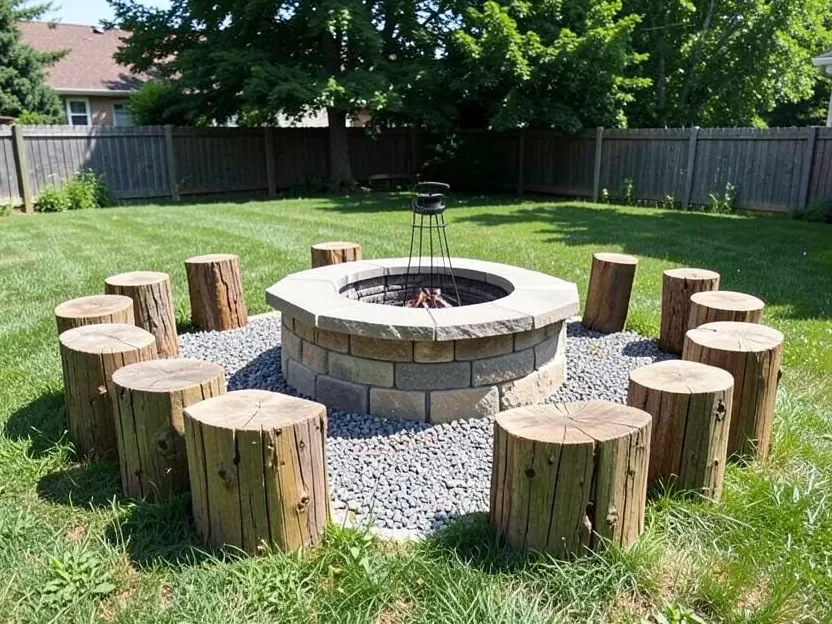
For placement rules, wood selection, and safe operation in more depth once you’ve picked a design, see our full outdoor wood burning fire pit safety guide.
Building, Sizing, and Fire Safety Equipment
Once placement is settled, sizing is the next decision. An interior diameter of 3 to 4 feet suits most backyard gatherings — big enough for real heat output without burning through firewood too fast. Wall height typically runs 12 to 18 inches, tall enough to contain embers while keeping the flames visible from seated height. For materials, natural stone and fire brick hold up best under repeated heat cycling; regular clay brick and porous, damp stone are the two most common DIY mistakes, since both can crack or spall with use.
Whatever design you build, three pieces of safety equipment aren’t optional:
- A spark screen. Loose embers are the leading cause of fire pit incidents that spread beyond the pit itself; a mesh dome screen (built into some ready-made pits, sold separately for DIY builds) stops most of them before they land on dry grass, decking, or clothing.
- A water source or extinguisher within reach. A bucket of water and sand, or a small fire extinguisher, should sit next to every lit pit, not stored somewhere else in the yard.
- Seasoned hardwood. Oak, maple, hickory, and ash burn hotter and cleaner than softwoods, with less creosote and fewer sparks. Wood should be dried 6–12 months before burning — look for checking (small cracks) at the log ends and a grayish, weathered surface. Never burn treated lumber, painted wood, or particleboard; all three release toxic fumes when burned.
After each use, let the pit cool completely before removing ash, and dispose of it in a metal container away from anything combustible — ash can hold enough residual heat to ignite a plastic trash bag hours after a fire looks fully out.
Frequently Asked Questions
What is the safest distance to place a fire pit from my house?
Most local codes require at least 10 feet from any structure, fence, or overhanging branch, and several jurisdictions following NFPA 1 or the International Fire Code require up to 25 feet for a permanent, in-ground pit. Confirm the exact number with your local fire department, since it varies by city and by whether the pit is portable or built-in.
Can I build a fire pit under a pergola or covered patio?
No. NFPA guidance calls for roughly 21 feet of clear space above a recreational wood fire, so a wood-burning pit should never sit under a pergola, covered patio roof, or low tree canopy. If you want an “outdoor room” look, keep the roof structure well outside the pit’s footprint instead of over it.
Can I use any type of wood in my fire pit?
Use seasoned hardwoods like oak, maple, or ash; they burn longer and cleaner. Avoid treated lumber, painted wood, particleboard, or trash, since all of them can release toxic fumes and create dangerous sparks or heavy creosote buildup.
What safety equipment should I have near my fire pit?
Keep a spark screen on the pit itself, and a fire extinguisher or a bucket of water and sand within arm’s reach any time it’s lit. Both should stay at the pit, not stored elsewhere in the yard.
How do I know if wood-burning fire pits are allowed where I live?
Check your city or county fire department’s website or call them directly; many publish current burn-ban status and permit requirements. Some regions, including parts of California under regional air-quality rules, restrict or ban open wood burning well beyond the baseline clearance rules, so don’t assume a fire pit is automatically legal to light without checking.
Wrap Up
The right wood-burning fire pit design depends on your budget, how much building you want to do, and how you plan to use the space — but every option on this list has to clear the same placement, clearance, and local-ordinance checks first. Get those right, pick a design from the 27 above, and you’ll have a gathering spot that’s both genuinely creative and actually built to code.
Sponsored / affiliate links. As an Amazon Associate I earn from qualifying purchases. I may earn additional commission from eligible campaigns.