Can Teak Wood Get Wet? Yes, Thanks to Its Natural Oil
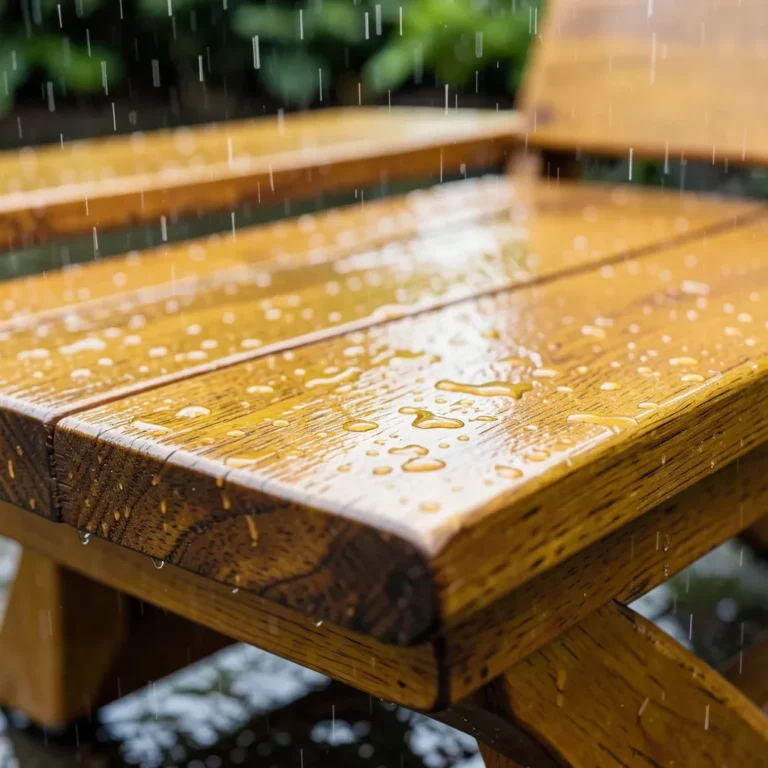
Teak wood can get wet without damage — its natural oils (5-7% by weight in Grade A stock) repel water better than almost any hardwood, which is why boat builders have used it for ship decks for centuries. Grade B and C teak contain far less oil and crack or gray fast without sealing (already gray? see our teak restoration guide). This guide covers the Grade A/B/C oil breakdown, how long teak can sit wet before mold sets in, and the routine that keeps it lasting decades outdoors.

Is Teak Wood Waterproof or Just Water-Resistant?
Best Teak Sealer Pick
STAR BRITE Premium Golden Teak Oil (16 oz)
A marine-grade teak oil that replenishes the surface oils rain and UV strip away, restoring the golden color without the peeling risk of varnish.
- Best for: Grade A/B outdoor furniture that’s started to dry out or fade
- Why we picked it: Long-established marine brand, penetrates rather than sitting on the surface
- Main drawback: Needs reapplication every few months in full sun
Compare more teak sealer options
 Option 1 Nordicare Teak Oil
|
 Option 2 TeakGuard Water-Based Finish
|
 Option 3 Better Boat Teak Sealer Kit
|
As an Amazon Associate we earn from qualifying purchases.
Teak is water-resistant, not waterproof — no natural wood is completely immune to water forever. What sets teak apart is how much protection its own chemistry provides before any finish or sealer is ever applied, which is unusual among outdoor lumber species.
Why Teak Repels Water: Natural Oils and Tectoquinone
Teak is a tropical hardwood (Tectona grandis) that contains natural oils and a compound called tectoquinone, which forms a built-in moisture barrier and repels rot, pests, and fungal growth. Unlike species that need an applied finish to resist water, teak carries this protection inside the grain itself — that’s why untreated teak boat decks have survived saltwater exposure for decades. This is also why teak is finished differently than most woods; our guide to finishing teak wood step by step covers the specific prep this oil content requires.
How Teak Furniture Handles Moisture
Teak furniture construction reinforces the wood’s natural resistance. Tight-fitting mortise-and-tenon joints keep water from seeping into joints, and stainless steel or brass hardware resists corrosion where screws or bolts are used. The bigger risk isn’t the water itself — it’s what happens if a piece is left standing in a puddle or stored on a wet surface for weeks, which can eventually cause warping even in Grade A stock.
Grade A vs Grade B vs Grade C Teak: Which Handles Water Best?
Not all “teak” furniture is equal, and this is the biggest information gap in most teak-buying advice. Teak grade is determined by tree age and which part of the trunk the wood is cut from — and it directly controls how much natural oil is available to repel water. Compared to other outdoor species like acacia, even lower-grade teak still outperforms most alternatives, but the gap between teak grades themselves is larger than most buyers realize.
| Teak Grade | Natural Oil Content | Outdoor Lifespan | Annual Maintenance |
|---|---|---|---|
| Grade A | 5–7% of wood weight | 50–75+ years | 2–5 hours |
| Grade B | 2–4% | 15–25 years | 10–16 hours |
| Grade C | 1–2% | 5–10 years max | 30–43 hours |
Source: Teak grading data compiled from outdoor furniture manufacturer specifications (Windsor Teak Furniture grading guide). Grade A teak comes from trees at least 45–50 years old; Grade C is cut from immature trees or outer sapwood with little protective oil left.
📊 Teak has a Janka hardness of roughly 1,000–1,155 lbf and earns a Class 1 durability rating — meaning Grade A stock can last 25+ years even in direct ground contact. — Source: WoodWorkScience.com materials analysis

How Long Can Wet Teak Sit Before It’s Damaged?
Occasional rain or splashing does not damage Grade A teak — it’s designed to shed water and dry out on its own. The risk comes from standing water that never drains: a puddle trapped in a joint or under a planter can start growing mold or mildew on the surface within 24–48 hours in warm, humid conditions, even though the teak itself isn’t rotting underneath.
Mold on teak is almost always a surface problem, not a structural one — a wipe-down with diluted soap and water usually removes it. The real fix is prevention: teak dries fastest with airflow underneath and around it, which is why furniture on solid, non-draining patios stays damp longer than furniture on slatted decking or raised feet.
Does Teak Turn Gray When It’s Exposed to Water?
Yes — and it’s purely cosmetic. UV light breaks down the surface oils and rain washes away surface tannins, which turns teak’s honey-brown color into a silver-gray patina, usually noticeable within a few weeks in humid climates or a few months in dry ones. The wood’s internal oil content and structural integrity aren’t affected; it’s the same reason old teak boat decks look silver-gray but are still structurally sound decades later.
One mistake we see often: scrubbing graying teak with a stiff wire brush right after it’s been rained on. Wet wood grain is softer, so an aggressive brush pulls oil-rich fibers out with the dirt and speeds up graying instead of slowing it. A soft-bristle brush and mild soap does the same cleaning job without the damage. If you’d rather bring back the original color than let the patina develop, our guide on how to renew teak wood walks through the sanding and re-oiling process.
Maintaining Teak Furniture So It Stays Water-Resistant
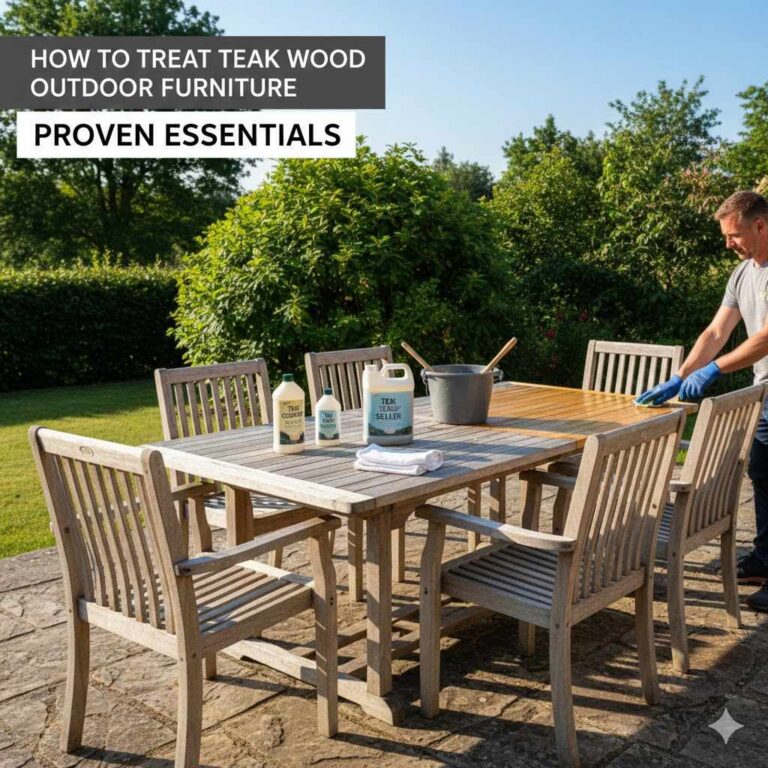
Teak needs far less upkeep than most outdoor wood, but “low-maintenance” isn’t “no-maintenance.” Keeping teak wood furniture looking and performing its best comes down to two habits: regular cleaning and occasional sealing.
Cleaning Wet or Dirty Teak (Step by Step)
- Remove loose debris: Brush off dirt and dust with a soft brush or dry cloth before adding water.
- Mix a mild solution: Warm water with a few drops of mild dish soap — skip harsh detergents, which strip natural oils.
- Scrub gently with the grain: Use a soft sponge, not a stiff wire brush, especially on wood that’s already wet.
- Rinse thoroughly: A garden hose works; avoid a high-pressure washer, which can splinter the surface grain.
- Let it dry fully before sealing: Applying oil or sealer over damp wood traps moisture instead of blocking it.
Sealing and Oiling Teak for Extra Protection
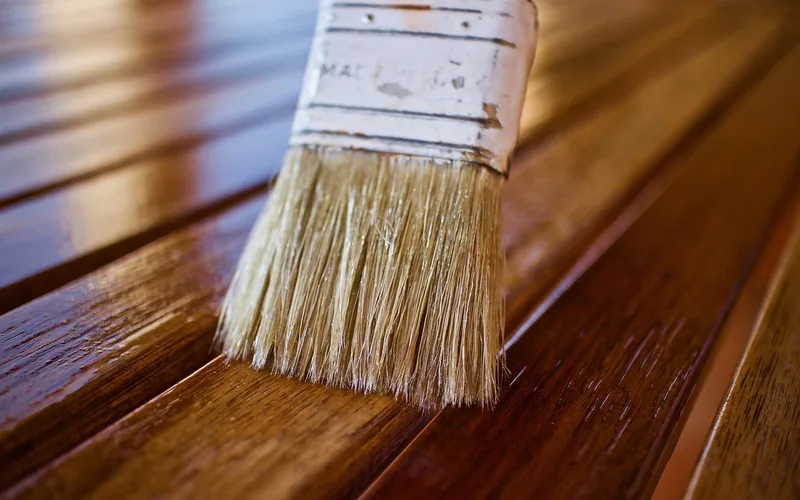
A teak sealer or teak oil replenishes the natural oils that sun and rain wear away over time, and either is a better choice than it sounds to reach for: avoid varnish or polyurethane on outdoor teak. Teak’s natural oils keep film finishes from bonding properly, so varnish typically blisters and peels within a season or two, creating more work than leaving the wood untreated. Cover furniture or store it dry during extended periods of heavy rain or winter storage to cut down on how often it needs re-oiling.
Frequently Asked Questions About Teak Wood and Water
What Happens If Teak Wood Gets Wet?
Nothing damaging in the short term. Grade A teak sheds water and dries on its own. If water pools and sits for days without draining, the surface can develop mold or mildew, and prolonged soaking can cause slight swelling — but regular drying and occasional sealing prevent both.
Can Teak Be Left Out In The Rain?
Yes. Teak’s natural oil content makes it one of the few woods designed to be left outdoors in the rain without a cover. It will gradually turn silver-gray from UV and moisture exposure, but a teak sealer or oil applied a couple of times a year keeps the original color and adds an extra layer of protection.
Can You Put Teak Wood In The Shower?
Yes. Teak’s resistance to water and rot makes it a common choice for shower floors, benches, and bath mats. Good drainage still matters — standing water in a shower pan that never dries can encourage mildew on any wood, teak included.
How Do You Waterproof Teak Wood?
Clean the wood, let it dry completely, then apply a teak oil or dedicated teak sealer with a brush or cloth, following the product’s reapplication schedule. Avoid marine varnish on teak specifically — unlike on other boat woods, it tends to peel because teak’s own oils prevent it from bonding well.
How Long Can Wet Teak Sit Before It Gets Moldy?
Mold or mildew can start forming on the surface within 24 to 48 hours if water pools somewhere with poor airflow, such as under a planter or in a joint that doesn’t drain. Furniture on slatted decking or raised feet dries faster and rarely reaches that window.
Does Teak Turn Gray When It’s Exposed To Water?
Yes, but it’s cosmetic only. UV and moisture break down surface oils and wash away surface tannins, producing a silver-gray patina without weakening the wood underneath. Regular oiling slows the color change; sanding and re-oiling can reverse it.
Conclusion
Teak wood can get wet without real damage — that’s the entire point of its natural oil content, and it’s why Grade A stock survives decades outdoors with only a couple of hours of care per year. The exceptions are standing water that never drains and lower teak grades that never had much oil to begin with. Clean it, let it dry, seal it a couple of times a year, and skip the varnish.
Sponsored / affiliate links. As an Amazon Associate I earn from qualifying purchases. I may earn additional commission from eligible campaigns.