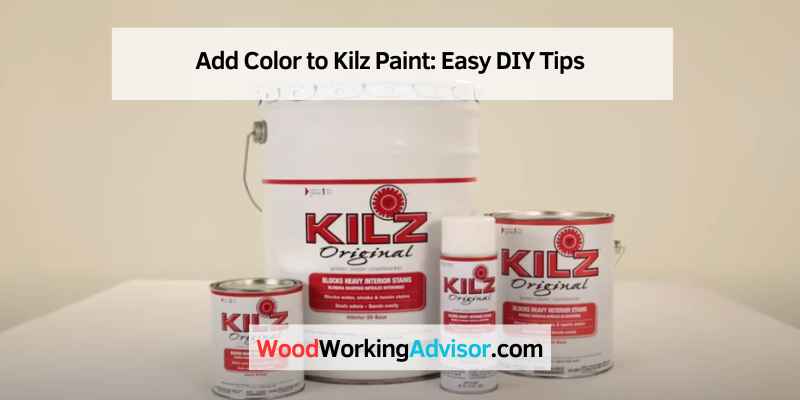
Can You Add Color to Kilz Paint? Yes (Here’s the Limit)
Yes, most Kilz primers can be tinted — up to 2 oz of universal colorant per gallon, per Kilz’s own guidance. Tinting cuts down the number of topcoats you need, especially when going from a dark wall to a lighter color. The catch: not every Kilz product accepts the same amount, and mixing the wrong tint type into the wrong primer base can ruin the batch.
Quick Answer
Most Kilz primers (Original, Premium, 2 All-Purpose, PVA) can be tinted up to 2 oz of universal colorant per gallon. Kilz Restoration and Mold & Mildew primers have stricter or no tinting allowance. Aerosol Kilz primers cannot be tinted at all. Always tint one shade lighter than your final topcoat color.
Types Of Kilz Primer & Paint
What You'll Need To Tint Kilz Primer
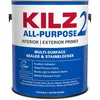
KILZ 2 All-Purpose Primer, 1 Gallon
Water-based, accepts universal colorant per the official Kilz tinting guide — seals, primes, and blocks stains in one step.
- Best for: the base coat you’ll tint with universal colorant
- Why we picked it: water-based formula accepts standard universal tints and blocks common stains before painting
- Main drawback: check the label — oil-based KILZ Original needs a solvent-based tint instead
Compare more tinting supplies
 Option 1 Mixol Universal Tints
|
 Option 2 Paint Mixer Drill Attachment
|
 Option 3 Disposable Graduated Mixing Cups, 50-Pack
|
As an Amazon Associate we earn from qualifying purchases.
Kilz makes several primer and paint lines, and how much (if any) colorant each one accepts depends on the formula. Here’s a quick rundown before we get into tinting limits.
Kilz Original Primer
An oil-based, stain-blocking primer that works on almost any surface and seals tough stains — smoke, nicotine, water damage — before topcoat goes on.
Kilz Premium Primer
A water-based primer for interior and exterior surfaces — drywall, wood, masonry — that resists mildew and dries fast enough to paint over within about an hour.
Kilz Restoration Primer
A water-based primer built for fire, smoke, and water damage restoration jobs. It blocks severe stains but, per Kilz, has a stricter tinting allowance than the general-purpose lines above.
Kilz Siding, Fence & Barn Paint / Stainblocking Ceiling Paint / Enamel Porcelain Paint
These are finished paints rather than primers — 100% acrylic exterior coating, a stain-blocking ceiling paint, and a glossy enamel for porcelain and metal. Because they’re pre-colored paint products, not white primer, they’re color-matched rather than tinted at home.
How Much Colorant Can You Add? (Kilz’s Official Limit)
Per Kilz’s own “Tinting Primer” guide, most white Kilz primers — Original, Premium/Kilz 3, Kilz 2 All-Purpose, Kilz Standard, and PVA — can be tinted with up to 2 oz of universal colorant per gallon. A few exceptions matter:
- Kilz Restoration and Mold & Mildew primers have a stricter (or no) tinting allowance — check the can label before adding any colorant.
- Gray or pre-tinted primers don’t need additional tinting; they’re already formulated as a mid-tone base coat.
- Aerosol (spray can) Kilz primers cannot be tinted at all — there’s no way to introduce colorant into a sealed spray can.
- Kilz recommends tinting one shade lighter than your final topcoat color, since the tinted primer only needs to get you closer to the target color, not match it exactly.
Most paint stores tint primer for you on the spot using a calibrated tinting machine loaded with your chosen colorant — this is the most reliable way to hit the 2 oz ratio precisely. If you’re tinting at home, use a graduated measuring cup rather than eyeballing it.
Oil-Based Vs. Water-Based Kilz: Don’t Mix Tint Types
Kilz’s primer lineup includes both oil-based formulas (Kilz Original) and water-based/latex formulas (Kilz Premium, Kilz 2, Kilz Restoration). This matters for tinting because the two use different colorant bases.
“Never mix oil-based tint into water-based primer, or vice versa — the tint will ball up and separate instead of blending in.”
Use a water-based (latex) universal colorant for Premium, Kilz 2, Restoration, and PVA primers, and a solvent/oil-based colorant for Kilz Original. If you’re not sure which base your can uses, check the label — water-based primers clean up with soap and water, while oil-based ones need mineral spirits.
Methods To Add Color To Kilz Paint
There are two practical ways to get a colored result out of Kilz primer, beyond having it professionally tinted at the store.
Mixing Kilz Primer With Real Paint
Add a small amount of your topcoat paint into the Kilz primer and mix thoroughly — this gets you a tinted base coat without needing a store’s tinting machine. Test it on a scrap surface or hidden section of wall first, since ratios are harder to control than a calibrated 2 oz colorant dose.
Using Kilz As Paint
Some Kilz lines (like the Siding, Fence & Barn Paint or Enamel Porcelain Paint) function as combined primer-and-paint products, available pre-colored in flat, satin, semi-gloss, and high-gloss finishes — no separate tinting step required.
Benefits Of Tinting Kilz Paint
Tinting the primer before you paint saves real time and money on a repaint job.
Fewer Coats
Going from a dark wall to a light color, or vice versa, usually needs two or three coats of topcoat paint over plain white primer. A tinted primer closes most of that gap in one coat, so you often finish in one or two coats of paint instead of three or four.
Less Paint Used Overall
Fewer coats means less paint bought and less time spent painting — tinting a $15–$20 gallon of primer with a $10 bottle of colorant is usually cheaper than buying an extra gallon of finish paint to get full coverage.
Finding And Buying Kilz Paint Colors
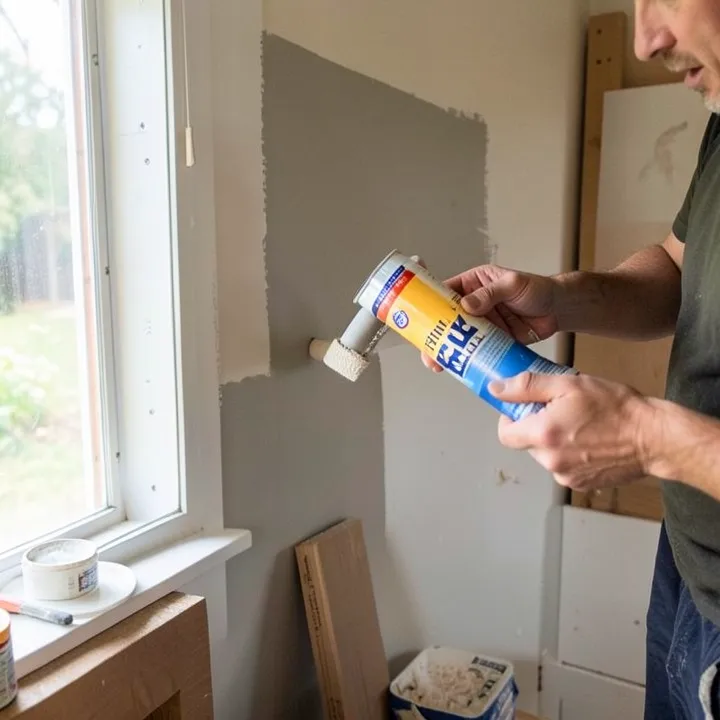
If you want an exact color match rather than a DIY-tinted primer, most paint retailers — including the store where you buy your primer — can color-match a Kilz product to a swatch or an existing paint can using their in-store tinting machine and color-matching software. Home Depot, Lowe’s, and Walmart all carry Kilz products and offer this service; you can also use Kilz’s own online paint color visualizer to preview a shade before committing to a can.
Tips For A Professional-Looking Finish
Painting over bright or dark colors is where a properly tinted primer earns its keep. A few practical tips:
Factors To Consider When Tinting Kilz Paint
- Confirm your primer is tintable — check the can label for the colorant allowance before adding anything.
- Start from a white or light base — true whites take colorant more predictably than gray or pre-tinted bases.
- Use a calibrated tinting machine or a graduated measuring cup — eyeballing the colorant amount is the most common cause of streaky, inconsistent color.
Painting Over Bright Or Dark Colors
- Start with a coat of tinted Kilz primer to knock down the existing color before the topcoat goes on.
- Pick your finish deliberately — matte, eggshell, satin, or semi-gloss all show tint differently under light.
- Apply thin, even coats with a roller or brush rather than one heavy coat, which is more likely to show lap marks.
Using The Kilz Paint Color Visualizer
- Visit the Kilz website and open the paint color visualizer tool.
- Select the Kilz product line you’re using.
- Upload a photo of your room, or browse the available color swatches.
- Preview the selected color in a room setting.
- Save the color code and take it to your paint store to have the primer or paint tinted to match.
Frequently Asked Questions
Can Kilz paint and primer be tinted?
Yes. Most Kilz primers — Original, Premium, Kilz 2 All-Purpose, Standard, and PVA — can be tinted with up to 2 oz of universal colorant per gallon. Restoration and Mold & Mildew primers have a stricter allowance, and aerosol primers can’t be tinted at all.
How much colorant can I add to Kilz primer?
Up to 2 ounces of universal colorant per gallon for most Kilz primer lines, measured with a graduated cup or added at the store with a calibrated tinting machine. Going over this amount can affect how the primer cures and adheres.
Can I mix oil-based tint into a water-based Kilz primer?
No. Oil-based and water-based (latex) colorants aren’t interchangeable — mixing the wrong type in causes the tint to separate and ball up instead of blending. Match a water-based colorant to water-based Kilz primers (Premium, Kilz 2, Restoration, PVA) and a solvent-based colorant to oil-based Kilz Original.
Can Kilz be color matched instead of tinted at home?
Yes. Most paint stores can color-match Kilz primer or paint to a swatch or existing paint can using an in-store tinting machine, which is more precise than measuring colorant by hand.
Conclusion
Adding color to Kilz paint is straightforward once you know the numbers: most primers take up to 2 oz of universal colorant per gallon, tinted one shade lighter than your final color, using a colorant that matches your primer’s oil- or water-based formula. Get those three details right and a tinted primer will save you a full coat of paint on most repaint jobs.
Sponsored / affiliate links. As an Amazon Associate I earn from qualifying purchases. I may earn additional commission from eligible campaigns.