Can You Cook With Sweet Gum Wood? Not Toxic, Just Not Ideal
Sweet gum wood is not listed as toxic, but it is a poor choice for cooking, and we would not recommend it for smoking meat. The old claim that its smoke will make you ill does not hold up: we found no documented poisoning from it. The real problems are practical. Sweetgum is hard to split, slow to season, and hard to burn clean, and the tree is common enough that you can easily end up burning something that only looks like it.
This guide separates what is actually known about sweetgum (Liquidambar styraciflua) from what gets repeated online, covers the one safety rule that matters far more than the species, and points you to better woods.
Can You Cook With Sweet Gum Wood?
Best Safer Smoking Wood Pick
 |
Weber Hickory Wood Chunks, 4 lb Bag A bagged, purpose-sold hickory smoking wood, so you never have to guess what tree a chunk came from or whether it was ever treated.
|
As an Amazon Associate we earn from qualifying purchases.
Technically yes, in the sense that it is not a known poison. Practically, most barbecue guidance steers people to woods with a long track record: oak, hickory, and fruitwoods such as cherry and apple. Sweetgum has no such record. The barbecue forum threads we found on it are split, and the reasons people give for avoiding it are about burn quality and flavor, not toxicity.
Here is the honest breakdown of what is known and what is anecdote:
- Toxicity: not listed as a toxic wood. One reference does note that sweetgum has been reported to cause skin irritation, which matters for cutting it, not for cooking with it.
- Flavor: only anecdotal. Some hobby smokers report that seasoned heartwood gives a smoke milder than oak, while others report harshness. We have not tested it ourselves, so treat both as opinion.
- Burn behavior: the common complaint is that it is hard to keep burning cleanly, and that older, fully seasoned wood works worse than young wood. That is a reason to skip it, because a smoldering, smoky fire is exactly what puts a bitter, sooty taste on food.
- Evidence of safety for food: none. Not proven toxic is not the same as proven good, and for something you eat, we would rather use a wood with a long track record.
Why the Old Advice Is Confusing
If you have read that sweet gum is toxic, resinous, and will make you sick, you are seeing a claim that gets copied from page to page without a source. The opposite claim, that sweetgum is a great smoking wood or that it is fine for a pizza oven, is just as thinly supported. The truth sits in the middle: it is a hardwood, not a poisonous one, but it is not a proven cooking wood either.
A likely source of the toxic label is confusion with other materials burned in the same yard. Treated lumber, painted scraps, and plywood do release harmful fumes, and sweetgum is a common veneer and plywood species. That brings us to the rule that matters most.
The Real Safety Rule: Source Matters More Than Species
Whatever wood you cook with, these checks do more for your safety than knowing the species:
- Never burn plywood, veneer, or furniture offcuts for food. Sweetgum is widely made into veneer, plywood, cabinets, and furniture, and the glues and finishes in those products are not cooking-safe. Only solid, untreated wood from a tree belongs in a smoker.
- Skip painted, stained, pressure-treated, or glued wood of any species.
- Skip moldy or rotting wood. Punky wood burns poorly and smells off.
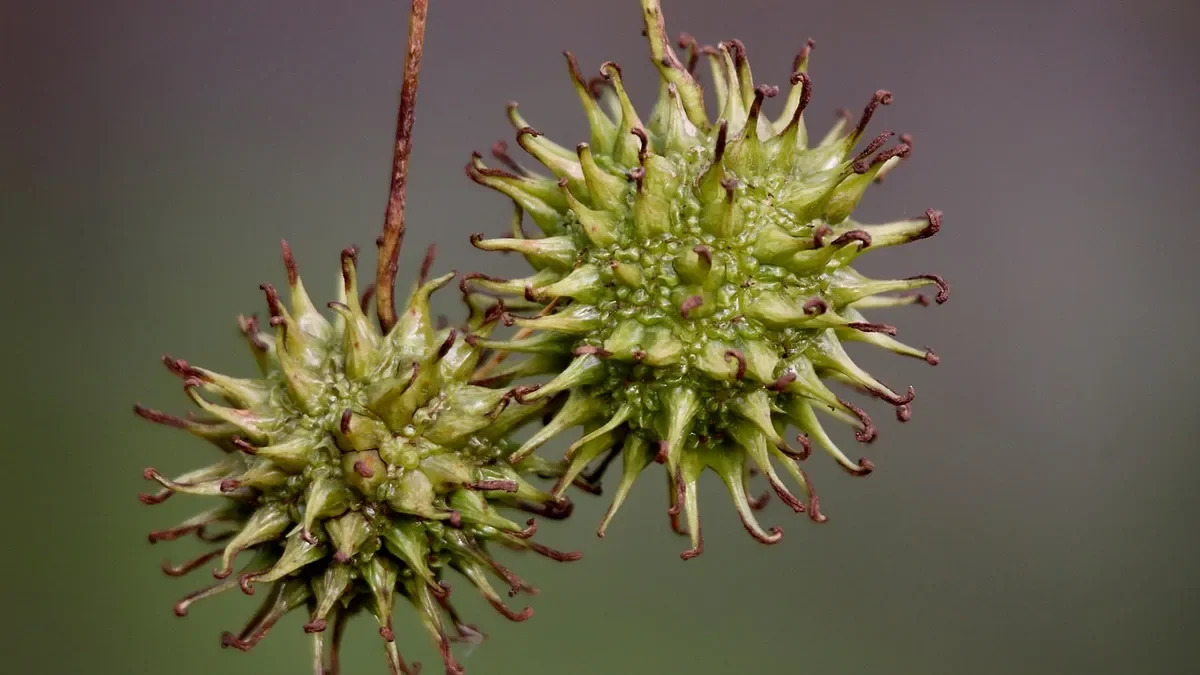
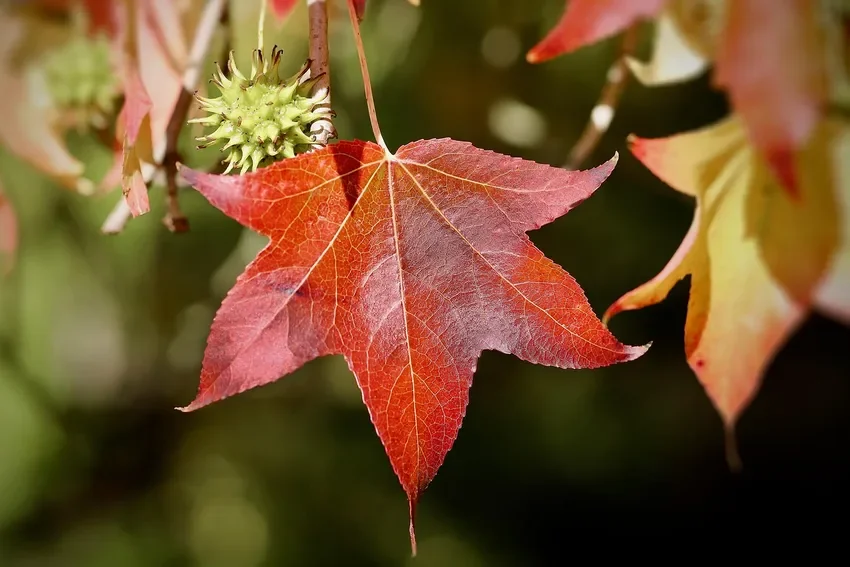
- Confirm the species. Sweetgum leaves are star-shaped and the spiky seed balls are hard to miss, but bark alone can mislead. If you are not certain, use our wood identification guide or leave it out of the smoker.
- Season the wood. Freshly cut wood is wet and smoky. Dry, seasoned wood burns cleaner, and clean combustion matters more than the exact fuel.
What Sweetgum Wood Is Actually Good For
Sweetgum has a long history as a working timber rather than a cooking wood. According to the Wood Database, the sapwood is sold as sweetgum or sapgum, the reddish-brown heartwood as redgum, and figured heartwood is marketed as satin walnut. It has a Janka hardness of 850 lbf, softer than red oak at about 1,290 lbf, with a very fine, even texture.
Its interlocked grain is the key to both its looks and its headaches. That grain causes tearout when planing, and the wood is known to warp and distort badly as it first dries, though it turns, glues, stains, and finishes well once it is dry. It ends up in:
- Veneer and plywood
- Furniture and cabinets, including veneer furniture that can be painted
- Interior trim, boxes, and crates
- Turned objects
- Speaker and acoustic cabinets
Sweetgum as Firewood
For heating, sweetgum is usable but not loved. Interlocked grain generally makes wood harder to split by hand, so plan on a maul or a hydraulic splitter, and see our notes on cutting logs before you start. Do not assume it is a high-heat wood: the older claim on this page that it burns at very high temperature was not backed by a source, and we removed it.
Sweetgum vs Smoking Woods With a Track Record
If your goal is good barbecue, start with a wood that people have used for smoking food for a long time. Here is how to think about the alternatives, using our own species guides:
| Wood | Smoking track record | Read next |
|---|---|---|
| Sweetgum | Thin. Mixed anecdotes, no standard guidance | This page |
| Oak | Long established, mild to medium smoke | Cooking with oak |
| Cherry | Established fruitwood, mild and slightly sweet | Cooking with wild cherry |
| Maple | Established, mild | Smoking with maple |
| Cedar | Generally used for planks, not as smoking fuel | Smoking with cedar safely |
For the basics of choosing chunks, chips, or logs and how much to use, see how to use wood for smoking.
Sweetgum in a Wood-Fired Pizza Oven or Grill
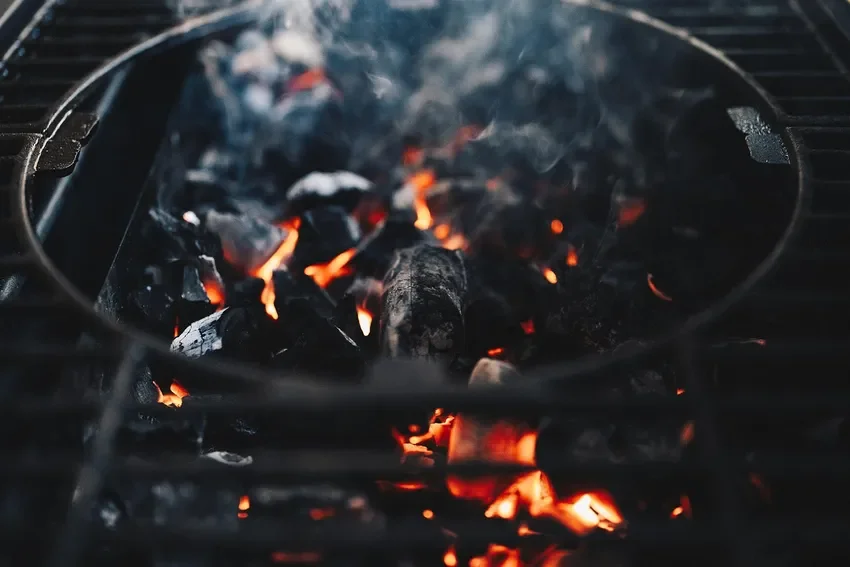
An earlier version of this page suggested sweetgum for wood-fired pizza, calling its green, high-moisture state a benefit. That is backwards: wet, green wood smokes heavily and burns cool, and pizza ovens are normally fed with dry, seasoned hardwood. We found no reputable source recommending sweetgum for pizza ovens, so we would not use it there either. For grilling, the same logic applies as for smoking: use a proven wood, dry and untreated.
Creative Uses for Sweetgum Balls
The spiky seed capsules, often called gumballs, are the part of the tree most people actually want to get rid of. They are not something to eat. Commonly suggested uses include:
- Spiky mulch around young plants. Gardeners use them as a rough barrier, though how well it deters animals is anecdotal.
- Crafts and holiday decorations. Painted or glittered gumballs are a common seasonal craft.
- Kindling. Dry gumballs are sometimes used to start outdoor fires, not as food-smoking fuel.
Frequently Asked Questions About Cooking With Sweet Gum Wood
Is sweet gum wood toxic to burn for cooking?
Sweet gum is not listed as a toxic wood, and we found no documented poisoning from smoke made from it. It is still not recommended for food because it has no track record and is hard to burn cleanly. Never burn sweetgum plywood, veneer, or finished furniture for food, because glues and finishes are the real hazard.
Can you smoke meat with sweet gum wood?
You can, but we do not recommend it. Reports from hobby smokers are mixed, ranging from mild flavor to harshness, and we have not tested it. Oak, hickory, cherry, and apple have long, well-documented use for smoking meat.
Is sweet gum the same as sugar gum?
No. Sweet gum is Liquidambar styraciflua, an eastern North American hardwood with star-shaped leaves and spiky seed balls. Sugar gum is a eucalyptus, a different tree, so nothing said about one applies to the other. An earlier version of this page confused the two.
Can you use sweet gum in a wood-fired pizza oven?
We do not recommend it. Pizza ovens work best with dry, seasoned hardwood, and green or wet wood burns cool and smoky. We found no reputable source recommending sweet gum for pizza ovens.
What can you do with sweet gum balls?
Sweet gum balls are used as spiky garden mulch and for crafts and holiday decorations. They are not meant to be eaten.
Is sweet gum wood good for anything?
Yes. It is a working timber used for veneer, plywood, furniture, cabinets, interior trim, boxes, and turned objects. It has a Janka hardness of 850 lbf and interlocked grain that can cause tearout and warping while drying.
Conclusion
Sweet gum wood is not a proven poison, but it is not a good cooking wood either: it is hard to burn clean, has no track record for smoking food, and is easy to confuse with sweetgum plywood that is never safe to burn. Use known, untreated, seasoned hardwoods such as oak, cherry, or hickory, and save the sweetgum for furniture and trim where it does well.
Sponsored / affiliate links. As an Amazon Associate I earn from qualifying purchases. I may earn additional commission from eligible campaigns.