Can You Cut Tile With a Circular Saw? (Blade Sizes + RPM Chart)
A circular saw cuts ceramic and porcelain tile cleanly — but only with a diamond blade rated for tile, not a standard wood or metal-cutting blade. Using the wrong blade cracks the tile within the first few inches and can burn out the blade in one cut. This guide covers which diamond blade to buy, the RPM and grit specs that actually matter, wet vs. dry cutting, and the exact steps for a straight cut without chipping the glaze.
Insert your Affiliate Disclosure reusable block here

What Blade Do You Need to Cut Tile With a Circular Saw?
Best Tile Blade Pick

DEWALT Diamond Blade for Porcelain Tile, Wet/Dry, 4-1/2-Inch (DW4765)
A continuous-rim blade sized for compact and trim circular saws, rated for both wet and dry porcelain cuts.
- Best for: Porcelain and ceramic tile on compact/trim saws
- Why we picked it: Continuous rim leaves a cleaner edge than a segmented blade on glazed tile
- Main drawback: Smaller 4-1/2″ diameter limits cut depth on thick pavers
Compare more tile blade options
 Option 1 DEWALT Diamond Blade for Block and Brick, Wet/Dry, 7-Inch
|
 Option 2 POWERTEC Diamond Saw Blade, 7-Inch, Turbo Mesh Rim
|
 Option 3 EZARC 4-1/2″ Super Thin Diamond Tile Blade, 2-Pack
|
As an Amazon Associate we earn from qualifying purchases.
A diamond blade is a circular-saw blade with a metal core and a diamond-embedded rim instead of steel teeth — it grinds through tile rather than tearing it. A standard wood or carbide-tooth metal blade will chip, crack, or shatter ceramic and porcelain on contact. Diamond blades come in continuous-rim (for glazed tile, cleaner edge) and segmented or turbo-rim (for stone and thicker material, faster but rougher edge). For most ceramic and porcelain tile cuts, a continuous-rim diamond blade is the right call.
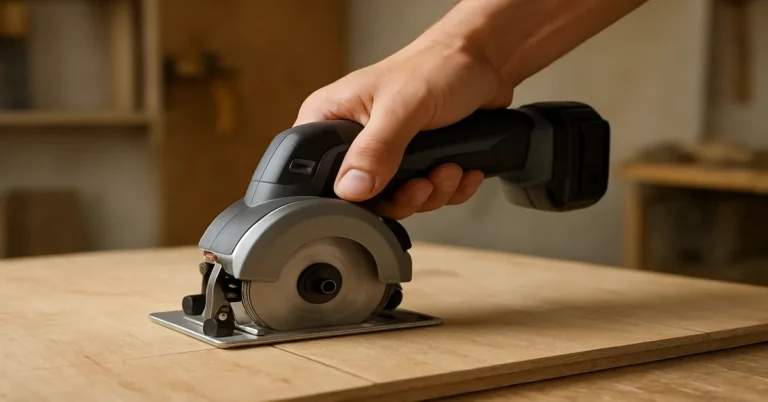
Match the blade diameter to your saw — most full-size circular saws take a 7-1/4″ blade, while compact and trim saws use 4-1/2″ or 6-1/2″ blades. Always check the arbor size (the center hole) matches your saw before buying.
Diamond Blade Sizes, Grit, and RPM Compared
Blade size determines both price and the maximum safe RPM — a smaller blade spins faster but covers less material per pass. Based on published specs from major diamond blade manufacturers (King Diamond, Rockwell, and comparable listings, 2026), here’s how the common sizes stack up:
| Blade Size | Typical Grit | Max RPM | Typical Price | Best For |
|---|---|---|---|---|
| 4″ – 4-1/2″ | 60 grit | ~15,000 RPM | $10–$27 | Compact/trim saws, small tile |
| 7″ – 7-1/4″ | Continuous rim | ~8,730 RPM | $12–$46 | Standard circular saws, most jobs |
| 10″ | Continuous rim | ~6,110 RPM | $40–$50+ | Tile/masonry saws, large-format tile |
📊 Blades are rated to a standard 9,500 SFPM (surface feet per minute) — never exceed the RPM printed on the blade for your saw’s arbor size, since an overdriven blade can shatter. Source: published diamond blade manufacturer specs, 2026.
Never exceed the RPM stamped on the blade — check your saw’s no-load RPM against the blade’s max rating before installing it.
Wet Cutting vs. Dry Cutting Tile With a Circular Saw
Both methods work with the same diamond blade — the difference is heat control and dust. Wet cutting runs a thin stream of water onto the blade and tile to cool the cut and trap dust; dry cutting skips the water but needs more frequent breaks so the blade and tile don’t overheat.
| Method | Dust | Best For | Watch Out For |
|---|---|---|---|
| Wet cutting | Minimal — water traps dust in the runoff | Porcelain, long or repeated cuts | Keep water away from the saw’s motor housing |
| Dry cutting | Heavy — wear a respirator, not just a dust mask | Quick single cuts, indoor jobs without drainage | Let the blade cool every few cuts to avoid overheating and glazing over |
If you’re cutting more than a handful of tiles, wet cutting is worth the extra setup — it keeps the blade sharper longer and cuts down on airborne silica dust, which is a real respiratory hazard with porcelain and stone tile.
How to Cut Tile With a Circular Saw (Step by Step)
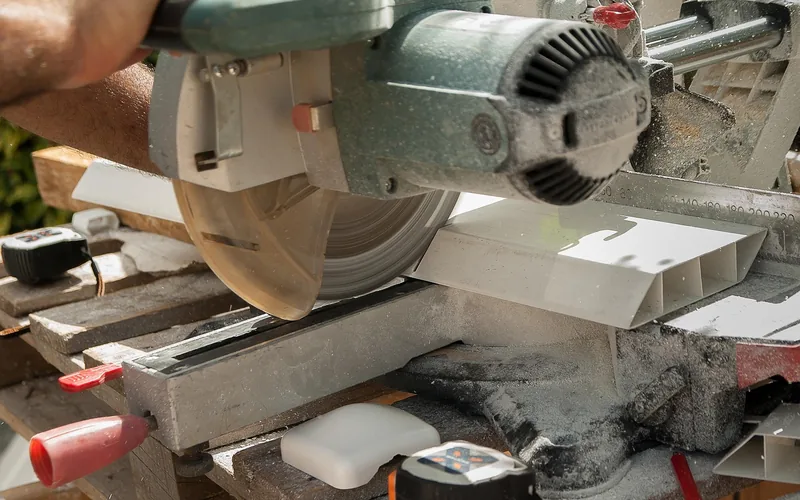
- Install the diamond blade: Unplug the saw, swap in a diamond blade rated for tile, and confirm the arrow on the blade matches the saw’s rotation direction.
- Mark your cut line: Use a grease pencil or wax pencil (regular pencil can smudge on glazed tile) and a straightedge to mark the cut on the finished face.
- Set the blade depth: Set the depth about 1/8″ deeper than the tile’s thickness so the blade fully clears the back without dragging.
- Secure the tile: Clamp the tile to a stable, flat surface with the finished side up and the cut line overhanging the edge slightly.
- Start the cut slowly: Let the blade reach full speed before touching the tile, then guide the saw along the line at a slow, steady pace — let the diamond rim do the cutting instead of pushing.
- Support the offcut: As you near the end of the cut, support both pieces so the tile doesn’t snap or chip at the last inch.
- Smooth the edge: Run a rubbing stone or fine sandpaper along the cut edge to knock off any sharp burrs before installing.
Cutting straight, full-length lines is easiest with a circular saw cutting guide clamped to the tile — the same jig that keeps a plywood rip cut straight works just as well for tile.
Can You Cut Porcelain Tile With a Circular Saw?
Yes — but porcelain is denser and harder than standard ceramic, so it demands a diamond blade rather than a carbide-tipped one and rewards a slower feed rate. Pushing a porcelain tile too fast is the single most common cause of a cracked cut.
Can You Cut Ceramic Tile With a Regular Circular Saw Blade?
No. A standard wood or metal-cutting blade doesn’t have the abrasive edge tile needs — it will chip the glaze immediately and dull within a single cut. Ceramic tile still requires a diamond blade, just like porcelain, though ceramic is softer and more forgiving of a slightly faster feed rate.
Do You Need a Wet Saw to Cut Tile, or Will a Circular Saw Work?
A dedicated wet tile saw isn’t required for most home projects. A circular saw fitted with the correct diamond blade — run wet or dry — handles straight cuts on ceramic and porcelain tile just as well for one-off jobs and small remodels. A wet saw earns its keep on large-format tile, stone, or a full-room installation where speed and edge consistency matter more.
Other Ways to Cut Tile Without a Diamond Blade
If you don’t have a diamond blade on hand yet, these alternatives can get a single cut done:
| Tool | How It Works | Best For |
|---|---|---|
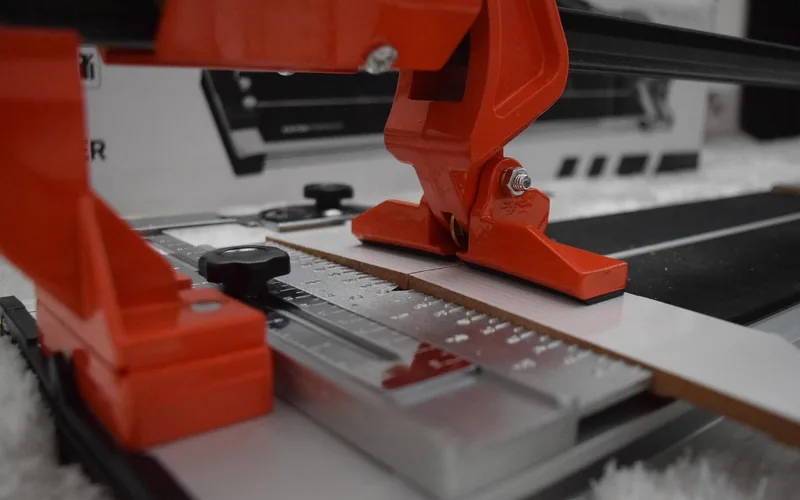
| Manual tile cutter (score-and-snap) | Scores the glaze with a carbide wheel, then snaps the tile along the line | Straight cuts on thinner ceramic tile, no power needed |
| Glass cutter or carbide-tipped pencil | Scores a shallow line by hand, then the tile is snapped over an edge | A single quick cut with no power tools available |
| Angle grinder with diamond disc | Same diamond-abrasive principle as a circular saw blade, in a smaller tool | Curved or notched cuts a straight blade can’t make |
None of these replace a circular saw with a diamond blade for volume — they’re fallback options for a single cut, not a full tile job.
Common Mistakes When Cutting Tile With a Circular Saw
Most cracked or chipped tile cuts come down to one of these habits, not a bad blade:
- Pushing instead of feeding slowly. Forcing the blade through the tile is the fastest way to crack it — let the diamond rim’s RPM do the cutting, not your arm.
- Skipping blade depth setup. A blade set too shallow drags and binds instead of cutting through cleanly on the first pass.
- Cutting unsupported near the end. The last inch of a cut is where tile snaps unpredictably if the offcut isn’t braced.
- Ignoring dust protection on dry cuts. Porcelain and stone dust contain crystalline silica — a standard paper dust mask doesn’t filter it; use a proper respirator or switch to wet cutting.
Woodworkers who cross over into tile work regularly notice the same pattern: the cuts that go wrong are almost always rushed, not under-equipped. A sharp diamond blade run at a slow, steady feed rate will out-cut an expensive blade pushed too fast.
FAQ
Can you use a regular circular saw blade to cut tile?
No. A standard wood or carbide-tooth metal blade will chip or shatter tile almost immediately. You need a diamond blade rated for ceramic, porcelain, or masonry.
Can you cut porcelain tile with a circular saw?
Yes, with a diamond blade and a slow, steady feed rate. Porcelain is denser than ceramic, so pushing too fast is the most common cause of a cracked cut.
Do you need a wet saw to cut tile?
Not for most home projects. A circular saw with the right diamond blade, run wet or dry, handles straight cuts on ceramic and porcelain tile for one-off jobs and small remodels. A wet saw is worth it for large-format tile, stone, or a full-room install.
What blade do you use to cut tile with a circular saw?
A diamond blade sized to match your saw — typically 4-1/2″ for compact saws or 7-1/4″ for full-size saws. Continuous-rim blades leave the cleanest edge on glazed ceramic and porcelain.
How do you keep tile from chipping when you cut it?
Use a sharp diamond blade, feed the saw slowly instead of pushing, support both sides of the cut as you finish, and consider wet cutting to reduce heat buildup along the cut line.
A diamond blade turns a standard circular saw into a capable tile-cutting tool for most home projects — ceramic and porcelain alike — as long as you match the blade size to your saw, control your feed rate, and support the tile through the final inch of the cut. Save the dedicated wet saw for large-format or whole-room jobs where speed and edge consistency matter most. For more on getting clean, accurate cuts from your saw, see our saws buying guide, blade direction guide, and guide to cutting Formica countertops with the same saw.
Sponsored / affiliate links. As an Amazon Associate I earn from qualifying purchases. I may earn additional commission from eligible campaigns.