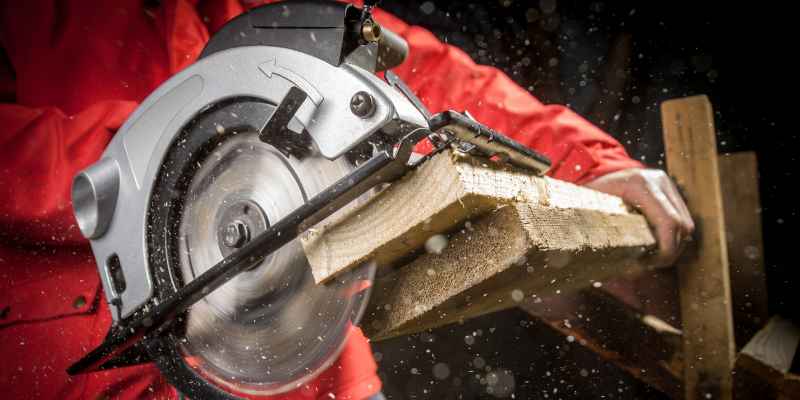
How Long Should a Circular Saw Blade Last? (20-120 Hours)
A quality circular saw blade lasts roughly 20 to 120 hours of cutting time, or about 800 to 1,000 cuts in clean softwood, before it needs sharpening or replacing. Steel-tipped blades dull about ten times faster than carbide. Cement board and metal can wear a blade out in as few as 20-30 cuts.
Quick Answer
A carbide-tipped blade cutting clean softwood lasts 20-120 hours (800-1,000+ cuts). Hardwood cuts that lifespan by 30-50%. MDF, plywood, and cement board wear a blade down far faster because of the glue and mineral content. The two things that matter most are the carbide grade (standard TCT vs. premium micro-grain) and the material you’re cutting — not the calendar.
The number that actually matters isn’t “months” or “years” — it’s cuts and hours logged, because a blade ripping pressure-treated lumber all day wears out faster than one that only trims clean pine on weekends. Below, you’ll find the exact signs a blade is dulling, a full lifespan comparison by blade type and material, the real math on sharpening vs. replacing, and which replacement blade to buy depending on what you cut. For blade basics, see our complete guide to circular saw blades first if you’re not sure which type you have.
5 Signs That Tell You To Change Old Circular Saw Blade Immediately
A blade often shows wear and tear, which tells you to change it as soon as possible. Don’t miss out on these signs. Because a worn-out saw tooth is risky to use and won’t give you a fine cut.
1. Low Cutting Speed:
When the blade ages, it will cut slower than its usual speed. Noticing this sign is easy if you can compare the rate of your previous cuts with the current pace. You would also see the teeth get heated faster than before. This would automatically slow down the cutting speed.
When the speed gets reduced, you need to change the saw knife.
2. Noisy Cut:
A worn-out saw tooth gets rusted and dysfunctional. This is why it may make sharp and loud noises while cutting. When the blade is short, the sound is generally consistent. But with an old edge, it would make a squeaky and fluctuating noise. It indicates that the knife is wearing out.
Change the blade immediately if the noise seems unusual to you.
3. Inconsistent Cutting:
A common issue is inconsistent cutting when the sawtooth is old. The cutting is no more when with an old sawtooth as you run the saw. You may also get a burnt smell due to the rust in the blade. As a result of wearing, the cut gets interrupted.
When the cutting is no more smooth, this is high time to replace the saw tooth.
4. Cracked Blade:
Another noticeable sign is a cracked blade across the teeth—regular usage, heat, and pressure cause these cracks. If you notice such borderline cracks, it is risky to use the knife. It may break at any time and damage the material you are cutting.
Don’t use a cracked blade! Change it as soon as possible.
5. More Chipping:
When you cut with a sharp sawtooth, the tears of the material are minimal. But with a dull knife, chipping increases dramatically. The fragments of the materials keep spreading around when using a flat blade. As a result, the cut on the material would be rough and inconsistent.
Whenever you see unusual chipping, consider changing the knife.
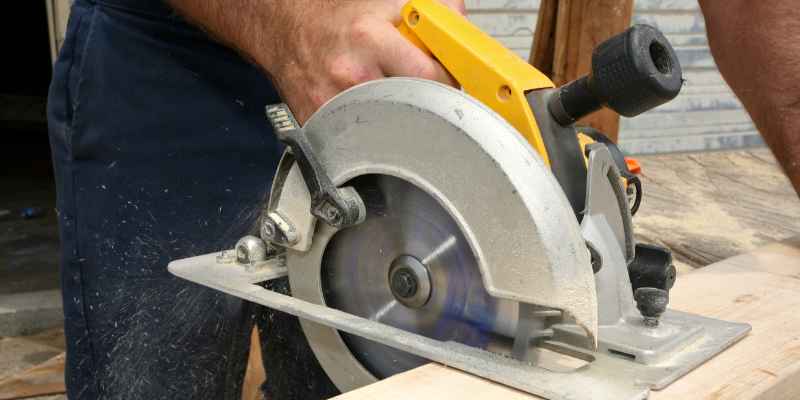
Circular Saw Blade Lifespan By Type: Comparison Table
Blade lifespan isn’t a fixed number — it swings hugely depending on the tip material and what you’re cutting. Here’s how the main blade types actually compare:
| Blade Type | Typical Cuts Before Dulling | Typical Hours of Use | Sharpening Cost | Replacement Cost |
|---|---|---|---|---|
| Steel-tipped | ~100-150 cuts (softwood) | Shortest — about 1/10th of carbide | Cheap to file, rarely worth it | $10-$30 |
| Standard carbide-tipped (TCT) | 800-1,000+ cuts (clean softwood) | 20-120 hours | ~25-50¢/tooth ($12-$40) | $20-$100 |
| Premium micro-grain carbide (C3/C4) | 3-5x a standard carbide blade | Up to 100+ hours | Can be resharpened 5-10 times | $40-$150 |
| PCD / diamond-tipped | 30-50x standard carbide in abrasive materials | Rarely needs sharpening | Rarely sharpened | $15-$75 (masonry blades) |
Cutting material changes these numbers just as much as the blade itself. Clean softwood is the easiest job a blade will ever have. Hardwood cuts that lifespan by roughly 30-50%. MDF and plywood are full of glue and resin that wear carbide down steadily, and cement fiber board is the worst case — a standard carbide blade can go dull in just 20-30 cuts, which is why diamond (PCD) blades exist for that material. (Source: Key Blades & Fixings blade durability data)
Data Point: Professional-grade blades made with C3 or C4 micro-grain carbide hold a sharp edge 3-5 times longer than standard tungsten-carbide blades, and PCD (diamond) blades can outlast standard carbide by 30-50 times in high-abrasion materials like cement board. (Key Blades & Fixings)
Is It Cheaper To Sharpen Or Replace The Blade?
Professional sharpening typically runs 25 to 50 cents per tooth, so a 24-tooth blade costs roughly $12-$24 to sharpen and a 40-tooth blade $20-$40 (Family Handyman). As a rule of thumb: if the blade cost $50 or more new and is carbide-tipped, sharpening is almost always the cheaper move — a quality blade can typically be resharpened 5 to 10 times before the carbide is gone. If it’s a sub-$30 disposable steel or bargain carbide blade, skip the sharpening service and just replace it; the cost and turnaround time isn’t worth it.
“Track blade life by cuts, not calendar days. A 24-tooth framing blade that’s ripped through a stack of pressure-treated lumber is done long before a fine-finish blade that’s only cut clean plywood on weekends. If you’re guessing your blade’s age instead of paying attention to what it’s actually cut and how it’s cutting right now, you’re guessing wrong.”
— Md Meraj, founder of Woodworking Advisor, 12+ years hands-on woodworking experience
5 Effective Ways To Increase Lifespan Of A circular saw cutter
You can take a few steps to increase the longevity of a circular saw knife. To maximize the life of a saw and use it smoothly, I have a few practical ways to suggest, described below:
1. Prefer Dry Cut:
Try to use blades that support dry cuts. Dry-cutting knives work without any lubricant. This is why they don’t get dirty or dull quickly. They perform a neat and delicate reap which keeps the saw teeth sharp for a long time. Thus both the cutting performance and blade longevity improve with a dry cut.
2. Use The Right Blade:
A variety of blades are available in the market. Know which knife is designed for which activity. Each blade has distinctive properties and qualities. For example, the knife would wear out fast if you use a wood-cutting blade to cut tiles. So get the right edge to use for the longest time.
3. Apply Properly:
Please don’t use a cutter without knowing how to use it. For example, it is crucial to align the cutting line to the blade guide. Also, you should tightly secure the material before cutting. If you don’t do these, it will damage the material and the blade. Learn how to work with a circular saw first. It will make the blade last longer.
4. Clean The Blade After Use:
Keeping the cutter clean is essential. A clean blade lasts long and performs well. Consider deep cleaning the saw knife once in two months. For regular cleaning, wipe the buildups after every use. In case it gets filthy, soak the blade in soapy water. Scrub thoroughly and wipe the dirt off.
5. Use Silicone Spray:
Using silicone spray on the blade prevents it from wearing. It puts on a protective layer on edge. This layer prevents it from getting dirty even after several cuts. It also keeps the teeth sharp and facilitates a smooth and perfect amount. Silicone spray increases its longevity by improving its sliding properties.
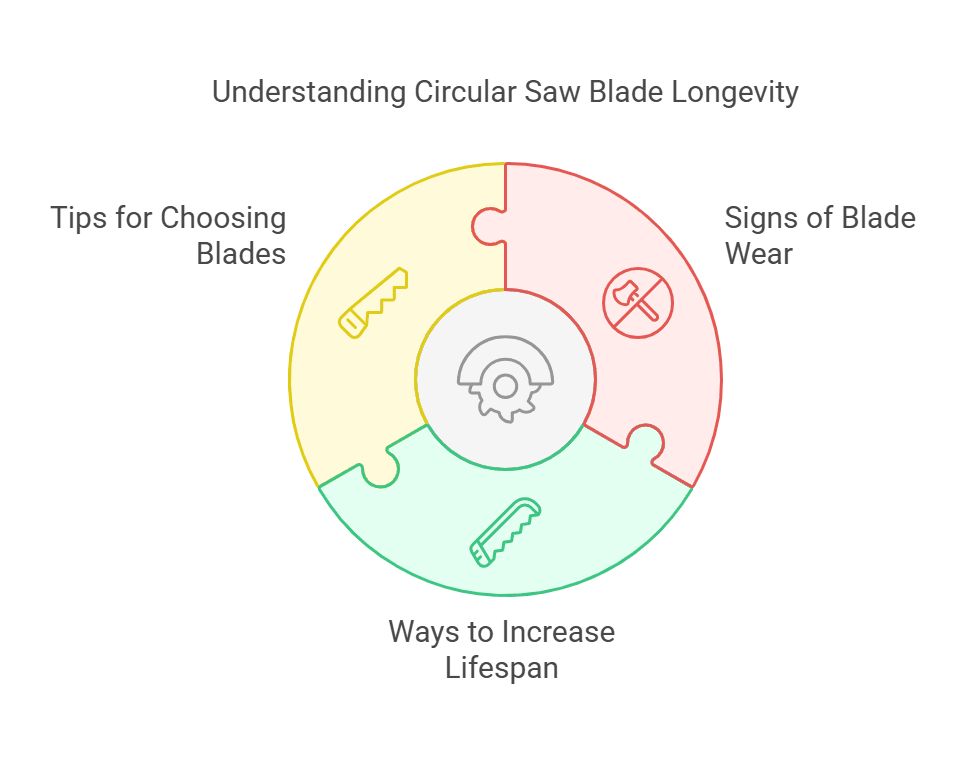
5 Tips To Choose Circular Saw Blade That Will Last Longer
The right circular saw cutter gives a fine cut and lasts longer. To make the edge last for the longest time, here are the factors that decide how long a new blade will actually hold up.
1. Blade Material:
Cutters are generally made of either carbide or stainless steel. Carbide blades are the best, as they have Teflon layers with oversized tips. They don’t get heated efficiently and last for a long time. They cut well and wear out very slowly. Try to avoid choosing stainless steel cutters as they damage quickly.
2. Cutting Material:
Choose the blade as per the material you would cut. The right cutter for the suitable material would last for the longest time. The thickness and hardness of the knife vary substantially according to the material to be trimmed. So choose the blade as per the cutting material.
3. Number Of Teeth:
Choose the cutter that has the most tooth count. The more the tooth across the cutter edge, the more perfect and fine cut you get. When the cutting process goes smoothly, the strain on the blade is less. This means the cutter with more teeth would last longer.
4. Blade Diameter:
The cutter-edge diameter should match the size of the circular saw. The cut will be rough and challenging if you fix a small blade. This would wear the cutter fast. But the right edge runs swiftly, lasting longer. So get the right cutter size for the circular saw. Note that different circular saws may need different blade sizes.
5. Teeth Size:
You may choose either a full-kerf or a thin-kerf cutter. Full kerf blades have ⅛ inch teeth width, and thin-kerf blades have 3/32 inch wide teeth. Choosing the tooth size depends on the circular saw’s power.
Full-kerf cutters are for high-power saws, and thin-kerf are for low-power saws. So choose accordingly. These tips help you get the right cutter edge that performs well and lasts longer.
Frequently Asked Questions
How Long Does A Circular Saw Blade Last?
A carbide-tipped circular saw blade typically lasts 20 to 120 hours of cutting time, or roughly 800 to 1,000 cuts in clean softwood, before it needs sharpening or replacing. Steel-tipped blades last about a tenth as long. The real number depends on the material you’re cutting and how well you care for the cutter — usage matters more than the calendar.
If you use the blade gently and cautiously, it will increase its lifespan. So make sure you maintain this blade according to manufacturer guidelines.
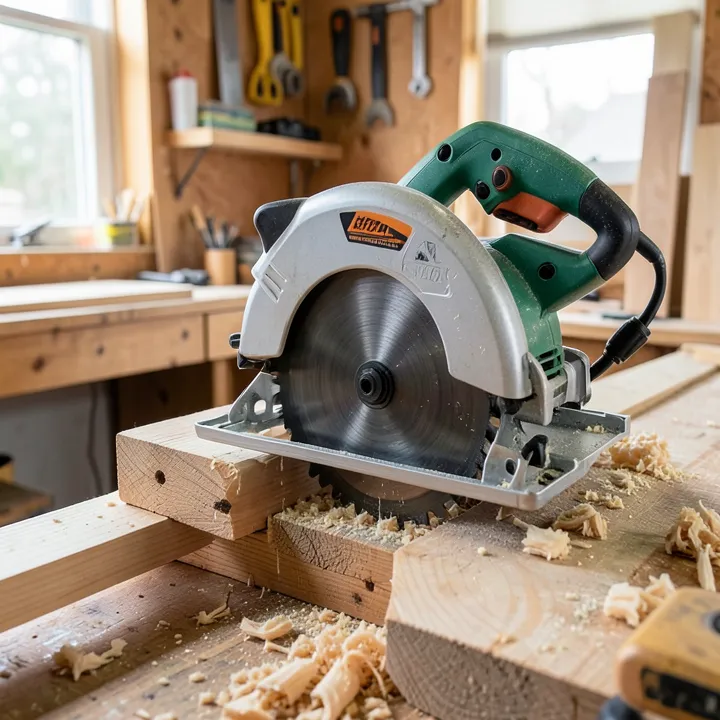
How Do You Know When Your Circular Saw Cutter Is Dull?
When the circular saw cutter gets dull, it won’t give you an accurate cut. The cuts would be irregular, and the finishing would be rough. Other flat cutter signs are squeaky noise, a burning smell, and excess chipping residues. When you see such signs, consider replacing the saw cutter.
Can You Polish A Circular Saw Cutter Many Times?
A quality carbide blade can typically be resharpened 5 to 10 times before the carbide is gone. Lower-quality or bargain blades hold up to far fewer sharpenings. If you have exceeded the sharpening limit, replace the blade. Otherwise, you won’t get a good cut with the sharpened knife.
How Many Teeth Should A Good Saw Blade Have?
Around 2 to 4 teeth cutting the material at a time is a good count. According to that, you can calculate the teeth number required. But generally, a 24 to 40 teeth count is ideal, depending on the material you are cutting. For instance, a 24-teeth saw is suitable for wood cutting.
Is It Worth Sharpening Circular Saw Teeth?
It is worth considering sharpening circular saw cutters if the damage is minor. If only the teeth get dull, you can sharpen them. You can clean rust or dirt from blades too. But if a crack or the cutter runs roughly, it is better to replace it than repair or sharpen it.
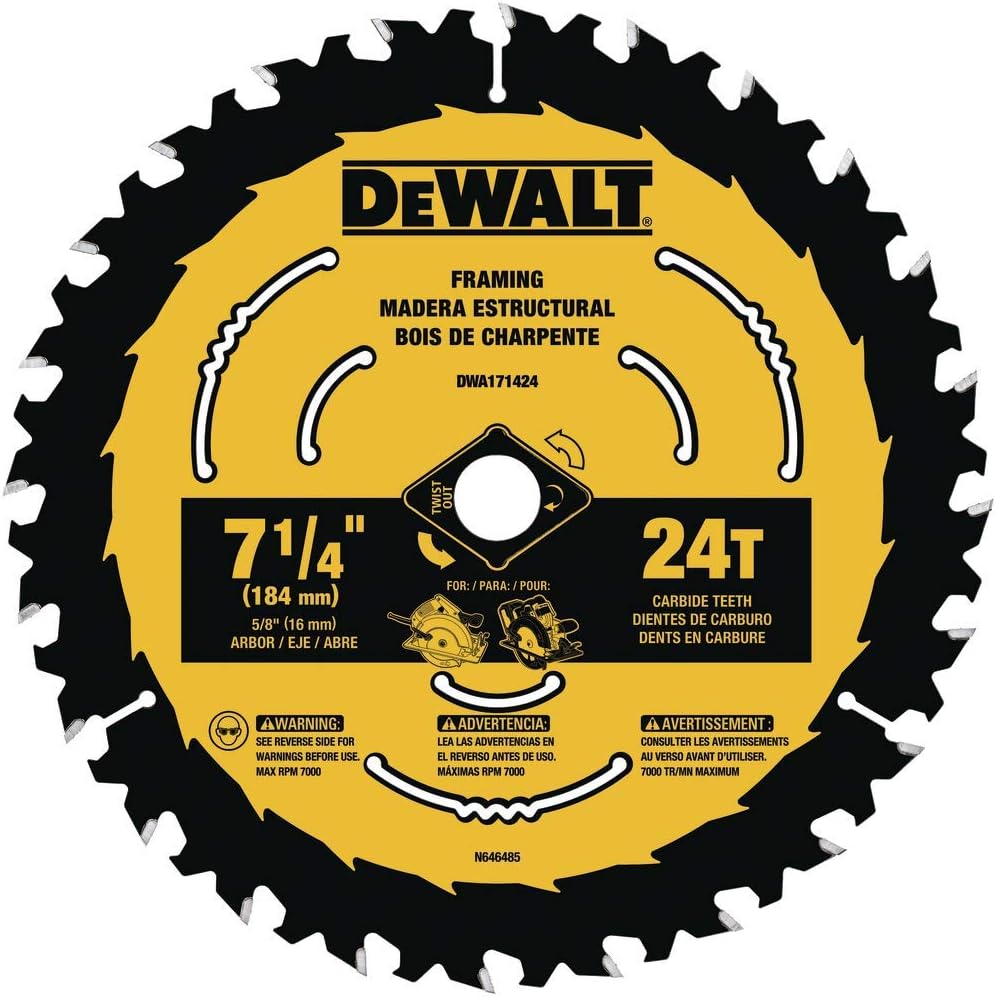
Editor’s Pick — Best Overall Replacement Blade
DEWALT DWA171424 7-1/4" 24-Tooth Carbide Blade
A general-purpose combo blade built for framing and cross-cutting. Tungsten-carbide teeth and a thin-kerf, anti-vibration body plate mean it holds an edge through hundreds of cuts in dimensional lumber and plywood before it needs sharpening.
Check Price on Amazon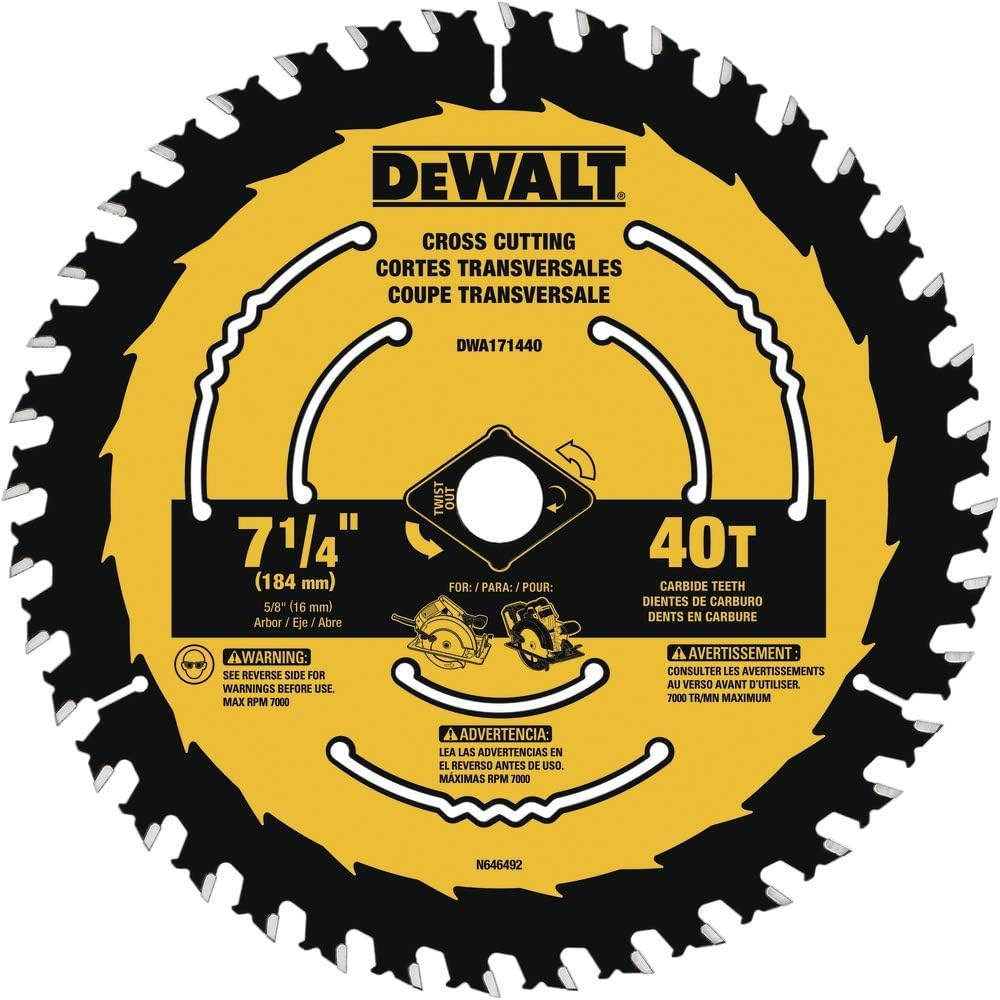
DEWALT DWA171440 40-Tooth
7-1/4″ · 40 teeth · fine finish
Best for splinter-free finish cuts in plywood and trim.
Check Price on Amazon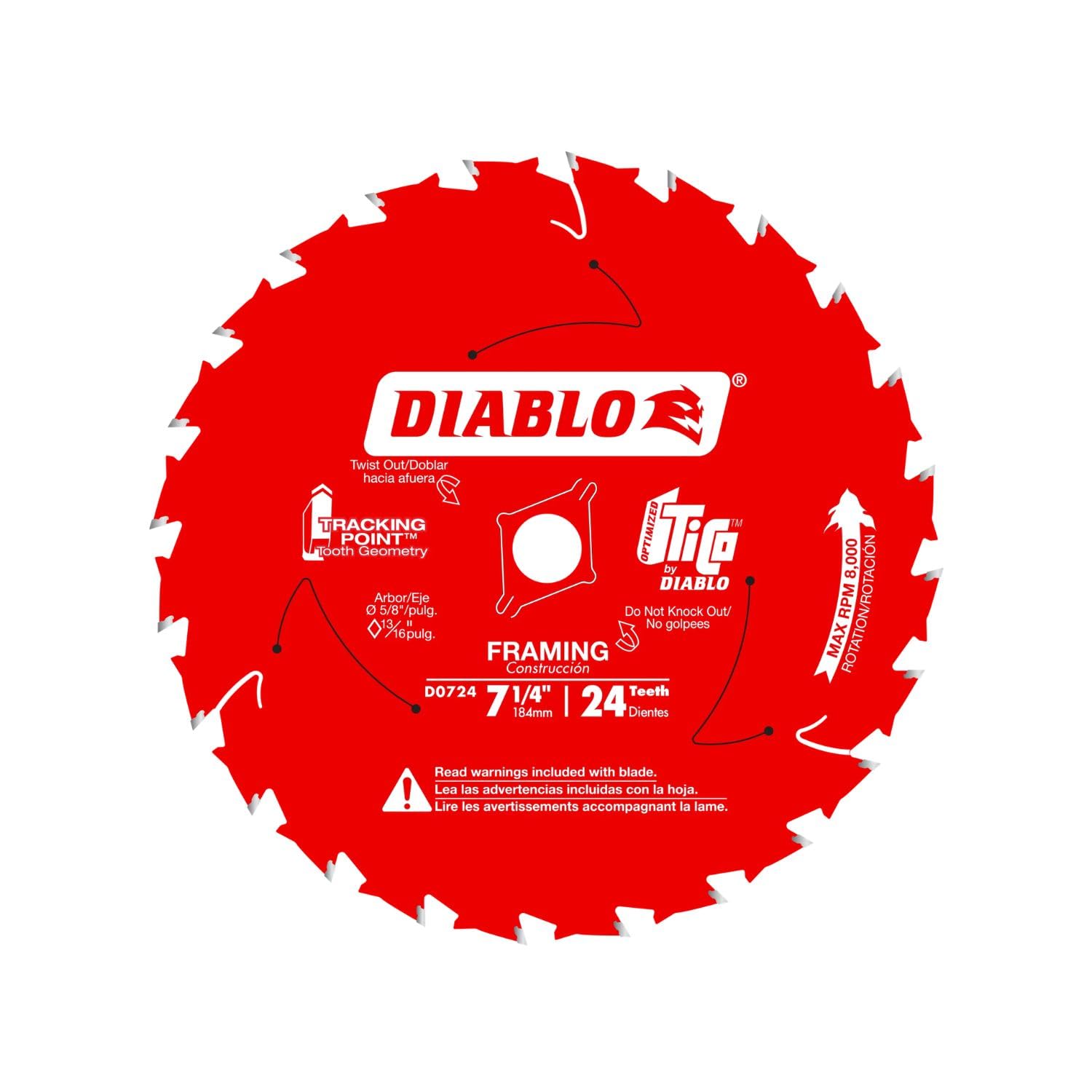
Freud Diablo D0724A 24-Tooth
7-1/4″ · 24 teeth · thin kerf
Best for framing and pressure-treated lumber.
Check Price on Amazon
DEWALT DWA171424 24-Tooth
7-1/4″ · 24 teeth · wood cutting
Reliable everyday DEWALT blade for general wood cutting.
Check Price on AmazonAs an Amazon Associate, Woodworking Advisor earns from qualifying purchases.
Final Verdict
A circular saw blade’s lifespan comes down to three things: the carbide grade, the material you’re cutting, and how well you maintain it. Match the right blade to the job, keep it clean, and track cuts instead of calendar time, and a quality blade will comfortably reach the high end of that 20-120 hour range — or well past it.
Sponsored / affiliate links. As an Amazon Associate I earn from qualifying purchases. I may earn additional commission from eligible campaigns.