Can You Paint Prefinished Plywood? Scuff, Prime, Paint
Yes, you can paint prefinished plywood, but only if you break the factory finish first. Scuff the whole face until it is a uniform dull haze, wipe off the dust, and use a bonding primer before any color goes on. Skip the scuffing and the paint tends to look fine for a week, then scrape off in sheets.
The reason is simple. Prefinished panels are sold with a clear coat already baked on, and on many hardwood panels that coat is a UV-cured finish, which woodworkers describe as far harder and slicker than a normal brushed or sprayed varnish. This guide covers how to tell what you have, how to prep it, which primers the manufacturer data sheets say will grip it, and a test that takes ten minutes and saves a ruined panel. If your plywood is raw, start with our general guide to painting plywood instead.
Can You Paint Prefinished Plywood?
Yes. Prefinished plywood is just plywood with a clear factory coating, so paint can hold to it as long as the paint has something to grip. That means roughening the surface mechanically (sanding or a scuff pad) and putting a primer that is built to stick to slick surfaces between the factory coat and your paint.
Best Bonding Primer Pick
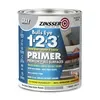 |
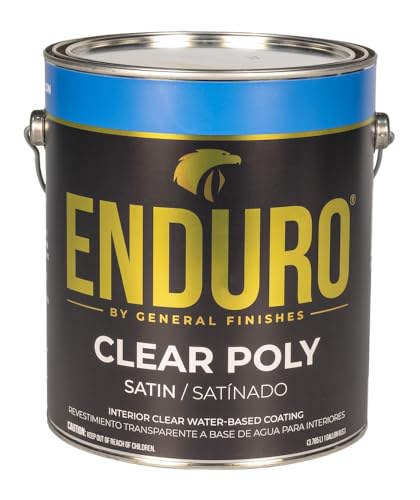
Zinsser Bulls Eye 1-2-3 All Surface Primer (Gray, 1 Quart), about $11.99 A water-base bonding primer whose data sheet says it bonds to glossy surfaces without scuff sanding, which makes it a sensible first coat over a slick factory finish once you have scuffed it anyway.
|
The Bulls Eye 1-2-3 above is a water-base option. If you would rather use a synthetic shellac primer, the primer comparison below lines both up using the numbers from the manufacturer data sheets.
What Is the Factory Finish, and Why Does Paint Slide Off It?
Prefinished plywood is not one product. The clear coat can be a UV-cured coating, a waterborne or catalyzed lacquer, or a penetrating oil or hardwax oil. UV-cured coatings are the ones that cause the most trouble. They are cured under ultraviolet lamps into a dense, glossy film, and finishers who have painted over it report that it behaves like a hard plastic skin: paint gets nothing to bite into, and a poorly bonded coat can be scraped off a test panel with a fingernail.
This corrects a claim that is often repeated online, that prefinished plywood is finished with one specific hardwax oil. Some panels are, but there is no single standard. Check the panel label or the supplier spec sheet, and if there is no information, treat it as the hard case and scuff it.
A quick way to tell what you have
- Put a drop of water on the face. If it beads and sits there for minutes, the film is sealed and slick, so plan on a scuff plus a bonding primer.
- If the water darkens the wood within a minute or two, the finish is thin or oil-based, and it will still need a light scuff and a clean wipe to remove wax.
- Whichever it is, finish with the test panel described below rather than trusting the water drop alone.
Do You Really Need to Sand? What the Label Says vs Shop Practice
Here is the part most guides skip. The data sheets for two popular primers say they stick to glossy surfaces without sanding. That is true for the glossy surfaces those sheets have in mind, such as old enamel, varnish, paneling, laminate, glass, and tile. The same sheets also require the surface to be clean, dry, sound, and free of wax, oil, and anything that would interfere with adhesion.
Woodworkers who have painted UV-coated plywood and posted about it on finishing forums (Woodweb and Sawmill Creek threads) scuff first anyway, and some report success with a primer only after doing so. Their grit recommendations range from about 120 up to 320, with one common warning that 220 can burnish an extremely hard UV coat instead of scratching it. The takeaway is not a magic grit number. Aim for an even, dull haze across the whole face with no shiny patches left, and do not go through the thin face veneer.
Think of it as belt and suspenders: the primer supplies chemical grip, the scuff supplies mechanical grip. Together they are far safer than either alone. If you want a wider comparison of primers for bare wood, see our best wood primer roundup.
Primer Comparison: Numbers From the Data Sheets
| Zinsser B-I-N Advanced | Zinsser Bulls Eye 1-2-3 | |
|---|---|---|
| Type | Synthetic shellac-based primer | Water-base styrenated acrylic |
| Dry to the touch | 25 minutes | About 30 minutes |
| Recoat | 45 minutes | Under 1 hour |
| Full cure | 7 days | Not stated in the sheet excerpt I read |
| Application temperature | 50 to 90 F, relative humidity under 85% | 50 to 90 F, relative humidity under 85% |
| Thinning | Up to 10 oz water per gallon if needed | Do not thin |
| Clean-up | Soap and water | Soap and water |
| Notes | Low odor; adheres to glossy surfaces without sanding per the sheet; seals knots and tannin | Bonds to glossy surfaces without scuff sanding per the sheet; sands easily |
The B-I-N Advanced times come from its data sheet and the Bulls Eye 1-2-3 times from its own; both are quoted at 70 F and 50 percent humidity, so a cool garage will take longer. If your project also needs a stain-blocking layer, our shellac-based primer comparison goes deeper, and how long primer takes to dry covers timing.
How to Paint Prefinished Plywood, Step by Step
- Make a test panel. Use an offcut, or the back of the sheet if it is finished on both sides. Run the whole process on it first. After the paint has dried for several days, try to scrape a fingernail edge across it and stick and pull a piece of painter’s tape. If either lifts paint, scuff harder or change primers before touching the real project.
- Clean it. Wipe with a mild degreaser or a cleaner rated for the primer you chose, then wipe again with clean water and let it dry. Fingerprints, wax, and shop-floor silicone are what cause fisheyes and peeling later.
- Scuff it. Use a fine sanding block or a gray scuff pad, working with the grain, until the entire face is evenly dull. Check at a low angle to spot leftover shiny patches. Edges and the corners of any V-grooves need attention too.
- Remove all the dust. Vacuum, then wipe with a barely damp lint-free cloth. Dust trapped under primer turns into grit in the finished surface.
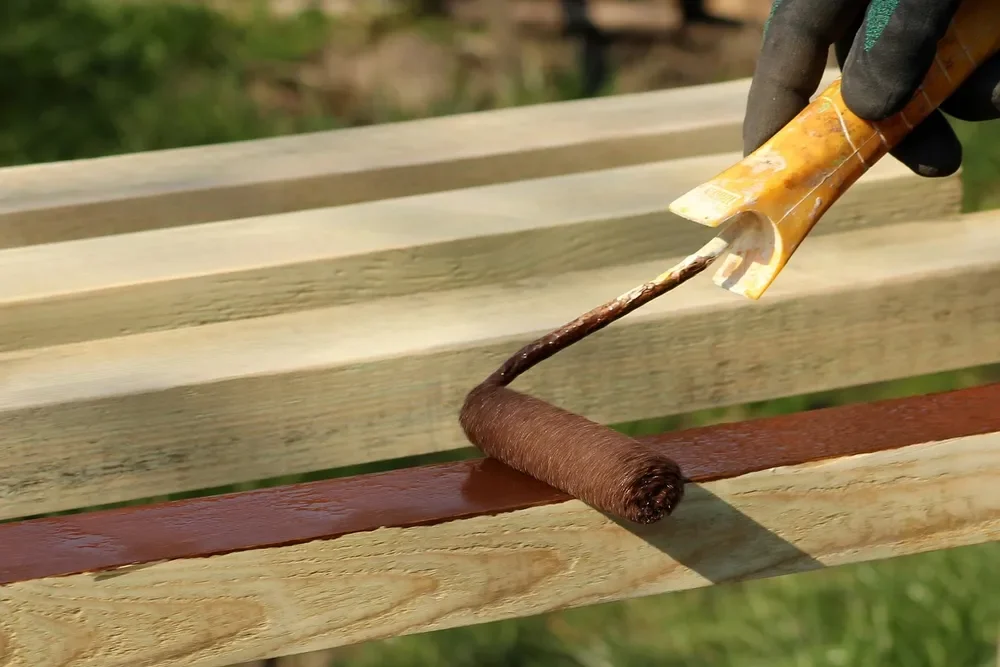
- Prime. Apply one even coat of your bonding primer with a foam roller or a synthetic brush, and let it dry for the time on the can. Both data sheets say one coat is enough for most surfaces, with a second only on very porous ones.
- Sand lightly and paint. Once the primer is dry, a very light sanding smooths it, as covered in our guide to sanding between primer coats. Then roll two thin coats of paint, letting each dry fully.
- Let it cure before use. Paint that feels dry can still be soft. Wait several days before stacking, screwing hardware on, or putting items on shelves.
Sealing the Edges and Grooves
The face of a prefinished panel is sealed, but the plies on the cut edges are not always finished. Bare edges soak up primer and paint far faster than the face, so they can look patchy after the first coat. Give edges an extra light coat of primer and sand them smooth before the topcoat. If the panel has V-grooves, work the primer into the groove with a small brush, because rollers skip them.
Choosing the Topcoat Paint
The primer does the hard work of adhesion, so the topcoat is mostly about durability and sheen. For shelves, cabinet boxes, and furniture, a satin or semi-gloss acrylic or urethane-modified enamel is easier to wipe clean than flat wall paint. Water-based paints clean up with soap and water and are lower in odor, while oil-based enamels flow out smoothly but smell stronger and are slower to dry. B-I-N Advanced’s data sheet says it can go under either latex or oil-based architectural paint. For a cabinet-specific walkthrough, see how to paint kitchen cabinets.
If you plan to add a clear protective coat over the color, check compatibility first. Our article on painting over water-based polyurethane explains how a clear coat and paint layers interact.
Common Mistakes to Avoid
- Trusting the primer label instead of testing. A no-sanding claim describes the primer, not your particular panel’s coating.
- Sanding through the veneer. Face veneers on plywood are thin. Use light pressure and a fine grit or pad, and stop as soon as the shine is gone.
- Skipping the cleaner. Wax and silicone are invisible until the paint pulls back from them.
- Painting in a cold or humid space. Both primers list 50 to 90 F and relative humidity under 85 percent as the application range.
- Using it right away. B-I-N Advanced lists a 7 day full cure, and paints keep hardening after they feel dry.
If you are also weighing what grade of plywood to buy for a painted project, our comparison of BC plywood and Sande plywood explains grade and face differences.
Frequently Asked Questions About Painting Prefinished Plywood
Does paint stick to prefinished plywood?
Paint can stick well, but not directly. Clean the surface, scuff it until the shine is gone, and apply a bonding primer first. Without that, paint tends to peel or scrape off a hard factory coat such as a UV-cured clear finish.
Can you paint finished plywood?
Yes. Finished plywood takes paint after the finish is scuffed and primed. Test the whole process on a scrap or the back of the sheet first, and let the test paint dry for several days before checking adhesion.
Can you paint over prefinished wood?
Yes. The same steps apply: clean off wax and grease, scuff the finish evenly, remove dust, prime with a product rated for glossy surfaces, then apply two thin coats of paint.
What is prefinished plywood finished with?
It depends on the maker. Common factory finishes include UV-cured clear coats, lacquers, and oil or hardwax oil systems. Check the panel label or supplier spec sheet, and treat an unknown finish as hard and slick.
Conclusion
Painting prefinished plywood works when you respect the factory coat: test on a scrap, clean thoroughly, scuff to an even haze, and use a primer made for glossy surfaces. The data sheets for popular primers list short dry times, so the whole process can fit in a weekend, and the extra ten minutes on a test panel is the cheapest insurance you can buy.
Sponsored / affiliate links. As an Amazon Associate I earn from qualifying purchases. I may earn additional commission from eligible campaigns.