Can You Put Vinyl Flooring Over Wooden Floorboards: Expert Tips
Are you tired of staring at those old wooden floorboards and wondering if there’s an easier way to give your space a fresh look? If you’ve ever asked yourself, “Can you put vinyl flooring over wooden floorboards?”
You’re not alone. This question might seem simple, but the answer can unlock a world of possibilities for your home. Imagine transforming your floors without the hassle and cost of removing those existing boards. The idea is tempting, isn’t it?
We’ll dive into the practicality, benefits, and potential pitfalls of laying vinyl over wood. By the end, you’ll have the insight you need to make a confident decision, ensuring your floors not only look stunning but also stand the test of time. Curious to find out how this could be the perfect solution for you? Keep reading to discover all you need to know!
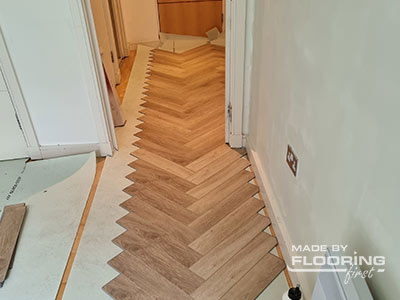
Credit: www.flooringfirst.co.uk
Benefits Of Vinyl Flooring
Vinyl flooring is very strong. It can last for many years. It handles a lot of foot traffic well. Kids and pets running around? No problem. Vinyl stays looking nice. It is not easily scratched or damaged. This makes it a good choice for busy homes.
Water spills happen. Vinyl flooring does not mind. It resists water well. This makes it great for kitchens and bathrooms. Wet shoes from the rain? No worries. Vinyl can take it. It stays safe and dry.
Cleaning vinyl flooring is simple. A quick sweep or mop does the job. No special cleaners needed. Spills wipe up quickly. It saves you time and effort. Vinyl flooring is a breeze to keep clean.
Assessing Wooden Floorboards
Vinyl flooring can be installed over wooden floorboards, offering a stylish and practical solution. Ensure the wood surface is clean, dry, and level for optimal results. Proper preparation prevents issues like uneven surfaces or moisture damage, enhancing durability and appearance.
Condition And Stability
Wooden floorboards must be strongand steadyfor vinyl. Check for loose boards. Secure them tightly. Look for cracksor damage. Fix any broken parts. Make sure the boards do not move. Movement can harm vinyl.
Moisture Levels
Wood must be dry. Wet wood can ruin vinyl. Moisture causes wood to swell. Swollen wood will ruin vinyl. Use a moisture meter. Ensure wood is drybefore laying vinyl. Dry wood keeps vinyl safe.
Surface Smoothness
Surface must be smooth. Rough wood can damage vinyl. Sand the wood. Make it smooth. No bumps or rough spots. Smooth wood helps vinyl stick well. Smooth floors make vinyl look nice.
Preparation Steps
First, sweep the wooden floorboards. Remove all dust and dirt. Use a mop with a gentle cleaner. Check for any damage on the floorboards. Fix any loose or broken boards. Fill in any gaps or holes with wood filler. Make sure the floor is smooth and clean.
Use a leveling compound to make the floor even. Mix the compound as instructed. Pour it on the floor. Spread it with a trowel. Let it dry fully. A level floor helps the vinyl stick well. This step is very important.
Moisture can harm vinyl. Use a moisture barrier sheet to protect it. Lay the sheet on the wooden floor. Cut it to fit the room. Tape the edges to keep it in place. The barrier stops water from reaching the vinyl.
Installation Techniques
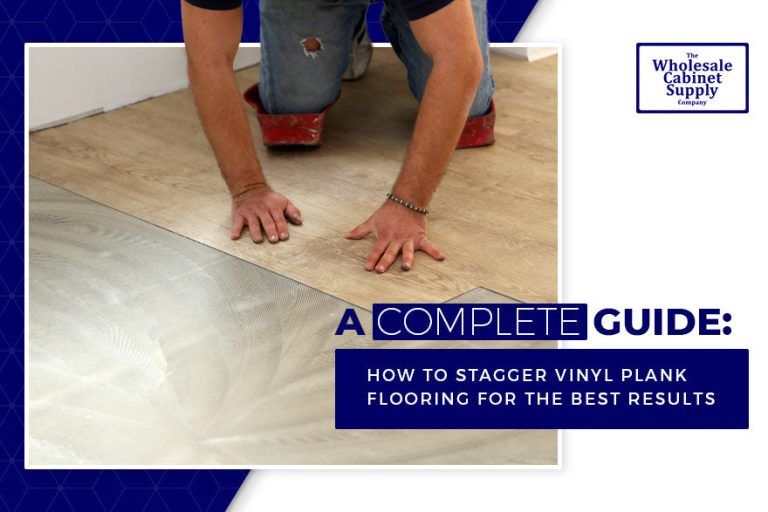
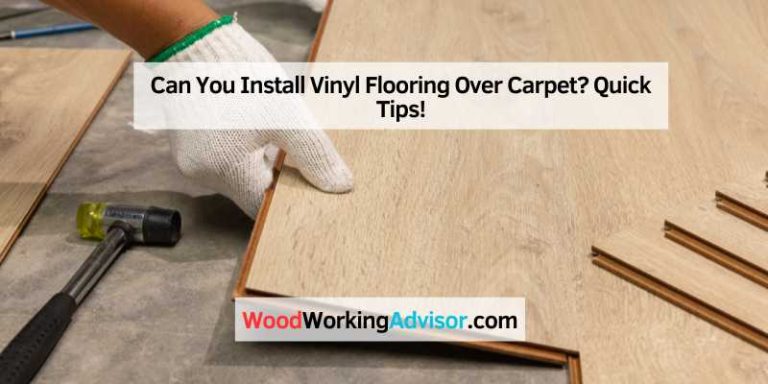
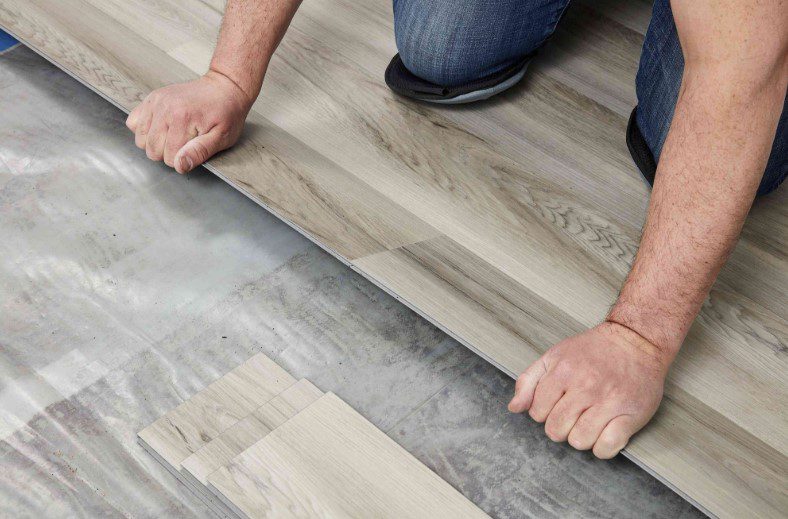
Floating vinyl flooringis easy to install. It does not need glue. Boards are laid over the floor. They fit like a puzzle. This method is quick. It is good for beginners. No nails are needed. The floor stays in place.
The glue-down methodis strong. Glue is applied to the floor. Vinyl boards stick to the glue. This method lasts long. It is very secure. It takes more time. You need to be careful. The boards must fit right.
Click-lock systemis simple. Boards click together. No glue is used. This method is fast. It is easy for many people. The floor can be moved later. It is good for those renting. The boards can be reused.
Common Challenges
Installing vinyl flooring over wooden floorboards often presents challenges like uneven surfaces and moisture issues. Proper preparation is essential to avoid potential problems like warping or buckling. Addressing these common issues can ensure a smooth and lasting installation.
Dealing With Uneven Boards
Uneven boards can make vinyl flooring tricky. Floors must be flat for vinyl. Use a level to find bumps or dips. Sanding can smooth high spots. Fill gaps with wood filler. This ensures a flat surface. A flat surface helps the vinyl stay in place.
Addressing Moisture Issues
Moisture can damage vinyl flooring. Check for any water leaks first. Wooden boards may hold moisture. Seal boards to block water. Use a moisture barrier if needed. This keeps the vinyl safe from water. Protecting the vinyl is important.
Ensuring Proper Adhesion
Vinyl must stick well to the wood. Clean the floor for best results. Dust and dirt can stop adhesion. Use a strong adhesive for vinyl. Follow the glue instructions closely. This makes sure the vinyl stays down. Proper sticking is key for lasting floors.

Credit: www.youtube.com
Maintenance And Care
Keep vinyl floors clean for long-lasting shine. Use a soft broom daily. A vacuum works well for dust. Damp mop weekly with warm water. Avoid harsh chemicals. Mild soap is best. Dry the floor after mopping.
Light scratches are common. Use a vinyl repair kit. Buff gently with a soft cloth. Deep dents need more care. Place a damp towel over the dent. Use an iron on low heat. This may help to lift the dent.
Keep your vinyl floor looking new. Place rugs in high traffic areas. Avoid dragging heavy furniture. Use furniture pads to prevent dents. Regular inspections help catch problems early. Fix any issues quickly.

Credit: honeybuilthome.com
Frequently Asked Questions
Is It Okay To Install Vinyl Plank Flooring Over Hardwood Floors?
Yes, you can install vinyl plank flooring over hardwood. Ensure the hardwood is in good condition. The surface should be clean, dry, and level. This prevents issues like warping or gaps. Proper underlayment can enhance the result, providing cushioning and noise reduction.
Always follow manufacturer guidelines for best results.
Can You Lay Vinyl Directly Onto Floorboards?
Yes, vinyl can be laid directly onto floorboards. Ensure the surface is smooth, clean, and dry. Use a suitable underlay to prevent gaps and improve insulation. Proper preparation guarantees a durable and attractive finish.
What Is The Best Flooring To Put Over Old Hardwood Floors?
Vinyl planks or laminate flooring are ideal for covering old hardwood. Both options are durable and affordable. Choose vinyl for water resistance or laminate for a natural look. Easy installation makes them popular choices for DIY projects, enhancing the aesthetic without damaging the original wood beneath.
How To Lay Vinyl Flooring On Wooden Floorboards?
Prepare the wooden floorboards by cleaning and leveling them. Install underlayment for smoothness and insulation. Cut vinyl planks to size. Use adhesive or interlocking system for secure installation. Ensure edges align and press firmly to avoid air bubbles. Trim excess material and finish with baseboards for a polished look.
Conclusion
Vinyl flooring offers a practical solution for wooden floorboards. It’s easy to install and maintain. Plus, it brings a fresh look to any space. You can enjoy its benefits without much hassle. But, check the condition of your wood floor first.
Ensure it’s level and in good shape. This helps avoid issues later. Consider your style and budget before deciding. Vinyl flooring fits many tastes and needs. It’s a versatile choice for homeowners. So, enhance your home’s beauty and comfort with vinyl flooring today.