Can You Put Water in a Wooden Vase?
Yes — but only if the interior is sealed, since raw wood swells and eventually cracks when it stays wet. Skipping the sealant is the single most common reason handmade wooden vases split within a season. This guide covers the two methods woodturners actually rely on (food-safe epoxy resin and removable glass or stainless inserts), why DIY silicone caulk fails, and how to keep flowers fresh without ruining the wood.
Insert your Affiliate Disclosure reusable block here

What Can You Put in a Wooden Vase?
Best Wooden Vase Waterproofing Pick
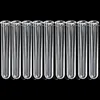
Clear Test Tube Vase Inserts (9-Pack)
Sized for a single stem or a small bunch, these slide into a drilled hole so the wood never touches water at all.
- Best for: turning any wood vase into a leak-proof flower holder without sealing the wood
- Why we picked it: zero risk of the wood swelling or cracking, and it’s removable if you switch to dried arrangements
- Main drawback: only fits vases with a narrow enough opening for the tube diameter
Compare more waterproofing options
 Option 1 Food-Safe Epoxy Resin Kit (8oz)
|
 Option 2 Adjustable Stainless Steel Liner Insert
|
 Option 3 Marine-Grade Spar Varnish, Water-Based
|
As an Amazon Associate we earn from qualifying purchases.
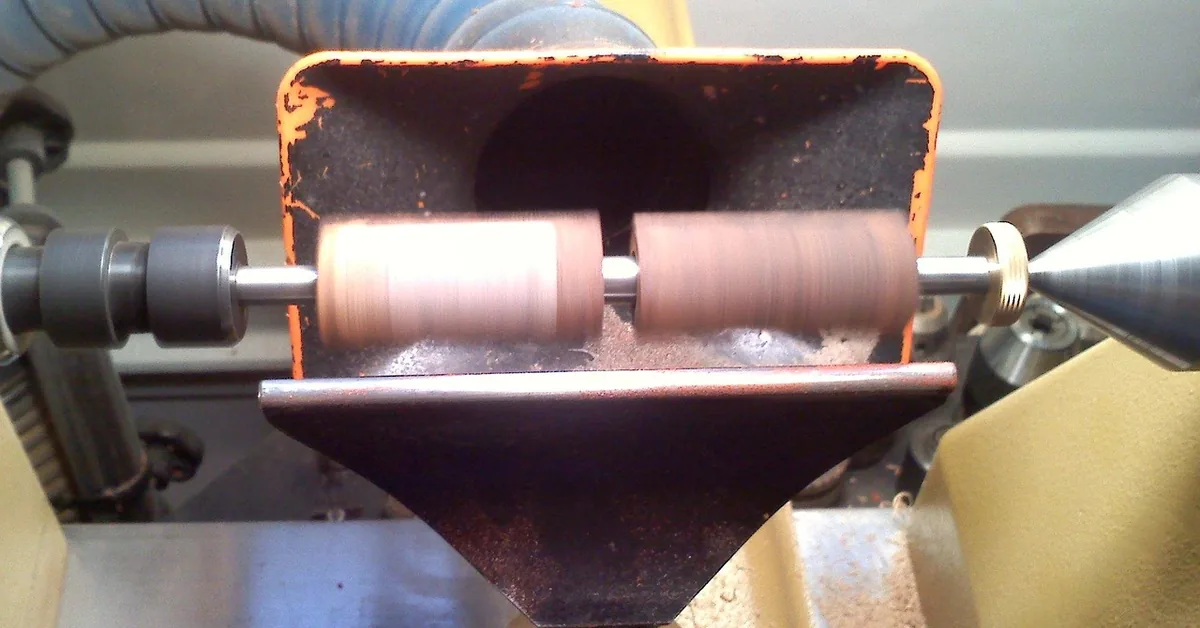
A wooden vase is a turned or carved wood vessel used to display flowers, dried arrangements, or decorative branches. Because wood is porous, it needs an internal seal or a removable liner before it can safely hold standing water for more than a few hours.
Without any prep, a wooden vase still works well for dried flowers, pampas grass, preserved eucalyptus, or bare branches — none of which need water. For fresh-cut flowers or live greenery, you have two honest options: seal the wood itself, or hide a waterproof liner inside it so the wood never touches water at all.
What Happens If You Put Water Directly Into an Unsealed Wooden Vase?
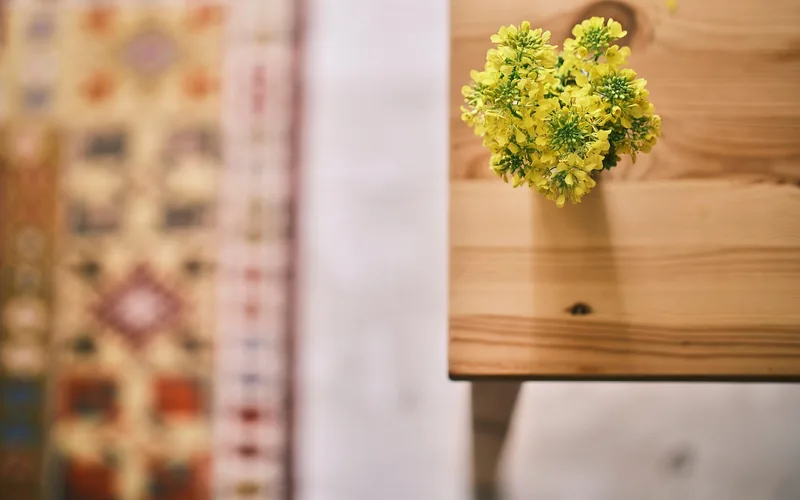
Standing water sitting against raw wood gets absorbed unevenly along the grain. The wood swells where it touches the water first, and that uneven swelling is what opens hairline cracks — usually along the end grain or a glue seam, since those areas move the most. A vase that looked fine the day it was finished can split within a single week of holding fresh-cut flowers if nothing lines or seals the interior.
Kiln-dried wood typically sits around 6–8% moisture content when it’s finished; sustained contact with standing water pushes the wood at the water line well past that, which is exactly the range where most species start to visibly swell and move (Source: USDA Forest Products Laboratory Wood Handbook). That is also why a vase that has already spent months acclimating in a dry room is more prone to cracking on first contact with water than one that’s been sealed from day one.
How to Waterproof a Wooden Vase (The Methods That Actually Work)
Woodturning forums — FineWoodworking, the American Association of Woodturners, and UK Workshop — consistently point to the same two reliable methods, and they consistently warn against the same failure-prone shortcut.
Silicone caulk, brushed on alone, is the method most likely to fail. Turners who’ve tried it report it holds for a few uses, then peels or lets water wick through the first pinhole, crack, or spot where a wood fiber pokes through the coating — because it doesn’t bond to end grain the way it bonds to a smooth surface, and it doesn’t flex the same way the wood does as humidity changes.
- Food-safe epoxy resin (permanent seal): Pour a food-safe epoxy resin into the vase, swirl it to coat every interior surface, and let it cure fully before adding water. This is the same epoxy-based approach woodworkers use to rebuild and waterproof damaged wood elsewhere — it bonds directly to the wood grain instead of just sitting on top of it, which is why it holds up where brushed-on sealants don’t.
- Glass or stainless test-tube insert (removable, zero risk to the wood): Drill or turn a hole sized to the insert, then set a glass or stainless tube inside so the water and flower stems never touch the wood at all. This is the standard approach in the woodturning community for exactly the reason it removes the sealing problem instead of trying to solve it.
One practical note from turners who use glass inserts: leave the insert a little loose rather than gluing it tight. Wood keeps moving slightly with humidity even after finishing, and a glass tube glued in rigidly is more likely to crack than one that can shift a fraction of a millimeter.
Quick Comparison
Epoxy resin gives a permanent seal built into the wood itself and suits vases you’ll always use for fresh flowers. A glass or stainless insert is removable, reversible, and the safer pick if you also want to display dried arrangements in the same vase without water.

How Do Ceramic, Glass, and Metal Vases Compare for Holding Water?
Wood is the only common vase material that needs a liner or seal before it can hold water at all. The others each have their own, much smaller caveats:
| Material | Holds Water As-Is? | Main Caveat |
|---|---|---|
| Ceramic | Yes | Use fresh, cool water — hot water can crack unglazed or thin ceramic |
| Glass | Yes | None beyond normal care — the most reliable option for fresh flowers |
| Metal (unlined) | No | Bare metal corrodes with prolonged water contact; needs a sealant or liner too |
| Wood | No | Needs an epoxy seal or a glass/stainless liner (see above) |
If you’re deciding between materials for a new vase rather than working with a wooden one you already own, glass and ceramic both skip the sealing step entirely. Wood earns its place on the shelf for the grain and warmth glass and ceramic can’t match — it just needs the extra step first.
How to Arrange Fresh Flowers in a Wooden Vase
Once the vase is sealed or lined, arranging flowers in it is no different from any other vase — with one extra check at the start.
- Confirm the interior is sealed or lined: Run a finger along the inside — a cured epoxy interior feels glassy and smooth, with no raw wood texture anywhere water will sit.
- Trim the stems at an angle: Cut about an inch off the bottom of each stem at a 45-degree angle so the flowers can absorb water more easily.
- Fill with room-temperature water: Fill the sealed interior or liner about two-thirds full; avoid hot water, which stresses both the flowers and the seal.
- Add the flowers and check the water line: Make sure no leaves sit below the water line — submerged leaves rot fastest and cloud the water.
- Change the water every two days: Fresh water every 1–2 days keeps bacteria from building up, which is what actually shortens a bouquet’s life more than anything else.
In the shop, the fastest way to crack a freshly turned vase is to fill it with water the same week it was turned — end grain wicks moisture unevenly and the piece ovals out overnight. Let a new turning acclimate for a few weeks, then seal it, before it ever sees standing water.
— Md Meraj, Woodworking Advisor
Common Mistakes to Avoid
- Relying on silicone caulk alone. It’s the shortcut most turners warn against — it doesn’t bond to end grain reliably and tends to fail at the first small gap.
- Filling a brand-new turning with water right away. Give the wood a few weeks to acclimate to your home’s humidity before sealing and using it.
- Gluing a glass insert in tight. Leave a little play — wood keeps moving slightly even after finishing, and a rigidly glued glass tube is more likely to crack.
- Skipping a test with plain water first. Before displaying real flowers, leave the sealed vase filled with water for 24 hours on a paper towel to confirm there’s no seepage.
FAQ
Can you put water directly in an unsealed wooden vase?
No, not safely for more than a few hours. Raw wood absorbs water unevenly along the grain, which swells the wood and commonly opens hairline cracks along the end grain or a seam within days to weeks of regular use.
How do you waterproof a wooden vase for real flowers?
Use a food-safe epoxy resin to coat the interior permanently, or set a glass or stainless test-tube insert inside so water never touches the wood. Both are the methods experienced woodturners actually use; brushed-on silicone caulk is not reliable long-term.
Does epoxy resin actually waterproof a wood vase?
Yes, when it’s a food-safe epoxy resin applied to a clean, dry interior and given full cure time. It bonds directly to the wood grain rather than sitting on top of it, which is why it holds up where surface sealants like caulk tend to fail.
How long will a sealed wooden vase hold water before it needs resealing?
A properly cured epoxy interior can hold up to routine flower-vase use indefinitely, since it’s a hard, continuous barrier rather than a coating that wears. Check it periodically for any dull or worn spot, especially near the rim, and recoat only that area if one appears.
Can you put fresh flowers in a wooden vase without water?
Fresh-cut flowers need water and will wilt within a day or two without it, so an unsealed wooden vase only really works for dried flowers, preserved arrangements, or bare branches that don’t need water at all.
Conclusion
A wooden vase can absolutely hold fresh flowers and water — the wood itself just can’t touch either one directly. Seal the interior with a food-safe epoxy resin for a permanent solution, or drop in a glass or stainless insert if you want the option to switch back to dried arrangements later. Skip the sealing step, and a wooden vase still earns its place on the shelf holding dried stems, no prep required.
Sponsored / affiliate links. As an Amazon Associate I earn from qualifying purchases. I may earn additional commission from eligible campaigns.