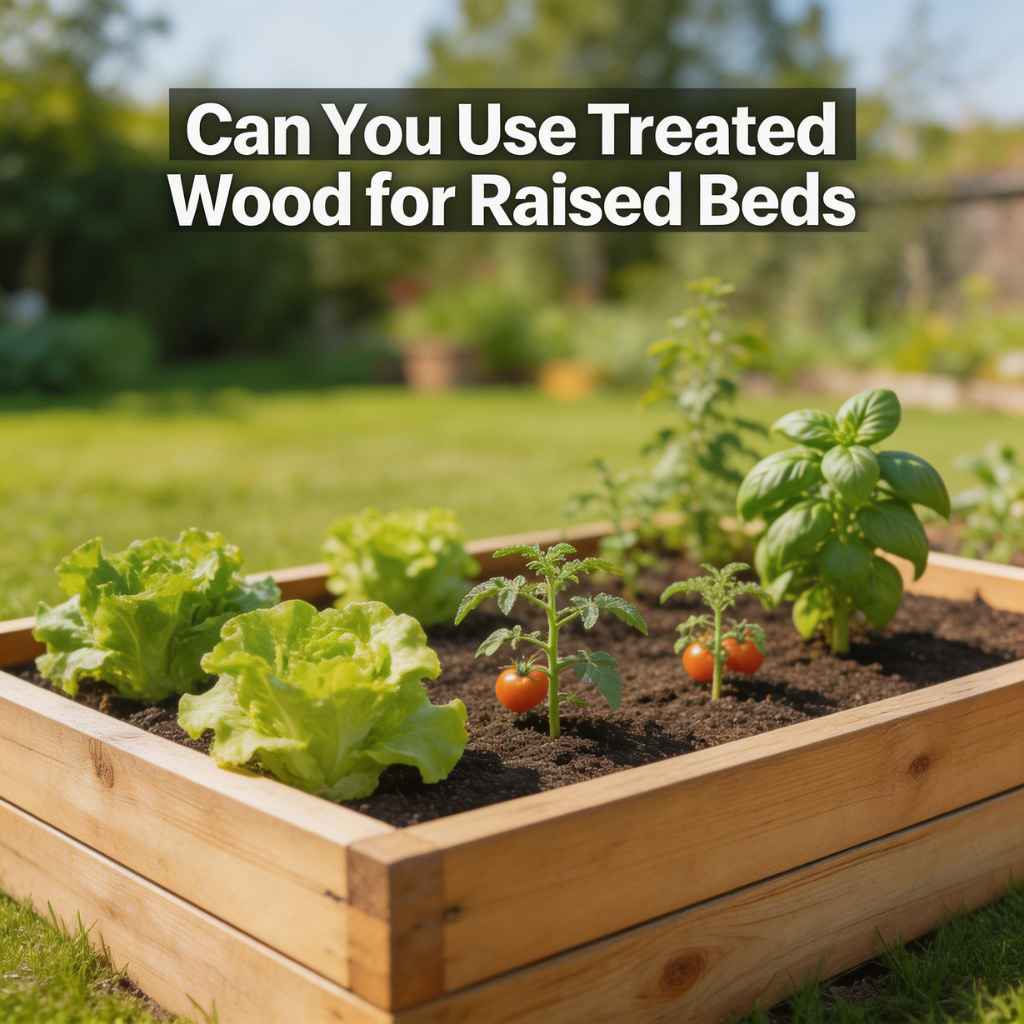
Can You Use Treated Wood for Raised Beds
Many gardeners wonder, Can You Use Treated Wood for Raised Beds? It’s a question that pops up a lot, especially when you’re just starting out and want to make your garden look great. You see all sorts of wood, and treated wood seems like a good, long-lasting option. But is it safe for growing food?
We know it can seem confusing with all the different types and advice out there. Don’t worry, we’ll break it down simply. We’ll guide you through what you need to know so you can build your perfect raised garden bed with confidence.
Let’s get started on making your garden dreams a reality.
Is Treated Wood Safe for Raised Garden Beds
This section looks at whether treated wood is a good choice for your garden beds, especially for growing food. We will explore the concerns people have and what experts say. You’ll learn about the chemicals used in treated wood and how they might affect your plants and your health.
We aim to give you a clear picture so you can make an informed decision. This will help you decide if treated wood fits your gardening plans.
Understanding Wood Treatments
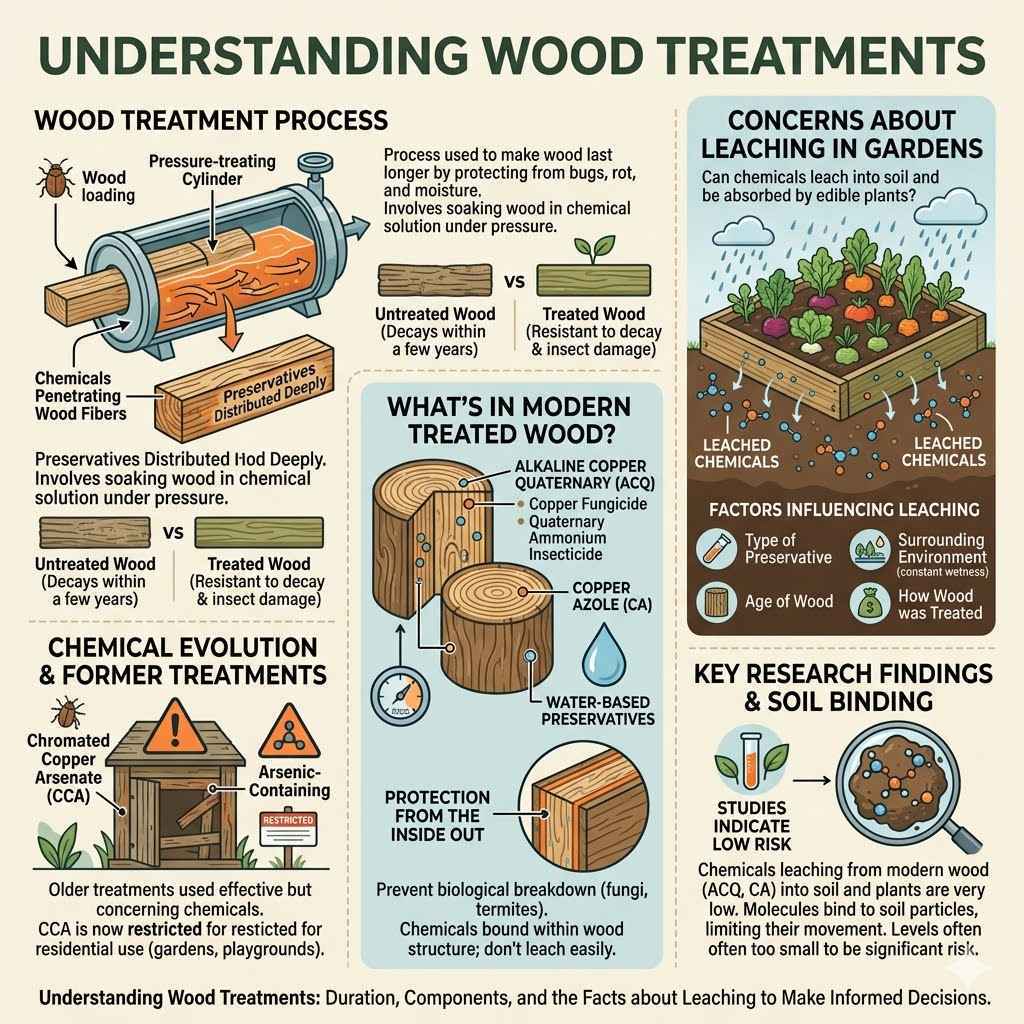
Wood treatment is a process used to make wood last longer by protecting it from bugs, rot, and moisture. It’s really common for outdoor projects like decks, fences, and, yes, garden beds. The goal is to stop the wood from breaking down too quickly, which saves you money and effort in the long run.
Without treatment, wood exposed to the elements can start to decay within a few years, sometimes even sooner depending on the climate and how wet it gets.
There are different ways to treat wood. The most common methods involve soaking the wood in a chemical solution under pressure. This forces the preservatives deep into the wood fibers.
The result is wood that is much more resistant to decay and insect damage. This is why treated wood is often the go-to for outdoor construction where durability is key.
The chemicals used in wood treatments have changed over the years. Older treatments used chemicals like chromated copper arsenate (CCA). CCA was very effective but contained arsenic, which raised health concerns.
Because of these concerns, the use of CCA in residential applications, especially for things like playground equipment and garden structures, has been restricted in many places. This means newer treatments are generally considered safer, but it’s still important to know what’s in them.
What Chemicals Are in Treated Wood
The chemicals in treated wood are designed to prevent biological breakdown. Think of things like fungi that cause rot and insects like termites and carpenter ants that eat away at the wood. These preservatives penetrate the wood’s surface and extend into its core, providing long-lasting protection.
The effectiveness of these treatments is why treated lumber is so popular for outdoor structures that need to withstand harsh environmental conditions.
One of the most common types of wood treatment used today is Alkaline Copper Quaternary (ACQ). This is a water-based preservative that contains copper and quaternary ammonium compounds. The copper acts as a fungicide, and the quats work as insecticides.
Another common treatment is copper azole (CA), which is similar to ACQ but uses a different type of nitrogen compound alongside copper. These newer formulations replaced older ones like CCA, which contained arsenic and chromium.
The chemicals are mixed with water and then forced into the wood under high pressure. This ensures the preservatives are distributed evenly throughout the wood, offering protection from the inside out. The wood is then dried.
The chemicals remain bound within the wood structure, and they don’t easily leach out into the surrounding environment under normal conditions. This bonding is a key factor in assessing safety for various applications.
Concerns About Leaching
A big worry for gardeners is whether the chemicals from treated wood can leach out into the soil and then be absorbed by the plants we grow. Leaching means that the chemicals slowly dissolve in water and spread out from the wood. If this happens, these chemicals could end up in your vegetables or fruits.
This is especially concerning for edible plants. The thought of chemicals from the wood ending up in food is a common reason for hesitation.
The amount of chemical that leaches out depends on several factors. These include the type of preservative used, how the wood was treated, the age of the wood, and the surrounding environment. For instance, wood treated with older preservatives might leach more than wood treated with newer ones.
Also, if the wood is constantly wet and exposed to rain, more leaching could occur over time compared to drier conditions.
Studies have been done to measure how much of these chemicals actually end up in the soil and in plants. Many of these studies suggest that the amount of chemicals leaching from modern treated wood into the soil and then into edible plants is very low. The chemicals tend to bind to the soil particles, which further limits their movement.
This means that while leaching is possible, the levels are often too small to be a significant risk to human health, especially when proper precautions are taken.
Newer Treatments vs. Older Treatments
The landscape of wood treatment has significantly evolved, driven by growing awareness and concern for environmental and health impacts. Older wood treatments, such as those using chromated copper arsenate (CCA), were highly effective at preserving wood but came with significant drawbacks due to their chemical components. These drawbacks led to restrictions and a search for safer alternatives.
CCA contains arsenic, copper, and chromium. While it made wood incredibly durable and resistant to decay and insects, the presence of arsenic, a known carcinogen, raised serious alarms. This led to regulations limiting its use, particularly in applications where children might have direct contact or where it could interact with the food chain.
Its use in residential decks, playgrounds, and garden beds became phased out for most consumers.
In contrast, newer treatments like Alkaline Copper Quaternary (ACQ) and Copper Azole (CA) offer comparable levels of protection against rot and insects but utilize different, generally considered safer, chemical compounds. ACQ, for example, uses copper as its primary fungicide and quaternary ammonium compounds as its insecticide. These are less prone to leaching into the environment and are not classified as carcinogens in the same way arsenic is.
The industry’s shift to these alternatives reflects a commitment to providing effective preservation while minimizing potential risks.
Chemicals in Modern Treated Wood
Today’s treated wood uses preservatives that are designed to be effective and safer than older formulations. The most common types you’ll find for residential use are ACQ (Alkaline Copper Quaternary) and CA (Copper Azole). These treatments are water-based, meaning they are applied using pressure to force the preservatives deep into the wood’s structure.
This process makes the wood highly resistant to decay caused by fungi and attack by insects like termites and beetles.
ACQ contains copper compounds and quaternary ammonium compounds. The copper is the active ingredient that protects against fungi, preventing rot and mildew. The quaternary ammonium compounds are effective against a broad spectrum of insects, deterring them from damaging the wood.
CA is similar, using copper and an azole compound, which is also a fungicide. These chemicals are bound within the wood fibers, providing long-term protection.
These modern preservatives are formulated to be less mobile within the wood and less likely to leach into the surrounding soil compared to older treatments like CCA. The chemicals are designed to remain largely locked within the wood matrix, providing a protective barrier. This reduced mobility is a key reason why these newer treated woods are considered a more acceptable option for a wider range of outdoor applications, including garden structures.
When Older Treated Wood Was Common
In the past, treated wood was very different from what we use today. For many years, the go-to treatment for lumber was chromated copper arsenate, often called CCA. This chemical mixture was incredibly effective at preventing wood from rotting and being eaten by insects.
Builders and homeowners alike favored it for its durability, using it for everything from decks and fences to utility poles and even garden planters.
CCA contained arsenic, a chemical that is toxic to humans and animals. It also contained copper and chromium. While it did a fantastic job preserving the wood, concerns grew over time about the potential health risks associated with the arsenic.
Scientists and environmental agencies began to investigate how much of this arsenic might leach out of the wood and into the soil, and whether it could be absorbed by plants grown in or near it.
These concerns eventually led to regulations that severely restricted the use of CCA-treated wood for many residential applications, especially those that might come into contact with food or children. While you might still find older structures built with CCA, it’s largely been
Can You Use Treated Wood for Raised Beds Safely
So, to get straight to the point: can you use treated wood for raised garden beds? The answer is generally yes, especially if you use wood treated with modern preservatives. For many years, this was a big question mark because of the older CCA treatments.
However, with the shift to safer chemicals, using treated wood for your garden beds has become a much more viable option for many gardeners.
The key difference lies in the type of treatment. Newer treatments like ACQ and CA use copper-based preservatives and other compounds that are less likely to migrate into the soil and plants. They are designed to be stable and remain bound within the wood.
This makes them a much more appealing choice for anyone concerned about chemicals in their food. The overall risk is considered low for modern treated lumber.
Even with modern treatments, it’s always good practice to take a few simple steps to further minimize any potential exposure. These steps are easy to implement and provide an extra layer of assurance. By understanding the types of wood treatments and following some basic guidelines, you can confidently build your raised garden beds with treated wood, ensuring both durability and peace of mind for your gardening endeavors.
Modern Treated Wood and Edible Gardens
For gardeners growing vegetables and fruits, the question of whether modern treated wood is safe for raised beds is paramount. The good news is that treated wood produced today typically uses preservatives like ACQ and CA. These are designed with safety in mind, especially for contact with soil and the potential for plant uptake.
The copper compounds used are essential nutrients for plants in small amounts, and the other components are generally less mobile and toxic.
Numerous studies have investigated the leaching potential of these modern treatments. The findings consistently show that the amount of chemicals migrating from the wood into the surrounding soil is minimal. Furthermore, the soil itself acts as a buffer, binding many of these compounds, which further reduces their availability for plant absorption.
This means the actual amount of preservative that ends up in your edible harvest is usually very low, often below detectable limits.
In fact, many agricultural organizations and research institutions state that using modern treated lumber for raised garden beds is acceptable. They often recommend specific types of treated wood and suggest simple precautions to further ensure safety. This widespread acceptance by experts provides a strong foundation for gardeners to feel confident in using treated wood for their edible gardens.
Precautions for Using Treated Wood
While modern treated wood is considered safe for raised garden beds, taking a few extra precautions can give you extra peace of mind. One of the simplest and most effective methods is to line the inside of your raised bed with a barrier. This barrier acts as a physical separation between the treated wood and the soil where your plants grow.
It’s like putting a protective layer between two things you want to keep separate.
A common and recommended barrier material is heavy-duty polyethylene plastic sheeting, often referred to as pond liner or heavy-duty landscape fabric. You can purchase this at most hardware or garden supply stores. Simply cut it to size and staple or tack it to the inside walls of your raised bed before you fill it with soil.
Make sure it extends from the top edge all the way down to the bottom of the bed. This prevents soil from directly touching the treated wood.
Another precaution is to avoid using treated wood scraps for mulch or compost. Because they are treated to resist decay, they break down very slowly. More importantly, any remaining chemicals could potentially leach into your compost pile.
When it’s time to replace your raised beds, dispose of the treated wood responsibly according to local regulations, rather than burning it, which can release harmful fumes.
Building Raised Beds with Treated Wood
When you decide to build raised garden beds using treated wood, the construction process itself is quite straightforward. Treated lumber is readily available at most lumber yards and home improvement stores. It’s typically marked with stamps indicating the type of treatment it has undergone.
It’s a good idea to look for lumber marked for “ground contact” if you want the longest possible lifespan for your beds, though general-purpose treated lumber is also suitable.
The process involves cutting the lumber to your desired dimensions and then assembling it into the shape of your raised bed, usually a simple rectangle or square. You’ll use corrosion-resistant screws or nails, such as galvanized or stainless steel, because the chemicals in treated wood can corrode regular fasteners over time. This ensures your bed stays together and doesn’t fall apart due to rust.
As mentioned earlier, lining the inside of the bed with plastic sheeting is a key step to add an extra layer of safety. Once the bed is assembled and lined, you can then fill it with your chosen soil mix. The durability of treated wood means your raised beds will likely last for many years, providing a stable and attractive gardening space.
Choosing the Right Treated Lumber
Not all treated lumber is created equal, and for raised garden beds, it’s wise to know what you’re looking for. Most lumber sold today for outdoor use is pressure-treated. You should look for lumber that specifies the type of preservative used.
The most common and recommended for garden beds are those treated with ACQ (Alkaline Copper Quaternary) or CA (Copper Azole).
You can usually find this information stamped on the end of the lumber, or it will be listed on the product tag at the store. Avoid lumber that is labeled for “residential ground contact” or simply “ground contact” if you want the absolute longest life for your bed, as this indicates a higher level of treatment designed for constant contact with soil and moisture. However, lumber treated for “above ground use” is also acceptable and still offers good protection.
The key is to ensure the wood is treated with modern preservatives, not the older CCA types. If you’re unsure, it’s always best to ask a store associate or consult the manufacturer’s information. Some lumber may also be rated for specific uses, so selecting wood intended for outdoor structures is a good general rule of thumb.
Assembly Tips for Durability
When assembling your raised garden beds with treated wood, using the right fasteners is critical for longevity. Because treated wood contains chemicals that can react with metals, it’s important to use fasteners that are resistant to corrosion. This means opting for galvanized screws, stainless steel screws, or specially coated deck screws designed for use with treated lumber.
Regular steel screws will likely rust and weaken over time, compromising the integrity of your raised bed structure.
When attaching the boards together, ensure a tight fit to prevent soil from washing out through the gaps. Pre-drilling pilot holes can help prevent the wood from splitting, especially near the ends, and makes it easier to drive the screws in. Use a sufficient number of screws to create a strong and stable frame.
For larger or taller beds, consider reinforcing the corners with metal brackets for added strength and stability.
After assembly, before adding soil, remember to line the inside walls of the bed with a heavy-duty plastic liner or landscape fabric. This barrier creates a physical separation between the treated wood and your garden soil, offering an extra layer of protection against any potential chemical migration. Secure the liner firmly along the top edge of the bed using staples or small nails.
Alternatives to Treated Wood
While treated wood offers durability, some gardeners prefer to avoid it altogether, even with modern advancements. Thankfully, there are several excellent alternatives that can be used for building raised garden beds. These materials offer different aesthetics, lifespans, and cost considerations, giving you plenty of choices to fit your gardening style and budget.
Each alternative comes with its own set of pros and cons, allowing you to pick the best option for your specific needs and preferences.
Exploring these alternatives ensures you can create beautiful and functional raised beds even if you have strong reservations about using treated lumber. Whether you prioritize natural materials, long-term sustainability, or budget-friendly solutions, there’s likely an alternative that will meet your requirements. Understanding these options empowers you to make the most informed decision for your garden.
Untreated Wood Options
For those who want to use wood but avoid chemical treatments entirely, there are several untreated wood options. Cedar, redwood, and cypress are naturally resistant to rot and insects. This natural resistance comes from oils and compounds found within the wood itself.
While they are more expensive than pine or fir, their natural properties make them a popular choice for durable outdoor structures.
Untreated cedar, for instance, can last for 10-15 years or even longer in a garden setting, depending on your climate. Redwood is also highly durable and resistant to decay. Cypress is another excellent choice, known for its longevity in moist conditions.
These woods can be used to build beautiful and long-lasting raised beds without any chemical preservatives.
The lifespan of untreated wood will be shorter than treated wood, but it offers the peace of mind that no chemicals are involved. If you choose untreated wood, you can prolong its life by applying natural sealants like linseed oil or tung oil periodically. However, be sure to use food-grade oils if you plan to use them on beds for edible plants.
Non-Wood Materials
Beyond wood, many other materials can be used to construct attractive and functional raised garden beds. Metal, such as corrugated galvanized steel or aluminum, is a popular modern choice. It’s incredibly durable, resistant to rot and pests, and can give your garden a contemporary look.
Metal beds can last for decades with minimal maintenance.
Another option is concrete blocks or natural stone. These materials are very stable and can create a permanent, robust raised bed structure. They are also excellent at retaining heat, which can benefit plants in cooler climates.
The aesthetic appeal of stone or brick can also enhance the overall look of your garden. These materials are resistant to decay and pests, offering a very long lifespan.
Composite lumber, made from a mix of wood fibers and recycled plastic, is also an option. It mimics the look of wood but offers much greater durability and resistance to rot and insects. It requires little maintenance and can last for a very long time.
Recycled plastic lumber is another sustainable choice, offering a low-maintenance and long-lasting alternative.
The Environmental Impact
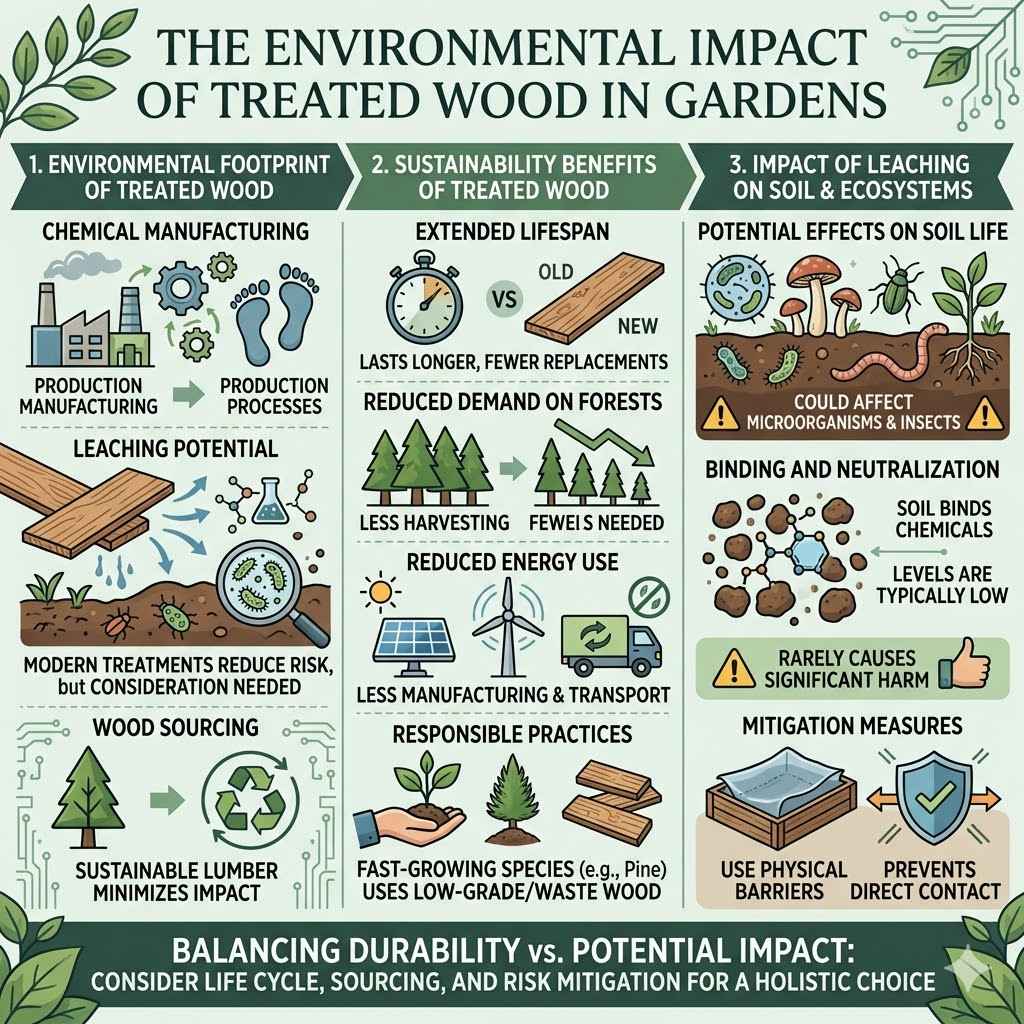
When considering materials for any garden project, it’s natural to think about their environmental impact. Treated wood, while beneficial for durability, does involve chemicals that are manufactured. The production of these chemicals and the processes used to treat the wood can have environmental footprints.
Understanding this helps in making a more holistic choice for your garden.
The debate often centers on the potential for chemicals to leach into the soil and affect local ecosystems. While modern treatments have significantly reduced this risk, any introduction of synthetic chemicals into the environment warrants consideration. Balancing the longevity and reduced replacement needs of treated wood against the potential environmental impact is part of the decision-making process.
Furthermore, the sourcing of the wood itself plays a role. Sustainably harvested lumber, whether treated or untreated, minimizes negative impacts on forests. Considering the entire lifecycle of the material, from production to disposal, provides a clearer picture of its overall environmental footprint.
Sustainability of Treated Wood
Treated wood can be considered sustainable in several ways, primarily due to its extended lifespan. When wood is treated, it can last much longer than untreated wood in outdoor applications. This means that lumber doesn’t need to be replaced as frequently.
Fewer replacements mean fewer trees need to be harvested, and less energy is consumed in manufacturing and transportation over time. It reduces the overall demand on forest resources.
The preservatives used in modern treated wood, like ACQ and CA, are also designed to be more environmentally benign than older formulations. They are water-based, which generally leads to a more efficient and less polluting treatment process. While the chemicals themselves have an environmental impact during production, the durability they provide can offset this over the product’s lifespan.
Many treated wood products are also made from fast-growing species of trees, such as pine, which can be cultivated more sustainably than slow-growing hardwoods.
Additionally, treated wood is often made from wood that might otherwise be considered lower grade or waste material from sawmills. This utilization of by-products contributes to a more efficient use of timber resources. The overall sustainability of treated wood hinges on its long life, reduced need for replacement, and the responsible sourcing and manufacturing practices employed by the industry.
Impact of Leaching on Soil and Ecosystems
The primary concern regarding the environmental impact of treated wood for raised beds is the potential for chemical leaching into the soil. While modern treatments have significantly minimized this risk, any chemical input into an ecosystem warrants attention. The chemicals used in wood preservatives are designed to be biocides, meaning they are intended to kill or inhibit biological organisms.
When these chemicals leach into the soil, they could potentially affect soil microorganisms, beneficial insects, and other small creatures that form the foundation of a healthy garden ecosystem. For instance, some soil bacteria and fungi that play vital roles in nutrient cycling might be sensitive to elevated levels of copper or other compounds. This could disrupt the natural balance of the soil food web.
However, it’s important to remember that the levels of leaching from modern treated wood are typically very low. Soil itself has a remarkable capacity to bind and neutralize many substances. Studies suggest that the concentration of leaching chemicals rarely reaches levels that would cause significant harm to most soil organisms or the broader ecosystem, especially when compared to other environmental factors.
The use of a physical barrier further mitigates this concern by preventing direct contact between the treated wood and the soil.
Frequently Asked Questions
Question: What is the main concern when using treated wood for garden beds
Answer: The main concern is whether the chemicals used to treat the wood will leach into the soil and then be absorbed by the plants you are growing, potentially making them unsafe to eat.
Question: Are newer types of treated wood safer for garden beds
Answer: Yes, newer treatments like ACQ and CA use chemicals that are less prone to leaching and are generally considered safer for garden use compared to older treatments like CCA.
Question: Should I line my raised bed if I use treated wood
Answer: It is highly recommended to line the inside of your raised bed with a heavy-duty plastic sheeting or landscape fabric to create a barrier between the treated wood and the soil.
Question: How long does untreated cedar wood typically last in a raised garden bed
Answer: Untreated cedar wood can typically last between 10 to 15 years, and sometimes longer, depending on the climate and specific conditions it is exposed to.
Question: Can I reuse old treated wood for a new garden bed
Answer: While possible, it’s best to use wood treated with modern preservatives for new beds. If using old wood, ensure it is not CCA-treated and consider using a robust liner for added safety.
Summary
You can indeed use treated wood for raised garden beds, especially modern treated lumber. Newer preservatives like ACQ and CA are safer and leach far less than older treatments. Adding a plastic liner provides an extra layer of protection.
This ensures your garden is durable, attractive, and safe for growing your favorite foods.