Carpet Measurement Calculator
Carpet is sold by the square yard but cut from fixed-width rolls — standard US broadloom widths are 12 ft and 15 ft (13.5 ft also exists) — so measuring your room’s square footage, converting to square yards, and adding a 10% minimum overage (per the Carpet and Rug Institute’s CRI 104 Installation Standard) gives an accurate purchase quantity that accounts for seams and cutting waste.
Quick Answer
Carpet is sold by the square yard but cut from fixed-width rolls — standard US broadloom widths are 12 ft and 15 ft (13.5 ft also exists) — so measuring your room’s square footage, converting to square yards, and adding a 10% minimum overage (per the Carpet and Rug Institute’s CRI 104 Installation Standard) gives an accurate purchase quantity that accounts for seams and cutting waste.
Carpet Measurement Calculator
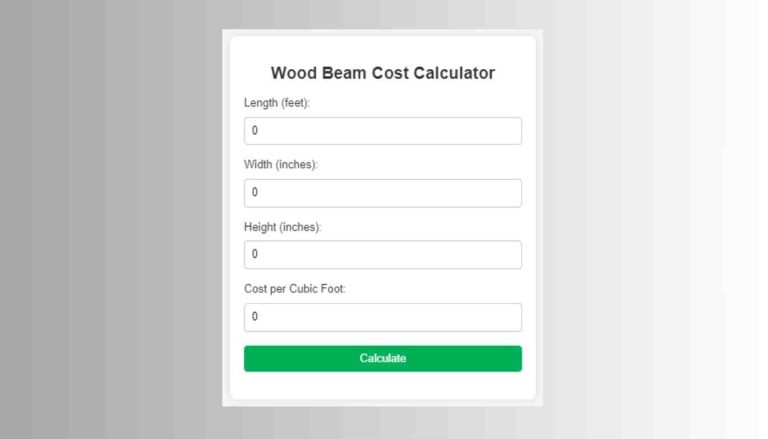
Enter your values below for an instant result, then see the formula, worked example, and common mistakes.
Enter room dimensions, roll width, and waste %, then calculate.
How to Use This Calculator
Measure in feet, including any closets, alcoves, or irregular sections that will also need carpet — for non-rectangular rooms, break the space into rectangles and sum the areas.
US broadloom carpet is manufactured in standard roll widths, most commonly 12 feet, with 13.5 ft and 15 ft also available from some manufacturers — your roll width affects how efficiently your room’s shape fits without seams or excess waste.
The Carpet and Rug Institute’s CRI 104 Installation Standard recommends a minimum 10% overage for simple rectangular rooms to account for seams, pattern matching, and trimming. Rooms with closets, bay windows, angles, or a patterned carpet often need 15-20% or more.
The calculator shows room area in both square feet and square yards (the standard carpet sales unit), your overage-adjusted purchase quantity, and an estimated roll length needed based on your chosen roll width.
Formula
Purchase Quantity (sq yd) = (Room Length x Room Width / 9) x (1 + Waste % / 100). Carpet is conventionally sold and priced by the square yard (9 square feet) rather than the square foot. Roll length needed (running feet) = Room Area with waste (sq ft) / Roll Width (ft), representing how many linear feet of the roll you would need to cut to cover the room, assuming the roll width fits the room dimension efficiently.
Reference Table: Standard Carpet Roll Widths and Recommended Overage
| Item | Standard Value |
|---|---|
| Most common US roll width | 12 ft |
| Other available roll widths | 13.5 ft, 15 ft |
| Minimum recommended overage (CRI 104) | 10% (simple rectangular rooms) |
| Rooms with closets/angles | 15-20% overage |
| Patterned carpet (repeat matching) | 10-25%+ additional, depending on repeat size |
| Carpet sales unit | Square yard (9 sq ft) |
Common Mistakes to Avoid
- Ordering the exact calculated square footage with zero overage — seams, pattern matching, and trimming around doorways and closets virtually always require some extra material, so the CRI’s 10% minimum applies even to simple rooms.
- Forgetting that carpet is priced by the square yard, not the square foot — failing to divide by 9 when comparing per-unit prices can lead to significant budgeting errors.
- Not accounting for roll width when a room’s dimension exceeds it — if your room is wider than the roll, a seam is required, which needs additional material for overlap and pattern alignment at the seam.
- Ignoring pattern repeat on patterned carpets — large pattern repeats can add substantially more waste than a solid-color carpet, since each cut section must align with the pattern.
When the Estimate May Be Wrong
This calculator gives a planning-stage estimate. Complex room shapes, multiple rooms with connecting hallways, stairs, pattern-matched carpet, and the specific seam layout your installer chooses can all shift the actual required quantity from this estimate. For an exact order quantity, have your carpet retailer or installer measure on-site and account for your specific room’s cut layout.
FAQs
Is carpet sold by the square foot or square yard?
Carpet is conventionally sold and priced by the square yard (9 square feet) in the US, not by the square foot, so room measurements in square feet need to be divided by 9 for accurate pricing comparisons.
What is the standard width of a carpet roll?
The most common standard broadloom carpet roll width in the US is 12 feet, though 13.5 ft and 15 ft widths are also manufactured and available from many carpet lines.
How much extra carpet should I buy for waste?
The Carpet and Rug Institute’s CRI 104 Installation Standard recommends a minimum 10% overage for simple rectangular rooms; rooms with closets, angles, bay windows, or patterned carpet often need 15-20% or more overage.
Why does room shape affect how much carpet I need?
Carpet comes on fixed-width rolls, so if a room’s dimension exceeds the roll width, a seam is required, which uses more material for overlap and (on patterned carpet) for pattern alignment across the seam — irregular room shapes generally waste more material than simple rectangles.
Sources and Methodology
Standard carpet roll widths (12 ft, 13.5 ft, 15 ft) and the 10% minimum overage recommendation sourced from the Carpet and Rug Institute (CRI) Installation Standard CRI 104, cross-referenced against current flooring-industry waste-factor guidance (2020Flooring, D and G Flooring, FlooringClarity) recommending 10% for simple rooms and 15-20%+ for complex layouts or patterned carpet.
Sponsored / affiliate links. As an Amazon Associate I earn from qualifying purchases. I may earn additional commission from eligible campaigns.