Wood Project Unit Converter (Length, Area, Board Footage)
Wood Project Unit Converter
Seven conversions in one place: feet/inches, three area conversions, one volume conversion, and the woodworking-specific square-footage-to-linear-footage calculator — with a worked example that chains them together.
Quick Answer
Multiply or divide by the exact factor for the unit pair you need, then round only at the end. The seven you’ll use most on a wood or flooring project:
Why This Page Combines Seven Calculators
Wood and flooring projects rarely stay in one unit system. A room might be quoted in square meters by an import supplier, boards are sold by nominal size in inches and priced per linear foot, and a bulk material order might land in cubic yards. Rather than bouncing between seven single-purpose pages, this hub keeps every conversion you’re likely to need for one project — length, area, volume, and board footage — on a single page, plus a worked example showing how they connect in practice.
Length: Feet to Inches
Lumber length is sold in feet, but cutting and joinery happen in inches and fractions of an inch. Use this when you need to move between the two without a mental-math slip.
Enter your values and click calculate.
Formula: Total inches = (feet × 12) + extra inches. This is an exact, defined conversion — 1 foot is precisely 12 inches, with no rounding involved.
Area Conversions
The four area conversions below share one rule that trips up more people than any other on this page: area factors are the square of the matching linear factor, not the linear factor itself. Use these when comparing a metric flooring/carpet quote to a US one, or reconciling a small area (square inches) with the square feet or square yards a supplier actually prices by.
Volume: Cubic Inches to Cubic Yards
Divide cubic inches by 46,656 to get cubic yards, since one cubic yard (36 in × 36 in × 36 in) equals 46,656 cubic inches. Useful for scaling a small calculated volume — sawdust from a project, resin for a pour — up to the cubic yard quantities used for bulk material orders.
Enter your values and click calculate.
Woodworking: Square Footage to Linear Footage
Divide the square footage you need to cover by the board’s actual width (in feet) to get linear feet, then add a waste buffer for trimming and defects. This is the calculator most specific to woodworking on this page — it’s how you go from “how much floor/wall/deck am I covering” to “how many linear feet of boards do I order.”
Enter your values and click calculate.
Nominal vs. Actual Board Widths (Softwood Dimension Lumber)
| Nominal size | Actual width |
|---|---|
| 1×4 | 3.5 in |
| 1×6 | 5.5 in |
| 1×8 | 7.25 in |
| 1×10 | 9.25 in |
| 1×12 | 11.25 in |
A nominal 1×6 board is actually 5.5 inches wide after milling, not a full 6 inches. Using the nominal width instead of the actual dressed width is the single most common way this estimate goes wrong — it under-orders material by 5-10% or more.
Real Project Walkthrough: Chaining the Conversions
The calculators above are most useful when you run a project’s numbers through more than one of them. Here’s the exact chain for a common situation: a room spec that arrives in square meters, but flooring boards that are sold in the US by actual width in inches and priced per linear foot.
Example: an 18 m² room — a spec you might get from a metric floor plan or an imported material’s coverage sheet.
18 m² × 10.7639 = about 193.75 sq ft.
Say you’re installing a nominal 1×6 (actually 5.5 in wide) tongue-and-groove floorboard.
193.75 sq ft ÷ (5.5 ÷ 12) = about 422.7 linear feet before waste. With a 10% waste buffer for trim and defect culls, order about 465.0 linear feet.
Common Mistakes Across These Conversions
- Using the linear yard-to-meter factor (0.9144) instead of the area factor (0.836127) for square yards — area factors are the linear factor squared.
- Confusing square yards, square feet, square inches, and square meters before converting (9 sq ft = 1 sq yd; 144 sq in = 1 sq ft).
- Using nominal lumber width (a “1×6” is really 5.5 in) instead of actual dressed width when calculating linear footage — this alone can under-order by 5-10%.
- Forgetting that tongue-and-groove or shiplap boards have a narrower effective coverage width than their full board width, because part of each board overlaps its neighbor.
- Skipping a waste buffer for trim ends, angled cuts, and defect culls — 10% is typical, more for lower-grade lumber.
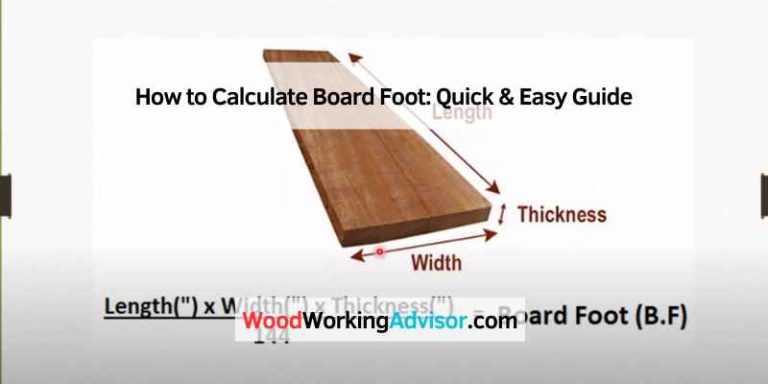
- Mixing up board feet (a volume measurement used for pricing rough lumber) with linear feet (a length measurement used for ordering finished boards).
- Rounding too aggressively at each step of a multi-step conversion chain instead of only at the final answer, which compounds error on large commercial-scale orders.
Quick Reference: All Seven Conversion Factors
| Conversion | Factor | Type |
|---|---|---|
| Feet → Inches | × 12 | Exact, defined |
| Square yards → Square meters | × 0.836127 | Area (linear factor squared) |
| Square meters → Square feet | × 10.7639 | Area |
| Square inches → Square feet | ÷ 144 | Area, exact |
| Square meters → Acres | ÷ 4,046.8564224 | Area, exact (international acre) |
| Cubic inches → Cubic yards | ÷ 46,656 | Volume, exact (36³) |
| Square footage → Linear footage | ÷ board width in feet | Woodworking-specific, plus waste buffer |
When These Estimates May Be Off
The length, area, and volume conversions above are exact unit math — any mismatch against a supplier’s own converted number almost always comes from their rounding convention, not an error in the formula. The board-footage calculator is the one exception: if your boards have a tongue-and-groove or shiplap edge, the true coverage width is less than the full board width because of the overlap, so check the manufacturer’s stated coverage width rather than the raw board width for those products.
FAQs
How many square meters are in a square yard?
One square yard equals about 0.836127 square meters.
How many square feet is 1 square meter?
1 square meter equals about 10.7639 square feet.
How many square inches are in a square foot?
There are exactly 144 square inches in 1 square foot (12 × 12 = 144).
How many square meters are in an acre?
1 acre equals exactly 4,046.8564224 square meters, the international acre definition.
How many inches are in a foot?
There are exactly 12 inches in 1 foot — an exact, defined conversion, not an approximation.
Why is the cubic-inch-to-cubic-yard factor 46,656?
Because one yard is 36 inches, and 36 × 36 × 36 = 46,656 cubic inches in one cubic yard.
How do I convert square footage to linear footage for flooring or paneling?
Divide the square footage you need to cover by the board’s actual (not nominal) width in feet, then add a waste buffer for trim and defect culls — typically 10%.
What is the actual width of a nominal 1×6 board?
A nominal 1×6 board is actually 5.5 inches wide after milling, not a full 6 inches. The same gap applies to other nominal sizes — see the reference table above.
Can I chain these calculators together for one project?
Yes — that’s the point of combining them on one page. A common chain is converting a metric room area to square feet, then feeding that square footage into the board-footage calculator to get an order quantity in linear feet. See the worked walkthrough above for the full example.
Sources and Methodology
All factors on this page are exact, defined unit conversions: 1 foot = 12 inches by definition; 1 yard = 0.9144 meters by international agreement, giving 0.836127 as the squared area factor; 1 international acre = 4,046.8564224 square meters by definition; and 1 cubic yard = 46,656 cubic inches (36 in per side, cubed). None of these involve approximation beyond standard decimal rounding for display. The board-footage formula (square feet ÷ board width in feet, plus a waste percentage) reflects standard estimating practice for ordering dimension lumber and flooring by linear foot.
Once you have your dimensions converted, see our guide on how to calculate board feet for a project.
Sponsored / affiliate links. As an Amazon Associate I earn from qualifying purchases. I may earn additional commission from eligible campaigns.