Chain Link vs Wood Fence: Cost, Lifespan & Privacy (2026)
Chain link runs $7–$12 per linear foot in materials and installs for $2,000–$8,000 on a typical 200-foot lot line — wood runs $8–$18 per foot and $3,000–$10,000 installed, but it’s the only one of the two that actually blocks a neighbor’s view. Skip wood if you can’t commit to restaining every 2–3 years; skip bare chain link if privacy matters more than price. This guide breaks down installed cost, real lifespan, annual upkeep, and how to add privacy to chain link without tearing it out.
Chain Link vs Wood Fence: Cost, Lifespan & Upkeep at a Glance
Best Chain Link Privacy Slat Pick
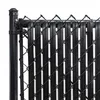
Fenpro Privacy Fence Slats, Chain-Link Bottom Lock, Black, 6ft x 10ft
Bottom-locking slats that weave through existing chain link mesh to close most of the sightlines without replacing the fence.
- Best for: Adding privacy to an existing chain link run without a full fence replacement
- Why we picked it: Bottom locking channel keeps slats from working loose in wind, unlike slide-in-only designs
- Main drawback: Covers 10 linear ft per box, so a full yard needs several boxes
Compare more chain link privacy options
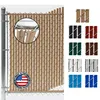 Option 1 FenceSource Wave Slat, 4 ft
|
 Option 2 Qlvily Privacy Tape, 2 Rolls
|
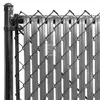 Option 3 Fenpro Slats, Gray, 8ft x 10ft
|
As an Amazon Associate we earn from qualifying purchases.
Most comparisons show you cost or lifespan or maintenance separately. Folded into one table, the real cost-per-year-of-ownership gap between the two is smaller than the sticker price suggests — wood’s extra install cost is partly offset by chain link’s ongoing upkeep, but chain link still wins on total cost over 20 years.
| Factor | Chain Link | Wood | Winner |
|---|---|---|---|
| Material cost / linear ft | $7–$12 | $8–$18 | Chain link |
| Installed, 200 ft / 6 ft tall | $2,000–$8,000 | $3,000–$10,000 | Chain link |
| Typical lifespan | 20–30 years | 15–20 years | Chain link |
| Annual upkeep cost | ~$0–$50 (occasional tension fix) | $150–$400 (restain every 2–3 yrs) | Chain link |
| Privacy | Low (slats add partial) | High | Wood |
| Curb appeal / resale | Neutral | Positive in most markets | Wood |
📊 National installed-cost averages, 2026 — figures reflect current U.S. contractor pricing for standard 6-ft residential fencing; local material costs and labor rates can shift these ranges by 15–20%.
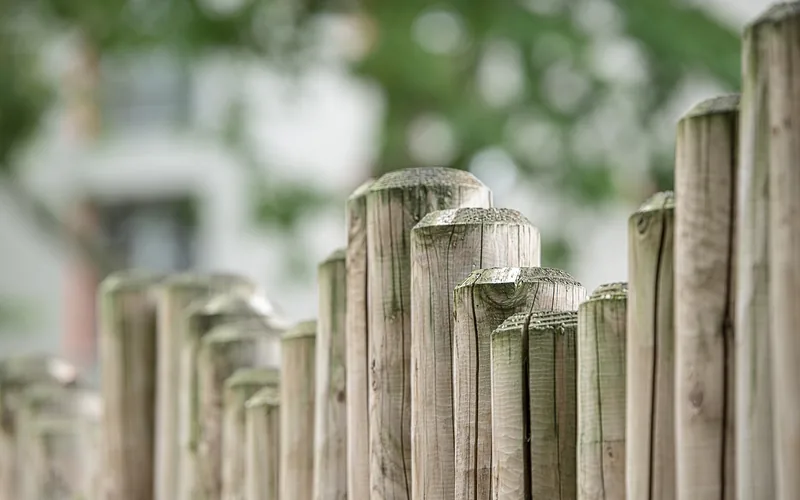
Material Durability and Lifespan
Chain link is galvanized (or vinyl-coated) steel, so rust and corrosion aren’t a real concern for the first 15–20 years even in wet climates. Its open weave also lets wind pass through instead of loading up the fence line, which matters in storm-prone areas. Wood’s weak point is moisture: without a sealed finish, boards start warping, splitting, or rotting within a few seasons.
Wood species changes this math significantly. Cedar and redwood resist rot naturally and can approach 20 years with upkeep; untreated pine or spruce often needs board replacement by year 8–10. If you’re set on wood, cedar’s pros and cons is worth reading before you buy lumber.
Which Climate Favors Which Fence
Coastal and high-humidity regions push wood toward the low end of its lifespan (10–15 years) unless it’s cedar or pressure-treated and resealed on schedule. Freeze-thaw regions are harder on both post types — frost heave can shift concrete footings for chain link posts and wood posts alike, so post depth below the frost line matters more than the fence material itself.
Maintenance Requirements and Long-Term Costs
Chain link maintenance is close to zero: hose it off, tighten a loose tension bar occasionally, and that’s it. Wood needs a real maintenance schedule — restaining or resealing every 2–3 years (roughly $150–$400 in materials for a 150–200 ft run if you DIY it, more if you hire it out), plus periodic board and post repairs as the wood ages.
Skipping wood’s resealing schedule doesn’t just shorten its life — it front-loads the damage. A board that goes 4–5 years unsealed in a wet climate can warp or split enough to need replacing individually, which costs more per board than a routine reseal would have. If a section is already showing that kind of damage, repairing a rotted post without replacing the whole run is usually cheaper than full replacement.
Design, Privacy, and Customization Options
Chain link has an industrial, see-through look — common on commercial lots, sports courts, and anywhere visibility matters more than screening. It can be powder-coated or painted, but it won’t pass for a decorative fence. Wood covers a much wider range: picket, privacy panel, lattice-top, board-on-board, and more, and it can be stained, painted, or left natural. For a side-by-side of the common styles, see this wood fence design comparison.
| Customization | Chain Link | Wood |
|---|---|---|
| Color options | Painted or powder-coated | Stained or painted, any color |
| Add-on privacy | Slats or privacy tape | N/A — already private |
| Height variation | Fixed per section | Custom heights per section |
| Decorative elements | None | Post caps, lattice, carved panels |
On raw privacy, chain link with slats still isn’t equivalent to a solid wood privacy fence — slats close most of the gaps but leave narrow sightlines at the seams. If full privacy is the deciding factor, wood or a wood-topped hybrid wins outright.
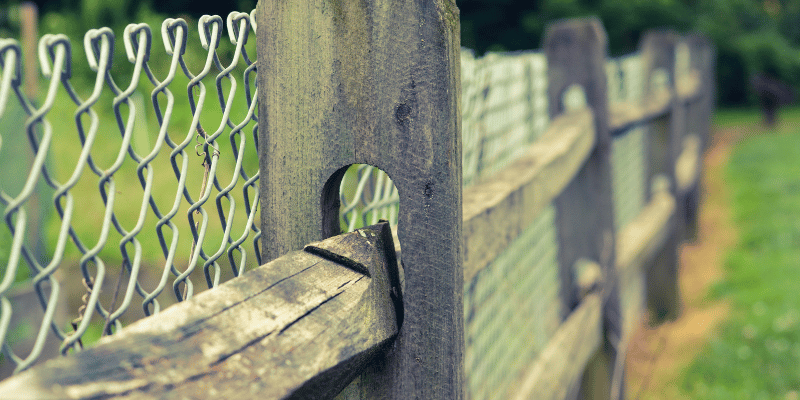
How to Add Privacy to an Existing Chain Link Fence
If your chain link fence is otherwise sound and the only problem is a lack of privacy, slats or privacy tape solve that for a fraction of a full wood replacement.
- Measure the run: Get the total linear footage and fence height so you buy the right slat height and enough boxes to cover it.
- Pick a material rated for your climate: Rigid PVC slats hold up better in high-wind areas than privacy tape, which can loosen over a season or two.
- Weave from the bottom up: Thread slats through the diamond mesh one row at a time, working bottom to top so gravity helps keep tension even.
- Lock the bottom row: Use the bottom locking channel or clips to stop the lowest slats from being pulled out or kicked loose.
- Trim and check for gaps: Cut excess slat length at the top rail and walk the full run to close any sightline gaps at the seams.
Security and Durability
Chain link’s galvanized steel resists rust and its open weave sheds wind load, which is why it holds up well in storms and high-moisture climates. It’s also easy to repair — a damaged section unbolts and swaps out without touching the rest of the run. Wood adds a physical visual barrier that’s harder to see through or climb discreetly, but it’s more vulnerable to termites, rot, and impact damage, and repairs usually mean replacing individual boards rather than a quick swap.
For pure containment (keeping a dog in, keeping foot traffic off a work site), chain link’s visibility is actually an asset — you can see the whole perimeter at a glance. For deterring a casual trespasser or blocking a direct line of sight into the yard, solid wood does more work.
Environmental Impact and Sustainability
Chain link’s galvanized steel has a smaller manufacturing footprint than milled lumber and is highly recyclable at end of life. Wood’s footprint depends heavily on sourcing — sustainably harvested or reclaimed wood is far lower-impact than lumber from unmanaged forestry, and pressure-treated wood specifically complicates recycling because of the chemical treatment.
| Chain Link | Wood | |
|---|---|---|
| Recyclability | High | Variable — depends on treatment |
| Manufacturing impact | Lower | Depends on sourcing |
| Repurposing potential | Flexible (scrap steel) | Good if untreated/reclaimed |
If sustainability is a priority either way, look for FSC-certified lumber for a wood fence, and ask whether the wood scraps from the job can be recycled rather than landfilled.
Installation Difficulty
Chain link ships in rolls or prefab panels, so once posts are set in concrete, the mesh goes up fast and doesn’t require much skill. Wood is built on-site board by board — digging post holes, setting and leveling posts, then attaching rails and pickets one at a time. Getting post spacing and wind-load right matters more for wood, since a poorly spaced run is more likely to rack or lean over time than chain link’s continuous mesh tension.
Picket style and spacing also affect both labor time and final cost — if you’re still deciding on a look, picket sizes, styles, and spacing options are worth comparing before you order lumber.
Can You Put a Wood Fence Over an Existing Chain Link Fence?
Yes — this is a common upgrade path, not a full teardown. Wood panels or pickets can be attached directly to a chain link fence’s existing posts and top rail, as long as the posts are still structurally sound and set deep enough to handle the added wind load of a solid wood surface (a mesh fence sheds wind; a solid wood face doesn’t). It’s usually cheaper than removing the chain link and starting from bare posts, and it converts a low-privacy fence into a full-privacy one without a new footing job.
The trade-off: post spacing designed for lightweight mesh may be too wide for wood panels, which need closer support to avoid sagging. Before committing, check actual post spacing against wood panel span limits rather than assuming the existing layout will work as-is.
Frequently Asked Questions
What is better, chain link or wood fence?
Chain link is better for budget, low maintenance, and lifespan — it typically costs less installed and lasts 20–30 years with almost no upkeep. Wood is better for privacy, aesthetics, and resale appeal. There’s no universal winner; the right choice depends on whether privacy or long-term cost matters more for your property.
What are the disadvantages of a chain link fence?
Chain link offers minimal privacy due to its open mesh design, provides little sound insulation, and can be cut or climbed more easily than a solid wood fence. Its appearance also reads as industrial rather than decorative, which doesn’t suit every property style.
What is cheaper than a chain link fence?
Vinyl-coated welded wire fencing and basic post-and-wire agricultural fencing typically undercut chain link on material cost, though they trade off durability and finished appearance. For most residential properties, chain link remains one of the cheapest fully-fenced options available.
What is the cheapest fence to install?
Chain link is generally the cheapest fence to install for a full property perimeter, thanks to prefab rolls, quick installation, and lower material costs than wood, vinyl, or composite options.
How long does a chain link fence last compared to wood?
A well-installed chain link fence typically lasts 20–30 years with minimal upkeep. Wood, even with regular resealing, generally lasts 15–20 years — less for untreated softwoods in wet climates, more for cedar or pressure-treated lumber maintained on schedule.
Does a wood fence add more resale value than chain link?
In most markets, yes. Wood fencing is generally viewed as a curb-appeal upgrade that buyers factor positively into a home’s presentation, while chain link is typically seen as purely functional and doesn’t carry the same perceived value. The gap narrows for backyard-only fencing that buyers won’t see from the street.
Chain link wins on cost, lifespan, and maintenance; wood wins on privacy, looks, and resale appeal. If your fence just needs privacy and the chain link itself is still solid, slats or a wood overlay get you most of wood’s benefit without a full replacement.
Sponsored / affiliate links. As an Amazon Associate I earn from qualifying purchases. I may earn additional commission from eligible campaigns.