Chainsaw Holder for Truck: 4 Real Mounts and a Common Mistake
A chainsaw holder for a truck falls into one of four real designs: a bed-rail or stake-pocket rack, a tailgate/hitch scabbard, a landscape-trailer style multi-rack, or an in-cab wall mount. Which one fits your truck matters less than what actually touches the guide bar once the saw is locked down – bare steel brackets are the single most common reason a “securely mounted” chainsaw shows up dull at the next job site.
Below is a real comparison of the four mount types, the one buyable rack we’d actually put in a truck bed, the installation steps for a no-drill stake-pocket setup, and the chain-dulling mistake that almost every other guide on this topic skips entirely.
How to Choose the Right Chainsaw Holder for Your Truck
Best Bed & Trailer Chainsaw Rack
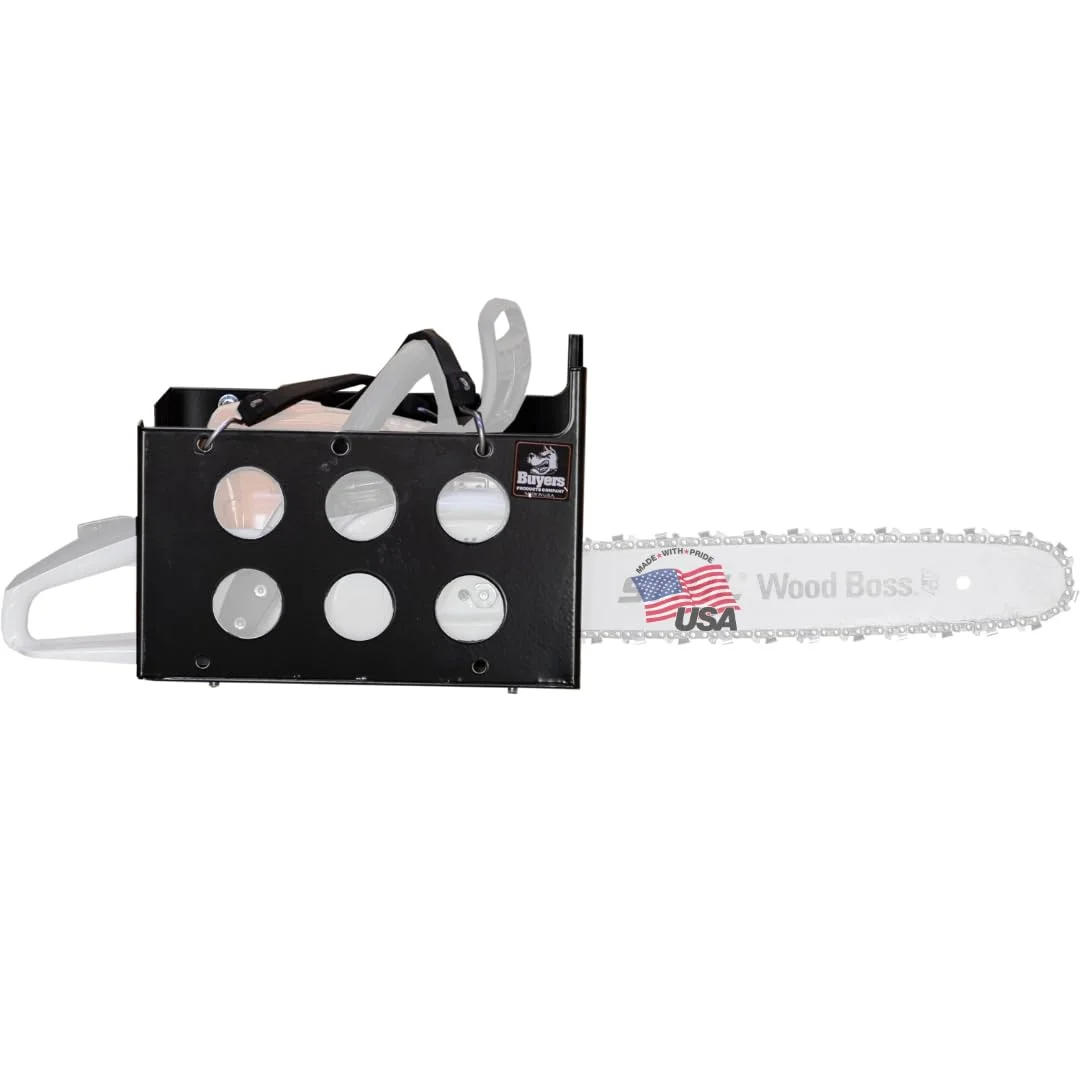 |
Buyers Products LT15 Multi-Rack Organizer – $83.18 A steel multi-rack built for landscape trailers and pickup beds that holds a chainsaw plus a trimmer or blower with individual rubber straps, so the chain never rests on bare metal.
|
Start with what’s already on your truck. A bed with existing stake pockets or a bed-rail accessory channel (common on newer Ford, Ram, and GMC trucks) can take a rack that bolts to that hardware with no drilling. A bare, unmodified bed – older trucks or work trucks that came stripped – usually means either a trailer-style multi-rack that clamps to the bed rail lip, or a scabbard that mounts to the tailgate hinge or hitch receiver instead.
The 4 Real Mounting Options
Bed-Rail or Stake-Pocket Rack
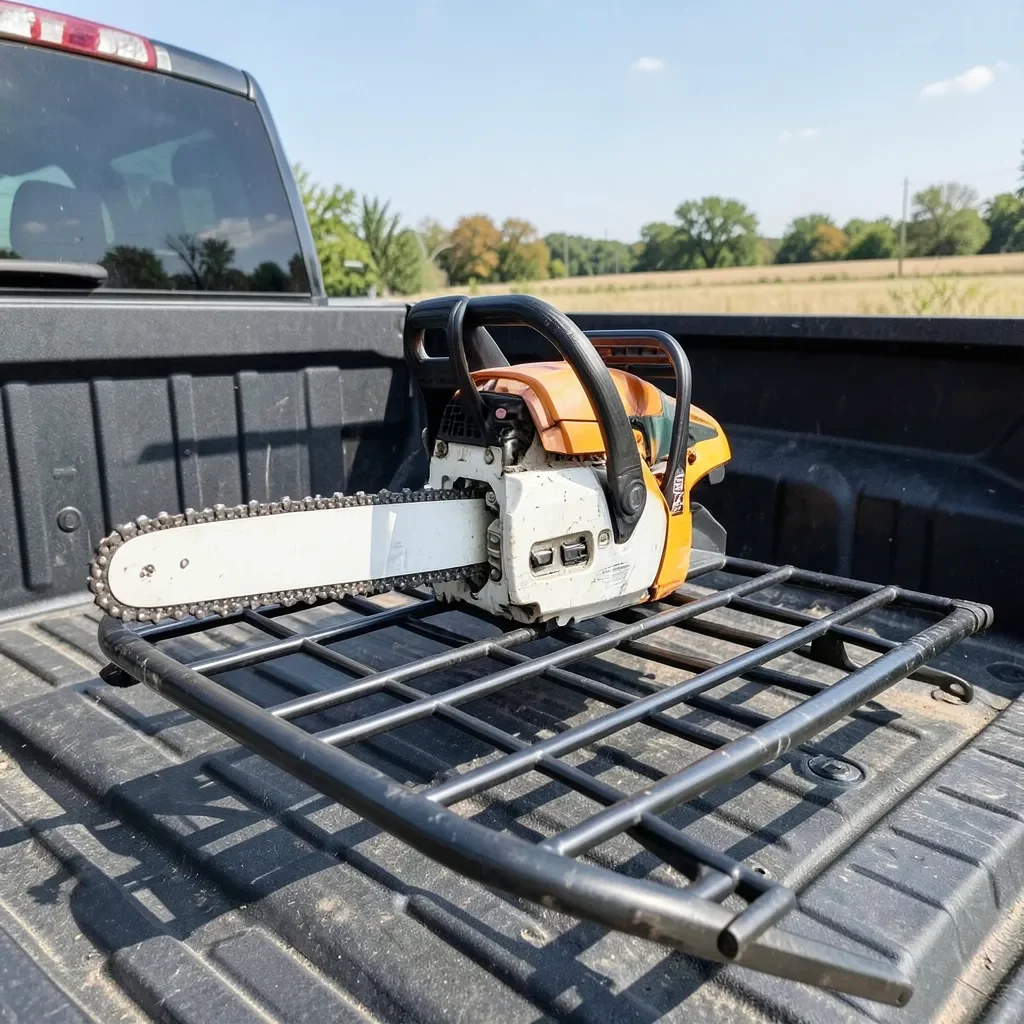
This is the style most work trucks use. A steel bracket bolts into the bed’s existing stake pockets or accessory rail, and the saw sits in a cradle held by a rubber strap. No drilling is needed if your bed already has the pockets or rail channel, and the saw stays low and out of the way of other cargo. The tradeoff is that it only works if your bed has that hardware to begin with – a plain steel bed with no rail system needs a different approach.
Tailgate or Hitch Scabbard
A scabbard is a long, open-bottomed sleeve, usually rotomolded plastic, that the guide bar slides into. It mounts to the tailgate hinge area or a hitch-receiver adapter, which keeps the whole saw outside the bed and away from other tools. This is the fastest to load and unload one-handed, and it’s the format most commonly seen on tractors and UTVs adapted for trucks. It does leave the saw more exposed to road grime and to anyone walking past the tailgate, so it’s a better fit for a work truck than a daily driver you park in public lots.
Landscape-Trailer Style Multi-Rack
Originally built for open landscape trailers, these multi-racks bolt to a flat rail or the bed’s side wall and hold a chainsaw plus a trimmer or blower in individual rubber-strap slots. They’re the most versatile option if you’re already hauling other power equipment, since one rack organizes several tools instead of just the saw. They’re also the heaviest and most visible option, which matters if you want to keep the bed looking uncluttered when the saw isn’t in it.
In-Cab or Toolbox Wall Mount
For crew-cab trucks or trucks with a bed toolbox, a wall-mount bracket keeps the chainsaw off the bed floor entirely, either behind the back seat or on the inside wall of a toolbox. This keeps the saw dry and out of the weather, which a bed-mounted rack can’t do unless the bed is covered. The catch is size – a wall mount only works if you actually have that flat vertical space, and bar length is limited by the available wall height.
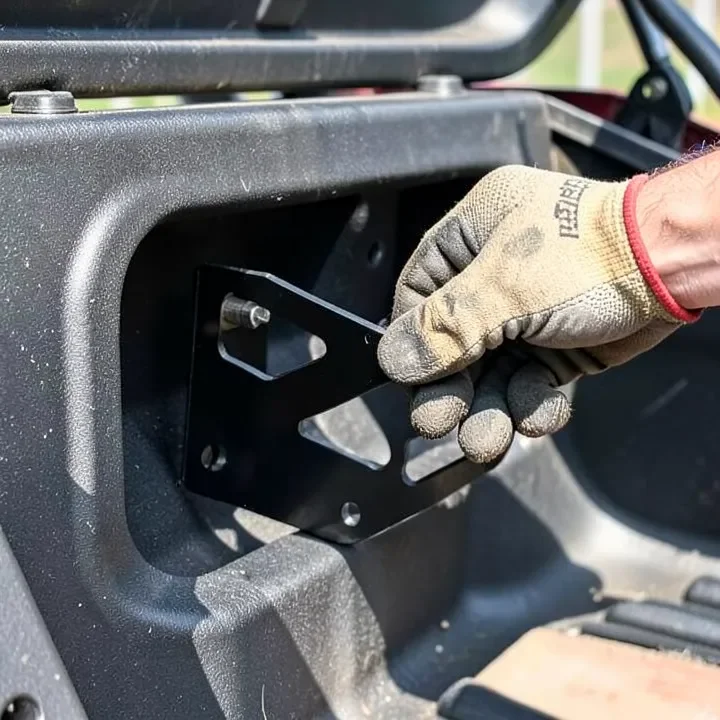
The Chain-Dulling Mistake Almost Every Guide Skips
Every holder on the market claims to be “heavy-duty steel,” and that’s exactly the problem if the steel is what your bar and chain actually rest against. A drive chain is hardened, but its cutting edges are thin and get their edge from a sharpening file, not from surviving impact with another piece of metal. Every time the truck hits a pothole or takes a hard turn, a bare-metal bracket lets the bar bounce against steel, and that repeated metal-on-metal contact rounds off the cutting teeth faster than normal use does.
The fix is simple and it’s the one spec worth checking before you buy: make sure the point of contact is rubber, HDPE plastic, or a foam-lined channel, not exposed steel. A rack advertised as an all-steel scabbard with no liner is a rack that will need the chain touched up with a file within a few dozen trips, even though the saw never left the holder. If you already own a steel-only rack, a cheap fix is a strip of old inner tube or a foam pipe-insulation sleeve zip-tied over the contact rail – it costs a few dollars and does the same job as a “premium” lined model.
How to Install a Bed-Rail Holder Without Drilling
If your truck already has stake pockets or a factory accessory rail, you can mount most bed-rail racks without putting a single new hole in the bed. Here’s the process:
- Confirm your stake pocket dimensions or rail channel width against the rack’s spec sheet before ordering – this is the step people skip, and it’s the reason “universal” racks sometimes don’t actually fit.
- Slide the rack’s mounting bolts or clamp plate into the stake pocket or rail channel from above, rather than trying to thread them in from below.
- Hand-tighten first, then check that the rack sits level and doesn’t rock, before torquing the hardware down fully.
- Torque the mounting bolts to the manufacturer’s spec, not just “as tight as it’ll go” – overtightening a stake-pocket clamp can crack the plastic pocket liner on newer trucks.
- Load the saw bar-first with the chain brake engaged, and check that the rubber strap or ratchet compresses the bar against the lined contact point, not against the guide bar’s exposed rail edge.
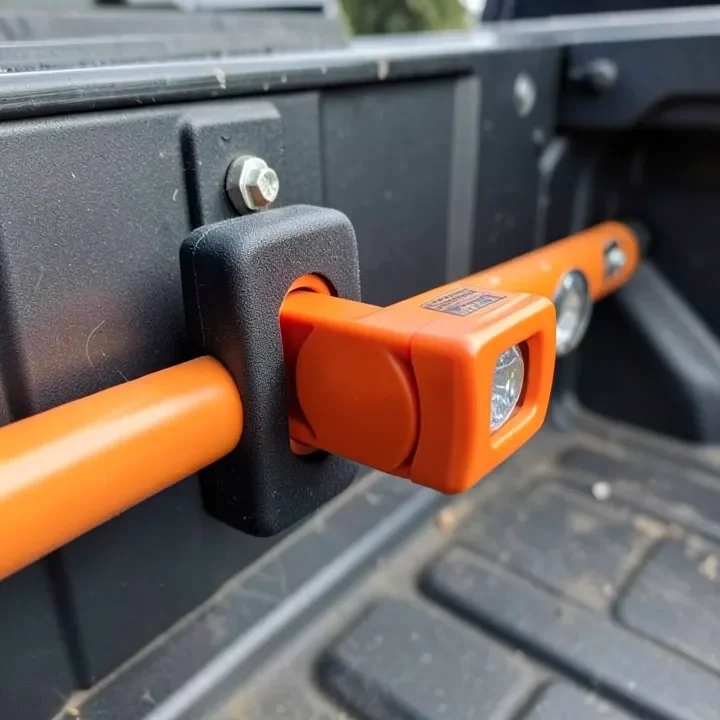
Maintaining a Chainsaw Holder
A holder that lives in a truck bed sees road salt, rain, and vibration, so a quick check every few months keeps it from failing when you actually need it. Look at the mounting bolts first – vibration backs out hardware over time, and a loose rack is a rattling rack. Wipe down the rubber strap or liner and check it for cracking; UV exposure dries out rubber faster than most people expect, and a cracked strap is the part most likely to let go on a rough road. A light coat of dielectric grease or silicone spray on any pivoting latch keeps it from seizing, and a quick rinse after winter driving clears out the road salt that causes surface rust on unlined steel brackets.
Frequently Asked Questions
What is a chainsaw holder for a truck?
A chainsaw holder for a truck is a bracket, scabbard, or rack that secures a chainsaw in place during transport, usually mounted to the bed rail, stake pockets, tailgate, hitch, or an interior wall, so the saw can’t slide, bounce, or fall out while the truck is moving.
Does a steel chainsaw holder damage the chain?
Yes, if the bar or chain rests directly against bare steel. Road vibration causes repeated metal-on-metal contact that dulls the cutting teeth over time. Look for a holder with a rubber, HDPE, or foam-lined contact point, or add a rubber or foam sleeve to an existing steel rack.
Can I install a chainsaw holder without drilling into my truck bed?
Yes, if your truck bed already has stake pockets or a factory accessory rail. A rack that clamps into that existing hardware needs no new holes. A bare bed with neither feature typically requires either drilling or a trailer-style rack that clamps to the bed rail lip instead of bolting through the floor.
Which chainsaw holder mount is best for a work truck?
A bed-rail or stake-pocket rack is usually the best fit for a work truck because it keeps the saw low, out of the way of other cargo, and doesn’t require drilling if the bed already has the mounting hardware. A landscape-trailer style multi-rack is worth it instead if you’re also hauling a trimmer or blower and want one rack for all three.
Looking for specific mount models to compare side by side rather than the mounting styles themselves? Our chainsaw mount for truck guide breaks down individual buyable racks and their load ratings.
Sponsored / affiliate links. As an Amazon Associate I earn from qualifying purchases. I may earn additional commission from eligible campaigns.