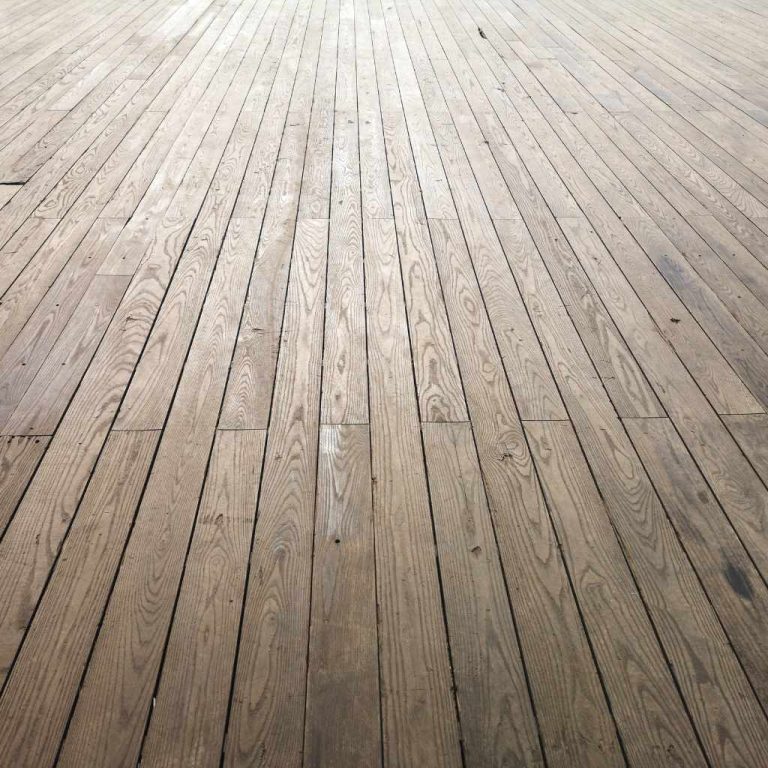
Checkered Hardwood Floor: Wood Inlay vs. Painted Checkerboard
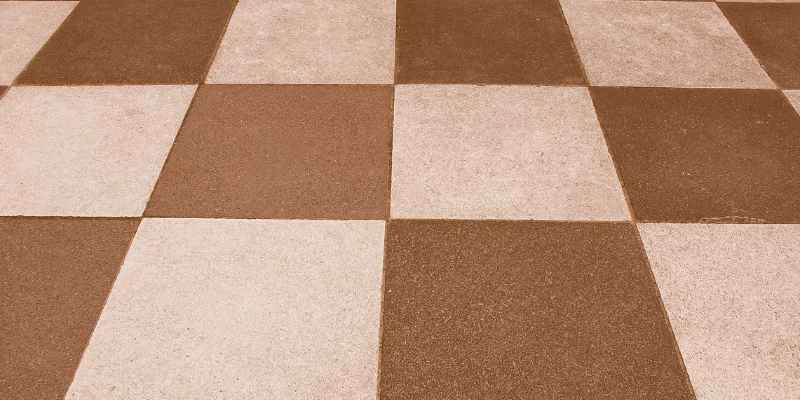
A checkered hardwood floor gets its checkerboard look either from a wood inlay of two contrasting species (like light oak and dark walnut) or from painting a stain-grade floor in two alternating colors — painting costs far less but a true wood inlay never needs repainting. Keeping every square exactly the same size is the hard part; a laser level or chalk line saves the layout from drifting out of square by the far wall. This guide covers both methods, the tools that keep the grid accurate, and how to maintain the finished floor.
Two Ways to Get the Checkerboard Look
Best Layout Tool for a Straight Checkerboard Grid
 |
PREXISO Square Laser Flooring Level (30 ft) – see current price on Amazon This guide’s biggest install challenge is keeping every square exactly the same size across the whole room – a square laser projects a true 90-degree grid line so the pattern doesn’t drift by the far wall.
|
| Method | Cost | Durability | Best for |
|---|---|---|---|
| Wood inlay (two species, e.g. oak & walnut) | Highest | Permanent — color is in the wood itself | New installs, high-end renovations |
| Pre-finished checkered planks | Mid | High, factory finish | New installs without custom milling |
| Painted checkerboard (existing floor) | Lowest | Needs a fresh coat every few years | Updating worn floors on a budget |
Checkerboard floors date back to Masonic lodge “mosaic pavement” flooring and became widely popular in 1920s homes; the black-and-white grid pattern has cycled back into modern kitchens, entryways, and bathrooms as a retro-but-current design choice.

Materials and Tools You’ll Need
- Hardwood: oak, maple, or cherry for an inlay, or your existing floor species for painting.
- Paint or stain: water-resistant, floor-rated product in your two chosen colors.
- Measuring tape and a laser level or chalk line: for laying out equal squares that stay square across the whole room, not just the first few feet.
- Painter’s tape: to mask each square for a crisp, bleed-free edge.
- Paint roller, brushes, and protective gear: goggles, gloves, and a respirator mask for sanding and finishing.
📊 Checkerboard and basketweave hardwood layouts are deceptively hard to install because the grid has to stay perfectly straight from the first square to the last — a 1/8″ drift at the start compounds into a visibly crooked line by the far wall. Source: Stefana Silber, checkerboard floor design guide
Painting a Checkerboard Pattern: Step by Step
- Clear and clean the room, then sand and vacuum the floor so paint has a clean surface to grip.
- Mark the grid: find the center of the room and snap chalk lines (or use a laser level) to lay out equal squares.
- Paint the base color across the whole floor and let it dry fully.
- Tape off every other square diagonally across the grid using wide painter’s tape.
- Paint the second color in two thin coats over the taped squares, then pull the tape while the final coat is still slightly wet to avoid peeling the edge.
- Seal the floor with a clear, high-gloss or satin polyurethane once both colors are fully cured.
Finishing, Maintenance, and Styling
A clear polyurethane finish protects a checkered hardwood floor from everyday scratches, stains, and discoloration. Sweep or vacuum regularly, wipe up spills immediately, and use a cleaner formulated for hardwood rather than harsh or abrasive products.
Pair black-and-white checkerboard floors with muted wall colors for a classic look, or bold walls for more drama. In kitchens, an all-white cabinet run lets the floor carry the visual interest; in bathrooms and entryways, a checkerboard floor reads as timeless rather than trendy, which is part of why the look keeps coming back.
Frequently Asked Questions
What Are Checkered Floors Called?
Checkered floors are sometimes called “mosaic pavement,” a term used for the black-and-white checkerboard flooring traditionally found in Masonic lodges.
Is a Wood Inlay or Painted Checkerboard Floor Better?
A wood inlay using two real species costs more but never needs repainting since the color is in the wood itself. A painted checkerboard costs far less and works well on an existing floor, but the finish will need a fresh coat every few years as it wears.
Are Checkerboard Floors In Style?
Yes. Checkerboard floors were popular in the 1920s and have made a strong comeback in modern kitchens, bathrooms, and entryways as a retro-but-current design choice.
What Is the Most Timeless Hardwood Floor Color?
White-washed wood is often called the most timeless hardwood floor color since it brings light and a neutral base into a room without going out of style the way trend colors do.
Conclusion
A checkered hardwood floor works as a wood inlay, pre-finished planks, or a painted DIY project — the right choice depends on your budget and how permanent you want the look. Whichever method you choose, keeping the grid perfectly square with a laser level or chalk line is what separates a sharp checkerboard floor from a crooked one.
Sponsored / affiliate links. As an Amazon Associate I earn from qualifying purchases. I may earn additional commission from eligible campaigns.
 Senhill Professional Hardwood Flooring Jack Positioning Tool for Laminate Flooring Installation Hard Wood Straight Tile Contractor Hand Tool
 OHPHCALL 1 Set Floor Repair Wax Hardwood Floor Repair Kit Vinyl Floor Repair Kit Floor Scratch Repair Quick Drying Hard Wax Filler Vinyl Floor Scratch Remover Laminate Countertop Repair Kit