Commercial Firewood Splitter: Boost Efficiency & Profits
Are you tired of spending endless hours chopping wood by hand? Imagine a tool that could cut your work time in half, making your tasks simpler and more efficient.
Welcome to the world of commercial firewood splitters. These powerful machines are designed to make your life easier, transforming the daunting chore of splitting logs into a breeze. Whether you’re running a business or simply preparing for a cozy winter, a commercial firewood splitter can be your best ally.
You’ll discover how this tool can revolutionize your wood-splitting experience, save you time, and reduce physical strain. Curious about how it works and which model might suit your needs best? Keep reading, and unlock the secrets to hassle-free firewood preparation.
Credit: www.timberwolfequip.com
Benefits Of Firewood Splitters
Firewood splitterscut logs very fast. This saves a lot of time. You can split many logs in one day. More logs mean more firewoodto sell. This boosts businessand profit.
Using a firewood splitter reduces labor costs. Machines do hard work. Less need for extra workers. Save money on wages. Also, splitters use less fuel. Save on gas costs. This keeps more money in your pocket.
Manual splitting is dangerous. Risk of injury is high. Splitters are safer. They reduce chances of accidents. Protect workers from harm. Safety is very important. Happy workers work better.
Types Of Firewood Splitters
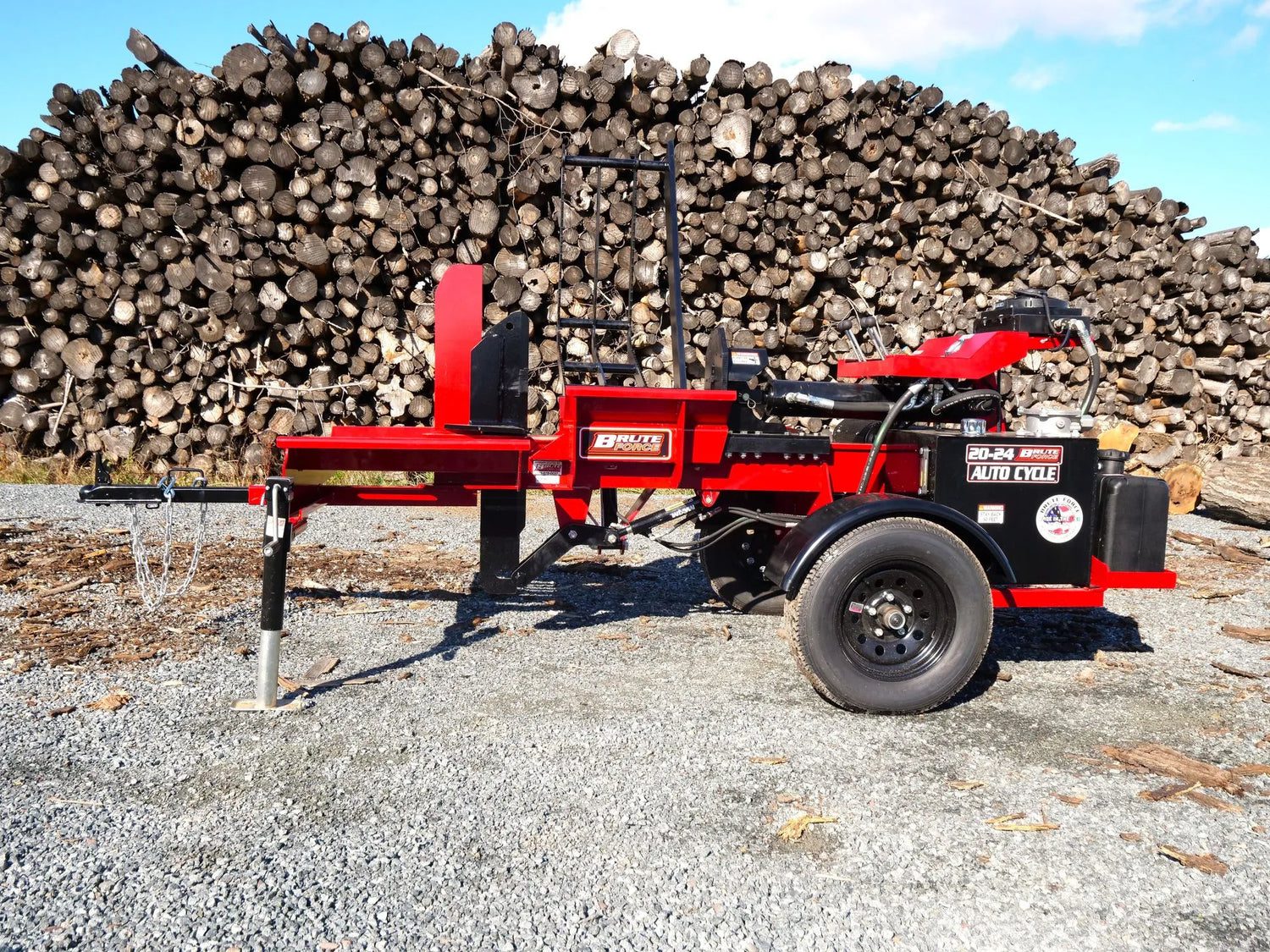
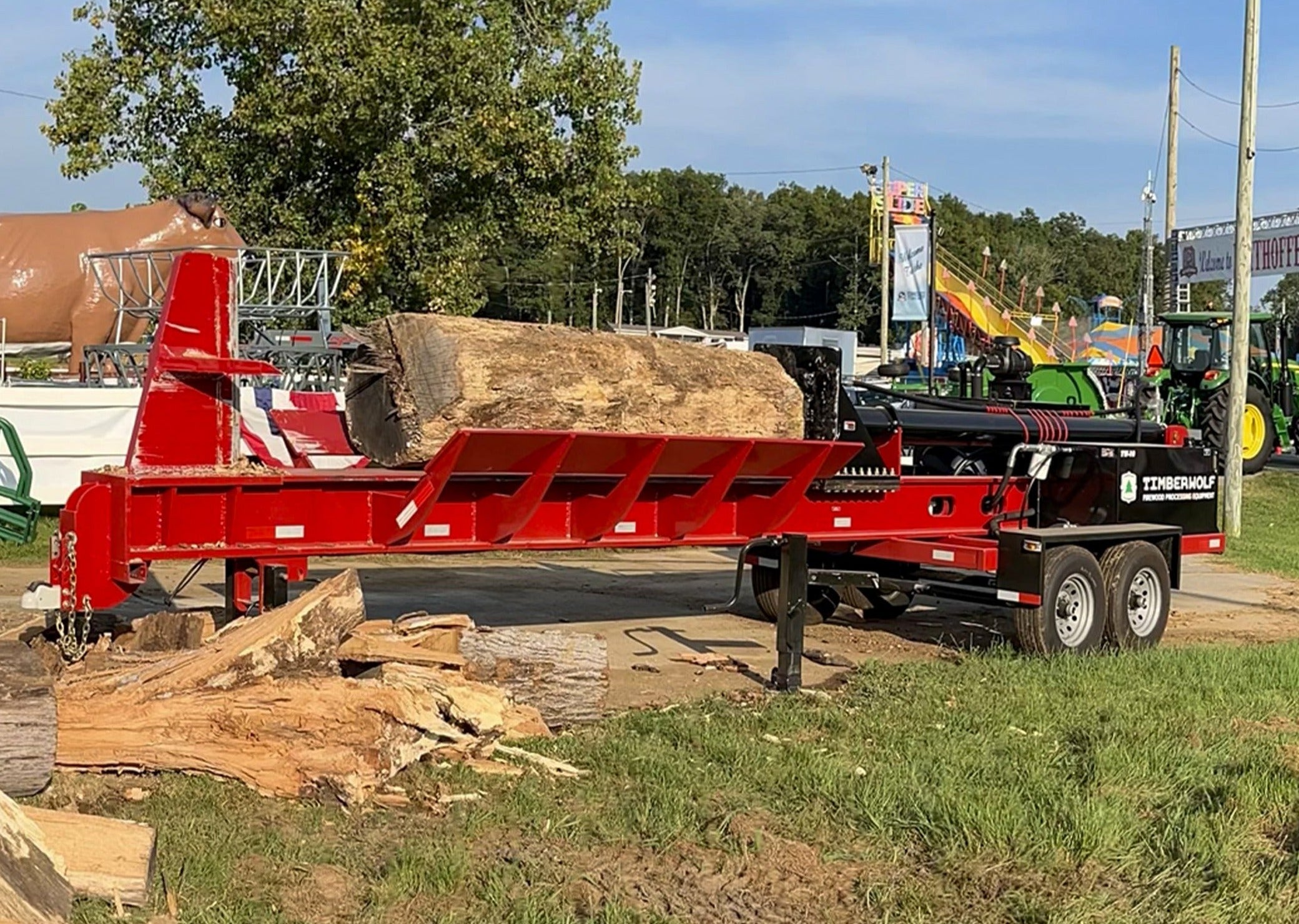
Hydraulic splitters use fluid power to cut wood. This makes them very strong. They can split large logs easily. Hydraulic power gives them great force. Most have a lever to control the split. These splitters are used in big jobs. They need regular maintenance.
Electric splitters use electricity to work. They are quiet and easy to use. Electric splitters are good for small jobs. They are less powerful than hydraulic ones. You just need an electric outlet. No gas or oil needed. They are perfect for home use.
Gas-powered splitters are very strong. They use gas engines to split wood. These are best for heavy-duty tasks. They can be used anywhere. No need for electricity. Gas-powered splitters are great for remote areas. They need fuel and regular checks.
Manual splitters need human strength. They are simple and cheap. Manual splitters do not use fuel or electricity. They are good for small tasks. You need to work hard to split wood. They are easy to store and move. Perfect for small spaces.
Features To Consider
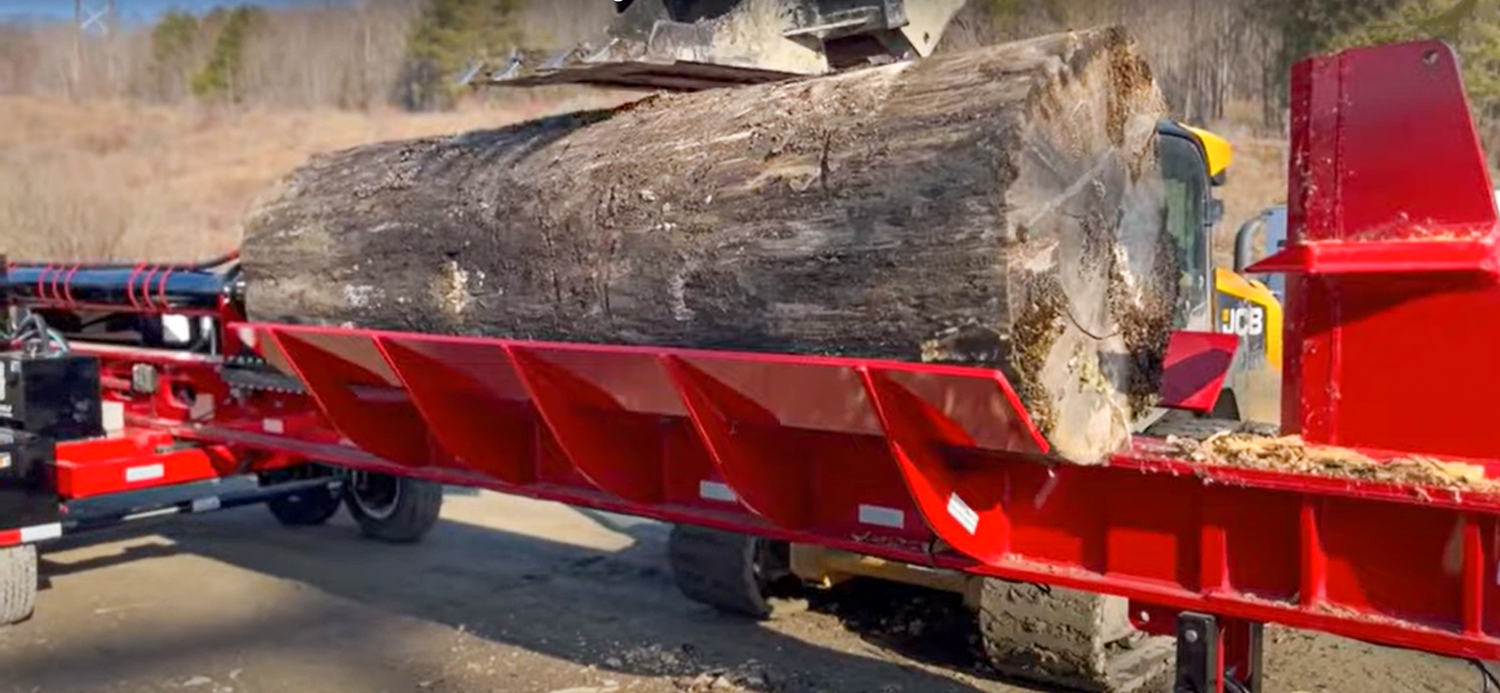
A strong splitting forcehelps break tough wood. Look for machines with more power. More force means splitting big logs easily.
Faster cycle timemeans quick work. It helps save time. Shorter cycles split more logs in less time.
Portabilityis key if moving the splitter often. Lightweight splitters are easier to move. Wheels can help too.
Durabilityensures the splitter lasts long. Strong materials handle heavy use. A durable splitter is a good investment.

Credit: built-rite.com
Choosing The Right Splitter
Identify what wood types you will split. Consider the amount of wood you need. Large logs need a strong splitter. Use a smaller one for small logs. Think about how often you’ll use it. Frequent use requires a durable machine.
Set a budget for your splitter. Prices vary based on features. Basic models cost less. Advanced models are more expensive. Check if maintenance costs are included. Extra parts can add to the price. Try to find a balance between cost and features.
Check your available storage space. Large splitters need more room. Smaller models fit in tight spaces. Ensure easy access for regular use. Keep in mind storage needs during bad weather. Protect the machine from rain and snow.
Maintenance Tips
Inspect the splitter weekly. Look for any wear or damage. Check the hydraulic system. Ensure no leaks are present. Examine the blades and belts. Replace if they show wear. Inspect nuts and bolts. Tighten them if loose. Safety is key. Regular checks prevent accidents.
Lubricate moving parts monthly. Use quality oil. Apply oil to the pistons. Ensure smooth movement. Grease the gears regularly. This reduces friction. Proper lubrication extends the splitter’s life. Always follow the manufacturer’s guide.
Replace worn parts promptly. Order parts from trusted dealers. Use genuine parts for safety. Check the manual for part numbers. Store spare parts safely. Keep them away from moisture. Replace blades annually for best results.
Credit: www.timberwolfequip.com
Safety Practices
Read the manual before using the splitter. Check all parts for damage. Place the splitter on firm ground. Avoid loose clothing near the machine. Keep hands away from moving parts. Use correct tools for maintenance.
Wear gloves to protect hands. Use safety goggles for eye safety. Wear ear protection to guard ears from noise. Wear sturdy boots for foot safety. Dress comfortably but safely. Avoid jewelry that can get caught.
Know the emergency stop button location. Keep a first aid kit nearby. Have a phone ready for calls. Learn basic first aid for injuries. Stay calm in emergencies. Know who to call for help.
Maximizing Profits
Efficiency means more firewood split and less time wasted. Proper equipment cuts time and cost. Choose a durable splitter. It handles large logs easily. Clean and maintain machines regularly. This prevents breakdowns. Train your team well. Skilled workers boost productivity. Smart planning also helps. Schedule work during peak demand times. Use technology to track inventory. This reduces errors and saves money.
Understanding the market is key. Identify who needs firewood. Households use it for heating. Restaurants need wood for cooking. Sell to local businesses. Offer delivery services. Convenience attracts more buyers. Seasonal trends affect sales. Winter demands more firewood. Prepare for these times. Keep prices competitive. Discounts can increase sales. Partner with local stores. They can help reach more customers.
Diversification opens new income streams. Offer different wood types. Hardwoods burn longer. Softwoods ignite quickly. Sell accessories like kindling and fire starters. Package them together. Increase value for customers. Create bundles with discounts. Engage with your community. Host workshops on firewood use. Build a loyal customer base. Consider selling online. Reach more customers through websites. Expand your market reach.
Frequently Asked Questions
What Is A Commercial Firewood Splitter?
A commercial firewood splitter is a robust machine used for splitting large volumes of wood. It is designed for heavy-duty operations, making it ideal for businesses and professional firewood suppliers. These machines save time and labor, efficiently processing logs into firewood.
How Does A Commercial Firewood Splitter Work?
A commercial firewood splitter uses hydraulic or kinetic force to split logs. The log is placed on the machine, and the powerful blade splits it into smaller pieces. This efficient process significantly reduces manual labor and increases productivity in wood processing.
Why Choose A Commercial Firewood Splitter?
Choosing a commercial firewood splitter ensures efficient and quick wood processing. It handles large volumes of wood, saving time and effort. These machines are durable and designed for continuous operation, making them a valuable investment for businesses dealing with firewood.
What Are The Benefits Of Using A Commercial Firewood Splitter?
Using a commercial firewood splitter offers several benefits. It increases productivity by handling large quantities of wood quickly. It reduces manual labor, lowering the risk of injury. Additionally, it provides consistent wood size, ensuring uniformity in firewood production.
Conclusion
A commercial firewood splitter can save you time and effort. It offers efficiency in breaking down logs. Perfect for businesses and large-scale needs. Investing in a reliable splitter ensures consistent performance. It also enhances productivity and reduces manual labor. Choose a model that fits your specific requirements.
Consider factors like power, size, and durability. This decision can impact your work output positively. With the right splitter, tasks become easier and faster. Make an informed choice. Enjoy the benefits of improved efficiency in your firewood operations.