Can You Sell Ash Wood? Yes – Here’s Who Buys It in 2026
Yes, you can sell ash wood — as standing timber, cut logs, milled lumber, or firewood — and real buyers are actively looking for it. Sawmills, furniture and flooring manufacturers, tool-handle and baseball bat makers, and local firewood dealers all purchase ash on a regular basis. What you will actually get paid depends on grade, diameter, and whether emerald ash borer (EAB) has already reached your wood, since the beetle has reshaped both the supply and the demand side of the ash market across most of the United States and Canada. This guide covers who buys ash wood, what moves the price, where to find buyers, and the quarantine rules that can block a sale before you even find one.
Yes, You Can Sell Ash Wood — Here’s What Buyers Look For
Best Log Scale Stick for Grading Before You Sell
 |
Forestry Suppliers Log Scale Stick, Doyle Rule – $52.99 Reads board-foot volume straight off the stick so you can size up a log’s worth before a buyer names a price, not after.
|
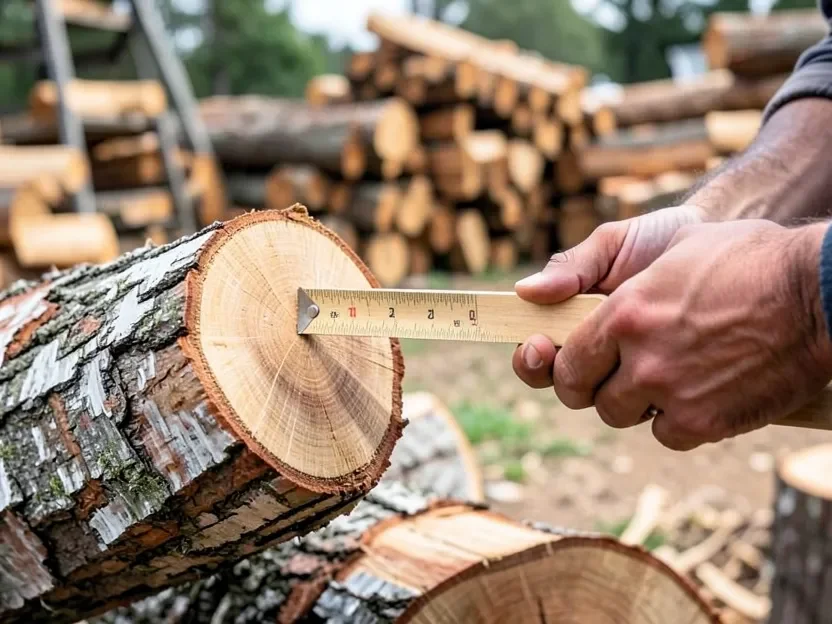
Before you call a buyer, it helps to know roughly what you are holding. Board-foot volume, log diameter, and grade are the three numbers every serious buyer asks for first, and a $50 log scale stick like the one above answers all three in the field without an app or a spreadsheet. Walking into a conversation with a real number, instead of a guess, is usually the difference between getting a fair quote and getting lowballed on your first call.
Who Actually Buys Ash Wood
Ash has real commercial demand outside of firewood, which is part of why it still sells even in areas hit hard by EAB. The buyer types below each want a different form of the wood, so knowing which one you are talking to changes what you should offer them.
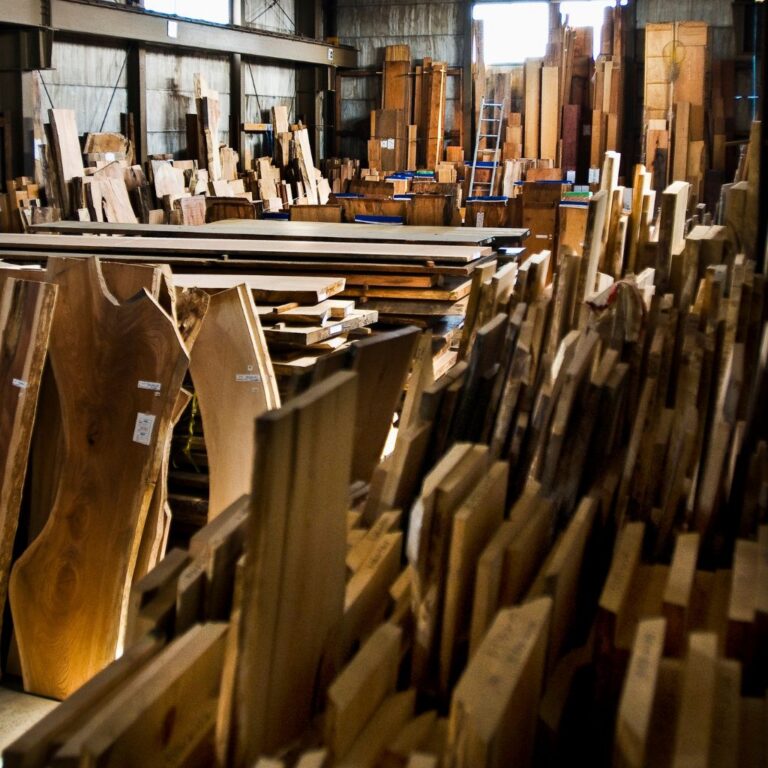
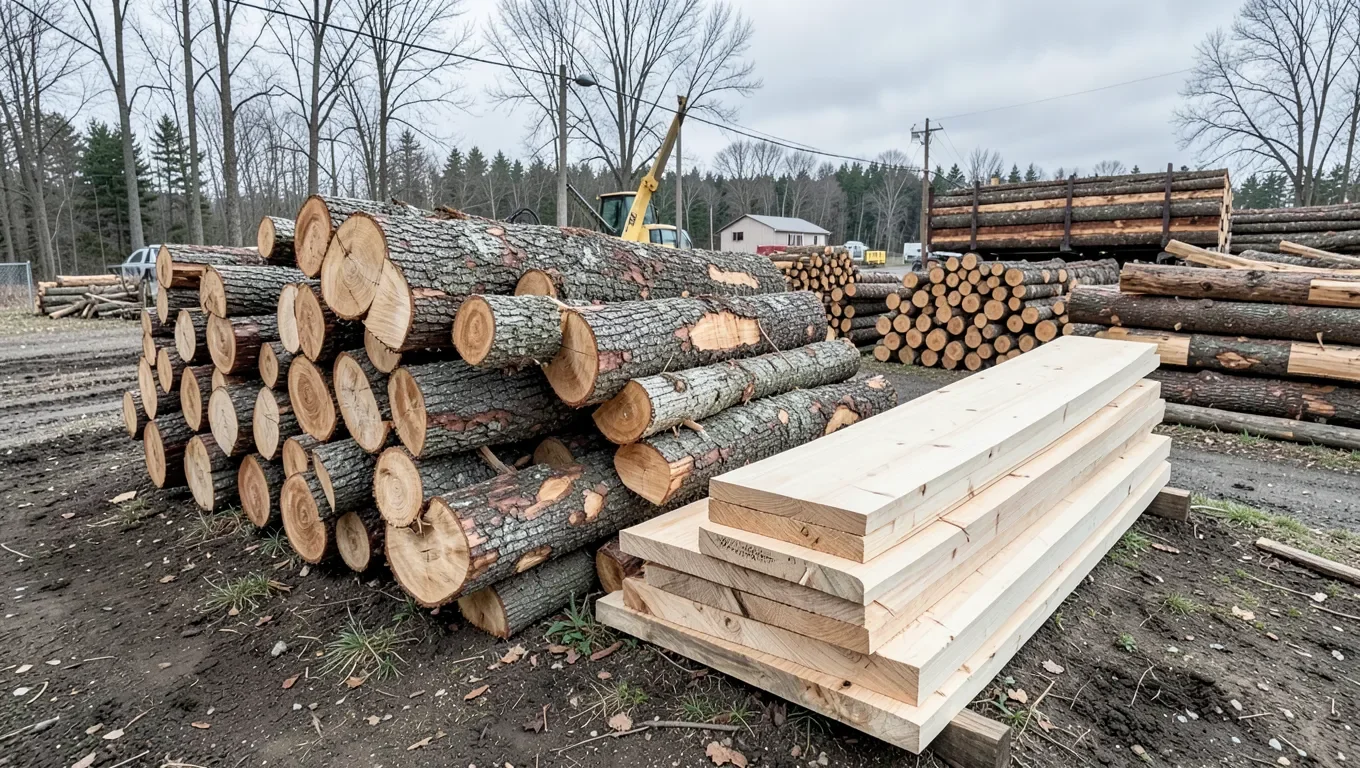
- Sawmills and timber buyers: Purchase standing trees or cut logs, paying by grade and thousand board feet (MBF). This is the fastest route for a landowner with several trees to move at once.
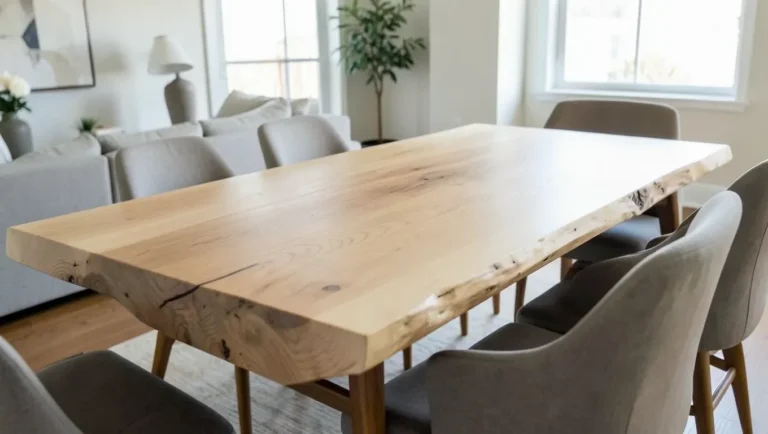
- Furniture and cabinet makers: Buy kiln-dried, clear-grade lumber, often in smaller quantities but at a higher per-board-foot price than a mill pays for raw logs.
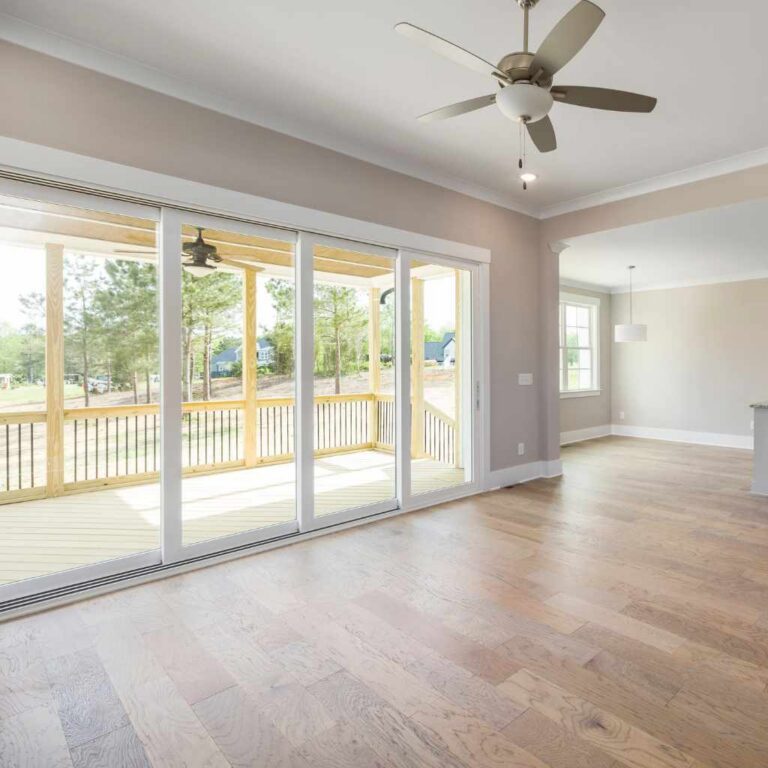
- Flooring manufacturers: Need consistent, wide, defect-free stock and typically buy through established lumber suppliers rather than direct from individual sellers.
- Tool-handle and baseball bat makers: Specifically want straight-grained, shock-resistant ash, and will pay a premium for logs with long, knot-free sections.
- Firewood dealers: The most accessible buyer for lower-grade, storm-damaged, or beetle-killed wood that is not worth milling.
- Local sawyers and hobbyist woodworkers: Buy smaller lots, often through Facebook Marketplace, Craigslist, or a regional sawyer directory, and are usually the most flexible on wood condition.
How Emerald Ash Borer Changed the Ash Wood Market
Emerald ash borer is an invasive beetle first confirmed near Detroit, Michigan in 2002, and it is the single biggest factor in how ash wood sells today. More than 8 billion ash trees across North America are considered at risk, and in areas where the beetle has been established longest, over 99% of infested trees eventually die, according to the Cary Institute of Ecosystem Studies. That has cut two ways for sellers: salvage-grade wood from dead and dying trees has flooded some regional markets, pushing pallet-grade and firewood prices down, while wide, clear, healthy-tree lumber has gotten scarcer and now commands a real premium.
There is also a lesser-known upside: mills that process beetle-killed ash sometimes pay specifically for the blue-gray staining pattern, called “ambrosia” figure, that EAB and the fungus it carries leave behind in the wood. Furniture and specialty woodworkers who want that look will pay more for figured boards than for plain ash of the same grade, so a dead or dying tree is not automatically worth less — it depends on how long it has been down and how the mill grades the resulting lumber.
What Determines How Much You’ll Get Paid
Four factors move the price of any individual log, tree, or load of lumber more than species does on its own.
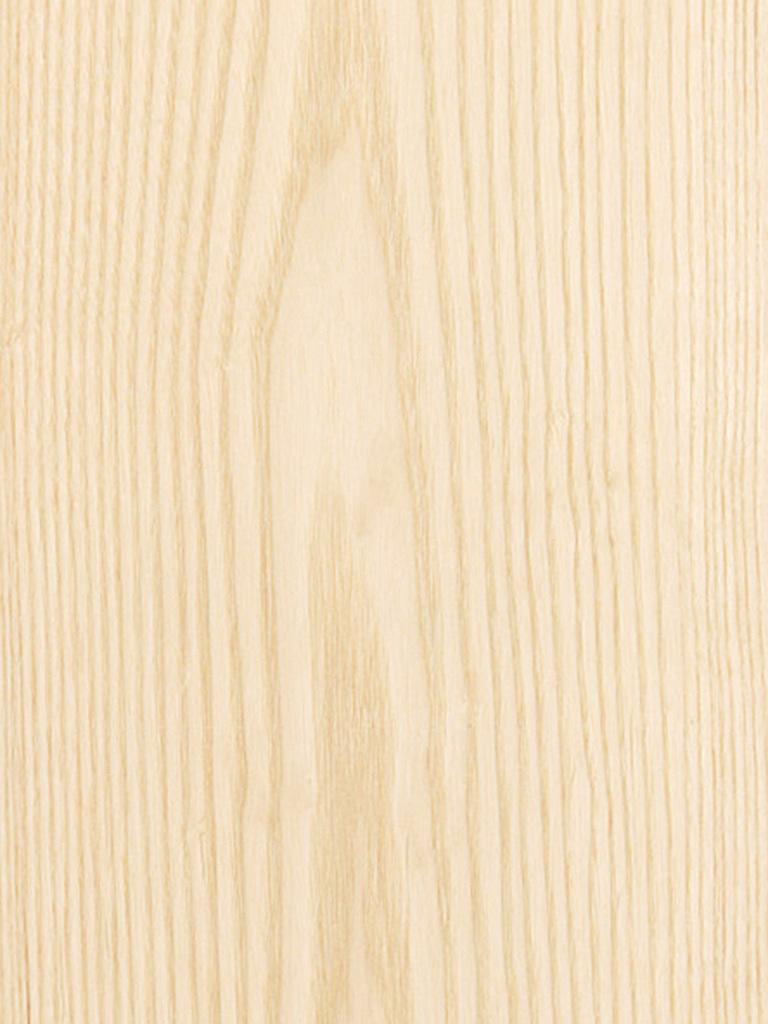
- Grade: Clear, knot-free wood brings the highest price; pallet and low grades sell for a fraction of prime sawlog pricing.
- Diameter: Wider logs yield more board feet per log and are priced higher per MBF — and are exactly the sizes EAB is making harder to find.
- Condition: Freshly cut or recently dead wood (within about one to two years) still mills cleanly; long-dead, punky, or heavily rotted wood usually only qualifies as firewood.
- Volume and location: Selling a full truckload to one local buyer almost always beats selling single logs piecemeal, and buying or selling locally avoids the shipping costs that eat into a small seller’s margin.
For a full price breakdown by log grade, see our ash log prices guide. If you are pricing finished lumber instead of standing trees or logs, our ash wood cost guide covers current per-board-foot pricing by form.
Selling a Standing Tree vs. Selling Cut Lumber or Logs
These are two different transactions, and mixing them up is the most common mistake first-time sellers make. Selling a standing, healthy, wide-diameter tree to a timber buyer takes no work on your end — the buyer typically handles felling and hauling — but you get paid less per board foot than finished lumber sells for, because the buyer is pricing in their own harvest and milling cost. Having the tree cut and milled first captures more of the final value, but you take on the sawmill fee, drying time, and the risk that grade or hidden defects turn out worse than expected once the log is actually opened up. If you have a tree still in the ground and want to know what it is worth before deciding which route to take, our guide to valuing a standing ash tree walks through how to measure DBH and estimate milling value yourself.
Where to Sell Ash Wood
Call at least two or three buyers before accepting an offer — prices for the same grade of wood can vary meaningfully between buyers in the same region, and a single quote is not a reliable market price.
- Local sawmills and timber buyers: Search for sawmills within driving distance and call directly; most will quote over the phone once you describe volume and grade.
- Online log and timber marketplaces: Sites built specifically for posting standing timber or logs for sale let buyers contact you directly, usually at no cost to list.
- Facebook Marketplace and Craigslist: Effective for smaller lots, firewood, and slabs sold directly to hobbyist woodworkers and homeowners.
- Firewood dealers: The default buyer for low-grade, storm-damaged, or long-dead ash that will not mill cleanly.
- Local sawyer and woodworking groups: Regional Facebook groups and forums for chainsaw millers or bandsaw sawyers often connect individual sellers with buyers who want specific species or slab sizes.
Before You Sell: Check Quarantine Rules Where You Live
This is the step most sellers skip, and it can stop a sale after a buyer has already agreed to a price. Many states and counties with confirmed emerald ash borer infestations restrict moving ash logs, wood chips, and firewood out of a quarantined area, as part of “slow the spread” efforts to limit how far the beetle travels. Some states require a compliance certificate from the state department of agriculture or forestry before regulated wood can legally cross a county or state line, even for a straightforward sale. These rules are not uniform — some states have scaled quarantines back in 2026 as the beetle’s range has already spread past where containment was realistic, while others still actively enforce them. Before you agree to a sale that involves transporting wood any real distance, check with your state’s department of agriculture or forestry, since moving regulated wood without the required paperwork can void a sale or draw a fine regardless of what a buyer offered you.
Steps to Sell Ash Wood the Right Way
- Assess health and condition. Note whether the tree or log is alive, recently dead, or long dead, and look for EAB signs like D-shaped exit holes or blue-gray staining.
- Measure diameter and estimate volume. A log scale stick or diameter tape gives you a real board-foot number to bring to a buyer, rather than relying on their estimate alone.
- Get two or three quotes. Call local sawmills, timber buyers, or firewood dealers and compare, since a single quote is not a reliable price.
- Confirm quarantine and transport rules. Check your state or county’s emerald ash borer regulations before agreeing to move wood any distance.
- Decide standing sale vs. cut-and-haul. Weigh the convenience of selling a standing tree against the higher per-board-foot value of having it milled first.
Ash wood has a real, active market even with emerald ash borer reshaping supply across most of the country — the key is matching what you have (a standing tree, a felled log, or milled lumber) to the buyer who wants it in that exact form, and checking any quarantine rules before you move it. Get a real board-foot number before you call anyone, gather more than one quote, and you will generally come away with a fair price for what you are selling.
Frequently Asked Questions
Can you sell ash wood?
Yes. Sawmills, furniture and flooring manufacturers, tool-handle and baseball bat makers, and local firewood dealers all buy ash on a regular basis, whether it is standing timber, cut logs, milled lumber, or firewood. What a specific buyer will pay depends on grade, diameter, and whether emerald ash borer has already reached the wood.
How much is ash wood worth?
Ash log prices generally range from around $115 to $125 per thousand board feet for pallet-grade wood up to roughly $430 to $920 per thousand board feet for prime, wide-diameter sawlogs, while kiln-dried 4/4 lumber runs about $3.75 to $7.25 per board foot. Firewood typically sells for $275 to $450 per cord. Grade, diameter, and local demand move these numbers more than species alone.
Who buys ash wood?
Local sawmills and timber buyers, furniture and cabinet shops, flooring mills, tool-handle and baseball bat manufacturers, and firewood dealers are the main commercial buyers. Hobbyist woodworkers and small sawyers also buy smaller quantities through local marketplaces and sawyer networks.
Can you sell ash wood if it has emerald ash borer?
Often yes, but with conditions. Ash killed by emerald ash borer within the last one to two years can still yield usable lumber, and some mills specifically pay a premium for the blue-gray “ambrosia” staining EAB leaves behind. Wood that has stood dead longer, or shows heavy rot, is usually only worth firewood or pallet-grade pricing, and some buyers decline infested wood outright.
Can I move ash wood or firewood across state or county lines to sell it?
Not always without a permit. Many states and counties with confirmed emerald ash borer infestations restrict moving ash logs, chips, and firewood out of a quarantined area to slow the beetle’s spread, and some require a certificate from the state agriculture or forestry department before wood can cross a line. Rules vary by state and change as quarantines are added or lifted, so check with your state’s department of agriculture or forestry before you transport wood to a buyer.
Is it better to sell a standing ash tree or have it milled first?
It depends on the tree and your time. A standing, healthy, wide-diameter tree can be sold to a timber buyer with no work on your end, though you will get paid less per board foot than for finished lumber. Milling first captures more of the final value but costs you the sawmill fee, drying time, and the risk that grade or defects are worse than expected once the log is opened up.
Sponsored / affiliate links. As an Amazon Associate I earn from qualifying purchases. I may earn additional commission from eligible campaigns.
 Lence Furniture Magic Stuff, 2026 New Wood Polishing Treatment for Scratch Repair Formula, Lence Wood Stuff for Furniture & Wood Grain Touch-Ups, Enhances Texture and Luster (2boxes)
 Lence Furniture Magic Stuff, 2026 New Wood Polishing Treatment for Scratch Repair Formula, Lence Wood Stuff for Furniture & Wood Grain Touch-Ups, Enhances Texture and Luster (1box)