Difference between MDF And Moisture Resistant MDF: Explained
When it comes to choosing the right materials for your next home improvement project, every decision counts. If you’ve ever found yourself wandering the aisles of a hardware store, scratching your head over the difference between MDF and Moisture Resistant MDF, you’re not alone.
These two materials might seem similar, but understanding their unique properties could make all the difference in your project’s success. Imagine having peace of mind knowing your furniture or cabinetry will stand the test of time, even in the most humid conditions.
By the end of this article, you’ll not only know the differences but also feel confident in making the best choice for your needs. Let’s dive into what sets MDF and Moisture Resistant MDF apart and how each can play a role in your crafting and construction endeavors.
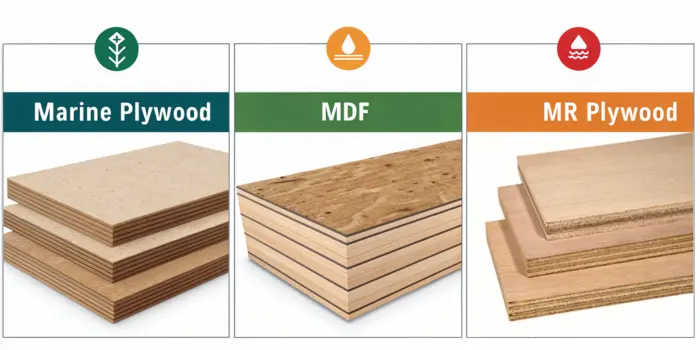
Credit: mrswoodcraft.com
What Is MDF?
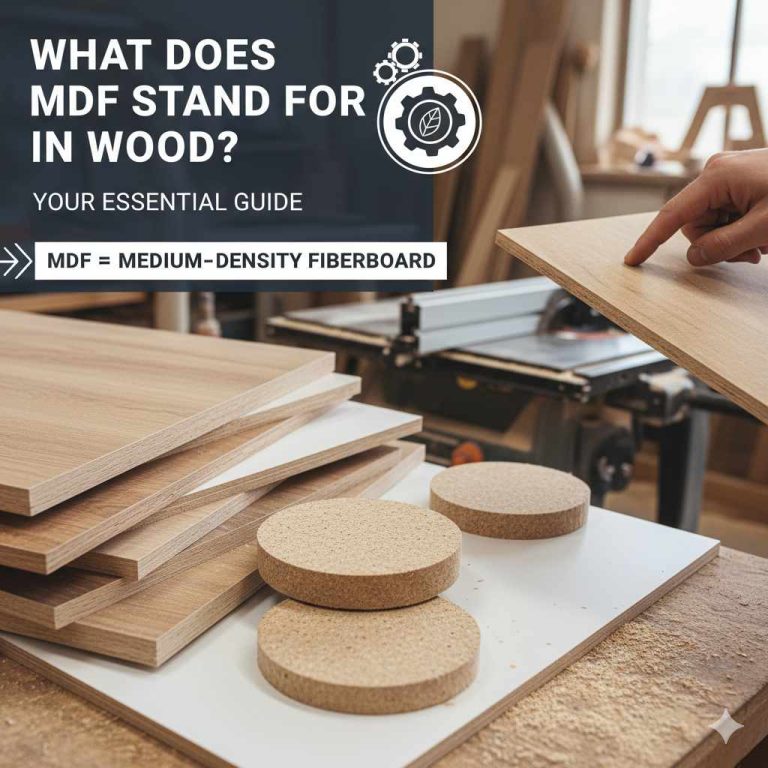
MDF, or Medium Density Fiberboard, is a versatile wood product made from wood fibers. The main difference between MDF and moisture-resistant MDF lies in their resistance to humidity. Moisture-resistant MDF is specially treated to withstand damp conditions, making it ideal for bathrooms or kitchens.
Composition And Manufacturing
MDF stands for Medium Density Fiberboard. It is made from wood fibers. These fibers are mixed with wax and resin. Heat and pressure are used to form sheets. MDF is smooth and dense. It is easy to cut and shape. The surface is perfect for painting.
Common Uses
MDF is used in many ways. It is great for furniture and cabinets. People use it for doors and panels. MDF is also found in speaker boxes. It is popular because it is strong and affordable. Moisture Resistant MDF is different. It is used in bathrooms and kitchens. It can handle more moisture. This makes it special for wet places.
Introduction To Moisture Resistant MDF
Moisture Resistant MDF is a special type of wood panel. It is made to resist water and moisture. This makes it a good choice for wet areas. You can use it in kitchens, bathrooms, and basements. The panel has special resins. These resins keep it strong even when wet. It does not swell or break easily. This makes it a durable choice. It is more stable than regular MDF.
The panel has a smooth surface. It is easy to paint or veneer. It cuts well and does not splinter. It is also denser than regular MDF. This makes it stronger and more reliable. You can use it for many projects. It also has good soundproof qualities. This makes it great for walls.
Moisture Resistant MDF is used in bathroom cabinets. It is also used for kitchen cupboards. You can use it for window sills too. It is good for laundry rooms. It works well in places with high humidity. This makes it a favorite for many builders.
Comparing Physical Properties
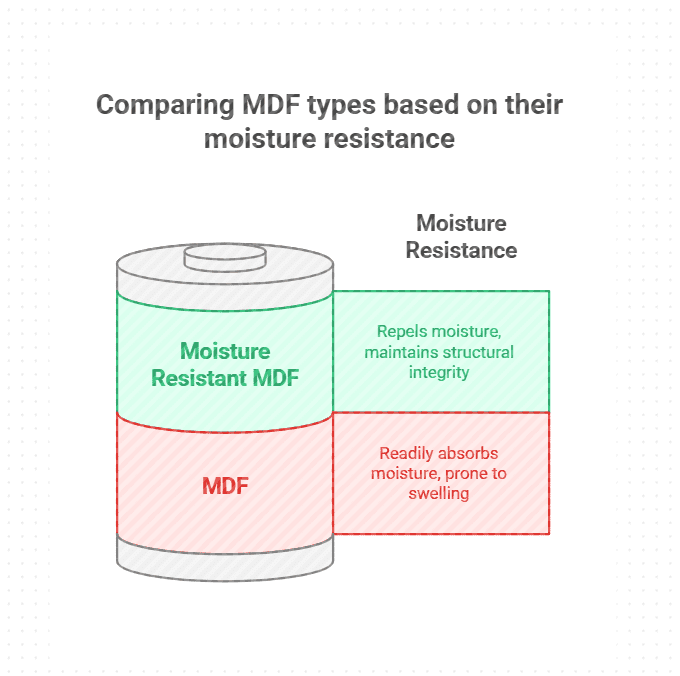
MDF and moisture-resistant MDF differ primarily in their ability to withstand water exposure. Standard MDF swells when wet, while moisture-resistant MDF remains stable, making it ideal for humid environments.
Density And Strength
MDF is a dense material. It has a smooth surface. This makes it good for furniture. It is strong but not too heavy. Moisture Resistant MDF is similar. It is also dense. It can hold weight well. It is tougher than regular MDF. It does not bend easily.
Resistance To Moisture
Regular MDF can swell with water. It does not like wet places. Moisture Resistant MDF is different. It can stand up to water. It is used in kitchens and bathrooms. It stays dry even in damp spots.
Credit: www.theplasticpeople.co.uk
Cost And Availability
MDF is usually cheaper than Moisture Resistant MDF. Regular MDF costs less because it is simpler. It does not have special features. Moisture Resistant MDF is made to handle damp places. So, it costs a bit more. Buyers need to choose based on their needs and budget. The price gap is not huge. But it is important for big projects.
Both MDF types are easy to find in most stores. Most shops have both types ready. Regular MDF is more popular. It is used for many projects. Moisture Resistant MDF is also in demand. People use it in kitchens and bathrooms. Stores keep it in stock for these needs. Checking local stores can help find the best option.
Environmental Considerations
MDF and Moisture Resistant MDF differ mainly in their ability to handle moisture. Moisture Resistant MDF includes special resins that make it suitable for humid environments. Regular MDF, however, is best for dry indoor settings.
Sustainability
MDF uses wood fibers from small trees and waste. This saves bigger trees. Moisture Resistant MDF also uses these fibers. It’s made with special glue. The glue helps it resist water. Both types save forests. They use less wood. This helps the environment. Fewer trees are cut down. They come from managed forests. These forests grow trees again. Replacing trees helps nature. This is good for the earth. Using waste wood is smart. It reduces waste and pollution. MDF can be recycled. Old MDF becomes new boards. This process is sustainable.
Health And Safety Concerns
Both types of MDF have health concerns. They contain glue with formaldehyde. This can be harmful. It’s important to wear masks. Masks stop dust from getting in. MDF dust is not good to breathe. It can make you cough. Use gloves to protect your hands. Work in open spaces. Ventilation helps keep air fresh. Moisture Resistant MDF is safer in wet areas. It does not swell with water. Safety gear is important. It keeps you safe. Always clean up dust after work. This helps prevent health problems.
Choosing The Right Material
MDF stands for Medium Density Fiberboard. It is a kind of wood. Moisture Resistant MDF is a special kind. It can handle wet places better. MDF is cheaper than solid wood. It is smooth and easy to paint. Moisture Resistant MDF costs more. But it lasts longer in wet areas. Think about where you will use it. This helps in picking the right one.
MDF is great for making furniture. It works well for shelves too. Moisture Resistant MDF is best for bathrooms. Also good for kitchens. It does not swell with water. This makes it useful in wet spots. Always consider the environment. This ensures the best choice.

Credit: mdfdirect.co.uk
Frequently Asked Questions
Is Moisture Resistant Mdf Better Than MDF?
Moisture-resistant MDF is better for humid areas as it withstands moisture, reducing the risk of swelling. Regular MDF is suitable for dry environments. Choose moisture-resistant MDF for bathrooms or kitchens to enhance durability and longevity. It offers improved performance in areas prone to dampness compared to standard MDF.
Can Moisture Resistant MDF Get Wet?
Moisture-resistant MDF can handle damp conditions but should not be soaked. Prolonged exposure to water may cause damage. It’s suitable for humid areas but avoid direct contact with water to maintain its durability. Proper sealing can enhance protection against moisture-related issues.
What Is The Difference Between MDF And P2 MDF?
MDF is a standard medium-density fiberboard used in furniture and construction. P2 MDF is a specific grade with lower formaldehyde emissions, meeting stricter environmental standards. Both are engineered wood products but differ in their environmental impact and safety standards. P2 MDF is often preferred for eco-friendly projects.
How To Identify Moisture Resistant MDF?
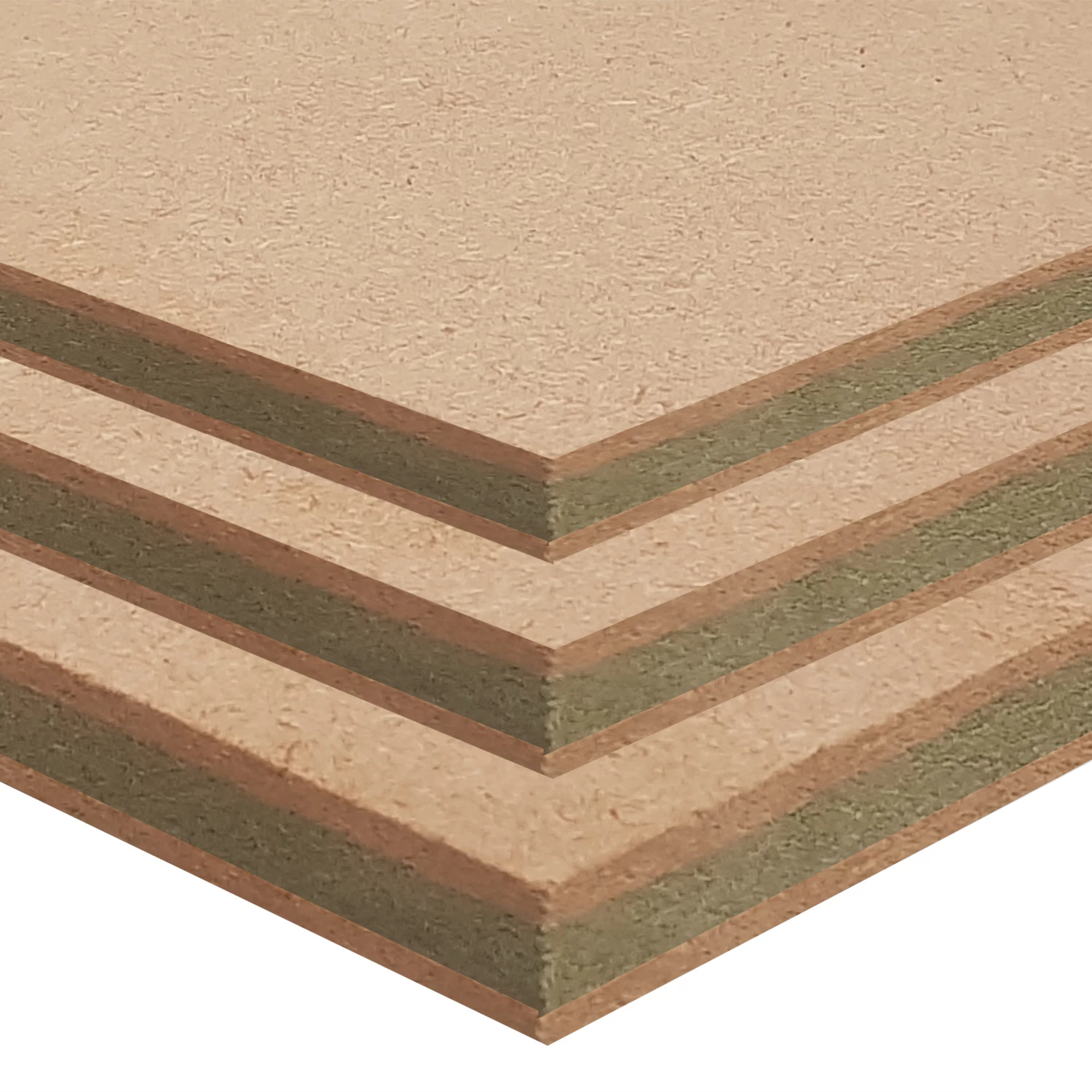
Identify moisture-resistant MDF by its green coloring, which indicates resistance. Check for labeling or certification.
Conclusion
Choosing the right MDF depends on your needs. Regular MDF suits indoor, dry conditions. Moisture Resistant MDF fits better in humid areas. Kitchens and bathrooms, for example. Both types offer durability and work well in projects. Consider your environment before deciding.
Moisture Resistant MDF costs a bit more. But it provides extra protection against moisture damage. Regular MDF serves well in standard conditions. Make sure to weigh your options. Think about the space and your budget. This will help you make an informed decision.
Choose wisely for lasting results.