How to Use an MDF Rangoli Base: Prime, Paint and Seal It
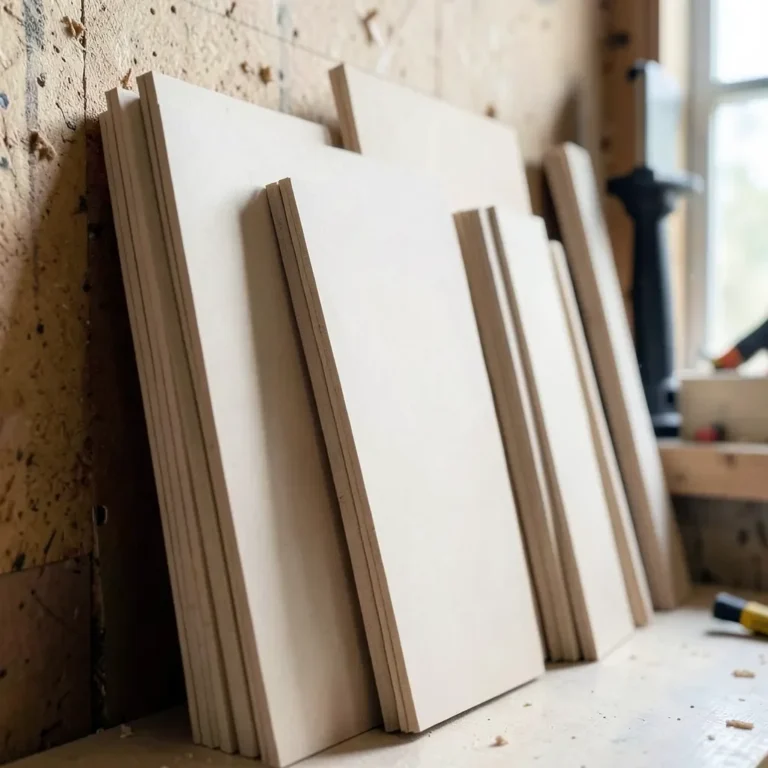
An MDF rangoli base is a laser-cut board of medium-density fiberboard that you paint and decorate instead of pouring powder on the floor. Raw MDF soaks up paint unevenly, especially along the cut edges. Prime and seal it first and one base can serve many festivals. This guide covers prep, paint choices, sealing, placement, and care.
How Do You Prepare an MDF Rangoli Base for Painting?
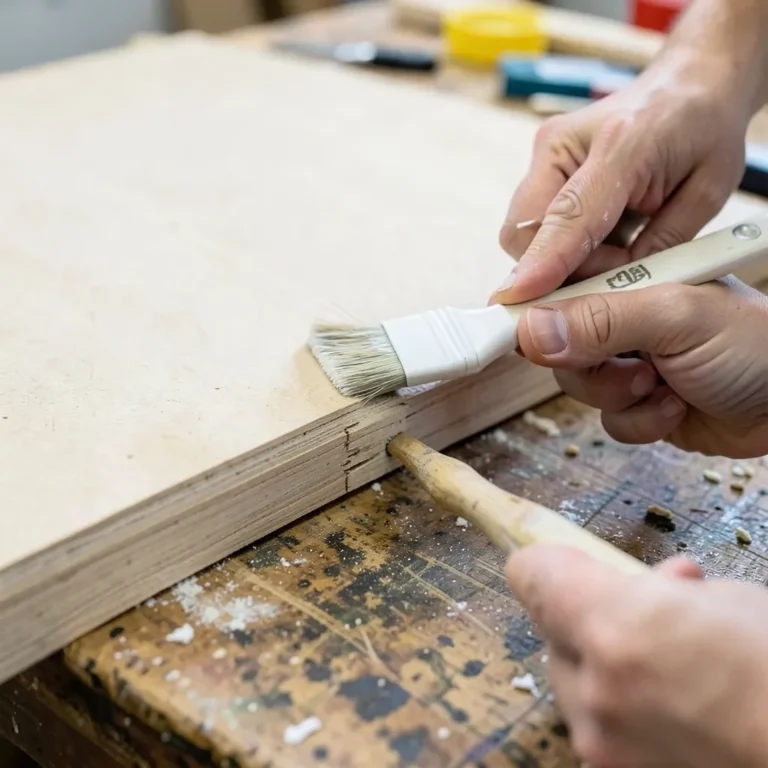
Start with the surface, because MDF punishes skipped prep. The faces are smooth, but the cut edges of a laser-cut base are far more absorbent and often carry a dark scorch line from the laser. Wipe the base with a dry cloth, then lightly sand the edges and scorch marks with fine sandpaper before you prime. Spray primer outdoors or in a well-ventilated space, in light passes so it does not clog the narrow cutouts.
Best MDF Rangoli Base Primer Pick
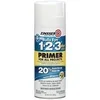 |
Zinsser Bulls Eye 1-2-3 Plus Spray Primer, White, 13 oz An oil-based spray primer that seals raw board and gives acrylic colors an even, bright white base.
|
As an Amazon Associate we earn from qualifying purchases.
Once the primer is touch-dry, sand very lightly to knock down any raised fibers, wipe off the dust, and you are ready for color. If you are new to finishing this material, our guides to painting MDF and the best wood primers explain the same sealing logic in more detail.
What Paint and Decorations Work on MDF Rangoli?
Most craft finishes work once the base is sealed. The table below compares the common options and the main catch with each.
| Finish | Best for | Watch out for |
|---|---|---|
| Acrylic craft paint | Solid color fills and base coats | Lifts fibers on unprimed MDF; needs 2 coats for bright shades |
| Paint pens or markers | Fine outlines and dot patterns | Can smear if you varnish over them too soon |
| Fabric glue with beads, kundan, or glitter | Sparkle and raised details | Too much glue soaks in and can warp thin boards |
| Colored sand or rangoli powder in the cutouts | Traditional look on the same base | Best used on a sealed base so pigment does not stain the board |
| Clear spray varnish | Final protective coat | Apply thin coats; heavy coats run into the cutouts |
Whatever you choose, keep to one paint system per layer. Water-based acrylic over an oil-based primer is a normal combination, but mixing several unknown spray paints on a thin board is how coatings crack or stay tacky.

How to Use an MDF Rangoli Base, Step by Step
- Check the base: lay it flat on a table and look for chipped bridges or warping before you paint anything.
- Clean and sand: wipe off dust, then lightly sand the edges and any dark laser scorch.
- Prime every surface: spray thin coats on the front, the edges, and the back, letting each dry fully.
- Sand lightly again: remove raised fibers with fine paper and wipe the dust away.
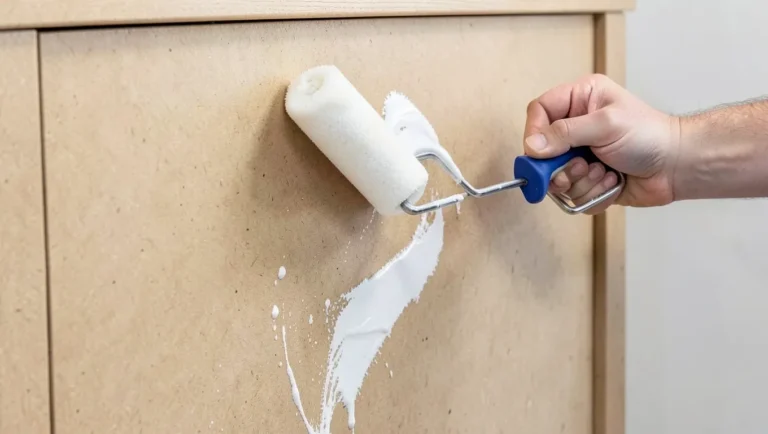
- Paint the base colors: brush large areas first, using two thin coats instead of one thick one.
- Add details: outline with paint pens, then attach beads, stones, or glitter with fabric glue.
- Seal with varnish: apply thin clear coats to the front, edges, and back, and let it cure overnight before moving it.
Painting the back matters more than most people expect. MDF takes on and gives off moisture from every face, so a board sealed on one side only can bow slightly as the humidity changes. Coating both faces keeps it flat.
Two Mistakes That Ruin MDF Rangoli Bases
Painting Only the Top Face
An unsealed edge or back is the fastest route to a warped, swollen base. Cut edges are the weak spot because the fibers there are exposed. Give the edges an extra primer pass and varnish them like the top.
Stacking or Storing Them Bare and Unsupported
Fine laser-cut designs have thin bridges between cutouts. Stack painted bases with a sheet of paper or cardboard between them, keep them flat, and never lean them on edge. Store them indoors away from damp walls, since how long MDF lasts depends mostly on how well it is kept dry.
What Should You Look for When Buying an MDF Rangoli Base?
Bases look alike in photos, so judge them by the details that decide how the finished piece behaves on your floor.
| Check | Why it matters |
|---|---|
| Thickness and stiffness | A very thin base flexes when lifted and cracks at the bridges; a slightly thicker board feels solid and stays flat. |
| Edge quality | Clean, light-brown cut edges are easier to sand and seal than heavily charred ones. |
| Bridge width | Wider connecting strips survive handling and storage; hair-thin ones snap first. |
| Size | Measure your entrance or corner first. A base that is too big for the space gets stepped on or bumped. |
| Bare or pre-coated | A bare base costs less and gives you full control of the finish, but you must do all the sealing yourself. |
MDF Rangoli Base vs Traditional Powder Rangoli
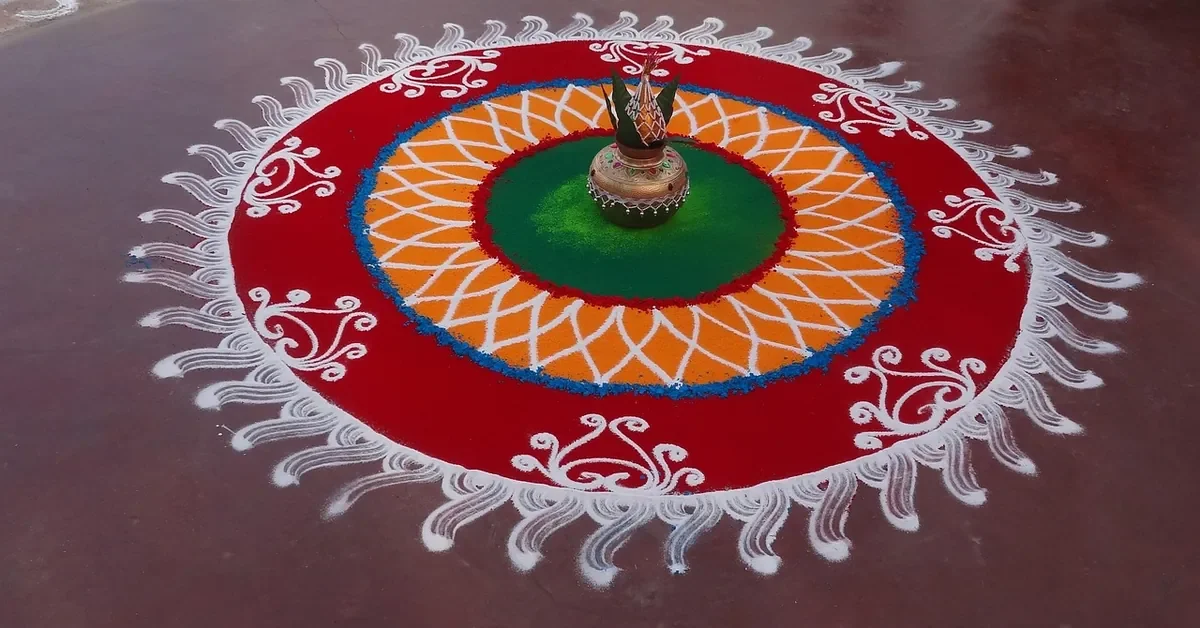
A powder rangoli is poured fresh each time, so it takes longer, spreads with foot traffic, and is swept away after the festival. A painted MDF base takes more effort once, then can be set out again with no drawing skill needed. The trade-off is that MDF cannot handle water or heavy wear the way a swept-away floor design can. Many families combine the two, using the painted base as a fixed centerpiece and filling the surrounding floor with powder or flower petals.
Where Should You Place an MDF Rangoli?
Indoors on a dry, flat floor is ideal, such as a hallway, a living-room corner, or just inside the front door. On tile, small pieces of double-sided tape hold the base in place. Avoid doorways where rain blows in and any spot that gets mopped. If the base ever gets wet, dry it quickly and read our guide to fixing MDF water damage before you decide whether it can be saved.

Lamps and candles need care. Keep open flames well away from the board, and prefer battery tea lights beside a varnished base, since painted and varnished MDF is flammable like any wood-based board.
Can You Cut Your Own MDF Rangoli?
You can, if the design is simple. A scroll saw with a fine blade handles gentle curves in thin MDF, and our guide on how to cut MDF covers blade choice and edge chipping. Intricate lace-style patterns are where laser-cut bases earn their price, because the narrow bridges break easily under a hand-held saw. Always wear a dust mask; MDF dust is fine and stays airborne. If you are curious about the material itself, see what MDF is used for.
Care and Storage
Dust the base with a soft dry cloth. If it needs more, use a barely damp cloth and dry it immediately. Skip harsh cleaners, which can dull the varnish. Touch up chips with the same paint, then re-seal the spot with a dab of varnish. Kept flat, dry, and sealed on all faces, a base can be reused for years.
Frequently Asked Questions
Can you paint an MDF rangoli base with acrylic paint?
Yes. Acrylic craft paint is the usual choice because it covers well and cleans up with water. Prime the base first, though. On bare MDF, water-based paint soaks in unevenly and can lift the surface fibers, leaving a rough, blotchy finish.
Do you need to seal MDF before painting it?
Yes. Seal both faces and every cut edge. Raw MDF drinks up paint and moisture, especially at the edges, which swell first. A coat of primer, a light sanding once dry, and then your color coats give a smooth finish that lasts.
Can you use an MDF rangoli outdoors?
Not safely. MDF is not waterproof, and rain or a wet floor will swell the board even under paint. Use it indoors or under a covered entrance, keep it off wet floors, and coat both sides and the edges with varnish.
How do you keep an MDF rangoli from sliding on the floor?
Use double-sided tape on the back, or a few small pieces of non-slip rug grip. Press it down on a clean, dry floor. Lift it gently when you finish so the thin bridges between cutouts do not snap.
Conclusion
An MDF rangoli base is only as durable as its prep. Seal every face and edge, paint in thin coats, varnish it, and keep it dry, and it becomes a decoration you can reuse each festival instead of a one-day project.
Sponsored / affiliate links. As an Amazon Associate I earn from qualifying purchases. I may earn additional commission from eligible campaigns.