Do Japanese Maples Like Being Root Bound
Many gardeners wonder about their Japanese maples, especially when they’re young. A common question is Do Japanese Maples Like Being Root Bound? It might seem tricky to know what your plant needs. This can be a bit confusing for beginners.
Don’t worry, though! We’ll break it down simply. You’ll get clear steps to help your beautiful tree thrive.
Let’s find out what your Japanese maple truly prefers.
Understanding Root Binding In Japanese Maples
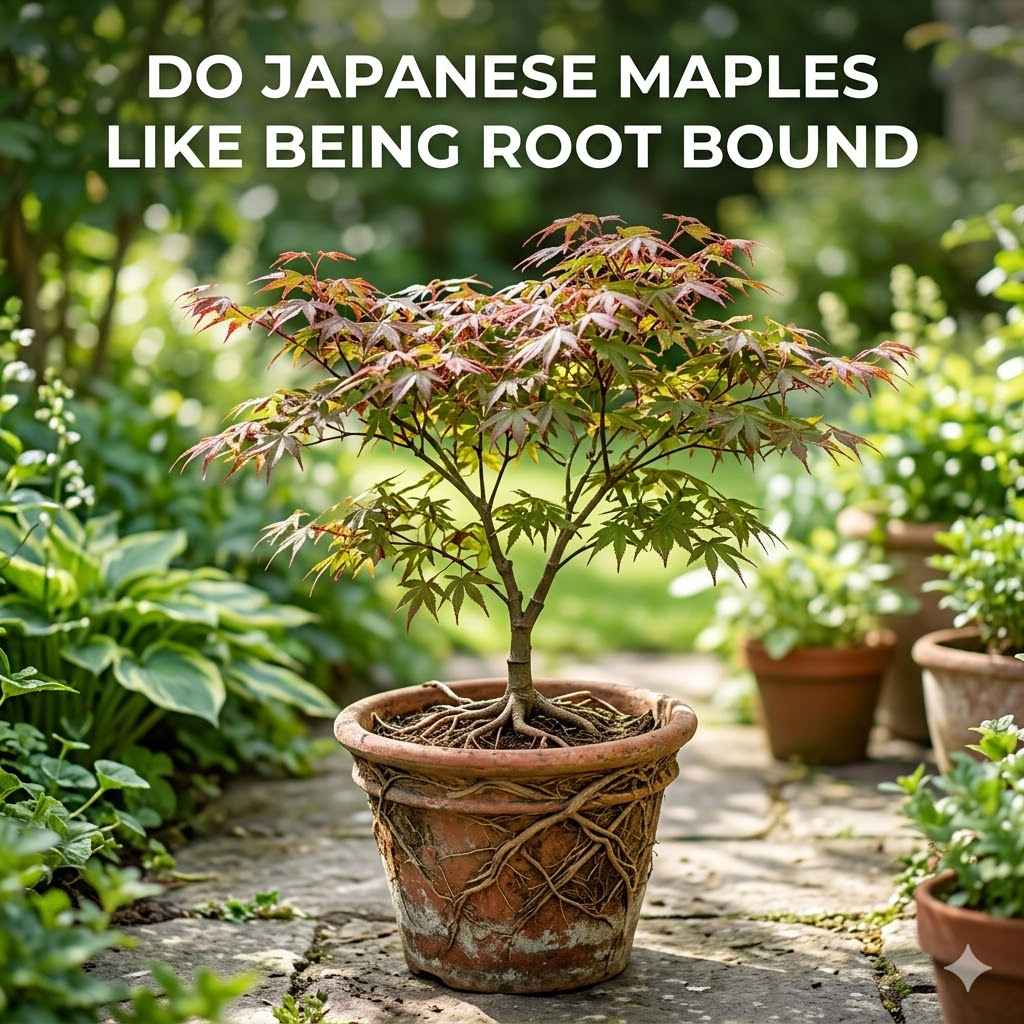
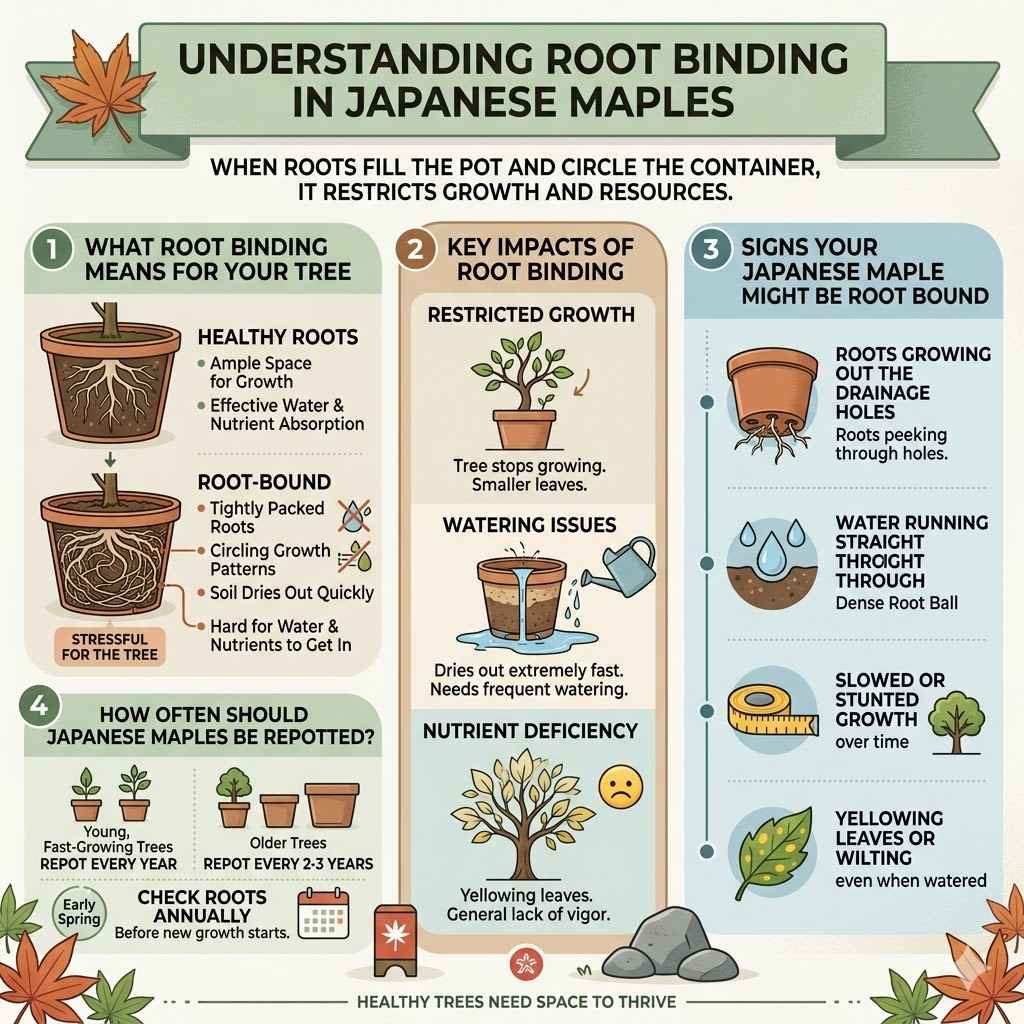
Root binding is a common situation for many potted plants, and Japanese maples are no exception. When a plant becomes root-bound, its roots have filled the entire pot. They start to circle around the inside of the container.
This can lead to a plant that doesn’t grow well. It also makes it harder for the plant to get water and nutrients.
For Japanese maples, this condition needs careful attention. They are beautiful trees, and most people want them to look their best. Understanding if they tolerate being root-bound helps you care for them properly.
It’s a key part of keeping them healthy and vibrant in your garden or on your patio.
What Root Binding Means For Your Tree
When a Japanese maple’s roots grow to fill its pot, they become tightly packed. This restricts space for new growth. The roots might start to grow in circles, becoming a dense mass.
This can make the soil dry out very quickly.
The plant might also struggle to absorb enough water. This is because the roots can’t easily reach moisture in the soil. It can also be hard for nutrients to get into the plant’s system.
This is why knowing about root binding is important for happy, healthy trees.
Restricted Growth: The most obvious sign is that the tree stops growing much. Its leaves might also be smaller than usual. This happens because the roots can’t spread out to find more resources.
Watering Issues: A root-bound tree dries out super fast. You might find yourself watering it more often. Even then, the soil might not stay moist for long.
This constant drying and wetting cycle is stressful for the plant.
Nutrient Deficiency: With limited root space, the tree can’t access all the food it needs. This can lead to yellowing leaves or a general lack of vigor. The tree might look a bit sad or unhealthy.
Signs Your Japanese Maple Might Be Root Bound
Observing your Japanese maple can tell you a lot. Look for specific clues that suggest it’s getting crowded in its pot. These signs are your tree’s way of asking for a little more room to grow.
Roots Growing Out the Drainage Holes: If you see roots peeking out of the bottom of the pot, that’s a strong indicator. It means the roots have reached the edge and are trying to escape.
Water Running Straight Through: When you water the plant, if it drains out the bottom almost immediately without the soil seeming to soak it up, the root ball might be too dense. This is especially true if the top layer of soil still looks dry.
Slowed or Stunted Growth: If your Japanese maple hasn’t grown much from one year to the next, or if its new leaves are consistently smaller, it could be root-bound. The plant has no more room to expand its canopy.
Yellowing Leaves or Wilting: In severe cases, a root-bound tree may show signs of distress like wilting even when the soil is moist. Yellowing leaves that aren’t related to seasonal changes can also be a symptom.
How Often Should Japanese Maples Be Repotted
The frequency of repotting for Japanese maples depends on several factors. The size of the pot, the rate of growth, and the type of soil all play a role.
Young, fast-growing trees in smaller pots might need repotting every year. Older trees in larger containers might only need it every two to three years. It’s best to check the roots annually, usually in early spring before new growth starts.
This way, you can repot only when necessary.
Do Japanese Maples Actually Like Being Root Bound
The short answer is no, Japanese maples generally do not like being root-bound. While some plants can tolerate being root-bound for a while, it’s not ideal for Japanese maples, especially in the long term. They are trees that appreciate space for their roots to grow and explore.
Being root-bound limits their access to water and nutrients. It also restricts air circulation to the roots. This can lead to stress and health problems.
For optimal health and vigorous growth, Japanese maples need room for their root systems to develop.
Why Root Bound Conditions Harm Japanese Maples
Root binding creates a challenging environment for Japanese maples. The tightly packed roots can’t function effectively. This leads to a cascade of problems that impact the tree’s overall health and appearance.
Think of it like a person trying to live in a closet. There isn’t enough space to move, breathe, or get what you need. Similarly, a root-bound tree struggles to absorb water and nutrients.
It also suffers from poor soil aeration.
Dehydration Risk: In a pot filled with roots, the soil dries out very quickly. Water can run through the compacted root ball without adequately moistening it. This constant struggle for water weakens the tree and can lead to wilting and leaf scorch, especially during hot weather.
A healthy root system spreads out, holding moisture more evenly.
Nutrient Scarcity: Limited root space means limited access to available nutrients. Even if you fertilize, the dense root mass struggles to absorb them effectively. This can result in a deficiency of essential elements, leading to stunted growth, pale leaves, and a general lack of vitality.
The tree cannot photosynthesize efficiently without adequate nutrients.
Root Rot Potential: While it might seem counterintuitive, a root-bound pot can sometimes lead to root rot. If the soil stays waterlogged because the roots are too dense to allow proper drainage and aeration, anaerobic conditions can develop. This promotes the growth of harmful fungi that attack the roots, leading to decay.
Healthy roots need oxygen to survive and function.
Reduced Vigor and Aesthetic Appeal: The stress from root binding directly impacts the tree’s vigor. It won’t produce the lush foliage or the graceful form that Japanese maples are known for. The overall appearance will be diminished, looking less healthy and less attractive.
How Japanese Maples Recover from Root Binding
The good news is that Japanese maples can recover from being root-bound with proper intervention. Repotting and root pruning are the key techniques to help them get back on track. This process essentially rejuvenates the root system, giving the tree a fresh start.
When you repot, you’re giving the tree more space and fresh soil. Root pruning encourages new root growth from the cut ends. This is vital for the tree’s long-term health and development.
Repotting into a Larger Container: The most direct solution is to move the tree into a pot that is one or two sizes larger. This provides ample room for the roots to expand. Use a good quality potting mix that drains well.
Avoid using soil straight from your garden, as it can compact too easily in pots.
Root Pruning Techniques: Once the tree is out of its old pot, gently loosen the outer layer of roots. You may need to trim some of the circling roots. Use clean, sharp tools.
Aim to cut back about one-third of the root mass, focusing on any thick, circling roots. This encourages the plant to grow new, finer roots.
Aftercare for Recovery: After repotting and root pruning, water the tree thoroughly. Keep it in a spot with bright, indirect light for a few weeks. Avoid direct sun, which can stress a newly repotted plant.
Regular watering, but not overwatering, is crucial during its recovery period. You should see signs of new growth within a few weeks.
Comparing Root Bound to Ideal Conditions
There’s a clear difference between a root-bound Japanese maple and one with ample room to grow. Understanding this contrast highlights why avoiding root binding is important for these trees.
| Condition | Characteristics | Impact on Japanese Maple |
|---|---|---|
| Root Bound | Roots fill pot, circle tightly, limited soil volume. | Stunted growth, water stress, nutrient deficiency, increased risk of root rot. |
| Ideal Conditions | Roots have space to spread, adequate soil volume, good aeration and drainage. | Vigorous growth, healthy foliage, better water and nutrient uptake, strong root system. |
The table clearly shows the advantages of providing sufficient space. A Japanese maple thrives when its roots can function without restriction. This leads to a more beautiful and resilient tree.
When to Repot Your Japanese Maple
Knowing when to repot is key to preventing your Japanese maple from becoming excessively root-bound. It’s a proactive step in its care. Repotting at the right time ensures the tree continues to grow healthily and maintain its aesthetic appeal.
The best time to repot is usually in early spring. This is just before the tree starts its active growing season. This timing allows the roots to recover and establish themselves in the new pot before the demands of summer heat and vigorous growth begin.
The Best Time Of Year For Repotting
Early spring is the prime time for repotting Japanese maples. This period, typically from late February to early April depending on your climate, is when the tree is still dormant or just beginning to bud. The soil is usually cool and moist, which is ideal for transplanting.
Repotting during this window minimizes stress on the tree. The roots have a chance to settle into their new environment before the intense heat of summer or the cold of winter. This allows for better establishment and reduces the risk of transplant shock.
It is also easier to see the root structure when the leaves haven’t fully emerged.
Dormant or Semi-Dormant State: The tree is not actively growing at this time. This means less energy is being diverted to leaf and branch development. The plant’s focus can shift to root establishment in its new pot, making the transition smoother and less taxing.
Ideal Soil and Temperature Conditions: Early spring often brings cooler temperatures and higher humidity. This environment is beneficial for root development and prevents the newly exposed roots from drying out too quickly. It also helps to avoid shocking the tree with sudden temperature changes.
Reduced Risk of Transplant Shock: Because the tree is not actively pushing out new leaves, it is less susceptible to wilting and stress. This window provides a buffer period for the roots to heal and grow before facing the demands of a fully leafed-out canopy.
How To Tell If Your Maple Needs Repotting
Regularly inspecting your Japanese maple is crucial. Look for visual cues that indicate it’s outgrown its current container. These signs are your best guide to determining if repotting is necessary.
Visible Root Growth: Check the drainage holes at the bottom of the pot. If you see roots growing out of them, it’s a clear sign that the pot is full. The root system has reached its maximum capacity.
Watering Frequency Increases Significantly: If you find yourself watering the tree much more often than before, and the soil still seems to dry out rapidly, this indicates a dense root ball. The roots are using up the available water very quickly, leaving little for the soil to retain.
Water Runs Straight Through: When you water, if the water seems to bypass the soil and drain immediately without penetrating the root ball, the roots are likely tightly packed and may have formed a hydrophobic core. The soil can’t absorb water effectively.
Slowed or Stunted Growth: A significant decrease in new growth over a season, or consistently smaller leaves, can be a symptom of root restriction. The tree cannot support robust top growth without a healthy, expanding root system.
The Repotting Process Step-by-Step
Repotting a Japanese maple can seem daunting, but following these steps makes it manageable. The goal is to give your tree more space and a healthier root system.
Gather Your Supplies: You will need a new pot that is one or two sizes larger than the current one. Ensure it has adequate drainage holes. Also, have fresh, high-quality potting mix suitable for Japanese maples, sharp pruning shears or a knife, and gloves.
Prepare the New Pot: Place a layer of fresh potting mix at the bottom of the new pot. This will help elevate the tree to the correct height. Make sure not to add too much, as you need space for the root ball.
Remove the Tree from Its Current Pot: Gently tip the old pot on its side and slide the tree out. If it’s stuck, tap the sides of the pot or run a knife around the edge. Avoid pulling the trunk, as this can damage the tree.
Inspect and Prune the Roots: Once the tree is out, examine the root ball. Loosen any circling roots with your fingers or a tool. Trim away any thick, woody, or dead roots.
You can reduce the overall root mass by about one-third to encourage new growth. Use clean, sharp tools for a clean cut.
Place the Tree in the New Pot: Position the tree in the center of the new pot. The top of the root ball should be about an inch or two below the rim of the new pot. Add fresh potting mix around the sides, gently firming it to eliminate air pockets.
Ensure the tree is standing upright.
Water Thoroughly: Once the pot is filled with soil, water the tree deeply until water drains from the bottom. This helps settle the soil and removes any remaining air pockets. Keep the tree in a sheltered location with bright, indirect light for a few weeks.
Alternatives to Traditional Potting
For those who want to give their Japanese maples even more room or are dealing with specific space constraints, alternative potting methods exist. These methods aim to provide better root development and drainage than standard pots.
Thinking outside the traditional pot can lead to healthier trees. These techniques often mimic natural growing conditions, allowing roots to spread more freely and preventing the common issues associated with root binding.
Fabric Pots and Their Benefits
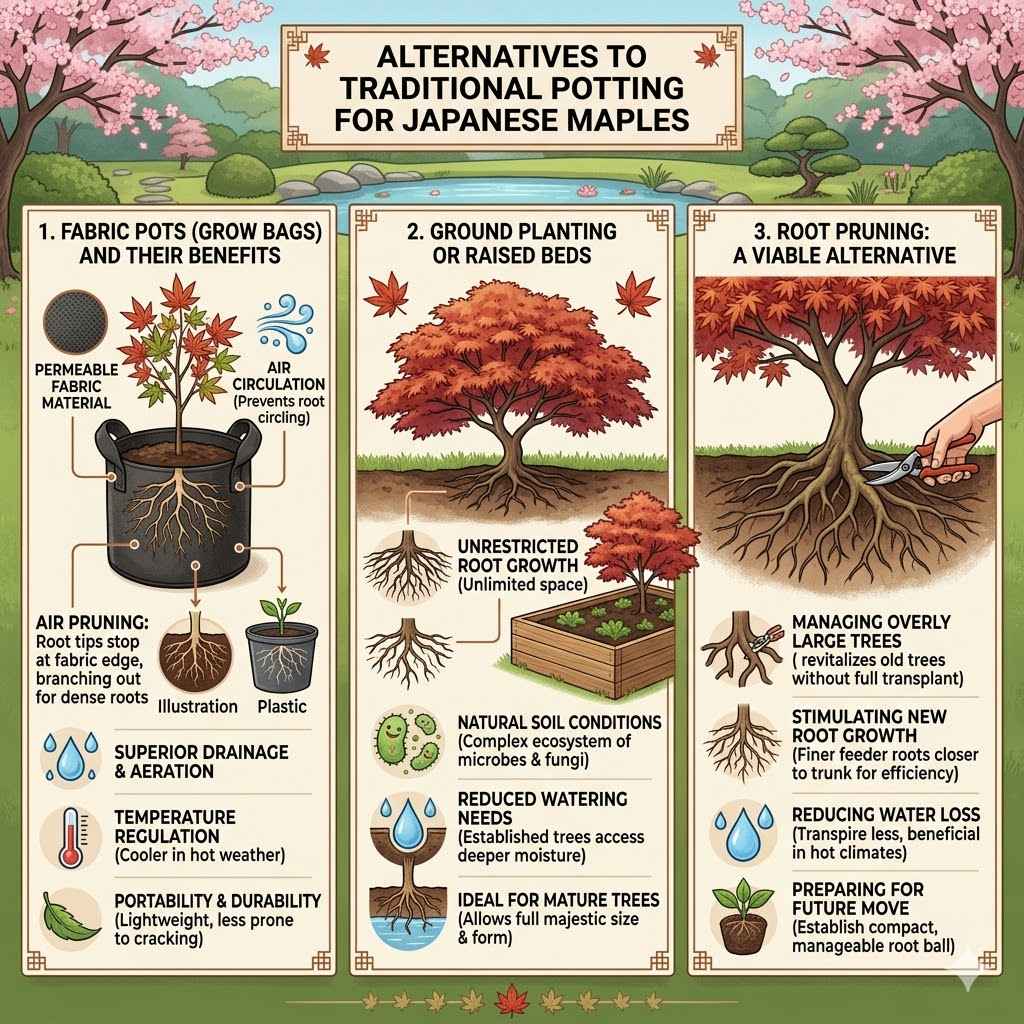
Fabric pots, often called grow bags, are a popular alternative for many plants, including Japanese maples. They are made from permeable fabric materials, which offer several advantages over rigid plastic or ceramic pots.
The porous nature of fabric pots allows for excellent air circulation. This is crucial for healthy root development. It also prevents the roots from circling, a common problem in plastic pots.
When roots reach the edge of a fabric pot, they are air-pruned, meaning they stop growing and branch out, creating a denser, healthier root system.
Air Pruning: As roots grow and touch the fabric, they are exposed to air. This causes the root tips to stop growing and to branch out. This process prevents the formation of a dense, circling root ball, leading to a more fibrous and robust root system.
It mimics how roots would grow in the ground.
Superior Drainage and Aeration: The permeable fabric allows excess water to drain freely and ensures that the roots receive plenty of oxygen. This prevents waterlogging and reduces the risk of root rot, a common issue in containers with poor drainage. Good aeration is vital for root respiration.
Temperature Regulation: Fabric pots tend to stay cooler in hot weather compared to plastic pots. They can also release heat more effectively, preventing the roots from overheating. This provides a more stable environment for the tree’s root system.
Portability and Durability: Fabric pots are lightweight and easy to move, even when filled with soil. They are also quite durable and can last for several seasons. Their flexibility means they are less prone to cracking than rigid pots.
Using Raised Beds or Ground Planting
For Japanese maples that you intend to keep for a long time, planting them directly in the ground or in a raised bed offers the most natural and beneficial environment. This approach completely eliminates the concern of root binding.
When planted in the ground, Japanese maples have unlimited space to develop their root systems. This allows them to reach their full potential in terms of size and health. Raised beds can offer some of the benefits of ground planting while still providing good drainage and soil control, especially in areas with poor native soil.
Unrestricted Root Growth: In the ground, roots can spread far and wide, anchoring the tree securely and accessing a vast supply of water and nutrients. This leads to a much stronger and healthier plant compared to one confined to a pot.
Natural Soil Conditions: Trees can benefit from the complex ecosystem of soil microbes and fungi present in natural ground soil. This contributes to overall plant health and resilience, which is harder to replicate in a pot.
Reduced Watering Needs: Once established, trees planted in the ground typically require less frequent watering than potted plants, as their roots can access deeper moisture reserves.
Ideal for Mature Trees: For larger, more mature Japanese maples, planting in the ground is the most appropriate long-term solution. It allows them to grow to their full majestic size and form without any artificial limitations.
When to Consider ‘Root Pruning’ Instead of Repotting
Sometimes, a Japanese maple might be too large or difficult to repot entirely. In such cases, a technique called root pruning can be a viable alternative to keep the tree healthy in its existing container or garden bed.
Root pruning is essentially a way to manage the size of the root system. It encourages the plant to produce finer feeder roots closer to the trunk. This makes the plant more efficient at absorbing water and nutrients, and can revitalize an older, potentially root-bound specimen without a full transplant.
Managing Overly Large Trees: If your Japanese maple has become very large, lifting it out of a massive container or digging it up from the ground can be extremely challenging and stressful for the tree. Root pruning allows you to maintain its health without the trauma of a complete repotting.
Stimulating New Root Growth: Similar to pruning branches to encourage new growth, root pruning stimulates the development of new, finer roots from the cut ends. These new roots are more efficient at absorbing water and nutrients, which can revive a struggling tree.
Reducing Water Loss: By reducing the overall root mass, the tree will transpire less water. This can be beneficial in keeping the tree hydrated, especially in hot climates or if the tree is in a location where it is difficult to water regularly.
Preparing for a Future Move: If you know you will eventually need to move a large Japanese maple, performing root pruning a year or two in advance can help it establish a more compact and manageable root ball for the eventual transplant.
Conclusion
Japanese maples do not like being root bound. They thrive with space for their roots to grow. Proper repotting and care prevent stress and promote healthy growth.
Providing adequate room ensures your tree remains vibrant and beautiful.
Frequently Asked Questions
Question: Do Japanese maples need special soil if they are root bound?
Answer: If your Japanese maple is root bound, the best soil is a fresh, well-draining potting mix. This helps new roots grow easily and prevents waterlogging. Avoid using heavy garden soil, which can become too compacted.
Question: Can I leave a root-bound Japanese maple in its pot for one more year?
Answer: You might be able to, but it’s not ideal. If you notice signs of root binding, repotting sooner rather than later is best. Leaving it longer can stress the tree and lead to health problems.
Question: How do I know if my Japanese maple has root rot from being root bound?
Answer: Signs of root rot include a foul smell from the soil, mushy or black roots, and wilting even when the soil is moist. Overwatering in a compacted, root-bound pot often leads to this issue.
Question: What are the benefits of planting Japanese maples in the ground?
Answer: Planting in the ground allows Japanese maples unlimited root space. This leads to stronger growth, better access to water and nutrients, and a more resilient tree that requires less frequent watering once established.
Question: How much bigger should the new pot be when repotting?
Answer: When repotting, choose a new pot that is only one or two sizes larger than the current one. This means about a 2-4 inch increase in diameter. A pot that is too big can lead to overwatering issues, as it holds too much soil that stays wet for too long.
Final Thoughts
Japanese maples need room for their roots to grow freely. Being root bound causes stress and limits growth. Repotting when needed, using good soil, and providing adequate space are key steps.
Your tree will reward you with its stunning beauty and health when its root system is happy.