Composite Decking for Raised Garden Beds: Leach Chemicals?
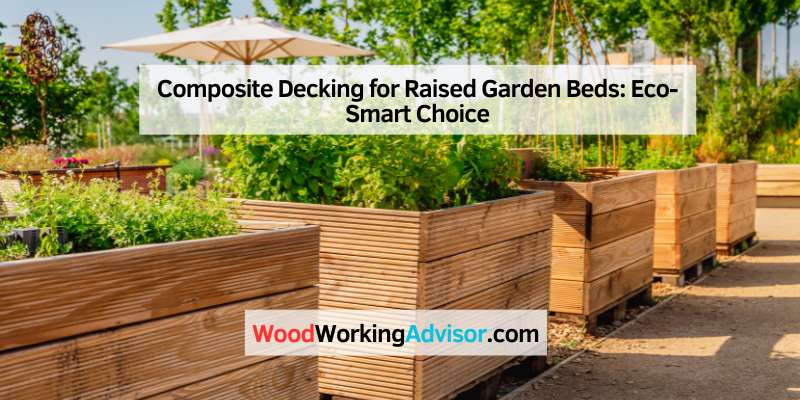
Composite decking works well for raised garden beds because it skips the CCA arsenic found in old pressure-treated wood — but it isn’t a certified “food-safe” material, and quality varies by manufacturer. Cheap unbranded boards can shed UV stabilizers and colorants into damp soil over years, while brands like Trex are explicitly rated for ground contact. This guide covers real leaching data, ideal bed depth, heat risk, and how composite stacks up against cedar, treated wood, and metal.
Quick Answer
Composite decking is a reasonably safe choice for raised garden beds — it contains no CCA arsenic and needs no rot-preventing chemical treatment. But “food-safe” isn’t a regulated claim on decking, so stick to name-brand boards (Trex, TimberTech) that explicitly say they’re rated for ground contact, use at least 12 inches of soil depth, and expect the surface to get hot in direct summer sun.
Does Composite Decking Leach Chemicals Into Garden Soil?
Best Raised Bed Liner Pick
EcoBrisa 2-Pack Raised Bed Liner (63 x 114 in) – $23.17
Cuttable non-woven fabric that stops soil from touching the composite boards directly — the simplest way to remove any leaching guesswork covered above, without switching materials.
- Best for: lining a 4×8 ft or smaller composite-framed bed
- Why we picked it: two liners in one order, enough for most single-bed builds with trim-off allowance
- Main drawback: needs scissors to fit non-standard bed shapes
Compare more raised bed liner options
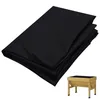 Option 1 Single Liner (63 x 114 in) – $19.99
|
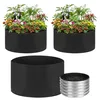 Option 2 Sibosen 3-Pack Round Liner (2x2x1 ft) – $19.99
|
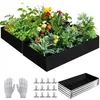 Option 3 Mizelu 2-Set Breathable Liner Bag – $26.99
|
As an Amazon Associate we earn from qualifying purchases.
Composite decking is a blend of wood fibers and recycled plastic (usually HDPE or PP), bonded under heat and pressure into a dense, inert material. Unlike treated wood used in raised garden beds, it contains no fungicide or insecticide preservative designed to leach into soil over time — there’s simply no chemical treatment to migrate.
That said, “food-safe” is marketing language, not a regulatory certification — no agency tests decking boards for food-contact safety the way it tests cookware. Lower-cost, unbranded composite can include UV stabilizers, colorants, and mold inhibitors that may release trace amounts under years of moisture exposure. One independent study of recycled-plastic composite panels found heavy-metal and organic-carbon release stayed within safe industrial wastewater thresholds — reassuring for outdoor construction use, but it isn’t a food-safety test, and results vary by manufacturer formulation.
Trex is one of the few composite manufacturers that states in writing that its boards are fine for direct soil contact in raised beds. If you’re growing edible crops, buy a brand that makes that claim explicitly rather than assuming it applies to any composite board. The simplest fix that removes the guesswork entirely: line the inside of the bed with landscape fabric or a food-grade plastic liner so soil never touches the boards directly.
How Deep Should a Raised Garden Bed With Composite Decking Be?
Most vegetables need at least 12 inches of soil depth to develop a full root system; root crops like carrots and potatoes do better with 16–18 inches. Trex’s own raised-bed build guide specs a board height of 1.5 feet (18 inches) for exactly this reason — and because composite isn’t as structurally dense as solid wood, a bed that tall needs corner bracing or steel L-brackets at every joint, not just screws through the face.
For width, keep beds to 4 feet or less so you can reach the center from either side without stepping on the soil and compacting it.
Composite vs. Cedar vs. Treated Wood vs. Metal for Raised Beds
| Material | Cost / Lifespan | Chemical-Safety Notes | Best For |
|---|---|---|---|
| Composite decking | $3–$8/ft – 25–50 yrs | No CCA arsenic; additives vary – use a brand rated for ground contact | Long-term, low-maintenance beds |
| Cedar | $4–$9/ft – 10–15 yrs | Naturally rot-resistant, no added preservatives | Organic gardening, classic look |
| Pressure-treated wood (ACQ) | $2–$4/ft – 10–20 yrs | No CCA arsenic since 2004, but ACQ leaches more total copper than CCA did (lower toxicity) | Budget builds, use with a liner |
| Galvanized metal | $5–$12/ft – 20–30+ yrs | Zinc coating is inert; heats up fastest of all four in direct sun | Cool-climate beds, modern look |
Does Composite Decking Get Hot in a Raised Bed?
Yes — dark-colored composite absorbs more heat than bare wood, and manufacturers are upfront about it. Trex’s own installation guide for its Transcend Lineage boards states it plainly:
“Although Trex Transcend Lineage is designed to be cooler than most other composite decking products of a similar color, on a hot sunny day, it will get hot.”
In practice this mostly matters for skin contact — kids or pets resting a hand on the top rail — rather than the soil itself, since soil several inches down stays far cooler than the board surface. Choose a lighter color if the bed sits in full afternoon sun, and skip a black or dark-brown cap rail in hot climates.
Benefits Of Composite Decking For Garden Beds
Durability Against Elements
Composite decking is built to handle moisture and temperature swings that make traditional wood rot, warp, or splinter. Its blend of wood fibers and recycled plastic resists deterioration, so a raised bed built from it stays structurally sound for years without replacement boards.
Resistance To Pests And Rot
Untreated wood is a food source for termites and other wood-boring insects, and it rots when it stays damp. Composite decking isn’t an attractive food source for pests and doesn’t rot, which protects the bed structure and keeps your plants growing in soil instead of collapsing lumber.
Low Maintenance Requirements
Wood garden beds need regular sealing, staining, and re-treating to hold off rot. Composite boards need none of that — soap and water handles routine cleaning, which saves the ongoing cost of sealants and the labor of reapplying them every season.
Aesthetic Appeal And Variety
Color Options And Finishes
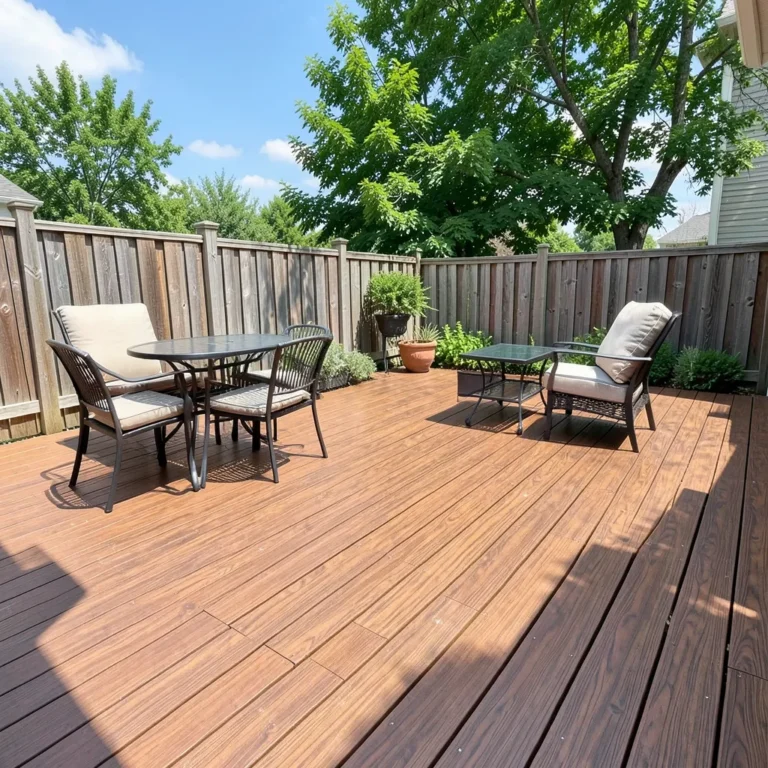
Composite decking comes in a range of colors and finishes, from natural wood-toned browns to modern grays, so you can match the bed to your home’s exterior or the rest of your yard’s hardscaping.
Blending With Garden Design
Whether your garden leans modern and minimalist or lush and informal, composite decking boards can be cut and finished to match — unlike raw wood, the color won’t fade or gray unevenly as it weathers.
Sustainability of Composite Decking
Composite decking is made largely from recycled wood fibers and post-consumer plastic, which reduces both new logging demand and plastic sent to landfills. Because boards last decades without replacement, the material also generates less long-term waste than a wood bed that needs rebuilding every 10–15 years.
Potential Drawbacks To Consider
Cost Comparison With Natural Wood
Composite boards typically cost more upfront than cedar or pressure-treated wood (see the comparison table above), but the gap narrows — and often reverses — over a 15–20 year horizon once you factor in the sealant, stain, and replacement-board costs that wood beds require and composite doesn’t.
Installation Tips For Raised Garden Beds
Selecting The Right Composite Boards
Choose boards designed for outdoor ground contact rather than leftover deck-surface scraps, since surface boards aren’t always rated for the constant soil moisture a raised bed exposes them to. If you’re pricing options, our guide to 8-foot composite deck board prices breaks down what different board lengths and grades cost per bed.
Constructing A Durable Frame
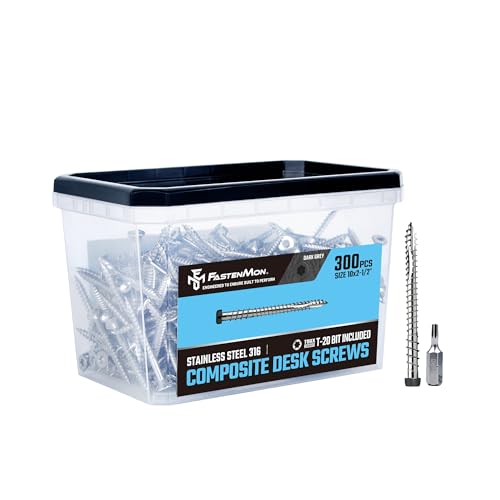
A metal-braced frame keeps a tall composite bed square under the weight of wet soil. Pre-drill near board edges with a 1/8-inch bit to stop splitting, and fasten with color-matched composite deck screws rather than standard wood screws, which can strip the softer composite face.
Proper Drainage Solutions
Without drainage, soil in a raised bed waterlogs and roots rot. Drill drainage holes along the base or add a 2–3 inch gravel layer before filling with soil, and pair it with the liner discussed above so drainage and chemical isolation are handled in the same step.
Materials to Avoid in a Food Garden Bed
Not every reclaimed or budget material belongs in a bed growing food. Avoid railroad ties and utility poles treated with creosote, which is a registered pesticide not approved for residential garden use, and avoid any lumber stamped “CCA” — chromated copper arsenate hasn’t been sold for residential use since 2004, but old stock and reclaimed boards still turn up at salvage yards.
📊 CCA (chromated copper arsenate) was pulled from residential wood treatment in 2004. Its replacements — ACQ, copper azole, and micronized copper — actually leach more total material than CCA did, but what leaches (copper-based compounds) is far lower in toxicity than the arsenic CCA released. — Source: National Pesticide Information Center, Treated Wood Fact Sheet
If you already have treated lumber you’re considering for a garden bed, check which chemical it was treated with before assuming it’s equivalent to composite — and if you’re weighing composite against wood decking generally rather than specifically for a garden bed, our full composite-vs-wood decking comparison covers durability, cost, and maintenance for standard decks.
Creative Uses Beyond Garden Beds
The same boards that work for a raised bed also make durable garden edging, and the offcuts from a bed project are usually enough to edge a nearby path or flower border — a practical way to use material left over from a larger composite decking project.

Maintenance And Longevity
Cleaning And Care For Composite Materials
- Sweep the surface regularly to remove soil and debris.
- Clean with mild soap and water — skip harsh chemicals or pressure washers, which can damage the surface.
- Check for mold growth in shaded, damp corners and treat promptly with an appropriate cleaner.
Lifespan And Cost-Effectiveness
Composite beds commonly last 25–50 years depending on the manufacturer, versus 10–15 years for an unsealed cedar bed. The higher upfront cost is usually offset within a decade once you account for the sealant and replacement-board costs a wood bed requires.
Frequently Asked Questions
Can You Use Composite Decking For Raised Garden Beds?
Yes. Composite decking is durable, low-maintenance, and resists rot, mold, and insects without needing the preservative treatments wood requires. Choose a brand explicitly rated for ground contact, use at least 12 inches of soil depth, and expect some heat retention in direct sun.
Does Composite Decking Leach Chemicals Into The Soil?
It contains no CCA arsenic and needs no rot-preventing chemical treatment, so there’s nothing designed to leach. Lower-cost unbranded boards can release trace amounts of UV stabilizers or colorants over years of moisture exposure. For edible gardens, use a name-brand board rated for ground contact, or line the bed interior with landscape fabric to remove any direct soil contact.
How Deep Should A Raised Garden Bed With Composite Decking Be?
At least 12 inches for most vegetables, 16–18 inches for root crops like carrots and potatoes. Trex’s own build guide specs 18-inch-tall boards for this reason, with corner bracing to keep composite’s lighter structure square under wet soil.
Does Composite Decking Get Hot In A Raised Bed?
Yes, dark-colored boards get noticeably hot in direct summer sun — Trex says as much in its own installation guide. This mainly affects skin contact with the top rail rather than the soil, which stays cooler several inches down. Choose a lighter color for beds in full afternoon sun.
What Is The Main Disadvantage Of Composite Decking For Garden Beds?
Heat retention and warping risk in extreme temperature swings, plus a higher upfront cost than wood. Both are manageable with a lighter board color and proper bracing, and the upfront cost is usually offset by lower long-term maintenance.
Can You Use Composite Decking For Garden Edging?
Yes. It resists rot, mold, and insects the same way it does in a raised bed, and offcuts from a bed-building project are usually enough to edge a nearby path or border without buying extra material.
Conclusion
Composite decking is a solid choice for raised garden beds when you buy from a manufacturer that explicitly rates its boards for ground contact — it skips the arsenic history of old treated wood, resists rot and pests without chemical treatment, and lasts decades with minimal upkeep. Line the interior with landscape fabric if you want to remove any leaching question entirely, build to at least 12 inches deep, and expect the surface to run hot in direct sun.
Sponsored / affiliate links. As an Amazon Associate I earn from qualifying purchases. I may earn additional commission from eligible campaigns.