How to Prevent Cedar From Turning Gray
Apply a UV-blocking bleaching oil or solid-color stain to stop cedar from turning gray — clear sealers block moisture but not UV, so bare or clear-sealed cedar still silvers within a year. Skipping UV protection lets sunlight break down the wood’s lignin, the compound that holds its color, leaving a rough gray surface that traps mold. This guide covers why cedar grays, which finish actually stops it, and how often to reapply.
Why Cedar Turns Gray
Best UV-Blocking Cedar Sealer Pick
Ready Seal Exterior Wood Stain & Sealer, Natural Cedar, Turbo Spray – $19.98
An oil-based, semi-transparent stain and sealer that matches the “choose a UV-blocking finish” step above — the Turbo Spray applies in one coat with no back-brushing.
- Best for: small-to-medium surfaces — railings, planters, porch trim
- Why we picked it: oil-based formula penetrates deep and needs no back-brushing, matching this guide’s application steps
- Main drawback: the 24 oz can covers about 50 sq ft, so a full fence or deck needs several cans
Compare more cedar sealer and stain options
 Option 1 Ready Seal 112 Stain & Sealer, Natural Cedar, 1 Gal – $39.99
|
 Option 2 Olympic WaterGuard Woodland Cedar, 1 Gal – $31.98
|
 Option 3 DEFY Extreme Semi-Transparent, 1 Gal – $54.54
|
As an Amazon Associate we earn from qualifying purchases.
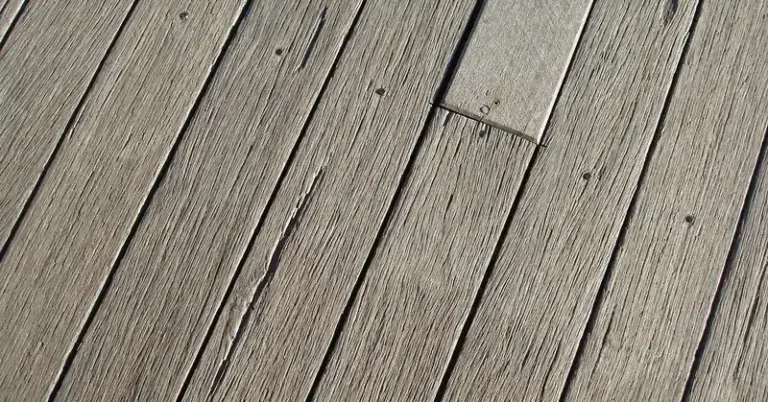
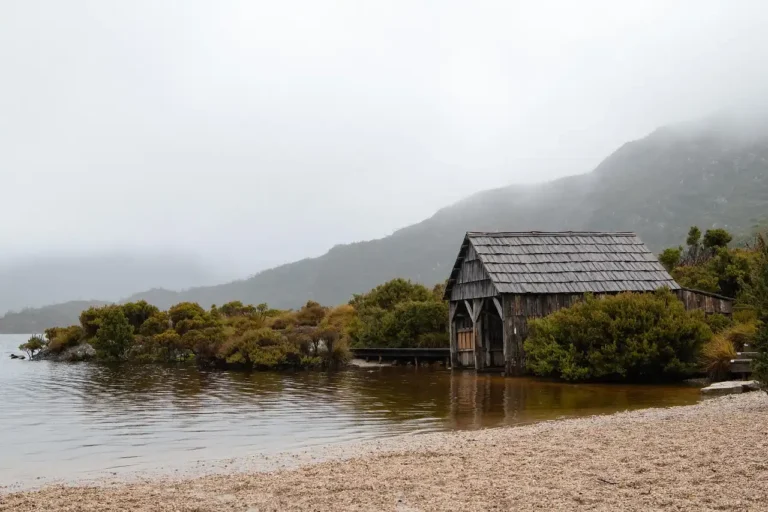
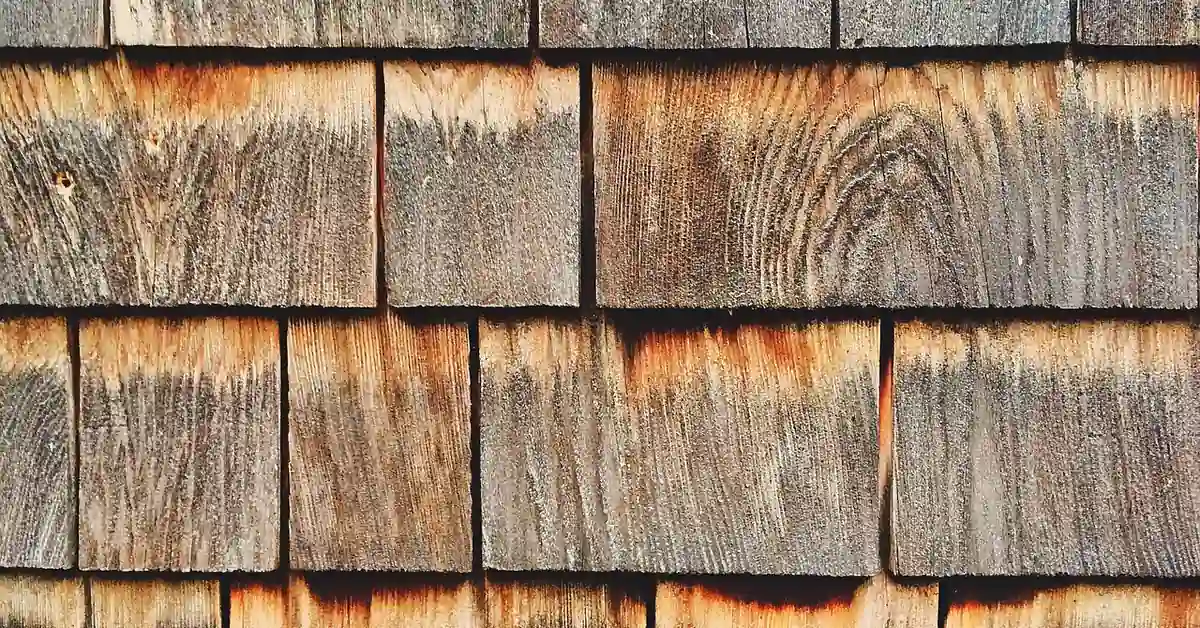
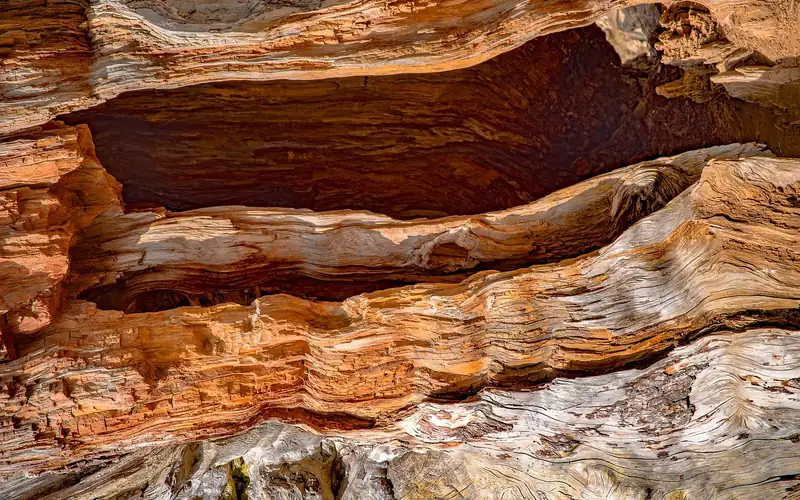
Cedar graying is UV damage, not dirt. Sunlight breaks down lignin, the natural glue that holds wood fibers together and gives cedar its warm red-brown color. As lignin degrades, mostly colorless cellulose is left behind on the surface, which is what reads as silver-gray. Moisture speeds this up: rain and dew wash the degraded lignin and natural oils out of the wood, and repeated wetting-and-drying opens microscopic surface cracks that let UV rays penetrate deeper with each cycle.
Untreated cedar can start showing gray patches within a few months in full sun, and most boards are fully silvered within one to two seasons. Unfinished cedar left outdoors will always eventually gray — there is no permanent way to stop it without a finish, only ways to slow it down or restore the color afterward.
How to Prevent Cedar From Turning Gray
Follow these steps in order — skipping the cleaning or drying steps is the most common reason a new finish fails within months instead of years.
- Let new cedar weather first: Wait two to four weeks after installation before finishing new cedar — see how soon you can seal cedar wood for the full timeline. Fresh-cut boards still carry natural mill oils that stop a finish from soaking in and bonding properly.
- Wash the surface: Scrub with a mild soap-and-water solution or a dedicated exterior wood wash to remove dirt, mildew, and surface tannins. Rinse thoroughly.
- Dry completely: Let the wood dry at least 48 hours before applying any finish. Trapped moisture under a fresh coat causes peeling and blotching.
- Choose a UV-blocking finish: Pick a bleaching oil, solid-color stain, or paint — not a clear sealer. Clear sealers repel water but block almost no UV, so the wood will still gray underneath a clear coat.
- Apply on a dry, mild day: Brush, roll, or spray two thin coats rather than one heavy one, letting the first coat dry fully before the second.
- Reapply on schedule: Inspect annually and reapply before the finish fully wears through — see the reapplication windows by finish type below.
Best Finishes to Prevent Cedar From Graying
Real-world exposure testing by the Western Red Cedar Lumber Association gives the clearest picture of how long each finish type actually holds up on textured cedar before it needs another coat. If you want the full breakdown of every option, see our roundup of the best exterior cedar wood stains:
| Finish Type | Expected Life (Textured Cedar) | UV Protection |
|---|---|---|
| Paint | Up to 12 years | Highest — fully opaque |
| Solid-color stain | 4 to 6 years | High |
| Bleaching oil / gray weathering stain | 5 to 6 years | High |
| Semi-transparent stain | 2 to 4 years | Moderate |
| Clear water-repellent sealer | 1 to 2 years | Low — little to none |
📊 A clear sealer on textured cedar lasts just 1–2 years before the wood starts graying underneath it, versus 4–6 years for a solid-color stain and up to 12 years for paint. — Source: Real Cedar (Western Red Cedar Lumber Association), Outdoor Cedar Finishing Tips
“There’s always the low-maintenance option of letting your western red cedar outdoor projects weather to a beautiful silver grey. But if that doesn’t suit your personal palette, there’s a wide range of finishing products you can apply to retain, or alter, your wood’s color.”
Regular Maintenance Schedule
A finish only works as long as it’s intact. Cleaning and reapplying on schedule — not the specific brand — is what actually keeps treated cedar from graying long-term.
Cleaning Frequency
Wash cedar at least once a year, twice in humid or shaded climates where mildew grows faster. Use a mild soap and water with a soft brush, scrub gently with the grain, then rinse and let the wood dry completely before inspecting the finish.
Reapplication By Finish Type
Use the table above as your reapplication clock: clear sealers need a fresh coat every 1–2 years, semi-transparent stains every 2–4 years, and solid-color stains or bleaching oils every 4–6 years. Reapply before the current coat fully wears through — once bare wood is exposed to UV again, graying restarts immediately.
Restoring Cedar That’s Already Gray
Gray cedar can be restored, but the gray surface fibers have to come off first — a new finish won’t bond to dead, UV-damaged wood. Light graying comes off with a stiff-bristle scrub and a wood cleaner; deeper, years-old graying usually needs an oxalic-acid-based wood brightener or light sanding to reach fresh wood underneath.
- Mix a vinegar solution: one part white vinegar to two parts water, applied with a soft brush, for light surface graying and mildew.
- Make a baking soda paste: mix baking soda with water, spread it on the grayed area, let it sit 10 minutes, then scrub with a soft brush and rinse.
- Use a wood brightener for deeper graying: an oxalic-acid brightener neutralizes the gray discoloration and lightens the wood back toward its natural tone before you reseal.
- Wear gloves and goggles and work in a ventilated area — avoid inhaling fumes from any cleaning solution and keep kids and pets clear during application.
Climate, Cedar Species, and Uneven Graying
Western red cedar and incense cedar are the two species most commonly used outdoors, and both gray the same way — UV and moisture, not species, drive the color change. What varies by climate is speed: full-sun, high-humidity, or coastal locations gray cedar faster than dry, shaded ones, and saltwater air accelerates it further.
Uneven graying on the same structure is normal, not a defect. South- and west-facing sides get more direct sun and gray first; north-facing or shaded sides can stay warm brown for years longer. If you want a uniform look, plan to finish all exposed sides at the same time rather than reacting to the sunniest side first.
Seasonal Cedar Care Tips
- Spring: Wash the cedar with a mild soap solution and inspect last year’s finish for wear.
- Summer: Apply or touch up a UV-blocking stain during a stretch of dry, mild-temperature days.
- Fall: Check for cracks, loose boards, or peeling finish and repair before winter moisture sets in.
- Winter: In freeze-prone climates, avoid finishing below the product’s minimum application temperature — see staining wood in cold weather for the cutoff — and let snow melt off rather than scraping it.
Common Mistakes to Avoid
Avoid harsh chemicals and over-maintenance — both damage cedar faster than the sun does.
Over-Maintenance Pitfalls
Excessive washing, sanding, or re-coating can trap moisture in the wood and lead to rot instead of preventing it. Follow the reapplication windows in the table above rather than reapplying “just in case” — a fresh coat over an intact one adds thickness without adding protection.
Choosing the Wrong Product
A clear sealer marketed as “waterproofing” often blocks moisture without blocking UV, so cedar treated with one still grays — it just also beads water while doing it. Check the label specifically for UV protection, not just water repellency, before buying.
Frequently Asked Questions
How Do You Stop Cedar From Going Gray?
Apply a UV-blocking finish — a bleaching oil, solid-color stain, or paint, not a clear sealer — and reapply on schedule (4–6 years for solid stain, 1–2 for clear sealer). Clean the wood at least once a year to remove dirt and mildew that speed up graying between coats.
What Can I Put on Cedar to Keep Its Natural Color?
Use a UV-blocking bleaching oil or a lightly tinted semi-transparent stain — both let the wood grain show while filtering out the UV rays that break down lignin. A fully clear sealer will not keep the color, since it offers little to no UV protection.
Can Gray Cedar Be Restored?
Yes. Clean the wood with a deck cleaner, treat deeper graying with an oxalic-acid wood brightener or light sanding to remove the dead surface fibers, then apply a UV-blocking stain or sealer once the wood is dry. Skipping the brightener or sanding step causes the new finish to bond poorly and peel early.
What Causes Cedar to Turn Gray?
UV rays break down lignin, the compound that gives cedar its color, while moisture washes the degraded lignin and natural oils out of the surface. The combination leaves behind mostly colorless cellulose, which appears silver-gray.
How Long Does It Take for Cedar to Turn Gray?
Unfinished cedar in full sun can show the first gray patches within a few months and is usually fully silvered within one to two seasons. Shaded or covered areas take noticeably longer, which is why the same structure often grays unevenly.
Is Gray, Weathered Cedar Still Good Wood?
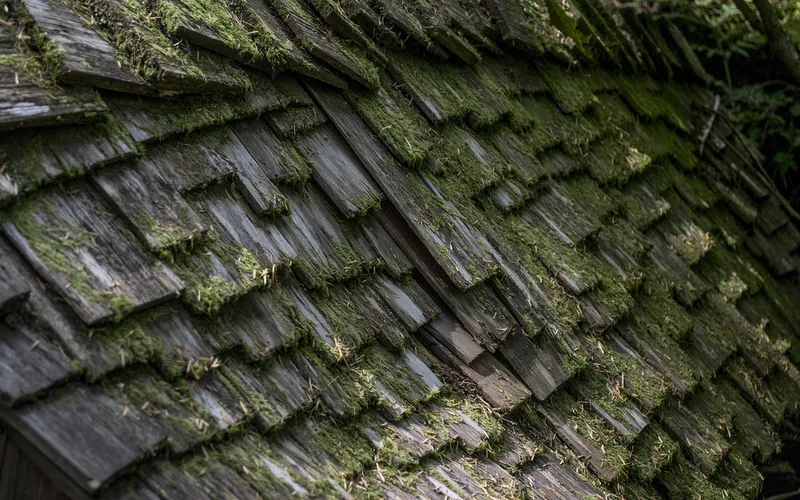
Cosmetically yes, but graying is a sign the wood’s protective oils are gone from the surface, not purely a color change. The dead surface fibers left behind can hold moisture and become a base for mold or mildew, which is part of why cedar can eventually rot if graying is ignored for years. Grayed cedar that’s otherwise sound still benefits from cleaning and a UV-blocking finish rather than being left indefinitely. Indoor cedar behaves differently since it’s shielded from rain and direct UV — see whether cedar turns gray indoors for that separate case.
Conclusion
Cedar grays because UV breaks down lignin and moisture washes it out — a UV-blocking finish is the only thing that actually stops it, and reapplying on schedule is what makes that protection last. Clean the wood annually, choose a bleaching oil or solid-color stain over a clear sealer, and if the graying already happened, a wood brightener or light sanding will bring back fresh color before you reseal. Consistent care keeps cedar’s rich tone for years instead of months.
Sponsored / affiliate links. As an Amazon Associate I earn from qualifying purchases. I may earn additional commission from eligible campaigns.