Do Japanese Maples Produce Syrup Surprising Truth
Many people wonder about trees and what they can offer. A common question that pops up is Do Japanese Maples Produce Syrup? Surprising Truth.
It might seem tricky because we often think of maple syrup coming from other types of maple trees. But don’t worry if this question feels a bit puzzling! We’re going to break it down step by step.
This guide will make things clear and simple for you. Let’s find out what’s really happening with Japanese maple sap.
Understanding Japanese Maple Sap Production
This part looks at the basics of why people ask about Japanese maple syrup and what you can expect. We will explain why it’s a surprising truth and what makes these trees different from those we usually tap for syrup.
The Myth Versus Reality Of Maple Syrup
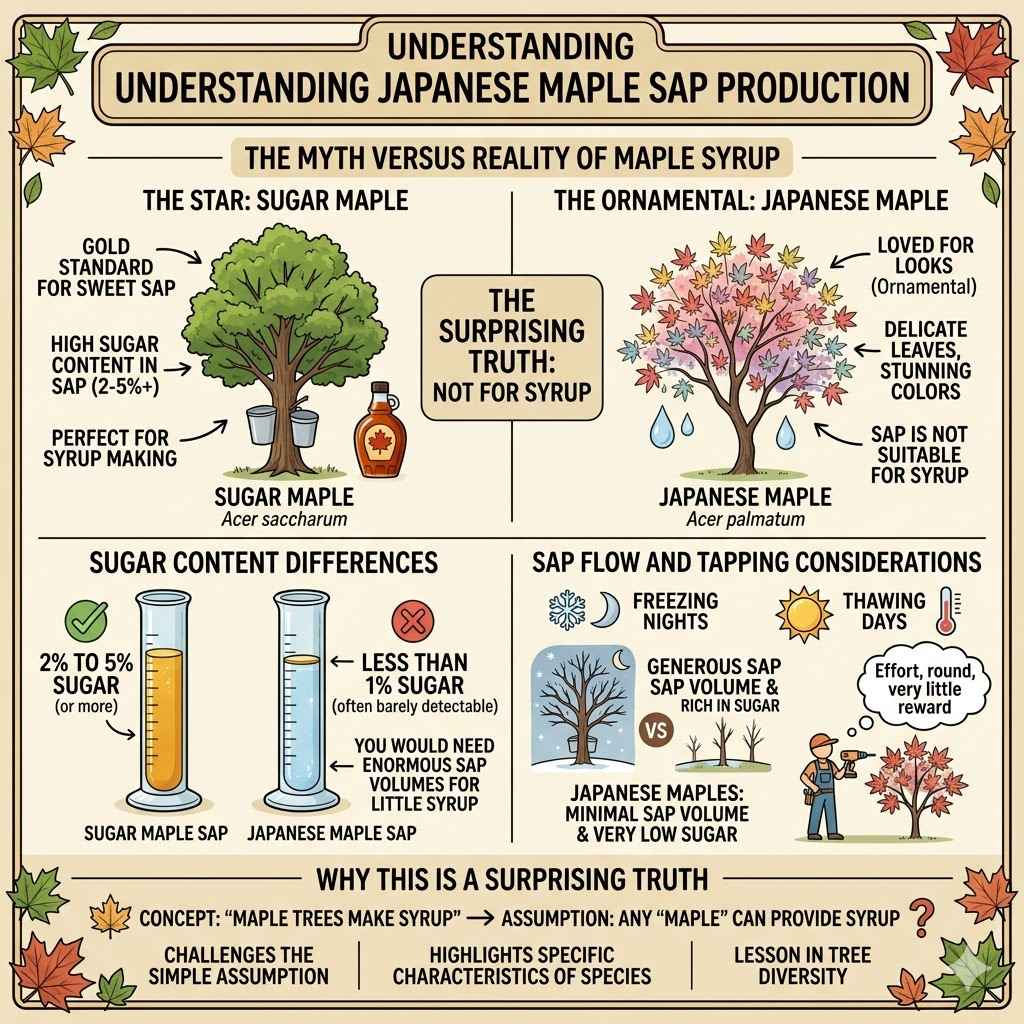
Most people know that maple syrup comes from maple trees. The most common ones used for this are sugar maples. They have a very high sugar content in their sap, making them perfect for syrup making.
This is why sugar maple trees are the stars of the syrup industry. When people think of maple trees, these are usually the ones that come to mind. They are the gold standard for sweet sap.
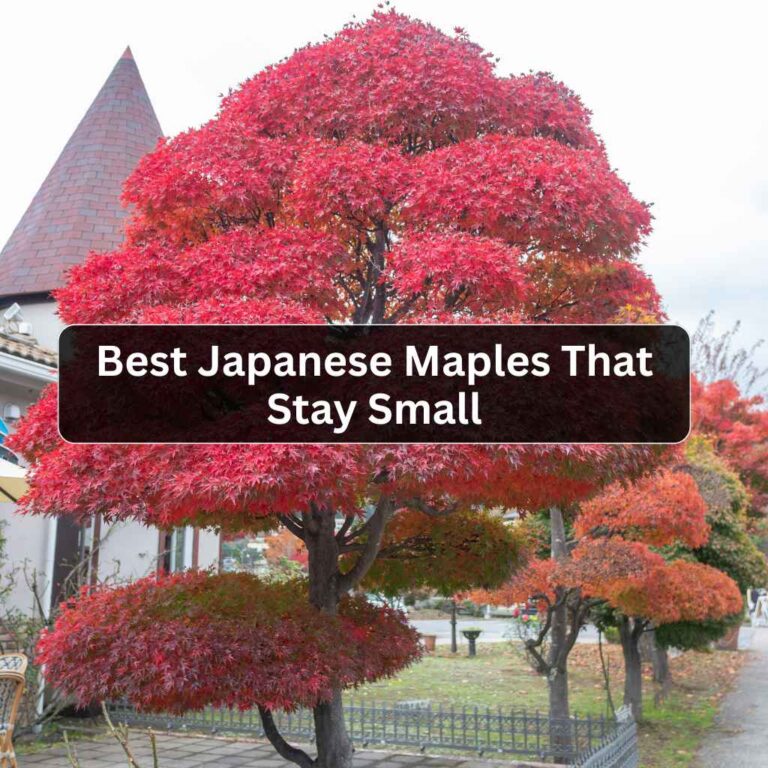
This common knowledge often leads to questions about other types of maple trees. Japanese maples are beautiful ornamental trees. They are loved for their delicate leaves and stunning colors.
Their main appeal is their looks, not their potential for syrup production. Because they are maples, some people naturally wonder if they can be tapped for syrup just like sugar maples.
The surprising truth is that while Japanese maples do produce sap, it’s generally not suitable for making syrup. Their sap has a much lower sugar content compared to sugar maples. This means you would need to boil down a very large amount of sap to get just a little syrup.
It’s not very practical or efficient. So, the dream of homemade Japanese maple syrup usually stays just that – a dream.
Sugar Content Differences
The biggest difference between Japanese maples and syrup-producing maples is the sugar content in their sap. Sugar maples, also known as Acer saccharum, have sap that typically contains around 2% to 5% sugar. Some can even reach up to 7% or more under ideal conditions.
This is a good amount, which means you don’t have to boil down a mountain of sap to get a decent yield of syrup.
Japanese maples, like Acer palmatum, have sap with a much lower sugar concentration. This usually falls below 1%. In many cases, it’s so low it’s barely detectable.
To make syrup, you need sap with a high enough sugar level so that when it’s boiled down, it becomes thick and sweet. With very low sugar sap, you would be boiling for days, and the resulting product would be watery and not very sweet, if sweet at all.
This low sugar content is the primary reason why Japanese maples are not used for commercial or even home syrup production. The effort required to collect enough sap and then boil it down to even a small amount of syrup would be enormous. It’s simply not an efficient use of time or resources.
So, while they are beautiful trees, syrup making isn’t their strong suit.
Sap Flow and Tapping Considerations
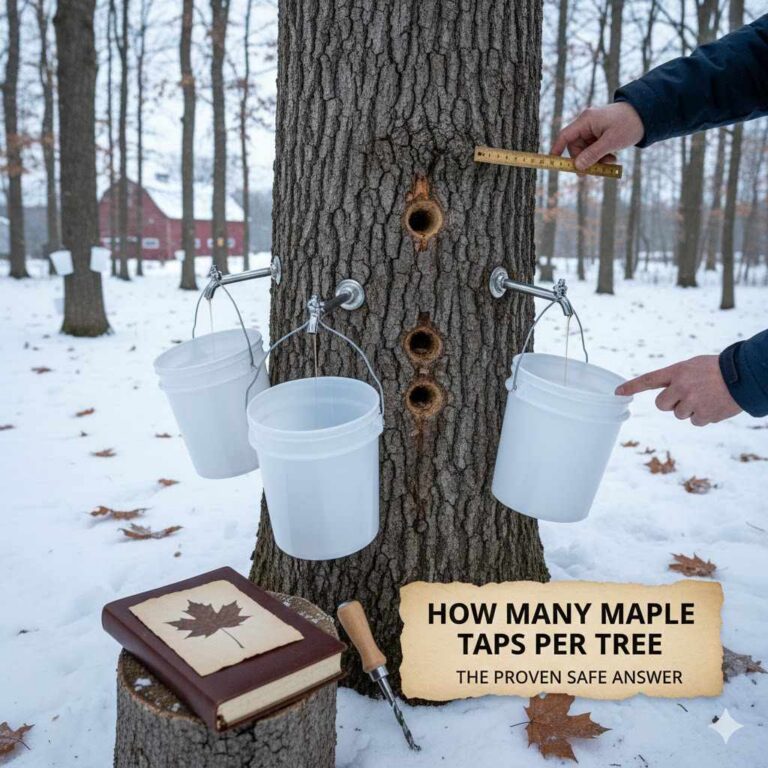
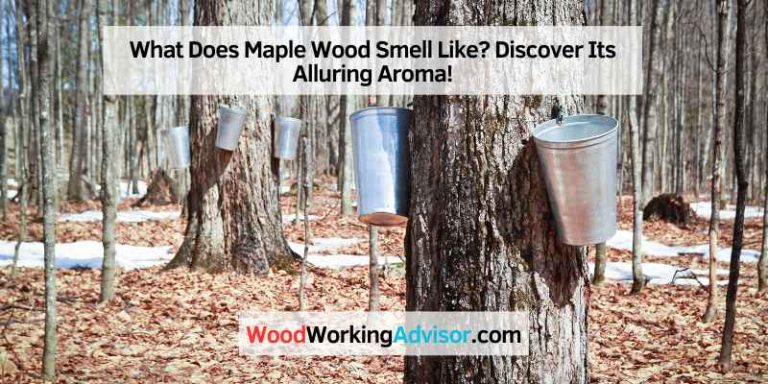
The way sap flows in a tree is important for tapping. Maple sap flows best when there are freezing nights followed by thawing days. This temperature fluctuation creates pressure inside the tree that pushes the sap out when a tap hole is made.
Both sugar maples and Japanese maples experience sap flow. However, the volume and quality of the sap differ greatly.
Sugar maples are known for producing a generous amount of sap during the tapping season. This makes them ideal for tapping large quantities. The sap is also rich in sugars, as we’ve discussed.
This allows for efficient syrup production, where a good amount of syrup can be made from the collected sap.
Japanese maples, while they do produce sap, do not yield it in the same volumes. More importantly, as mentioned, the sugar content is very low. Even if you were to tap a Japanese maple, you would likely collect very little sap, and that little sap would have minimal sugar.
Trying to tap them would probably result in a lot of effort for very little reward, if any syrup at all.
Why This Is A Surprising Truth
The “surprising truth” about Do Japanese Maples Produce Syrup? Surprising Truth arises because many people understand the general concept that “maple trees make syrup.” This is true, but it’s not true for all maple trees. The common association with maple syrup is so strong that it leads to an assumption that any tree labeled a “maple” must be capable of providing syrup.
Japanese maples are very popular garden trees. They are visually striking and widely recognized as maples. Their beauty often leads gardeners and nature enthusiasts to wonder about their potential uses beyond decoration.
When the topic of syrup comes up, it’s natural to connect it to any maple tree. This leads to the question of whether Japanese maples can also be tapped.
The surprise comes when people learn that while they can tap a Japanese maple, the result is usually disappointing for syrup making. It challenges the simple assumption that all maples are syrup producers. This difference highlights the specific characteristics of certain maple species, like the sugar maple, that make them suitable for this particular purpose.
It’s a good lesson in the diversity within tree species.
Comparing Maple Species For Syrup
Let’s look at how different types of maple trees stack up when it comes to making syrup. This section will compare the Japanese maple to the more common syrup producers and explain why some are better than others.
Sugar Maple The Traditional Choice
The sugar maple (Acer saccharum) is the undisputed champion of maple syrup production. This is the tree that sap producers rely on year after year. Its popularity is due to a combination of factors, all pointing towards efficient and high-quality syrup.
They are the backbone of the industry for good reason.
Firstly, sugar maples have sap that is naturally high in sugar content, typically ranging from 2% to 5%. This means that for every gallon of sap collected, you get a good amount of syrup after boiling. This high sugar concentration is crucial for making syrup production economically viable and rewarding.
Secondly, sugar maples produce a significant volume of sap. During the right weather conditions, a mature sugar maple can yield several gallons of sap per tapping. This abundance of sap further contributes to efficient syrup production.
The combination of high sugar content and high sap volume makes the sugar maple the ideal tree for this purpose.
Finally, the taste of syrup made from sugar maple sap is considered the classic, rich maple flavor that people know and love. Other maple species can produce syrup, but it often has subtle differences in taste. For many, the iconic maple syrup flavor is synonymous with the sugar maple.
Red Maple And Silver Maple Alternatives
While sugar maples are the top choice, other maple species can also be tapped for syrup, though with some caveats. Red maples (Acer rubrum) and silver maples (Acer saccharinum) are two such trees. They are more common in certain regions and are often considered as alternatives when sugar maples are scarce.
The sap from red and silver maples generally has a lower sugar content than sugar maples. It often falls in the range of 1% to 3%. This means you need to collect more sap and boil it for a longer time to produce the same amount of syrup.
The yield per tree is usually lower compared to sugar maples.
However, these trees are more adaptable to different soil conditions and can grow in a wider range of environments. This makes them accessible for people who may not have sugar maples on their property. If you have red or silver maples, it is still possible to make syrup, but it requires more effort and patience.
The flavor of syrup from red and silver maples can also differ slightly. It might be a bit lighter or have different subtle notes. Some people find it perfectly acceptable and enjoyable, while others prefer the distinct taste of sugar maple syrup.
It’s a matter of personal preference and what is available locally.
Japanese Maple Versus Others A Summary Table
To help illustrate the differences, here is a table comparing Japanese maples to the more commonly used maple trees for syrup production.
| Maple Type | Typical Sugar Content | Sap Yield | Syrup Suitability | Primary Use |
|---|---|---|---|---|
| Sugar Maple (Acer saccharum) | 2-5% (can be higher) | High | Excellent | Syrup Production |
| Red Maple (Acer rubrum) | 1-3% | Moderate | Good (requires more effort) | Ornamental, some syrup |
| Silver Maple (Acer saccharinum) | 1-3% | Moderate | Good (requires more effort) | Ornamental, some syrup |
| Japanese Maple (Acer palmatum) | Less than 1% | Low | Poor | Ornamental |
As you can see from the table, the key difference lies in the sugar content and sap yield. Japanese maples simply don’t have the necessary sugar levels or sap volume to be practical for syrup making. Their value is in their aesthetic beauty, not their sap.
Practicality Of Tapping Japanese Maples
When considering whether to tap a Japanese maple, the practicality is very low. For syrup making, you need a significant amount of sap with a decent sugar concentration. This allows for a reasonable conversion of sap to syrup through boiling.
Imagine you are trying to make syrup from a Japanese maple. Its sap has less than 1% sugar. For every gallon of sap, you might get just a few tablespoons of syrup, if any.
This is in stark contrast to sugar maples, where one gallon of sap can yield about 1/32 to 1/20 of a gallon of syrup. This ratio makes syrup production feasible.
Furthermore, the sap flow from Japanese maples is generally not as vigorous as from larger, mature sugar maples. Collecting enough sap to even attempt boiling would be a massive undertaking. It would require many taps on many trees, which isn’t practical for a hobbyist or even a small operation.
Therefore, while technically a Japanese maple produces sap and you could insert a tap, it’s not a viable or rewarding activity for making syrup. The effort far outweighs any potential outcome. It’s best to appreciate Japanese maples for their beauty and save the syrup tapping for species like the sugar maple.
Growing And Caring For Japanese Maples
While Japanese maples aren’t for syrup, they are wonderful trees for other reasons. This section will cover how to grow them and keep them healthy, focusing on their ornamental value.
Choosing The Right Japanese Maple
There are many varieties of Japanese maples, and choosing the right one is key to a beautiful garden. They come in different sizes, shapes, and leaf colors. Thinking about where you want to plant it and what you want it to look like will help you decide.
Consider the mature size of the tree. Some Japanese maples stay quite small, perfect for pots or small gardens. Others can grow much larger and need more space.
Think about the amount of sunlight the spot gets. Most Japanese maples prefer partial shade, especially in hot climates, to protect their delicate leaves from scorching.
The color of the leaves is also a big factor. You can find varieties with bright red leaves all summer, delicate lace-leaf patterns, or vibrant green foliage that turns stunning shades of orange and red in the fall. Research different cultivars like ‘Crimson Queen’ for weeping red leaves or ‘Katsura’ for bright green foliage that turns orange in autumn.
Planting And Soil Needs
Planting a Japanese maple correctly is important for its health and longevity. They prefer well-draining soil that is slightly acidic. Avoid heavy clay soils that can hold too much water, as this can lead to root rot.
When planting, dig a hole that is twice as wide as the root ball and just as deep. Gently loosen the roots if they are circling the pot. Place the tree in the hole so that the top of the root ball is level with the surrounding soil.
Do not plant it too deep.
Fill the hole with the original soil, mixed with some compost if your soil is poor. Water the tree thoroughly after planting. Mulching around the base of the tree, but not touching the trunk, helps to retain moisture and suppress weeds.
This provides a stable environment for the roots to establish.
Watering And Fertilizing
Japanese maples need consistent moisture, especially when they are young. Water them regularly, particularly during dry spells. However, be careful not to overwater, as this can be just as harmful as underwatering.
The soil should be moist but not waterlogged.
Young trees benefit from a light feeding in spring. Use a balanced, slow-release fertilizer formulated for trees and shrubs. Follow the package instructions carefully to avoid over-fertilizing, which can burn the roots.
Mature Japanese maples usually do not require much fertilization if they are planted in good soil.
The key is to observe your tree. If the leaves look dull or the growth is stunted, it might need more water or a light feeding. However, over-fertilizing can cause issues like leaf burn.
It’s better to err on the side of caution with these beautiful trees.
Pruning For Shape And Health
Pruning is essential for maintaining the shape and health of your Japanese maple. The best time to prune is typically in late winter or early spring, before new growth begins. This is when the sap flow is lower, and the tree is dormant.
When pruning, aim to remove any dead, damaged, or crossing branches. You can also prune to improve air circulation within the canopy. If you want to shape the tree, make selective cuts to encourage a desired form.
Some people prefer a more natural, flowing shape, while others like a more sculpted look.
Avoid excessive pruning. Japanese maples generally do not need to be heavily pruned. Over-pruning can stress the tree and make it more susceptible to diseases or pests.
Always use clean, sharp pruning tools to make smooth cuts. This helps the tree heal properly and prevents the spread of diseases.
When Is The Best Time To Tap Maple Trees
The ideal time for tapping maple trees is a critical factor for successful syrup production. This section will explain the weather conditions that trigger sap flow and the typical tapping season.
The Role Of Temperature Cycles
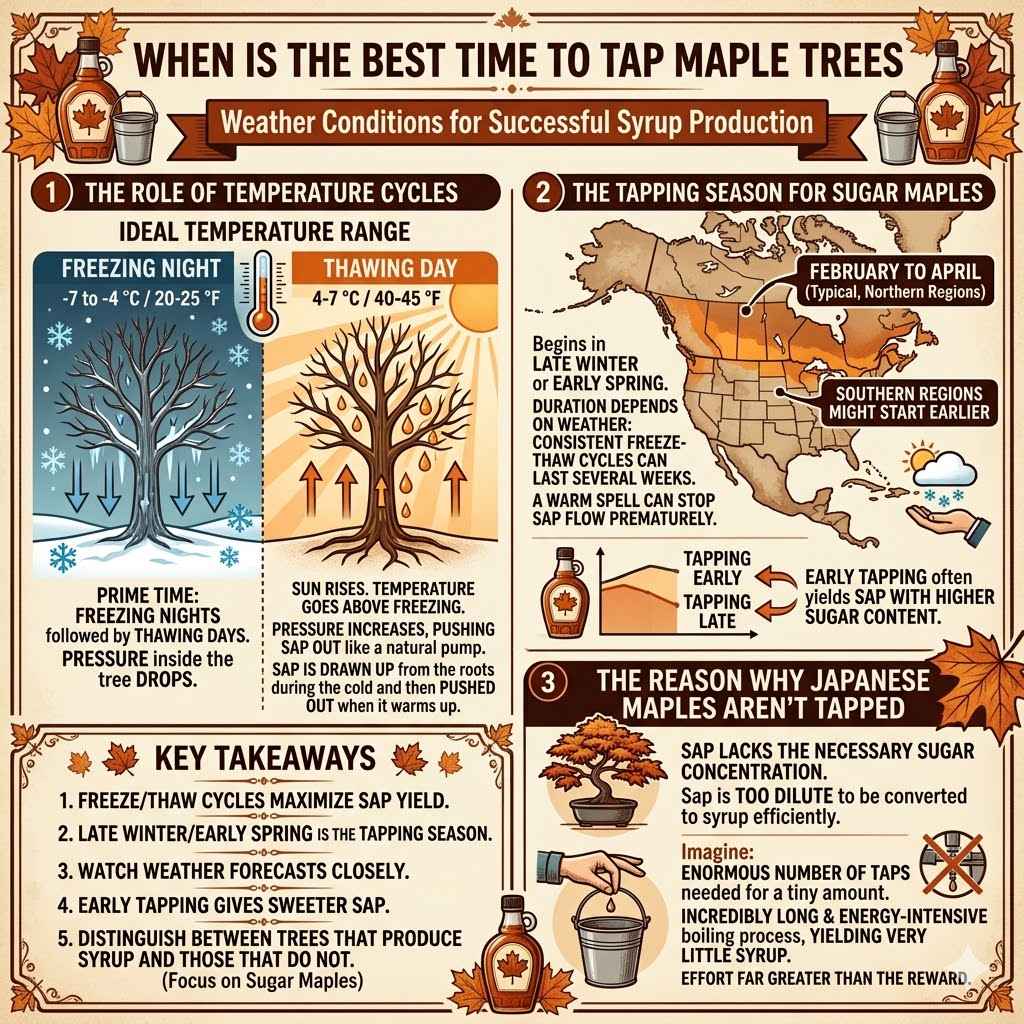
Maple sap flow is heavily influenced by temperature. The magic happens when there are freezing nights followed by thawing days. During a freezing night, the pressure inside the tree drops.
When the sun rises and the temperature goes above freezing, the pressure increases.
This cycle of pressure changes pushes the sap out of the tree. Think of it like a natural pump. The sap is drawn up from the roots during the cold and then pushed out through any small opening when it warms up.
This is why the timing of these temperature shifts is so important for sap collection.
The ideal temperature range for sap flow is typically when nighttime temperatures drop below freezing (around 20-25 degrees Fahrenheit or -7 to -4 degrees Celsius) and daytime temperatures rise above freezing (around 40-45 degrees Fahrenheit or 4-7 degrees Celsius). This consistent back-and-forth is what maximizes sap yield.
The Tapping Season For Sugar Maples
For sugar maples, the tapping season usually begins in late winter or early spring. This timeframe varies depending on your geographic location. In the northern United States and Canada, this period is often from February to April.
Southern regions might start tapping a bit earlier.
The duration of the tapping season depends on the weather. If the weather stays consistently in that freeze-thaw cycle, the season can last for several weeks. However, if a warm spell arrives early and stays, the sap flow can stop prematurely.
This is why maple producers closely watch the weather forecasts.
Early tapping often yields sap with a higher sugar content. As the season progresses and temperatures warm up, the sugar content can decrease, and the sap might have a more watery consistency. Some syrup makers prefer to tap earlier to capture this sweeter sap.
Why Japanese Maples Aren’t Tapped
As discussed earlier, even during the prime tapping season, Japanese maples are not suitable for syrup production. Their sap simply lacks the necessary sugar concentration. While they do produce sap when the temperatures fluctuate, that sap is too dilute to be converted into syrup efficiently.
Imagine trying to collect sap from a Japanese maple. You would need an enormous number of taps to gather even a small amount of liquid. Then, the boiling process would be incredibly long and energy-intensive, yielding very little syrup.
The effort would be far greater than the reward.
Therefore, the question of when to tap Japanese maples for syrup is largely moot. While they might flow sap, it’s not a practical or worthwhile endeavor for syrup making. Their value lies in their ornamental beauty, not their syrup potential.
It’s important to distinguish between trees that produce syrup and those that do not.
Frequently Asked Questions
Question: Can you tap a Japanese maple at all
Answer: Yes, you can technically tap a Japanese maple. However, the sap produced has a very low sugar content, making it impractical for syrup production. The yield would be extremely low.
Question: What kind of maple trees are best for syrup
Answer: Sugar maples (Acer saccharum) are the best maple trees for syrup production because they have the highest sugar content in their sap and produce a good volume.
Question: How much syrup can you get from a sugar maple
Answer: A mature sugar maple tree can yield about 10 to 20 gallons of sap per season. It takes about 40 gallons of sap to make one gallon of syrup.
Question: Does the sap from Japanese maples taste sweet
Answer: The sap from Japanese maples has a very low sugar content, so it does not taste noticeably sweet. It is more watery than sweet.
Question: Can I use Japanese maple leaves for anything
Answer: Japanese maple leaves are primarily valued for their beauty and are not used for syrup production. They are admired for their color and shape.
Conclusion
So, to answer the question: Do Japanese Maples Produce Syrup? Surprising Truth is that they do not produce syrup in any practical or worthwhile amount. While they produce sap like other maples, its low sugar content makes syrup making impossible.
Sugar maples are the trees to tap for delicious maple syrup. Appreciate your Japanese maple for its stunning beauty, not for syrup.