What Does Maple Wood Smell Like? (Sweet vs. Sour Wetwood)
Maple wood smells sweet and warm, with notes of caramel, vanilla, and syrup — strongest right after cutting or sanding, before the scent fades as the wood dries. A sour or ammonia-like smell instead usually means bacterial wetwood, a common maple infection that lowers a log’s lumber value. This guide covers what causes maple’s sweet aroma, why some logs smell bad instead, and how burning changes the scent.
Quick Answer
Healthy maple wood smells sweet and mild — like caramel, vanilla, or maple syrup — especially when freshly cut, sanded, or burned. A pungent, sour, or vinegar-like smell instead usually signals bacterial wetwood (slime flux), a common infection in living maple trees that changes the wood’s color and lowers its lumber value.
What Makes Maple Wood Smell Sweet?
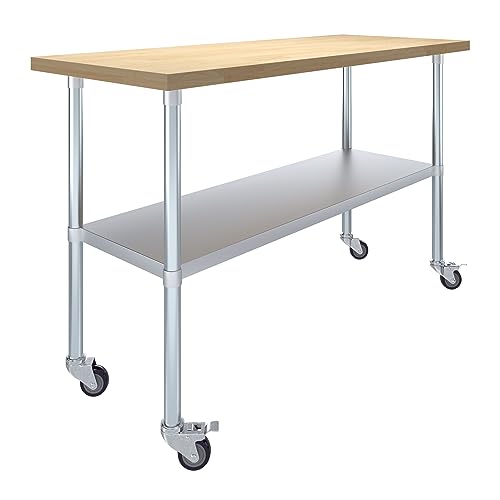
Best Maple Wood Finish Pick
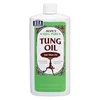
Hope’s 100% Pure Tung Oil – $17.99
A penetrating oil, not a film finish, so it protects maple from moisture without sealing in the natural caramel-vanilla scent this guide describes above.
- Best for: cutting boards, butcher block, and food-contact maple projects
- Why we picked it: 100% pure tung oil, food-safe, and won’t mute maple’s scent like polyurethane does
- Main drawback: needs several thin coats and longer cure time than a wipe-on poly
Compare more maple finish options
 Option 1 Tried & True Original Wood Finish – $24.99
|
 Option 2 Mollor Polyurethane Sealer – $16.99
|
 Option 3 Coatez Stain & Sealer – $15.99
|
As an Amazon Associate we earn from qualifying purchases.
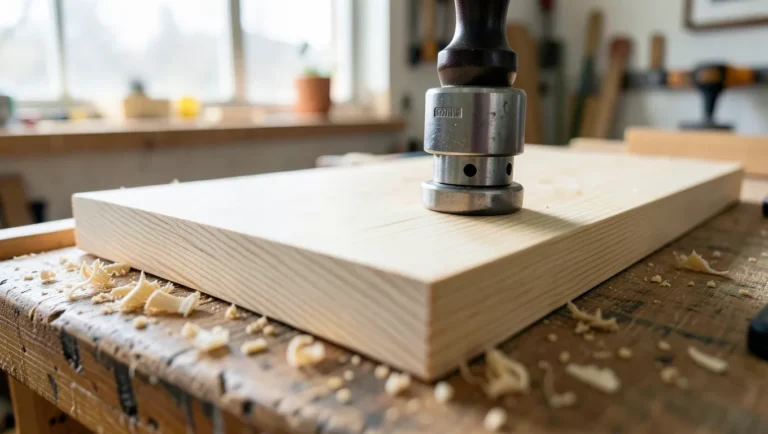
Maple aroma is a natural scent compound released from the sugars and oils stored in the wood’s sap and cell walls. It is strongest in freshly cut or sanded wood, because cutting exposes new sap and resin to the air. As the wood dries and cures over several weeks, the sweetness fades into a milder, warm, slightly woody smell.
Distinctive Aroma
Maple wood has a distinctly sweet and earthy smell, often compared to caramel, vanilla, or warm pancake syrup. When freshly cut or sanded, the aroma can be quite pronounced, filling a workshop with a delightful scent — one reason maple shavings and sawdust are popular for smoking food and filling scent sachets.
Factors Affecting The Smell
- Species: sugar maple and black maple carry a stronger, syrupy scent than red or silver maple.
- Moisture content: properly kiln- or air-dried maple (6–8% moisture for furniture work) smells milder and cleaner than green, wet wood.
- Age of the cut: the scent is strongest in the first few days after milling and fades noticeably within 2–3 weeks of air exposure.
- Finish applied: penetrating oils like tung or linseed oil let the natural scent come through; film-forming polyurethane mostly seals it in.
Why Does Some Maple Smell Bad or Sour?
Bacterial wetwood (also called slime flux) is a chronic bacterial infection that affects living maple, elm, and poplar trees, and it is the main reason some maple logs smell sour, sharp, or like ammonia instead of sweet. Bacteria ferment inside the sapwood and heartwood, building up internal gas pressure that forces a discolored, foul-smelling liquid out through cracks, pruning wounds, or branch crotches in the bark.
Wood affected by wetwood often looks pinkish, olive-green, yellow, or dark brown instead of maple’s usual pale cream color, and it keeps a pungent smell even after milling and drying. Wetwood is not fatal to the tree, but it substantially reduces the log’s value for lumber and makes the wood a poor choice for furniture or cutting boards.
📊 Bacterial wetwood substantially reduces the value of infected logs for lumber production and is a chronic (non-fatal) condition in species including maple, elm, and poplar — Source: University of Illinois Extension, 2024
Is Sour-Smelling Maple Safe to Use?
Yes, wetwood-affected maple is not toxic, but it is not worth using for furniture or cutting boards — the discoloration and odor typically remain after drying, and the wood is more prone to warping and collapse during kiln drying. If a board smells sour after weeks of proper drying rather than just at the fresh-cut stage, set it aside for firewood instead.
Maple Wood Varieties
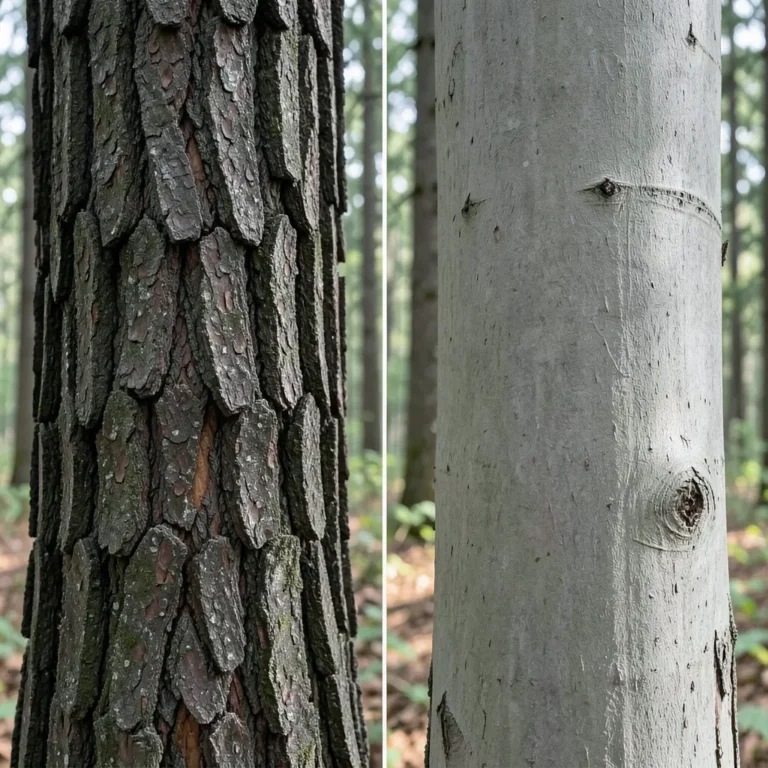
Not every maple species smells the same, and knowing how to identify maple trees helps explain why. The two most common types used in North American woodworking — sugar maple and red maple — differ in both scent strength and wood density.
Sugar Maple
Sugar maple (Acer saccharum) is the species tapped for real maple syrup, and its wood carries the strongest, most recognizable syrupy-sweet scent of any maple. It is also the hardest common maple (a Janka hardness of about 1,450 lbf), which makes it a top choice for flooring and butcher block.
Red Maple
Red maple (Acer rubrum) has a milder, less syrupy aroma and softer wood (around 950 lbf Janka), making it easier to hand-tool but less durable for high-wear surfaces than sugar maple.
Does Burning Maple Smell Different Than Cutting It?
Yes. Burning maple firewood produces sweet-smelling smoke, often compared to warm maple syrup or cherries, because heat caramelizes the same sugars that make fresh-cut maple smell sweet. Freshly sawn or sanded maple smells sweeter and milder because the wood is releasing sap and oils directly rather than through combustion, which adds smoky, tar-like notes from pyrolysis. A minority of woodworkers describe burning maple as having an unpleasant, sock-like undertone — this is more common with wetwood-affected or unseasoned logs than with properly dried, healthy maple.
Utilizing Maple Wood
Furniture Making
Maple’s tight, even grain and pale color make it a favorite for cabinets, flooring, and butcher block, and its mild residual scent does not clash with food or finishes the way stronger-smelling woods like cedar can.
Musical Instruments
Sugar maple’s density and tight grain give it the resonant, bright tone builders want in violin backs, guitar necks, and drum shells — the same density that carries its stronger syrupy scent when freshly worked.
Comparing Maple Wood To Other Woods
Maple’s sweet, caramel-like scent is mild compared to some other common woods. For a full breakdown of what each species smells like and why, see our guide to what different types of wood smell like.
Oak
Oak has a stronger, more tannic and slightly sour smell than maple, especially when wet, due to its higher tannin content.
Cherry
Cherry wood has a sweet, slightly floral scent similar to maple, but with a sharper almond-like edge from the compounds in its sap.
Preserving Maple Wood Aroma
Tips For Maintenance
Store maple in a dry, ventilated space (below 55% relative humidity) to slow the natural fading of its scent, and avoid stacking freshly milled boards tightly — trapped moisture is what encourages the sour smells associated with mold or wetwood-affected stock. A wood polish formulated for raw or oiled wood can also help maintain the surface between finish coats.
Protective Coatings
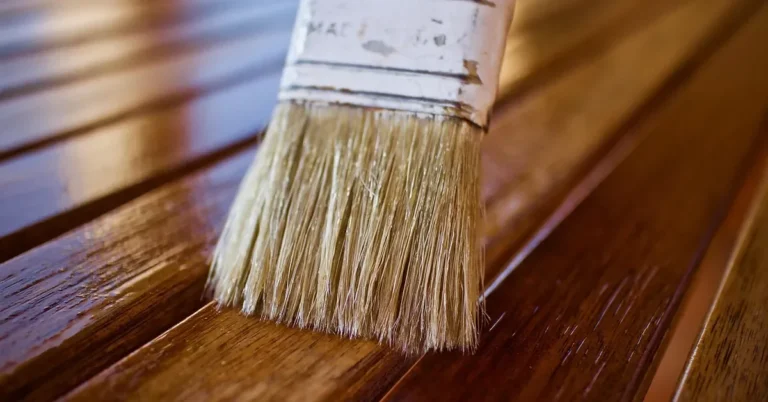
A penetrating oil finish, like pure tung oil or a linseed-oil-and-beeswax blend, protects maple from moisture without sealing off its scent the way a thick film-forming glossy finish can. For food-contact items like cutting boards, choose a finish labeled food-safe.
Frequently Asked Questions
Does Maple Wood Smell Nice?
Yes. Healthy maple wood has a pleasant, sweet scent often described as warm and inviting, with hints of vanilla, caramel, and maple syrup, especially when freshly cut or sanded.
What Do Maple Trees Smell Like?
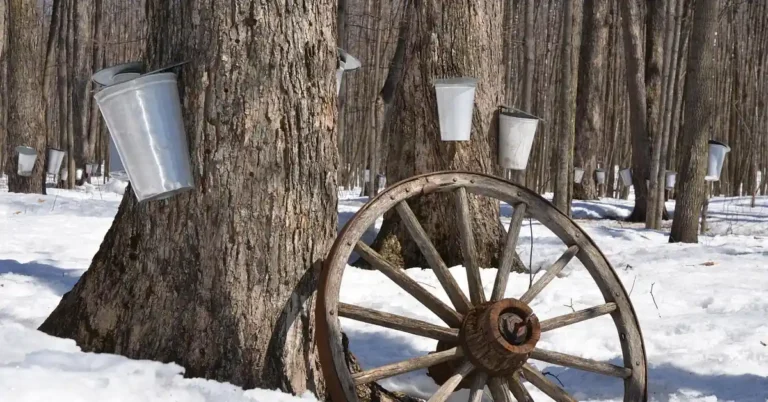
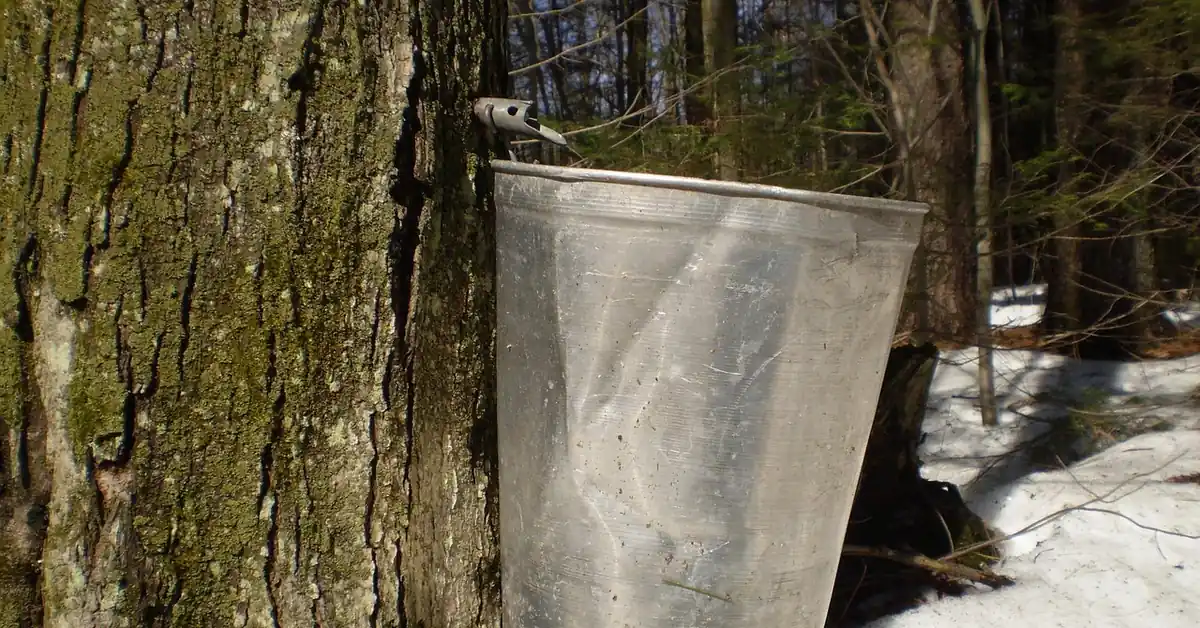
Living maple trees have a mild, sweet, slightly earthy smell from their sap, most noticeable in early spring during sap flow (maple syrup season) or when a branch or trunk is freshly cut.
Why Does My Maple Wood Smell Bad or Sour?
A sour, ammonia-like, or pungent smell in maple usually means bacterial wetwood (slime flux), a common bacterial infection that discolors the wood and lowers its value — it is not dangerous to touch but is best set aside for firewood rather than furniture.
What Wood Has The Best Smell?
Preference varies, but cedar, sandalwood, and sugar maple are commonly cited as the best-smelling woods — cedar for its sharp, aromatic oils, and maple for its sweet, syrupy warmth.
How Do You Describe The Smell Of Wood?
Wood smell is usually described using terms like sweet, earthy, resinous, smoky, or musty, depending on the species, moisture content, and whether the wood is freshly cut, dried, or burned.
Conclusion
Maple wood’s natural scent is sweet, warm, and syrupy — strongest fresh off the saw and mellowing as it dries. A sour or pungent smell instead is almost always bacterial wetwood, not a sign the wood is unsafe, just a sign it’s better suited for the firewood pile than the workshop.
Sponsored / affiliate links. As an Amazon Associate I earn from qualifying purchases. I may earn additional commission from eligible campaigns.